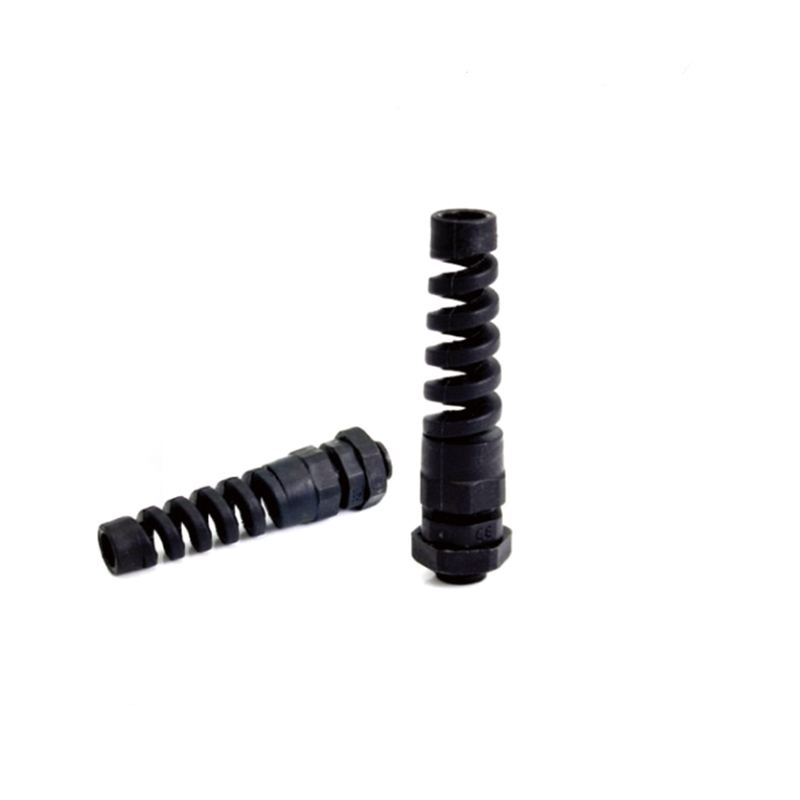
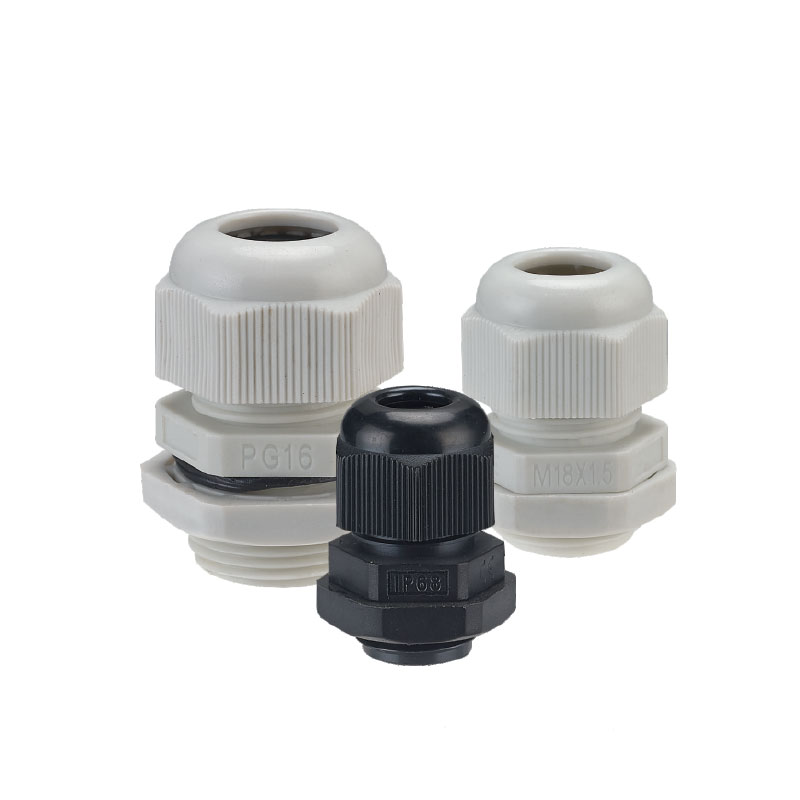
Waterproof Cable Gland
Waterproof Split Cable Glands Guide
Discover waterproof split cable glands with IP66 IP68 ratings nylon brass stainless steel options ideal for pre-terminated cable installations and retrofitting.
Read More
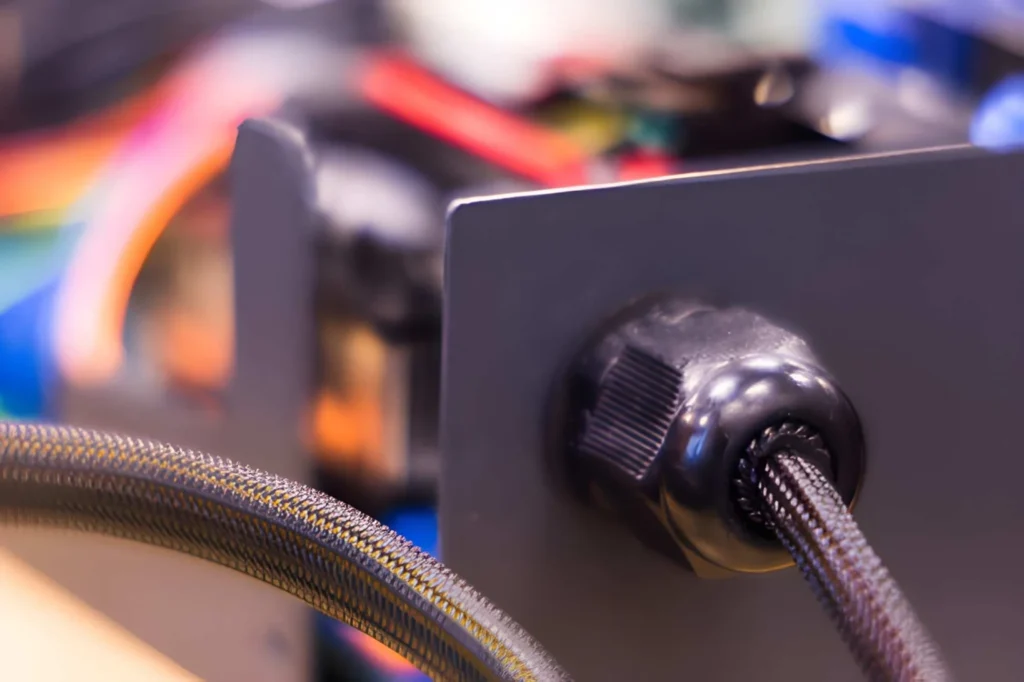
A waterproof cable entry gland is a specialized fitting designed to secure cables as they pass through panels, roofs, decks, or enclosures. Its main job is to create a watertight seal, preventing moisture, dust, and debris from entering sensitive electrical components. This ensures cables remain protected while maintaining the enclosure’s integrity.
Unlike regular cable glands, waterproof versions feature enhanced sealing elements such as:
These additions provide superior weather resistance, making them ideal for harsh outdoor, marine, and industrial environments. This means your cables and equipment stay safe from water ingress, even in heavy rain or immersion.
When choosing a waterproof cable entry gland, look for compliance with leading industry standards:
| Feature | Typical Standard | What It Means |
|---|---|---|
| Ingress Protection | IP67 / IP68 | Dust-tight and waterproof, IP68 suitable for submersion |
| UV Stability | UV-resistant materials | Prevents cracking and degradation under sunlight |
| Corrosion Resistance | Marine-grade brass or stainless steel | Protects against rust and salt spray in marine or coastal setups |
These standards guarantee your cable gland will perform reliably over time, resisting harsh weather, saltwater exposure, and temperature extremes.
With a waterproof cable gland, you get more than just a fitting—you get peace of mind that your cables are safe, sealed, and ready to withstand tough environmental challenges.

Waterproof cable entry glands play a crucial role in protecting electrical systems from moisture, dust, salt spray, and temperature extremes—especially in outdoor and marine environments. When cables pass through panels or enclosures, these glands maintain the enclosure’s integrity, helping to uphold important NEMA and IP ratings, such as IP67 or IP68. Without a proper seal, water and dirt can sneak in, leading to short circuits, corrosion, equipment failure, and serious safety risks.
For example, solar panel roof cable entries on RVs and vans rely heavily on waterproof cable glands to prevent leaks and damage from weather exposure. Boats benefit from marine deck cable seals that withstand saltwater spray and rough conditions. Outdoor lighting fixtures and security camera housings also require dependable waterproof cable entry glands to ensure continuous operation. Even industrial panels exposed to harsh environments depend on these fittings to protect sensitive wiring and maintain long-term performance.
To explore reliable options designed specifically for such tough conditions, consider checking out quality marine waterproof cable glands that are built to take on these challenges with ease.
Waterproof cable entry glands come in various types to meet different needs and installation environments. The most common distinction is between single cable glands designed for one cable and multi-cable glands, such as double or triple entry glands, which allow multiple cables to pass through a single point while maintaining a watertight seal.
There are also straight-through glands, which run cables directly through a panel or enclosure, and angled or side-entry glands that help route cables at a 90-degree angle or other directions where space is limited.
You’ll find standard threaded glands that screw securely into bulkheads, offering reliable sealing, versus low-profile deck seals and cable clams that sit flush or clamp around cables for a neat finish, especially on boat decks or RV roofs.
For easier installation without drilling, no-drill adhesive-mounted boxes provide a waterproof seal for cable entry on surfaces where drilling might weaken the structure or isn’t possible. Traditional bulkhead mounts, on the other hand, offer heavy-duty, durable sealing for thicker panels.
Material-wise, options vary from lightweight ABS or nylon glands, which are UV-resistant and corrosion-proof, suitable for solar panel cable entry glands and outdoor lighting, to brass or stainless steel glands built for marine-grade durability and harsh environments.
For detailed insights on gland threads and types, check out this comprehensive guide on cable gland thread types to pick the right fit for your application.
When choosing a waterproof cable entry gland, there are several key features to keep in mind to ensure reliable sealing and long-term performance:
| Feature | What to Look For |
|---|---|
| IP Rating | Preferably IP68 for full submersion protection. IP67 is good for splash and dust resistance. Check detailed ratings before purchase. |
| Cable Diameter Range | Matches your cable size—common ranges are 3-15mm for general use, and 6-12mm for solar panel cables. Proper fit ensures a tight seal. |
| Sealing Mechanisms | Look for tapered rubber seals, durable O-rings, and reliable compression fittings that prevent water ingress. |
| Strain Relief & Anti-Twist | Built-in strain relief prevents cable damage from pulling. Anti-twist features keep cables secure and stable. |
| Material Durability | UV resistant and chemical-resistant materials like UV-stabilized ABS, nylon, or corrosion-proof metals extend lifespan outdoors. |
| Ease of Installation | Simple to install, with reusable components for maintenance or adjustments. Low-profile options help in tight spaces. |
These features ensure your waterproof cable gland not only keeps water out but also withstands harsh conditions like sun exposure and chemical sprays. Proper sealing with components like O-rings and compression nuts is critical to maintain IP68 waterproof cable gland standards. For more detailed guidance on selecting the right material and protection level, check out this waterproof cable gland protection and material guide.
Picking the right waterproof cable entry gland starts with knowing your cable size and application. Here’s a simple, step-by-step guide to get it right every time:
Look for glands that support your cable size. Typical size ranges:
| Cable Diameter (mm) | Common Gland Size | Example Uses |
|———————|—————————–|———————–|
| 3 – 9 | Small single cable glands | CCTV, lighting cables |
| 6 – 12 | Solar cable entry glands | Solar PV system cables |
| 10 – 15 | Marine deck multi-cable glands | Boat power cables |
| 12 – 18 | RV/van conversion glands | Thicker or armored cables |
By following these steps and matching your cable size with the correct waterproof cable gland type, you ensure a secure, durable, and weatherproof connection every time.
Getting your waterproof cable entry gland installed right the first time is key to keeping cables dry and secure. Here’s a simple step-by-step guide to help you achieve a tight, lasting seal.
Following these steps ensures your IP68 waterproof cable gland creates a durable, weatherproof seal that protects your cables and equipment. For detailed advice on material choices and application, check out the waterproof cable gland materials and application guide.
GHX offers a solid range of waterproof cable entry glands, designed to meet tough outdoor and industrial needs. Their lineup includes IP68-rated models that ensure submersion protection and double cable entry glands for neat multi-cable routing. These glands stand out for their reliable sealing and weatherproof performance.
| Feature | Description |
|---|---|
| IP Rating | IP68 for full waterproof and dustproof sealing |
| Material | UV-stabilized ABS and tough nylon for durability |
| Cable Compatibility | Wide cable diameter range (e.g., 3-15mm) |
| Entry Options | Single and double cable entry options |
| Sealing | Compression nuts with O-rings and rubber seals |
| Installation | Easy to install with reusable glands |
| Resistance | UV, chemical, impact, and corrosion resistant |
For heavy-duty applications, check GHX’s brass cable glands that combine mechanical strength with waterproof sealing.
Overall, GHX waterproof cable entry glands deliver value and reliability when you need a robust cable gland size that guarantees lasting protection.
Waterproof cable entry glands are essential in a variety of real-world settings where moisture, dust, and harsh weather can damage electrical systems. One of the most common uses is in solar PV systems on vehicles and flat roofs. Whether on RVs, vans, or residential solar panels, these glands ensure a secure, watertight seal when routing solar cables through panels or roof structures, protecting against rain and UV exposure.
In marine environments, reliable marine bulkhead and deck penetrations depend heavily on high-quality waterproof cable glands like stainless steel or UV resistant nylon models. These fittings maintain the integrity of decks and hulls, preventing salt spray and water ingress that could cause corrosion or electrical failure. You can find specialized options for marine use, such as stainless steel cable glands designed for marine environments.
Off-grid cabins, sheds, and outdoor enclosures also benefit from waterproof cable entry glands, especially in remote locations where weatherproofing is critical for maintaining electrical safety. Here, these glands help keep outdoor lighting, security camera systems, and industrial electronics fully operational despite exposure to rain, wind, and temperature changes.
Additionally, industrial and commercial panels installed in wet or dusty environments require durable, high-IP-rated glands to protect sensitive wiring from moisture and contaminants. In factories, warehouses, and outdoor control panels, applying the right waterproof cable gland IP67 or IP68 ensures longer equipment life and reduced maintenance.
These applications prove why investing in quality waterproof cable glands tailored for specific needs—whether solar panel cable routing, marine deck cable seals, or industrial bulkhead cable fittings—is vital to safeguard cables and maintain system reliability. For more details on nylon cable gland uses, check out this nylon cable gland applications guide.
To keep your waterproof cable entry gland working long-term, regular maintenance is key. Here’s what to do:
Properly maintained waterproof cable glands help your systems stay sealed against moisture, dust, and other harsh elements, extending their service life and reliability. For replacement or upgrades, consider glands with UV-resistant materials and IP68 ratings for the best protection.
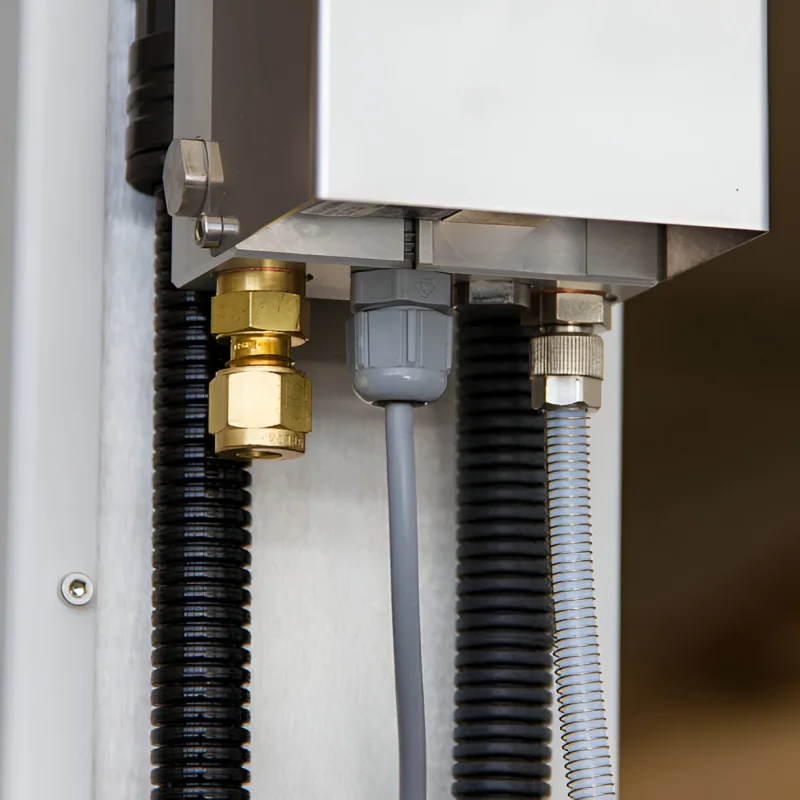
Discover waterproof split cable glands with IP66 IP68 ratings nylon brass stainless steel options ideal for pre-terminated cable installations and retrofitting.
Read More
Have you ever wondered if a waterproof cable gland can meet the demands of an explosion-proof environment? It’s a common question asked by many professionals working in industrial settings. With increasing safety regulations and diverse application needs, understanding the difference and compatibility between waterproof cable glands and explosion-proof cable glands is crucial. Both types of […]
Read More
If you’re in the business of protecting cables, you know just how crucial a good Waterproof cable gland is. Think of cable glands as the unsung heroes that keep your cabling safe from water, dust, and mechanical damage. Especially in harsh industrial settings, choosing the right type of cable gland can make or break your […]
Read More English