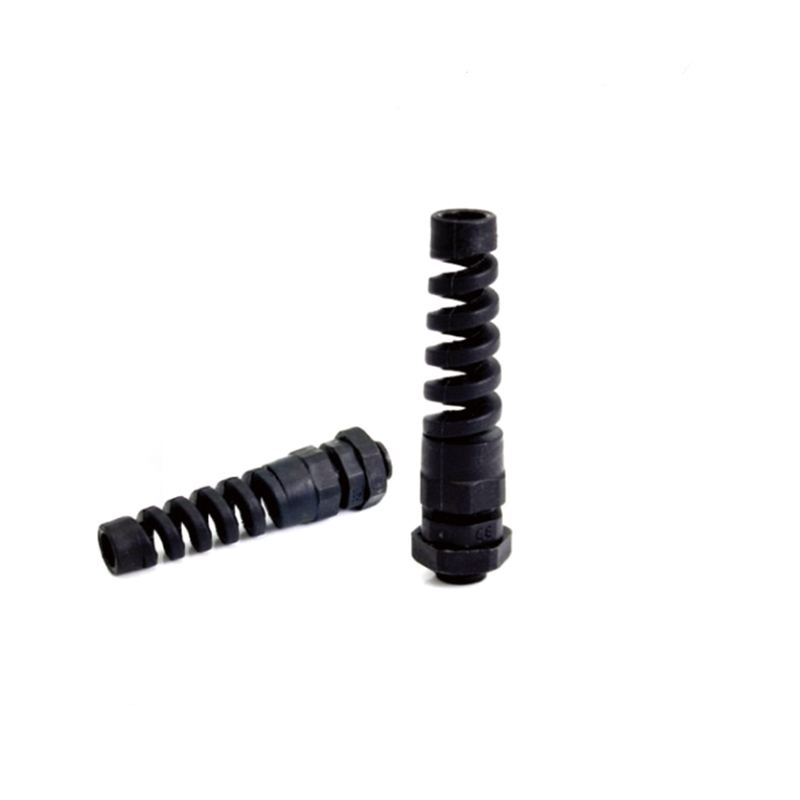
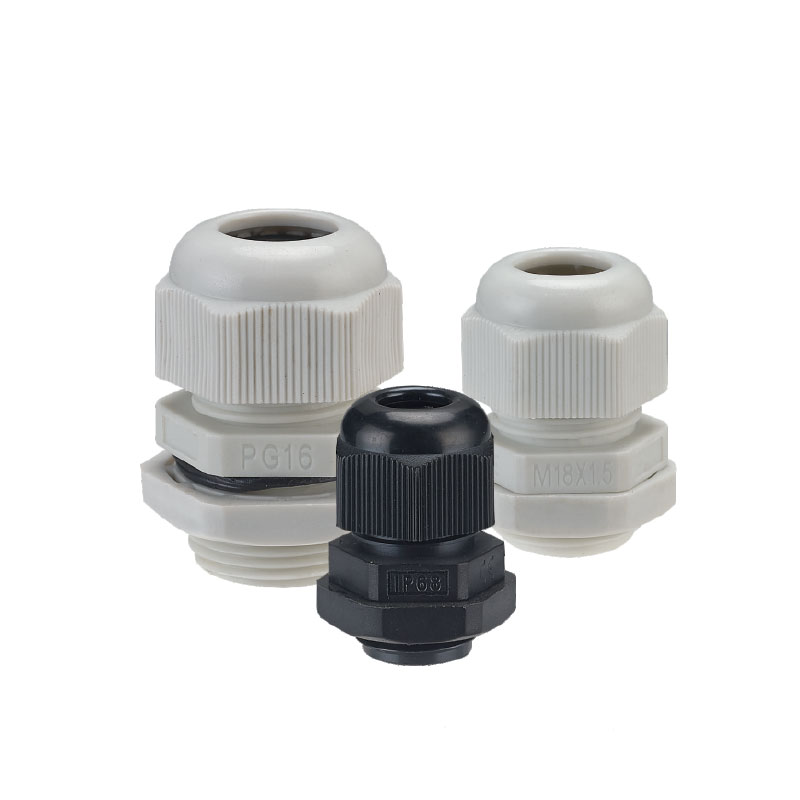
Waterproof cable gland play a vital role in the B2B market. Whether you are a solar equipment manufacturer, marine engineering contractor, or industrial automation integrator, choosing the right waterproof cable gland directly affects the durability and safety of your devices.
Have you ever wondered what keeps our cables safe and sound, even in heavy rain or bad weather? The answer is likely those small but crucial components called waterproof cable glands. These tiny parts protect cables from water, dust, and other external elements, acting as invisible guardians in industries such as industrial equipment, outdoor lighting, marine, and automation.
In this article, we will dive deep into what waterproof cable glands are, how they work, their types, applications, and how to select the most suitable product for your needs. Ready? Let’s embark on a journey to explore the world of waterproof cable glands!
What is a Waterproof Cable Gland?
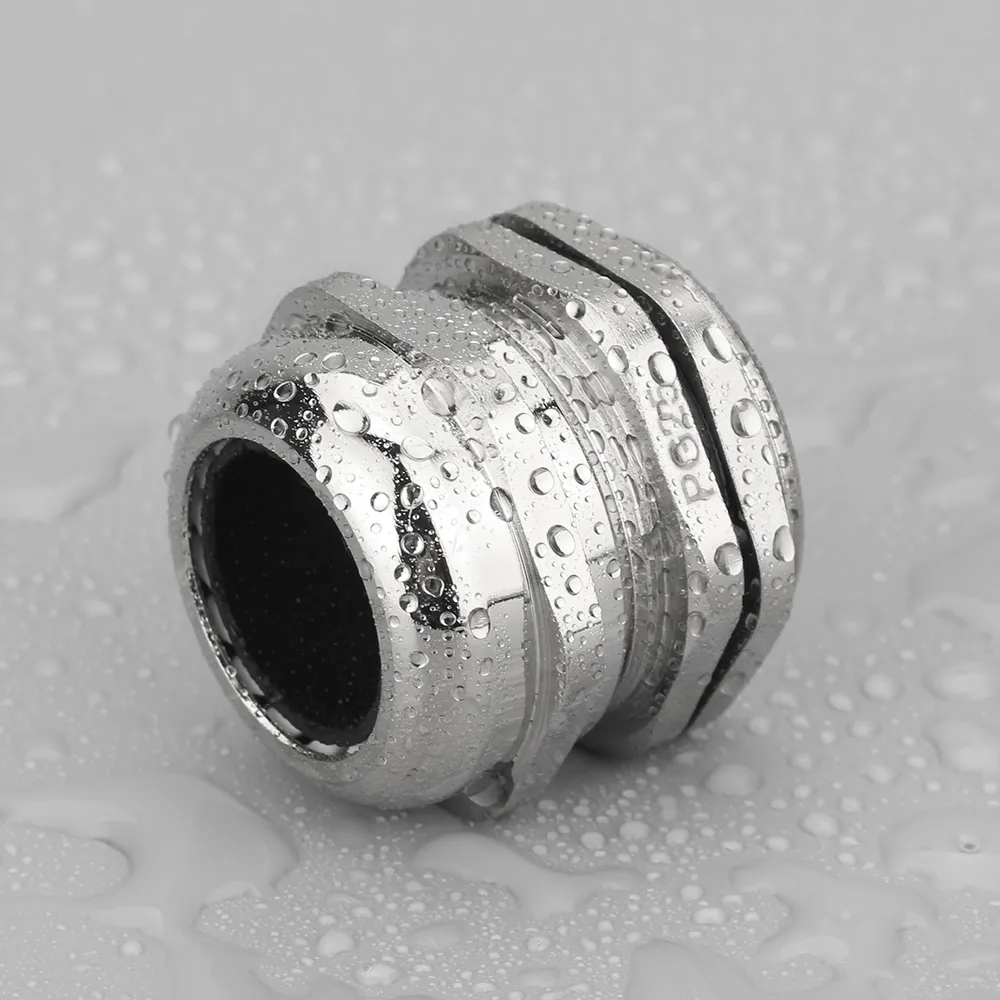
A cable glands is a sealing device installed at the entry point of a cable. Its main functions are to:
Protect cables from moisture and dust ingress;
Provide mechanical strain relief to prevent damage caused by pulling or vibration;
Ensure the wiring connections remain safe and intact.
The core structure typically includes a body, a locknut, sealing rings, and locking components. Common materials used are brass, stainless steel, nylon, and plastic. Each material has unique properties suitable for different environments.
Component
Function
Common Materials
Body
Fixes the cable and provides waterproof sealing
Brass, Stainless Steel, Nylon
Locknut
Secures the seal firmly
Brass, Stainless Steel
Sealing Ring
Prevents water and dust entry
Silicone, Fluororubber, Nitrile Rubber
Locking Device
Enhances mechanical strength and prevents loosening
Metal, Plastic
Besides basic waterproof functionality, there are specific product types found on the market, such as “IP68 Cable Gland” and “Waterproof Cable Connector,” which refer to different protection levels and features. These help users find precisely what they need.
Working Principle and Protection Ratings of Waterproof Cable Gland
You might be wondering how these small components manage to keep water and dust out. The key lies in their protection ratings—commonly IP66, IP67, and IP68.
Overview of IP Ratings
The IP (Ingress Protection) rating consists of two digits: the first denotes protection against solids (like dust), the second against liquids (water). The higher the number, the better the protection. IP68 provides the highest protection, suitable for continuous submersion in water, ideal for extremely wet environments.
IP Rating
Dust Protection
Water Protection
IP66
Complete protection against dust
Resistant to powerful water jets
IP67
Complete protection against dust
Can withstand temporary immersion in water, up to 1 meter depth
IP68
Complete protection against dust
Can withstand continuous immersion, depending on design
Waterproof cable glands achieve these ratings through high-quality sealing rings and precise locking mechanisms, creating a mechanical seal. Different materials and seal types impact performance significantly:
Waterproof cable glands are widely used across industries, ensuring the long-term safety of cable connections:
Industry
Application Examples
Typical Keywords
Solar Energy
Solar panel cable connections
solar panel cable gland
Outdoor Lighting
Street lamps, garden lights
outdoor waterproof cable gland
Electrical Enclosures
Control cabinets, junction boxes
junction box cable gland
Automation Equipment
Production lines, robotic arms
industrial waterproof cable gland
Marine and Offshore
Ship cables, harsh wet environments
marine waterproof cable gland
Extreme Weather
Desert, cold or dusty/rainy regions
extreme weather cable gland
What Each Environment Demands
Applications differ less by industry than by what actually attacks the cable entry. The table below is the one we use when a buyer sends photographs of the installation instead of a specification.
Environment
What attacks the entry
What the gland must do
Where it usually fails
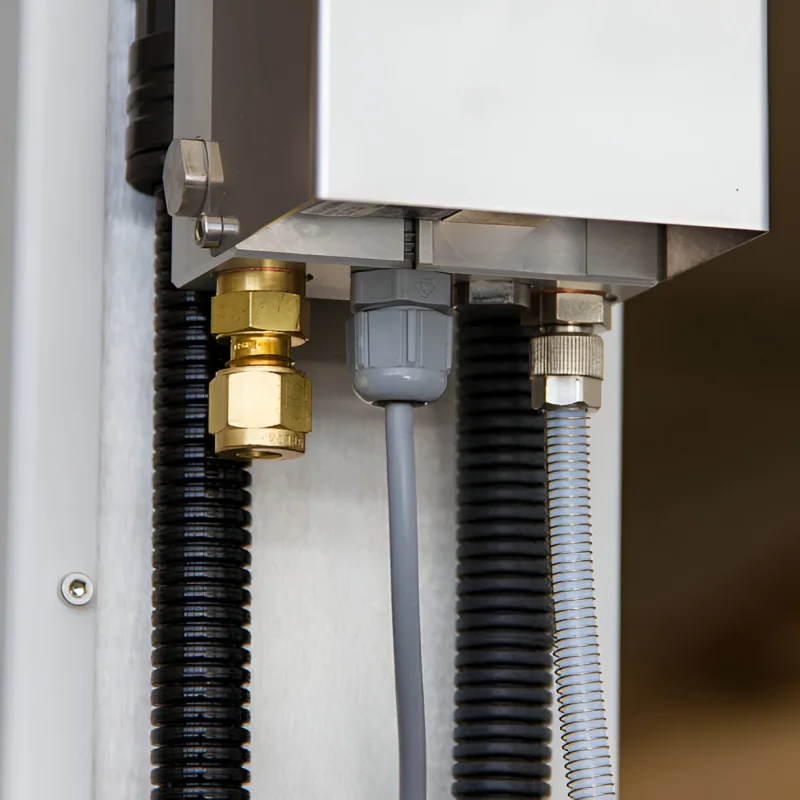
Factory floor (oil mist, washdown, vibration)
Oil, dust, water spray, constant vibration
Seal the jacket and hold it against pull
The seal works loose when the clamp never gripped the jacket
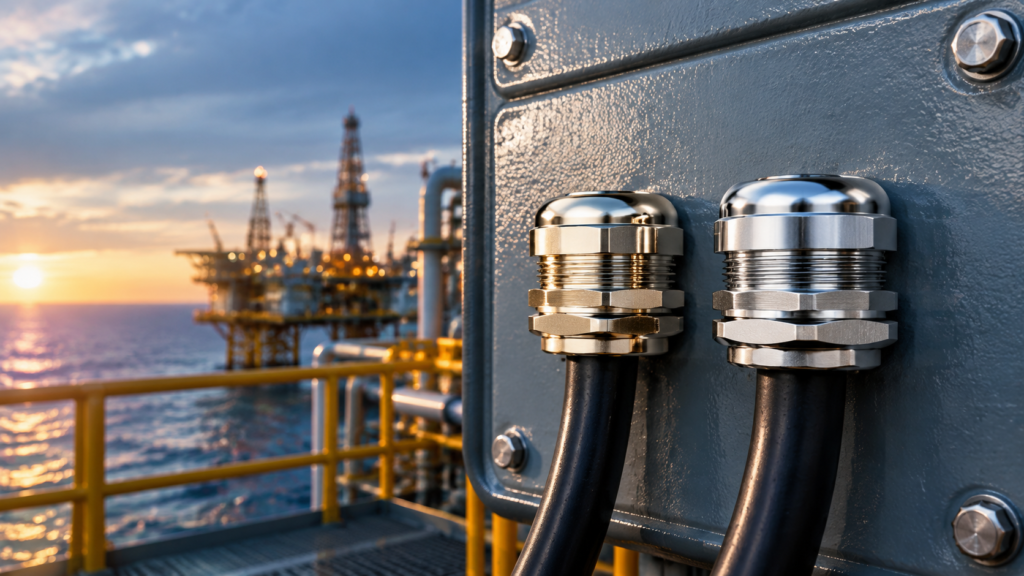
Marine deck and offshore
Salt spray, UV, movement of the vessel
316L body with a ring that tolerates thermal cycling
Nickel plating breaks down at a scratch, then the thread seizes
Outdoor telecom and solar
UV, rain, day-night temperature cycling
UV-stabilised body or metal, with the IP grade in writing
Natural nylon embrittles, and cable ties load the seal
Underground ducts and tunnels
Standing water, silt, occasional flooding
A continuous-immersion grade with declared depth and duration
“IP68” quoted with no depth, so the seal is never verified
Food, pharma and washdown areas
Caustic and acid cleaning, high-pressure jets
Smooth-body stainless steel with a chemical-resistant ring
A standard NBR ring swells, and the jet attacks an unsealed thread
Cold rooms and freezers
Ice formation and thermal shock on every cycle
A ring that stays elastic below zero
A hard ring cracks on the first warm-up
High-temperature areas
Radiant heat from furnaces, engines or steam lines
A metal body rated to the temperature class of the area
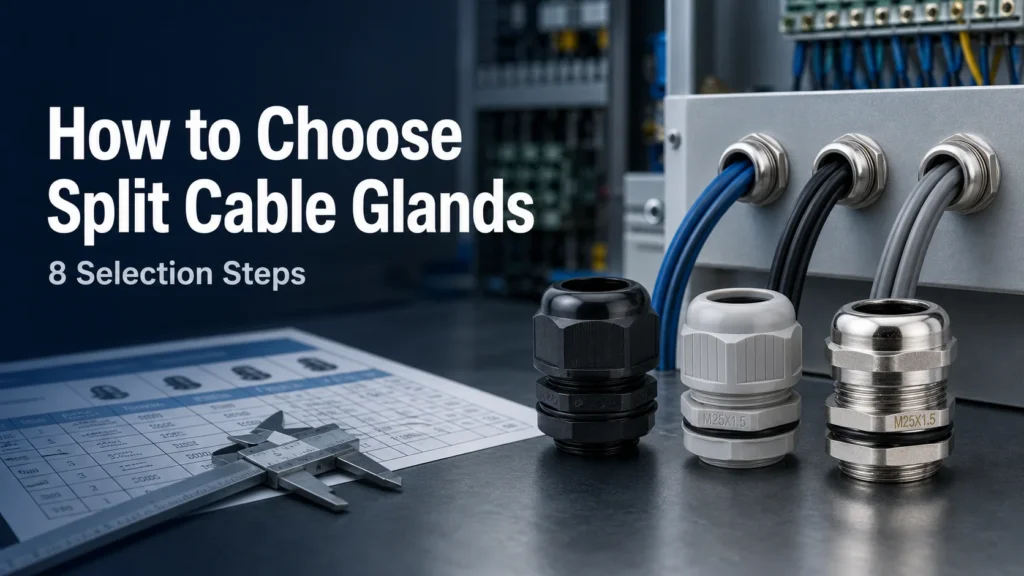
Selecting the right waterproof cable gland saves maintenance costs and prevents safety hazards. Key factors to consider include:
Selection Criteria
Explanation
Cable Diameter
Ensure the gland size fits cable outer diameter to avoid looseness or over-tightening
Material
Choose according to environment: stainless steel for corrosion resistance, nylon for UV resistance
Protection Rating
Determine IP level based on use; IP67/IP68 recommended for severe outdoor conditions
Installation Type
Thread type (M, PG, NPT), ease of operation, and maintenance
Special Environment Demands
Heat resistance, explosion proof, UV protection, anti-corrosion, and electromagnetic compatibility
Installation and Maintenance Tips
Installing a good waterproof cable connector is just the beginning. Proper installation and regular maintenance ensure it retains waterproof performance over time.
Installation Steps Overview:
Select the appropriate gland size;
Strip the cable’s outer sheath, leaving adequate length;
Slide the gland onto the cable;
Assemble the sealing rings and tighten the locknut, ensuring the seal fits snugly around the cable;
Check for firm installation without looseness.
Maintenance Recommendations:
Regularly inspect sealing rings for wear;
Ensure no water accumulation or corrosion at connection points;
Retighten locknuts periodically if vibration occurs.
Installation/Maintenance Aspect
Description
Sealing Ring Selection
Match sealing material to working environment
Thread Tightening
Use suitable tools, avoid overtightening to prevent thread damage
Maintenance Interval
Inspect every 6-12 months depending on environment
Common Issues
Leakage, loosening, sealing ring aging
Proper installation and upkeep prolong the service life of waterproof cable connector, preventing costly water-related failures.
Recent Market Developments and Technology Trends
With the rise of industrial automation and green energy, waterproof cable connector face new opportunities and challenges.
International Standards Updates: For example, refined IP rating standards and ROHS environmental certifications ensure products meet ecological requirements.
New Materials: Advanced plastics and metal alloys improve corrosion and high-temperature resistance.
Smart Manufacturing: Automated assembly lines and online quality checks boost consistency and performance.
Customization Services: Suppliers offer “custom waterproof cable gland” options tailored to specific sizes and performance needs.
Innovative Designs: Lightweight structures, reusable seals, and integrated EMC shielding are gaining popularity.
Trend
Description
International Standards
Higher IP and environmental standards improve product quality
New Materials
Composite materials enhance durability
Smart Manufacturing
Increase efficiency and product consistency
Customization Services
Meet personalized requirements
Integrated New Functions
Incorporate EMC, explosion-proof, heat resistance
Choosing a suitable, high-quality cable gland not only protects your equipment but also guarantees long-term stable operation. Whether facing harsh outdoor conditions or high-standard industrial applications, remember to consider cable specs, protection level, and usage scenarios when selecting a gland. Expert installation and routine maintenance are vital for prolonging service life.
If you’re ready to procure waterproof glands, feel free to contact us! We offer a wide range of materials and protection ratings, with customization options to support your project’s smooth operation. Send us your inquiry now to receive professional advice and quotations. Let waterproof cable glands safeguard every meter of your cables—looking forward to cooperating with you for mutual success!
FAQ
Q1: What is a waterproof cable gland?
A waterproof cable gland is a sealing device installed at the cable entry point. It prevents water and dust from entering and provides mechanical strain relief to protect cables and electrical equipment.
Q2: What are the common protection ratings for waterproof cable glands?
The common protection ratings are IP66, IP67, and IP68. IP68 offers the highest protection and can withstand prolonged immersion in water, suitable for extreme environments.
Q3: What materials are typically used for waterproof cable glands?
Common materials include brass, stainless steel, nylon, and plastic. Different materials fit different environments — stainless steel is corrosion-resistant, while nylon is lightweight and cost-effective.
Q4: How do I choose the right waterproof cable gland?
Key factors include cable diameter, working environment, required protection level (IP rating), material, and whether special features like explosion-proof or EMC shielding are needed.
Q5: What should be paid attention to during installation of waterproof cable glands?
Choose the correct size, ensure the sealing ring fits tightly, and properly tighten the locknut using the right tools to prevent loosening and leaks.
Q6: What are the typical applications for waterproof cable glands?
They are widely used in solar energy, outdoor lighting, marine equipment, electrical enclosures, and industrial automation fields.
Q7: Do you offer customization services?
Yes, we support custom sizes and special-performance waterproof cable glands to meet specific industry needs.
Q8: How should waterproof cable glands be maintained?
Regularly inspect sealing rings for wear or corrosion, replace if necessary, and periodically retighten locknuts.
How to select hazardous area cable glands: read the classification drawing and enclosure certificate first, then match sealing method, cable range, material and IP to your process.
We use cookies to enhance your browsing experience, serve personalised ads or content, and analyse our traffic. By clicking "Accept All", you consent to our use of cookies.