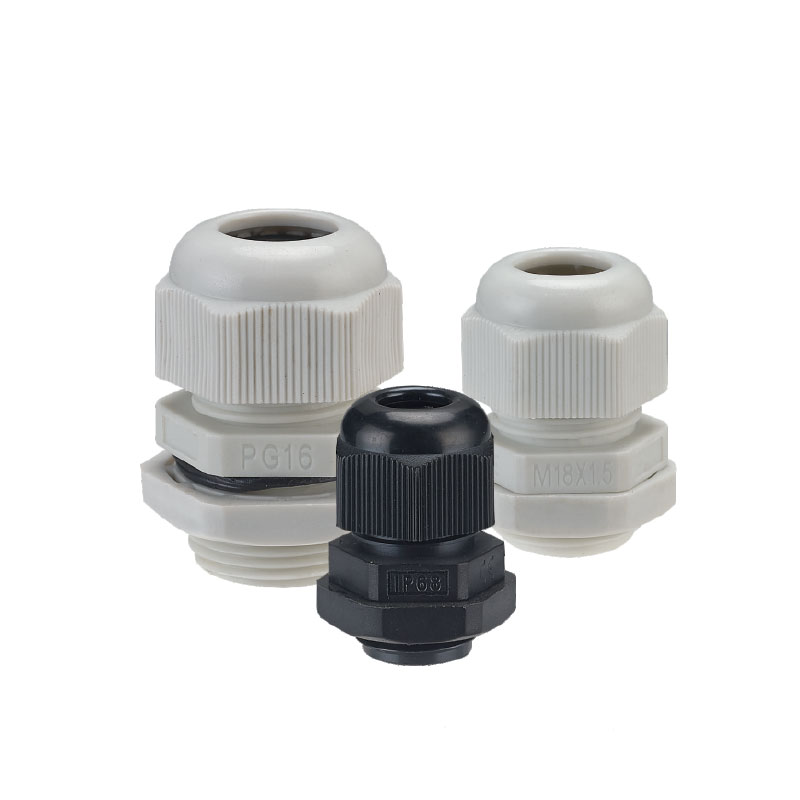
Have you ever wondered how those seemingly insignificant little devices ensure that cables remain safe and reliable in wet or harsh environments? This is the secret behind the Waterproof Cable Gland. Acting as the “gatekeeper” for cables entering and exiting equipment, it not only achieves a secure connection but also protects cables from moisture, dust, and corrosion.
Whether in the heavy-duty environment of industrial automation or exposed to the elements for outdoor lighting, waterproof cable glands are indispensable. Understanding their main components will not only help you choose and install them correctly but also prevent electrical faults and enhance overall safety and durability. Let’s uncover the “secrets” of waterproof cable glands, starting with their most critical parts.
Basic Structure and Naming of Waterproof Cable Gland
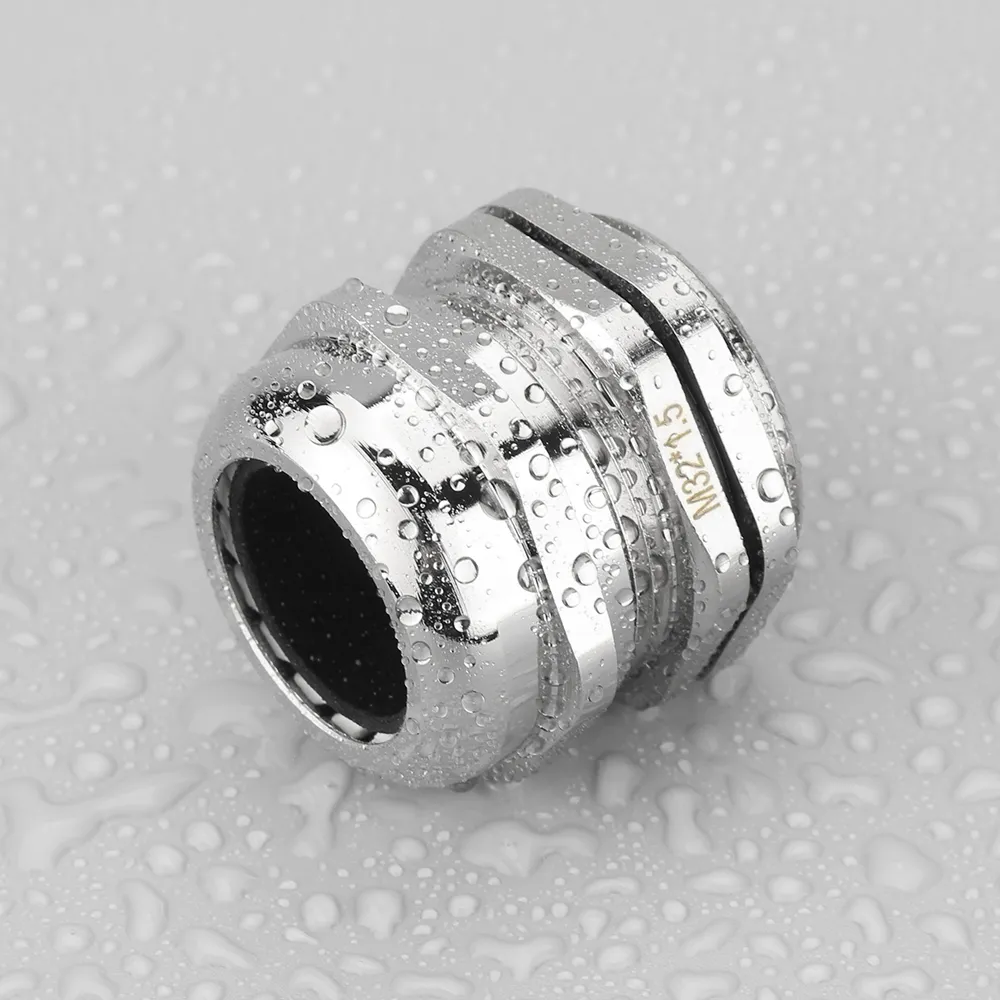
Although compact, a waterproof cable gland is assembled from several key components. Below is a diagram illustrating the typical components of a waterproof cable gland, helping you quickly identify each part and its position.
Component Name
Brief Function Description
Example Material
Lock Nut
Secures the gland tightly to the equipment
Brass, Stainless Steel, Nylon
Washer
Protects equipment surface, prevents leakage
Rubber, Plastic
Body
Overall support and sealing structure
Brass, Stainless Steel, Nylon
Seal
Provides waterproof, dust-tight sealing
Rubber, TPE, Silicone
Claw
Grips and protects the cable, prevents slippage
High-strength Plastic, Metal
Sealing Nut
Firmly secures the seal and claw
Brass, Stainless Steel, Plastic
Understanding these parts and their functions is the first step in selecting and using waterproof cable gland correctly.
Detailed Functions of Each Component
Now let’s examine why each component is important and how they work together to ensure cable safety.
Lock Nut
Function: Secures the gland, ensuring it is firmly fixed to the equipment interface, preventing loosening even with vibration.
Material: Often made of corrosion-resistant stainless steel or nylon, offering durability and rust prevention.
Washer
Balances pressure to prevent damage to the equipment surface when the gland is tightened.
Also provides auxiliary sealing capability to prevent moisture ingress.
Body
Serves as the “skeleton,” connecting all components and defining the cable passage.
Common materials include brass, stainless steel, and high-strength plastics, chosen based on the environment.
Seal (Sealing Ring/Waterproof Ring)
This is the core of the waterproof gland, forming a tight seal to prevent water and dust intrusion.
Materials are typically rubber, TPE, or silicone, offering high temperature and corrosion resistance.
Claw
Grips the outer jacket of the cable firmly, preventing it from slipping out and providing mechanical protection.
Applies appropriate pressure to relieve cable tension, avoiding damage from pulling.
Sealing Nut
Secures the sealing ring and claw, ensuring overall tightness and sealing effectiveness.
Allows adjustment of tightening torque for optimal sealing.
All these components work in close cooperation to provide powerful waterproofing and mechanical protection.
View more product information
Choose waterproof cable gland to ensure your cable connection is safe and worry-free! Contact us now to get professional solutions.
Comparison of Waterproof Cable Glands Made from Different Materials
Material selection is a crucial aspect of cable gland selection. Here’s a comparison table to help you quickly understand the pros and cons of common materials:
Choosing the right material for different environments ensures effective waterproofing and mechanical protection while optimizing costs.
Selection and Installation Considerations
To maximize the value of your waterproof cable gland, proper selection and professional installation are essential:
Match Cable Diameter and Core Count: Use a size chart to match the cable’s cross-sectional area and core count to determine the appropriate specification. For example, a 25mm², 4-core cable might correspond to a Size 32 gland.
Confirm Protection Rating (IP Rating): Determine the required IP rating (e.g., IP67 or higher IP68) based on the usage environment to ensure dust and water protection.
Pay Attention to Installation Sequence: Disassemble all parts. First, thread the cable, then install the washer, seal, claw, etc., in order, finally tightening the lock nut.
Regular Inspection and Maintenance: Ensure the sealing ring is free from aging or damage. Replace it promptly if cracking or deformation occurs due to material fatigue.
Installation Tip: Correct sizing and installation not only ensure equipment safety but also extend cable lifespan and prevent costly downtime.
Marine Waterproof Cable Gland
In marine and ship environments, waterproof cable glands must possess higher protection performance. The high salinity, humidity, and corrosive nature of marine air pose special requirements for cable glands:
Material Requirements: Common designs use nickel-plated brass or 316 stainless steel, offering extremely high rust resistance and salt spray corrosion resistance, ensuring stable performance for 5 years or more.
Protection Rating: Marine waterproof glands typically require at least IP68, and some applications (e.g., deck penetrations, bulkhead penetrations) also require explosion-proof capabilities.
Structural Features: Utilize split sealing structures, allowing installation without removing cable terminals, saving time and effort. Some feature shutter-type seals for enhanced sealing.
Typical Scenarios: Ship bulkheads, decks, engine rooms, navigation equipment power lines, offshore platforms, etc.
Marine Cable Gland Feature
Description
Excellent Corrosion Resistance
Uses high-grade stainless steel, suitable for high-salinity marine environments
Superior Waterproofing
IP68/Explosion-proof rating, suitable for high-humidity and submerged/deck environments
Easy Installation
Split sealing structure, no need to remove terminals for direct installation
Long Life, Low Maintenance
With proper selection, can operate trouble-free for 5+ years
If you serve shipyards or marine equipment suppliers, our factory can custom-produce high-protection marine glands based on your specific requirements. We welcome your inquiries with samples or drawings!
Multi-Field Applications of Waterproof Cable Gland
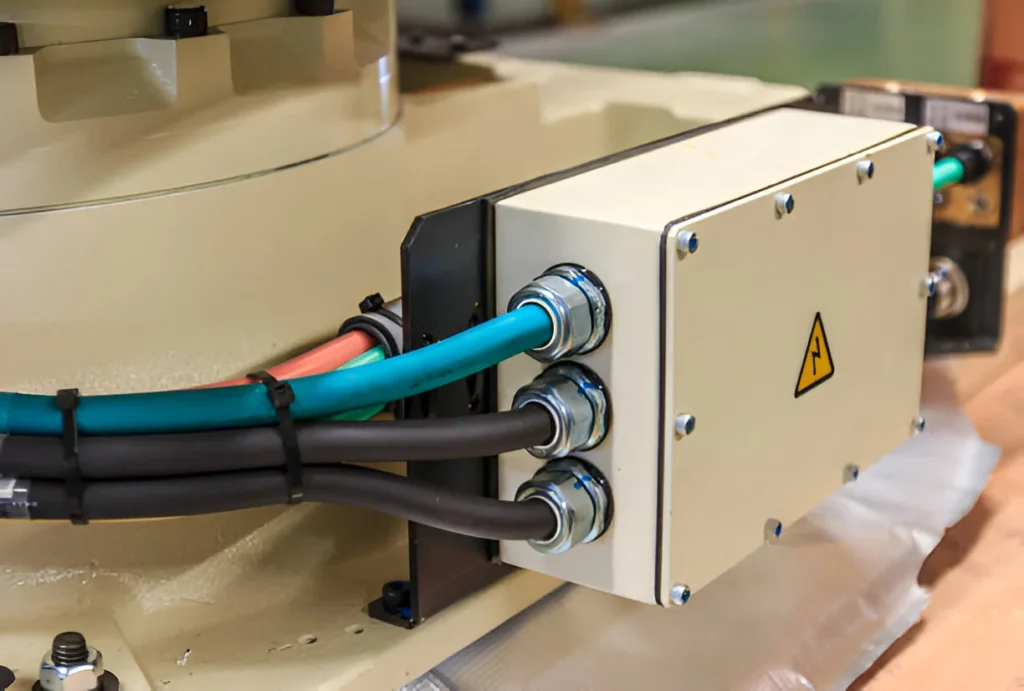
Waterproof cable gland are found in almost all applications involving power and signal connections that require sealing. Specific applications include:
Industrial Automation: Cable penetration sealing for drive cabinets, control boxes, sensors, etc.
Power Facilities: Switchgear, outdoor substations, PV junction boxes, all requiring waterproof seals.
Communication and Monitoring: Cable entry sealing for outdoor base stations, communication fiber boxes, cameras, signal towers, etc.
Transportation Equipment: High-vibration mobile applications like subways, railways, automobiles, and aircraft, where glands prevent loosening due to vibration.
Marine and Chemical: Ships, oil platforms, chemical plants – their reliability is particularly evident in extreme environments.
Application Field
Typical Scenarios
Industrial
Workshop distribution boxes, automation control cabinets, sensor equipment
Precise structural design and material selection are key to sealing and durability.
In all industries, on land or at sea, they are always diligently at work.
Customization, professional selection, and standardized installation will make your equipment operate more efficiently.
If you are struggling with cable waterproofing, sealing, or marine corrosion-resistant accessory selection, feel free to contact our factory’s professional team. We can not only help you with selection waterproof cable gland but also customize products to your needs. We offer competitive pricing for bulk orders and guaranteed delivery times!
Have questions? Leave a message or send an inquiry to get free samples and technical advice, solving all your “cable worries” in one go!
FAQ
Q1: What is a waterproof cable gland?
It is a device used to securely seal and protect cables entering electrical equipment, preventing water, dust, and contaminants from damaging the connection.
Q2: How do I choose the right size of cable gland?
Measure the cable’s outer diameter and match it with the gland size chart. Proper sizing ensures optimal sealing and mechanical grip.
Q3: What materials are commonly used and which one should I choose?
Common materials include brass, stainless steel, and nylon. Choose brass or stainless steel for harsh, corrosive environments; nylon for lightweight, indoor applications.
Q4: Can waterproof cable glands be used in marine environments?
Yes, specialized marine cable glands made of high-grade stainless steel provide excellent corrosion resistance and waterproofing for ships and offshore installations.
Q5: How do I install a waterproof cable gland correctly?
Follow the sequence: thread cable through all parts, assemble seal and claw, then tighten the sealing nut and lock nut carefully to achieve a secure and waterproof seal.
Q6: How often should I inspect my cable glands?
Regularly inspect seals and glands for signs of wear or damage and replace parts as needed to maintain waterproof integrity and safety.
Ex d and Ex e cable glands are not interchangeable: the protection concept comes from the enclosure, not the zone. Compare flame path design, internal sealing and cable entry consequences.
If you’re in the business of protecting cables, you know just how crucial a good Waterproof cable gland is. Think of cable glands as the unsung heroes that keep your cabling safe from water, dust, and mechanical damage. Especially in harsh industrial settings, choosing the right type of cable gland can make or break your […]
We use cookies to enhance your browsing experience, serve personalised ads or content, and analyse our traffic. By clicking "Accept All", you consent to our use of cookies.