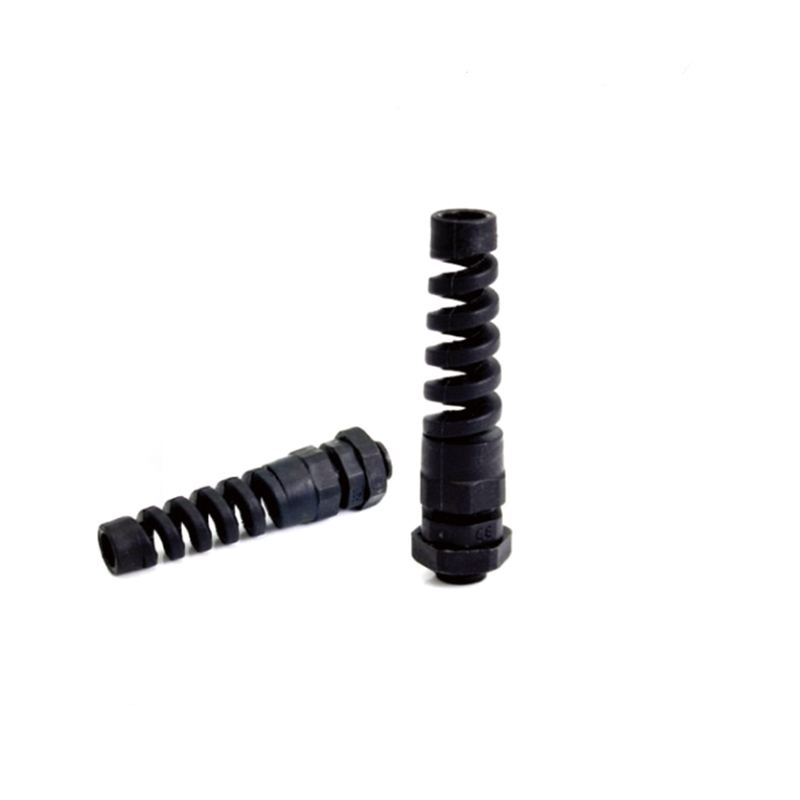
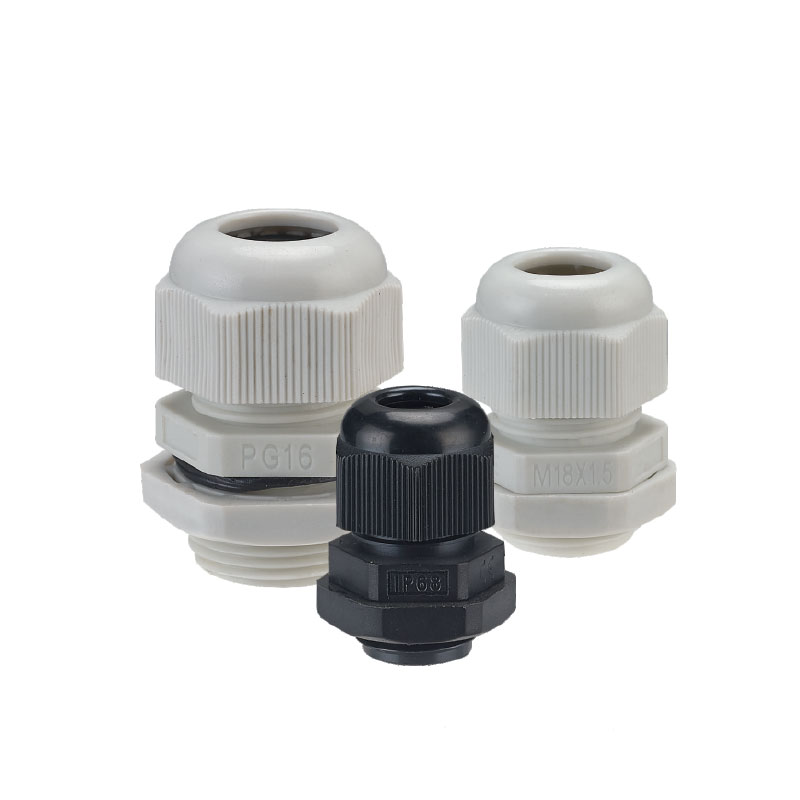
Waterproof Cable Gland
How to Install Waterproof Cable Glands Step by Step for IP68 Protection
Learn how to install waterproof cable glands with step-by-step guides for IP68 sealing using nylon brass or stainless steel glands from GHX.
Read More

Have you ever wondered how electrical cables stay safe and dry even in the harshest conditions? The answer lies in an often overlooked, yet crucial component—the waterproof cable gland. These small but mighty fittings protect cables from water, dust, and other external elements, ensuring the reliability and safety of electrical systems across various industries.
Whether you’re running an industrial plant, managing outdoor lighting systems, or working in marine environments, waterproof cable glands are your unsung heroes. This blog will take you on a deep dive into the environments where waterproof cable glands shine the most. Plus, we’ll explore their materials, why the right seal is so important, and how to install them properly in challenging settings like chemical plants. Stick around for a handy FAQ section that answers all your burning questions!
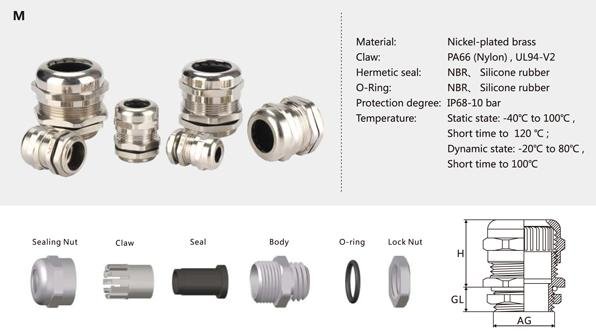
First off, let’s unpack what makes a waterproof cable gland, well, waterproof! Cable glands serve as the entry and exit points for cables into equipment, effectively sealing the point where a cable passes through a panel or enclosure.
IP Protection Ratings
The key to waterproofing lies in their IP rating, which detail how well the gland keeps out dust and water. Here’s a quick rundown of common ratings you’ll encounter:
| IP Rating | Dust Protection | Water Protection | Typical Usage |
|---|---|---|---|
| IP66 | Dust-tight | Protected against powerful jets | Outdoor lighting, industrial machinery |
| IP67 | Dust-tight | Protected against temporary immersion | Marine applications, communication enclosures |
| IP68 | Dust-tight | Protected against continuous immersion | Submarine cables, underwater sensors |
Designed with sealing rings and compression components, waterproof cable glands clamp tightly around the cable, creating a barrier against moisture and dust.
Now, you might be asking: Does the choice of material really matter? Absolutely! The seal is the heart of waterproofing performance.
Choosing the right gland material can be a game changer, especially in tough environments. Here’s a look at common materials:
| Material | Properties | Best Applications |
|---|---|---|
| Nylon (Polyamide) | Lightweight, cost-effective, corrosion-resistant | General industrial, indoor/outdoor |
| Brass | Strong, corrosion-resistant, great for high-pressure applications | Marine, chemical plants |
| Stainless Steel | High corrosion resistance, durable | Offshore, chemical, extreme environments |
Simply put, different environments throw different challenges at cable glands. For instance, a gland made of nylon might fare well outdoors but could degrade quickly in a chemical plant due to exposure to corrosive substances. On the other hand, stainless steel glands provide robust resistance against saltwater corrosion but come with a higher price tag.
The best approach? Match the seal and housing materials with your specific operational risks. This choice determines how long your cables stay protected and your system stays operational.

If you’re curious about the waterproof cable gland for your application, don’t hesitate to send an inquiry — we’re happy to help you find the perfect fit!
Waterproof cable glands play a vital role across many industries, protecting electrical connections from water, dust, and harsh conditions. Let’s take a closer look at where these unsung heroes truly shine—and how they keep the power flowing safely.
In factories and automated production lines, waterproof cable glands are everywhere—from machinery to sensors and control panels. These environments often involve:
The cable glands provide a secure seal that prevents moisture ingress and dust contamination, ensuring smooth machine operation with minimal downtime. Industries such as automotive manufacturing, food processing, and electronics assembly rely on their robust performance.
The salty sea air and constant exposure to water are a recipe for corrosion. Waterproof cable glands made from marine-grade brass or stainless steel provide:
These glands ensure that electrical systems on boats, oil rigs, and offshore platforms keep working safely despite the harsh marine environment.
Outdoor telecom cabinets and network towers face relentless weather conditions—rain, dust storms, and extreme temperatures. Waterproof cable glands:
In wind turbines and solar energy setups, cable glands protect the vital connections that keep the clean energy flowing. They need to:
From streetlights to security cameras, these systems must operate flawlessly outdoors. Waterproof cable glands:
Hospitals and labs require cables that do not allow contamination. Waterproof glands:
Railways, traffic lights, and signaling systems experience constant vibration, weather exposure, and dust. Cable glands:
Electric cables in farming face exposure to soil moisture, fertilizers, and pesticides. Waterproof cable glands:
Chemical plants are one of the toughest places for electrical hardware. Here, waterproof cable glands must:
| Installation Tips for Chemical Plants | Why It Matters |
|---|---|
| Use stainless steel or brass glands | Resist harsh chemical corrosion |
| Choose seals made from chemically resistant materials (neoprene, nitrile) | Maintain integrity under exposure |
| Avoid overtightening during installation | Prevent seal damage and leaks |
| Conduct regular inspections and replacements | Ensure ongoing safety and compliance |
These precautions help maintain electrical safety in environments with acids, alkalis, and solvents.
From arctic chills to desert heat, waterproof cable glands must handle wide temperature swings:
Using waterproof cable glands tailored to your environment ensures your electrical systems are safe and efficient. Curious which type fits your project? Reach out and let us guide you to the perfect solution!
Waterproof cable gland are crucial for keeping electrical connections safe and dry in a variety of environments. Their effectiveness hinges on choosing the right protection rating, sealing material, and body material. From industrial automation to chemical plants and marine settings, waterproof cable glands stand guard to provide peace of mind.
Is your project exposed to moisture, dust, or corrosive substances? Selecting the proper waterproof cable gland can prevent costly downtime and maintain safety. Don’t wait until a problem occurs—reach out today for tailored advice and quality waterproof cable glands that fit your needs perfectly.
Consider the environment’s exposure to dust and water. If cables face heavy rain or temporary submersion, IP67 or IP68 glands are ideal. Light rain or dust exposure may only require IP66.
Stainless steel or brass glands with nitrile or neoprene seals work best in chemical plants or marine environments due to their resistance to corrosion and chemicals.
Proper installation involves cleaning the cable, choosing the right size gland, tightening per manufacturer specs, and inspecting seals regularly.
Explosion-proof glands are designed to safely contain electrical sparks and prevent ignition in hazardous environments, whereas waterproof glands primarily protect against water and dust ingress.
Glands come in a variety of sizes and are often adjustable. Always select a gland that tightly fits the cable diameter to ensure effective sealing.
Look for manufacturer certifications and test reports showing compliance with IP68 standards for dust-tightness and water immersion.
Learn how to install waterproof cable glands with step-by-step guides for IP68 sealing using nylon brass or stainless steel glands from GHX.
Read More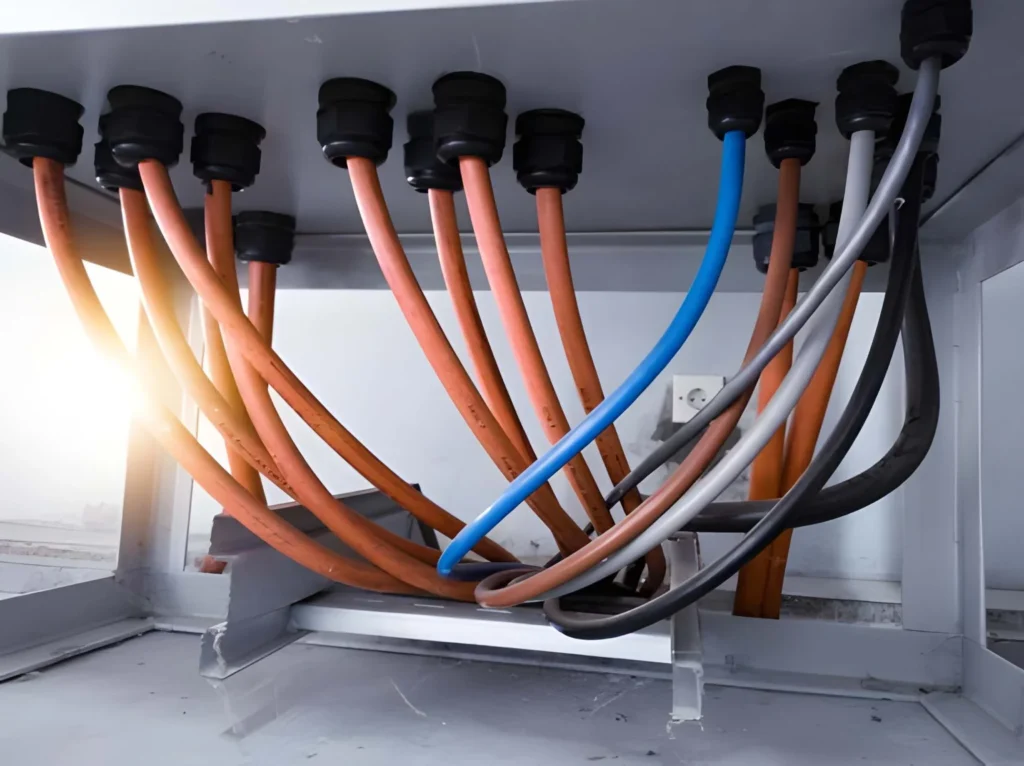
Find top waterproof cable gland suppliers offering IP68 rated, nylon brass and stainless steel glands with custom sizes and fast global shipping
Read More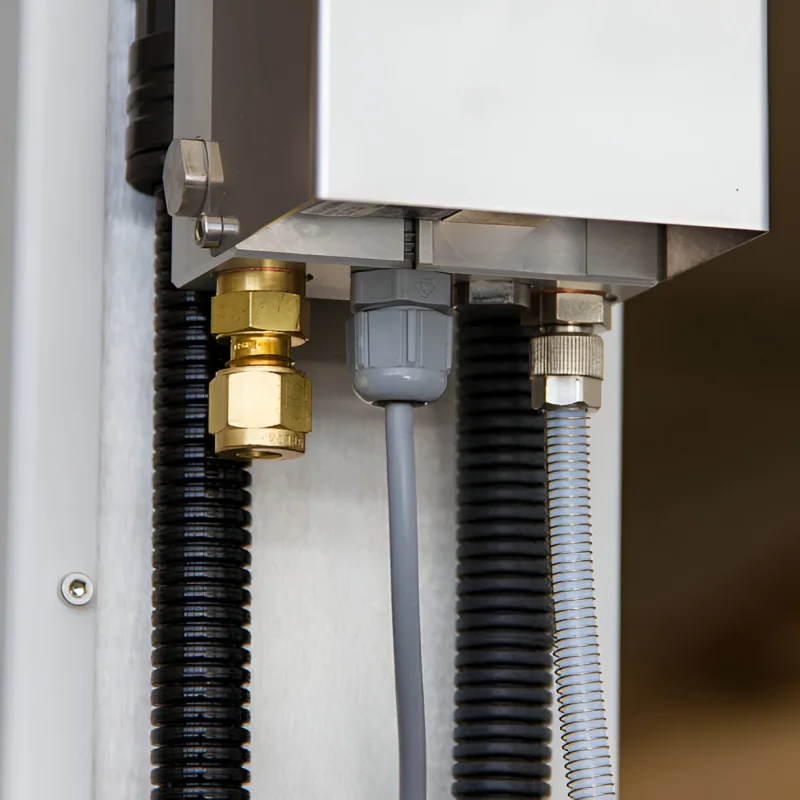
Discover waterproof split cable glands with IP66 IP68 ratings nylon brass stainless steel options ideal for pre-terminated cable installations and retrofitting.
Read More English