Have you ever wondered if a waterproof cable gland can meet the demands of an explosion-proof environment? It’s a common question asked by many professionals working in industrial settings. With increasing safety regulations and diverse application needs, understanding the difference and compatibility between waterproof cable glands and explosion-proof cable glands is crucial.
Both types of cable glands play vital roles in protecting electrical cables, but are they interchangeable? This article will dive into the world of waterproof and explosion-proof cable glands, exploring their definitions, differences, and real-world applicability.
Let’s explore the key differences and find out if using a waterproof cable gland instead of an explosion-proof one is a smart choice—or a risky gamble. Stick with us as we cover everything from industry standards to practical advice, sprinkled with essential tips for selecting the right cable gland for your applications.
What is a Waterproof Cable Gland?
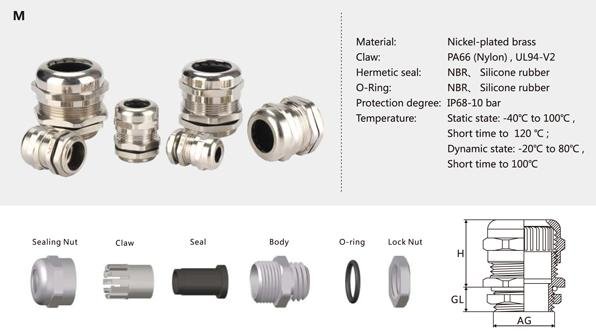
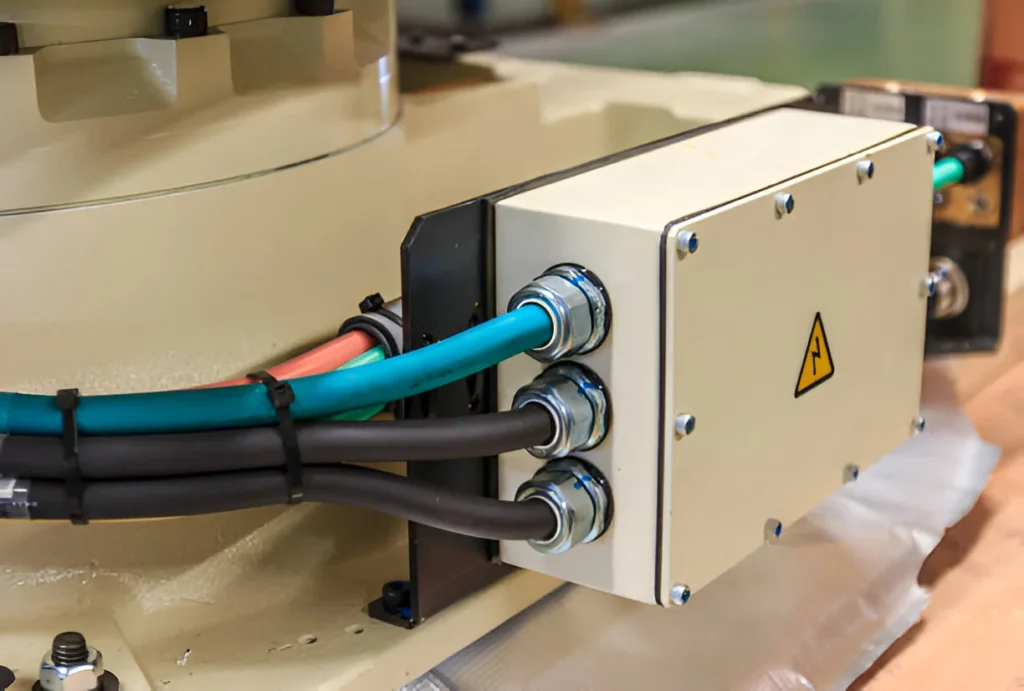
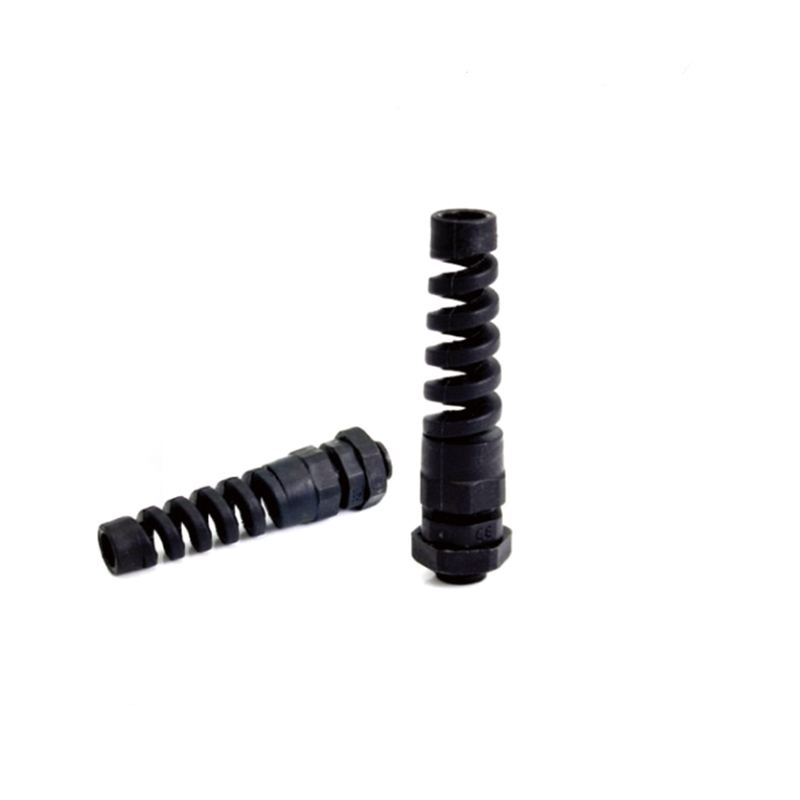
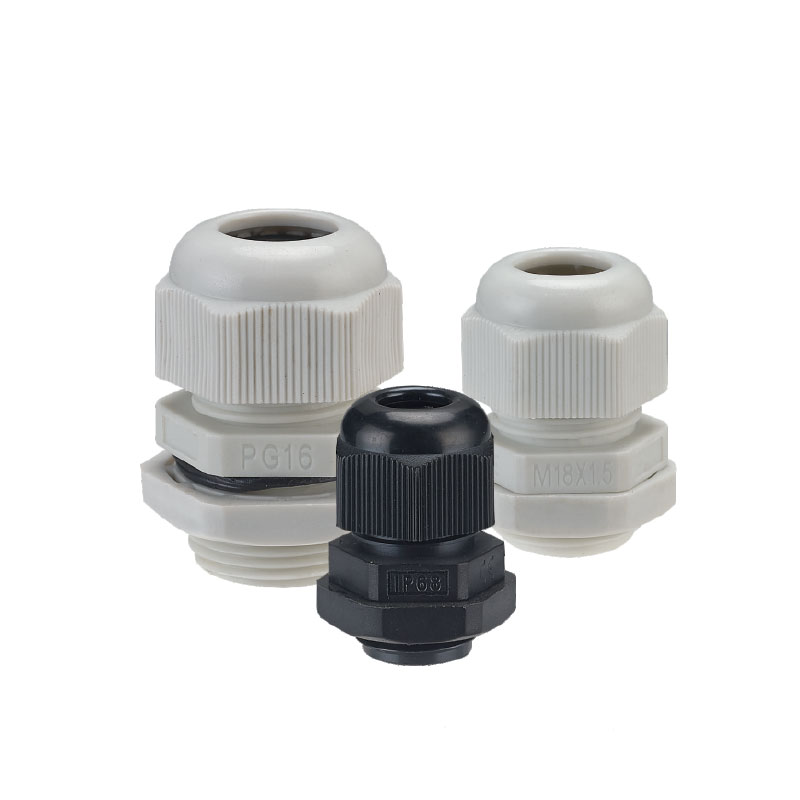
Waterproof cable gland are specially designed to seal the point where the cable enters an enclosure, preventing water and dust from entering. They are mostly used in environments where moisture protection is critical, such as outdoor installations, marine applications, and industrial settings.
Key Features of Waterproof Cable Glands
Sealing Performance: Typically rated with an IP rating, with IP68 being one of the highest for waterproof protection.
Materials: Commonly made from plastic (nylon), brass, or stainless steel to suit different environmental conditions.
Applications: Weatherproof electrical equipment, outdoor lighting, solar panels, and telecommunications.
Feature
Description
Typical Rating/Material
Waterproof Rating
Prevents ingress of water and dust
IP67, IP68
Material Choices
Provides corrosion resistance
Nylon, brass, stainless steel
Common Use Environments
Outdoor, marine, industrial spaces
Factories, telecommunications, solar energy
Waterproof cable glands offer robust protection against harsh weather, but they focus primarily on ingress protection rather than explosion prevention. If you’re interested in products with IP68 ratings for durable outdoor use, you are welcome to contact us for suitable models.
What is an Explosion-Proof Cable Gland?
Explosion-proof cable glands, on the other hand, are designed for hazardous environments where explosive gases or dust may be present. These glands must comply with strict safety certifications like ATEX and IECEx to ensure they contain any sparks or flames that could ignite an explosion.
Key Characteristics of Explosion-Proof Cable Glands
Safety Certifications: ATEX, IECEx, and other regional standards.
Robust Construction: Made from heavy-duty materials like stainless steel or brass, often with additional sealing and locking features.
Applications: Chemical plants, oil and gas facilities, mining, and other hazardous industries.
Feature
Description
Standard/Material
Explosion Safety
Prevents ignition of explosive atmospheres
Certified to ATEX, IECEx
Material Durability
Resists harsh environments
Stainless steel, brass
Usage Environment
Hazardous and explosive atmospheres
Oil refineries, mines, chemical factories
Choosing the right explosion-proof cable gland is essential if safety is your top priority. Feel free to inquire about our certified explosion-proof products tailored to meet these stringent requirements.
Differences Between Waterproof and Explosion-Proof Cable Glands
Despite some similarities, these two types of cable glands differ significantly. Let’s break it down:
Aspect
Waterproof Cable Gland
Explosion-Proof Cable Gland
Primary Function
Protect cable entry from water and dust
Prevent ignition in explosive environments
Certification
IP ratings like IP67, IP68
ATEX, IECEx, other explosion-proof standards
Materials
Nylon, brass, stainless steel
Heavy-duty brass, stainless steel
Design Complexity
Simple sealing mechanisms
Complex sealing and locking mechanisms
Usage Environment
Outdoor, industrial, marine
Hazardous areas with flammable gases or dust
The distinctions are clear: one focuses on water resistance, the other on explosion safety. Can a waterproof cable gland double as an explosion-proof gland? Let’s find out next.
Can Waterproof Cable Glands Replace Explosion-Proof Cable Glands?
The short answer: No, they generally shouldn’t. Explosion-proof cable glands are specially engineered to contain any sparks or explosions within, preventing ignition of surrounding hazardous atmospheres.
Why Not?
Certification and Testing: Explosion-proof glands undergo rigorous testing that waterproof glands do not.
Safety Risks: Using a waterproof gland without explosion-proof certification in hazardous zones can lead to catastrophic fires or explosions.
Legal and Compliance Issues: Many industries have strict regulations requiring certified explosion-proof components.
Case Study Example:
Imagine a chemical plant where explosive gases are present. Installing only a waterproof gland might keep rain out, but it won’t stop a spark from causing a disaster. In such cases, only explosion-proof glands guarantee safety.
Consideration
Risk of Using Waterproof Instead
Safe Practice
Safety Compliance
Non-compliant with explosion standards
Use ATEX/IECEx certified glands
Fire and Explosion Hazard
High risk of ignition
Zero ignition risk with proper glands
Insurance and Liability
Potential coverage issues
Full coverage when standards met
If your environment involves explosive gases or dust, choosing certified explosion-proof glands is non-negotiable. Contact us for detailed technical advice on selecting the right products for your industry.
If you need sourcing advice or want to explore our range of premium explosion-proof and waterproof cable gland.
Navigating the options can be tricky. Here’s a simple guide to help you choose:
Step 1️⃣: Identify the Environment
Is it wet or dry? Use waterproof glands for wet locations.
Is it hazardous with explosive gases or dust? Choose explosion-proof glands.
Step 2️⃣: Check Certification Requirements
For hazardous zones, confirm ATEX, IECEx or local certifications.
For outdoor or general industrial use, look for IP ratings such as IP67 or IP68.
Step 3️⃣: Match Cable Type and Size
Ensure compatibility with the cable diameter and type (armored vs non-armored).
Proper sealing requires correct fit.
Step 4️⃣: Consider Material and Durability
Stainless steel for corrosive environments.
Brass or nylon for less demanding conditions.
Step
Question to Ask
Key Factors
Environment
Wet, dry, or explosive?
Waterproof or explosion-proof rating
Certification
Required certifications?
ATEX, IECEx for hazardous areas
Cable Fit
Cable diameter and construction
Accurate size and sealing mechanism
Material
Environment corrosiveness and strength
Brass, stainless steel, nylon options
Our product specialists are always ready to assist you with bespoke recommendations based on your project’s unique requirements. Don’t hesitate to request a consultation.
In summary, while both waterproof and explosion-proof cable gland serve to protect electrical cable entries, their purposes are distinct. Waterproof cable glands focus on preventing water ingress, typically certified by IP ratings, perfect for outdoor or wet conditions.
Explosion-proof cable glands, however, are specially designed and certified to prevent ignition in explosive environments, complying with strict safety standards like ATEX and IECEx.
Using a waterproof cable gland in place of an explosion-proof one is usually unsafe and non-compliant. Always assess your application environment carefully and choose certified products to ensure safety and reliability.
FAQ
Q1: Can a waterproof cable gland be used in outdoor hazardous locations?
Waterproof glands protect against water but don’t have explosion-proof certifications required for hazardous locations. Use explosion-proof glands in such areas.
Q2: What does IP68 mean in waterproof cable glands?
IP68 indicates complete protection from dust and continuous immersion in water beyond 1 meter, making it suitable for tough outdoor conditions.
Q3: Why are explosion-proof cable glands heavier?
Their robust construction and additional safety features increase weight to contain any explosion inside the gland.
Q4: Are there cable glands that are both waterproof and explosion-proof?
Yes, some glands offer dual features with certifications like ATEX and IP68. These are ideal for hazardous outdoor applications.
Waterproof cable gland play a vital role in modern industries, especially in the B2B sector. They not only ensure the sealing of cable connections, preventing water and dust ingress, but also enhance the overall safety and stability of electrical systems. Did you know that improper installation of cable glands can not only shorten equipment lifespan […]
Have you ever struggled to choose the right cable gland? Don’t worry-you’re not alone! Cable gland may be small, but they play a key role in ensuring the safety and stability of your electrical systems. Whether you’re in industrial automation, petrochemicals, or marine engineering, choosing the wrong cable gland can lead to water leaks, short […]
We use cookies to enhance your browsing experience, serve personalised ads or content, and analyse our traffic. By clicking "Accept All", you consent to our use of cookies.