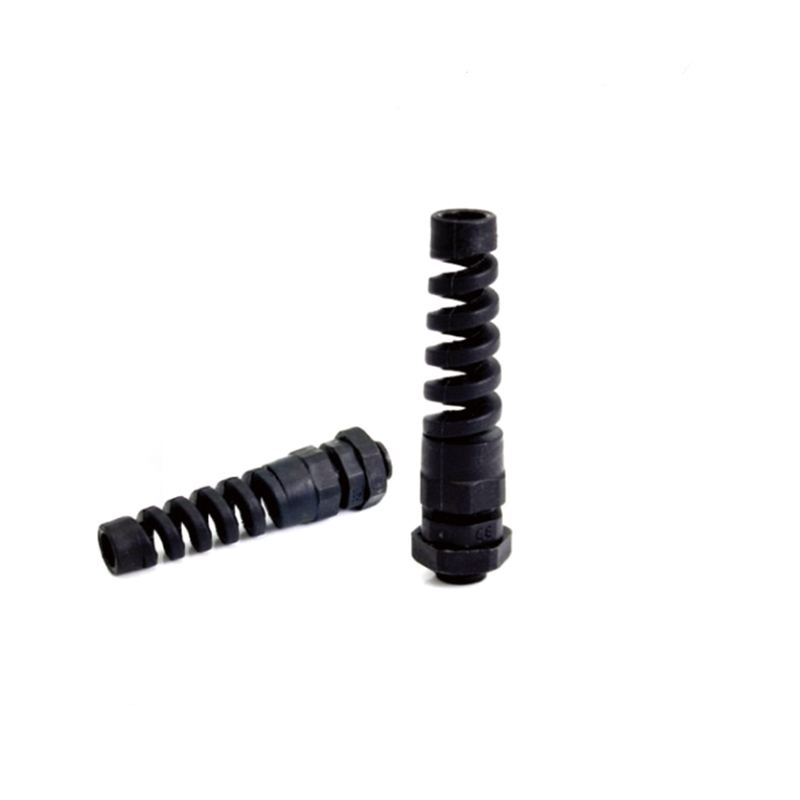
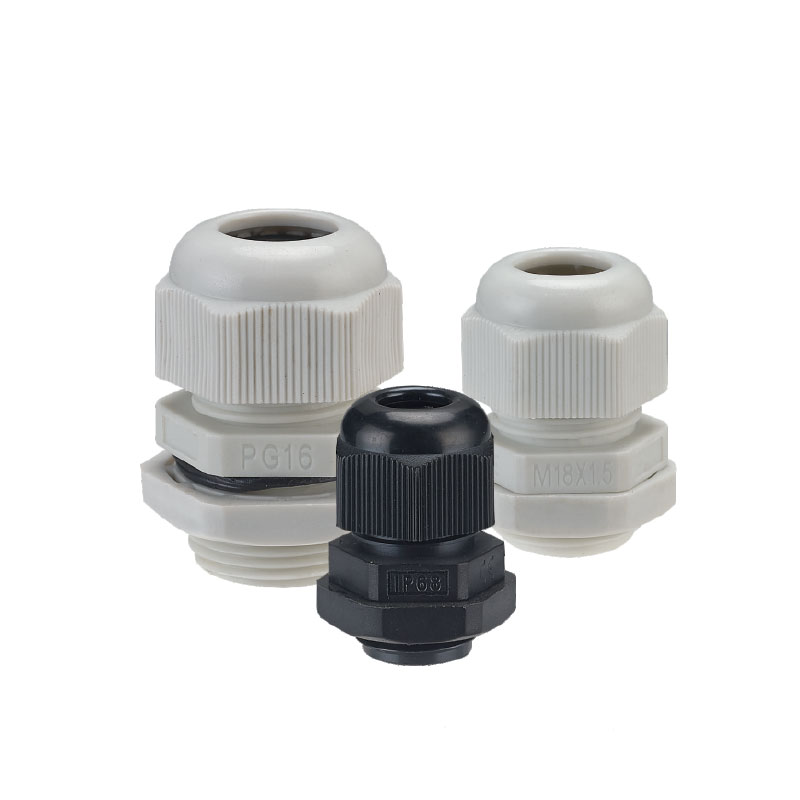
When it comes to protecting electrical connections, choosing the right waterproof cable gland is crucial. These small yet mighty components ensure cables remain secure and dry, even in challenging environments. But with so many materials available, especially plastic and metal, how do you decide? What are the differences, and which fits your specific needs?
This article will guide you through the key differences between plastic and metal waterproof cable glands, helping you understand their characteristics, advantages, and ideal applications. Whether you’re specifying for an industrial site or an indoor project, knowing when to use plastic vs metal can save you time, money, and headaches down the line.
What Is a Waterproof Cable Gland and Its Role?
Before we compare materials, let’s clarify what a waterproof cable gland is and why it matters.
A cable gland is a device designed to seal the end of an electrical cable to an enclosure or piece of equipment. A waterproof cable gland specifically prevents water ingress, protecting sensitive electrical components from moisture damage.
Common uses of waterproof cable glands include:
Outdoor electrical installations
Industrial machinery in wet environments
Marine and offshore electrical systems
Telecommunications and networking setups
Feature
Description
Function
Seal cable to enclosure and provide strain relief
Importance
Protect equipment from water, dust, and mechanical stress
Environments
Industrial, outdoor, marine, hazardous zones
Understanding this function helps explain why material choice impacts performance so much. After all, the gland must resist environment-specific challenges while maintaining a tight seal.
Characteristics of Plastic Waterproof Cable Glands
Plastic cable glands are widely used due to their unique benefits. Here’s what makes them popular:
Lightweight and Flexible: Plastic is lighter than metal, making installation easier especially in large-scale or overhead projects.
Corrosion Resistance: Plastic does not rust or corrode, making it ideal for humid or mildly corrosive environments.
Cost-Effective: Plastic glands are generally more affordable, offering an economical choice for many applications.
Non-Conductive: They don’t carry electrical currents, providing extra safety in some contexts.
Ideal environments for plastic cable glands:
Indoor setups with occasional moisture exposure
Agriculture and food processing (where corrosion resistance is key)
Environments with low mechanical stress
Property
Plastic Cable Gland
Typical Benefits
Weight
Light
Easier installation
Corrosion Resistance
Excellent
Long-lasting in humid/wet areas
Electrical Conductivity
None
Safe for electrical insulation
Cost
Low
Budget-friendly option
Dive Deeper:Plastic cable glands shine in places where moisture is present but extreme mechanical strength isn’t required. For example, a plastic waterproof cable gland in a greenhouse or residential outdoor lighting provides reliable sealing without the weight or cost penalty of metal. Moreover, advances in plastic technology, such as UV-resistant compounds, extend their durability even further. This makes them excellent for outdoor use when not exposed to heavy impacts or high temperatures.
Characteristics of Metal Waterproof Cable Glands
Metal cable glands, often made of stainless steel or brass, bring a different set of strengths:
High Mechanical Strength: Resistant to impact, crushing, and high pressure.
Thermal Resistance: Can withstand higher temperatures without deformation.
Durability: Longer lifespan in harsh conditions, including chemical exposure and UV radiation.
Shielding Abilities: Metal glands can provide electromagnetic interference (EMI) shielding, which plastic cannot.
Best suited for:
Industrial environments with heavy machinery
High-temperature areas, like factories or power plants
Outdoor installations exposed to harsh weather, UV, and chemicals
Property
Metal Cable Gland
Typical Benefits
Material
Stainless Steel, Brass
Strong and durable
Impact Resistance
High
Protection against mechanical stress
Temperature Tolerance
High
Suitable for extreme heat
EMI Shielding
Yes
Reduces signal interference
Dive Deeper:In industrial or marine environments, metal waterproof cable glands are often indispensable. Their ability to resist physical damage and extreme conditions ensures cable protection and operational safety. For example, offshore oil platforms rely on stainless steel glands to withstand corrosive saltwater and extreme weather. Similarly, factories with heavy equipment benefit from the gland’s robust construction and EMI shielding to maintain electrical integrity in noisy electromagnetic conditions.
Plastic vs Metal Waterproof Cable Glands Direct Comparison
Choosing between plastic and metal often comes down to weighing their specific strengths against your environment’s demands. Here’s a detailed comparison table:
Feature
Plastic Waterproof Cable Gland
Metal Waterproof Cable Gland
Weight
Lightweight
Heavier
Corrosion Resistance
Excellent in mild environments
Excellent in harsh or chemical environments
Mechanical Strength
Moderate
High
Temperature Resistance
Moderate (~80°C max)
High (up to 200°C or more)
Cost
Lower
Higher
EMI Shielding
No
Yes
Installation Ease
Easy
Moderate due to weight
Suitable Environments
Indoor, low-impact, mild moisture
Industrial, high-impact, outdoor, chemical exposure
Need help selecting?
Contact us for personalized advice on plastic vs metal waterproof cable gland!
Choosing the right waterproof cable gland depends heavily on your specific project conditions. Here’s a quick guide:
Environment
Recommended Material
Reason
Indoor, low moisture
Plastic
Cost-effective and sufficient sealing
Humid, mildly corrosive
Plastic
Excellent corrosion resistance
Industrial factory
Metal
High mechanical and thermal resistance needed
Outdoor, exposed to UV
Metal or UV-resistant plastic
Metal preferred; plastic must be UV stabilized
Marine/offshore
Metal (stainless steel)
Withstands saltwater and harsh climates
Dive Deeper:Outdoor environments pose unique challenges. Direct sunlight can degrade some plastics, which is why UV-resistant compounds are necessary if plastic glands are chosen. On the other hand, metal glands, especially stainless steel, can resist both UV and corrosion, extending equipment lifetime significantly. In industrial settings where temperatures fluctuate dramatically or cables face mechanical stress, metal glands are often the best investment despite their higher initial cost.
Key Buying Considerations for Waterproof Cable Glands
Selecting the perfect gland is about more than just material. Here are some critical factors to ensure you get it right:
IP Rating: Look for the appropriate Ingress Protection rating, commonly IP67 or above for waterproofing.
Size and Thread Compatibility: Ensure compatibility with cable diameter and housing thread size.
Certification: Confirm if the gland complies with relevant standards (e.g., UL, ATEX for hazardous locations).
Environmental Compatibility: Verify resistance to chemicals, UV light, and temperature for your use case.
Consideration
Advice
IP Rating
Aim for IP67 or higher for strong waterproofing
Cable Size
Match gland size carefully for proper sealing
Certifications
Choose glands tested to your region’s safety standards
Environmental Resistance
Consider chemical, UV, temperature resistance
Choosing between plastic and metal waterproof cable glands boils down to balancing environmental conditions, mechanical demands, and budget. Plastic cable glands excel in lighter-duty, cost-sensitive scenarios with moderate moisture, while metal glands are indispensable in heavy-duty, industrial, and harsh outdoor environments.
Understanding these differences and matching them to your specific needs will help safeguard your electrical installations effectively.
Ready to find the perfect waterproof cable gland for your project? Feel free to explore our wide selection or contact us for expert advice tailored to your needs. Together, we’ll ensure your cables stay safe and dry, no matter where your project takes you!
FAQ
Q1: What does the IP rating mean for waterproof cable glands?
IP or Ingress Protection rating defines how well the gland protects against water and dust. For waterproof glands, IP67 or IP68 are common. IP67 means protection against temporary immersion in water; IP68 indicates protection against continuous immersion.
Q2: Which is more UV resistant, plastic or metal cable glands?
Metal glands, especially stainless steel, naturally resist UV damage. Plastic glands require special UV-resistant coatings or materials to handle extended sun exposure.
Q3: Can I mix plastic and metal glands in one installation?
It’s possible but generally not recommended for consistency and ease of maintenance. Differences in thermal expansion and corrosion resistance can cause issues over time.
Q4: How important is correct installation?
Very important! Proper torque and cable preparation ensure the gland seals perfectly, preventing leaks and failures.
Q5: What are common faults with waterproof cable glands?
Leaks due to improper sealing, cracking in plastic due to UV overexposure, corrosion in lower-quality metal glands, and mechanical damage from impact.
Waterproof cable gland play a vital role in the B2B market. Whether you are a solar equipment manufacturer, marine engineering contractor, or industrial automation integrator, choosing the right waterproof cable gland directly affects the durability and safety of your devices. Have you ever wondered what keeps our cables safe and sound, even in heavy rain […]
Cable gland are essential components in industrial electrical systems. They not only secure cables but also provide effective sealing to prevent dust, moisture, and other harmful substances from entering your equipment. This ensures the safety and stability of electrical connections. Whether in power, communications, or automation industries, choosing the right Cable connector is the foundation […]
Have you ever wondered how those seemingly insignificant little devices ensure that cables remain safe and reliable in wet or harsh environments? This is the secret behind the Waterproof Cable Gland. Acting as the “gatekeeper” for cables entering and exiting equipment, it not only achieves a secure connection but also protects cables from moisture, dust, and […]
We use cookies to enhance your browsing experience, serve personalised ads or content, and analyse our traffic. By clicking "Accept All", you consent to our use of cookies.