In modern industrial and construction projects, waterproof cable gland play an essential role in protecting cables from moisture and contaminants. They ensure the sealing at cable connections, guaranteeing the safety and stable operation of electrical equipment. With the increasing demand for high-performance waterproof cable glands in the market, choosing the right material for glands is a key issue faced by engineers and procurement professionals.
So, what are the differences between cable glands made from various materials in terms of performance, durability, cost, and application environments? This article will analyze the core performance indicators and project application comparisons in detail, helping you scientifically choose according to your actual needs. Whether you work in outdoor engineering, chemical plants, or marine platforms, you will find suitable cable gland solutions here.
Let’s explore the core performance of waterproof cable glands and the pros and cons of common materials to help you make the best choice. Shall we get started?
Key Performance Indicators of Waterproof Cable Gland
To choose the right waterproof cable gland, you first need to understand its key performance indicators. Here are some important factors to evaluate cable glands:
Key Performance Indicators
Description
Waterproof rating (IP code)
Describes the product’s resistance to water and dust, such as IP65, IP67, IP68; IP68 is suitable for long-term underwater use.
Corrosion resistance
The material’s ability to resist chemical and environmental corrosion, determining service life.
Temperature range
The temperature range within which the product operates reliably, suitable for high or low temperature environments.
Mechanical strength
The hardness and resistance to impact and pressure, ensuring firm and durable connections.
Electrical safety
Prevents electrical leakage or short circuit, ensuring system safety.
Sealing effectiveness and lifespan
The seal ring and structural design determine the durability and reliability of the waterproof function.
Common Cable Gland Materials and Their Characteristics
Different materials of waterproof cable glands have different performances and application scenarios. It’s especially important to combine the above performance indicators with project requirements when choosing materials.
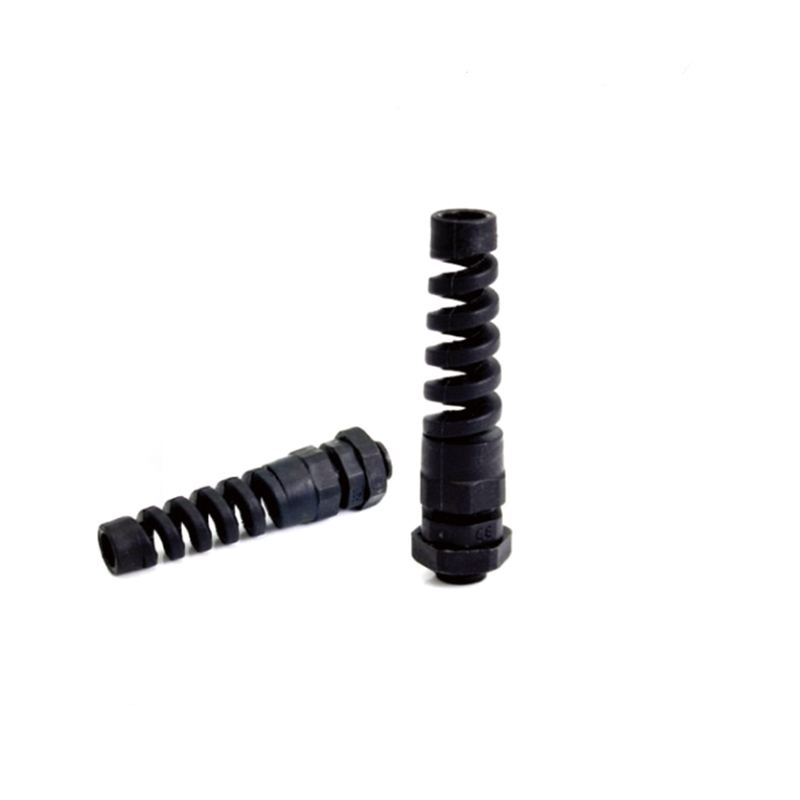
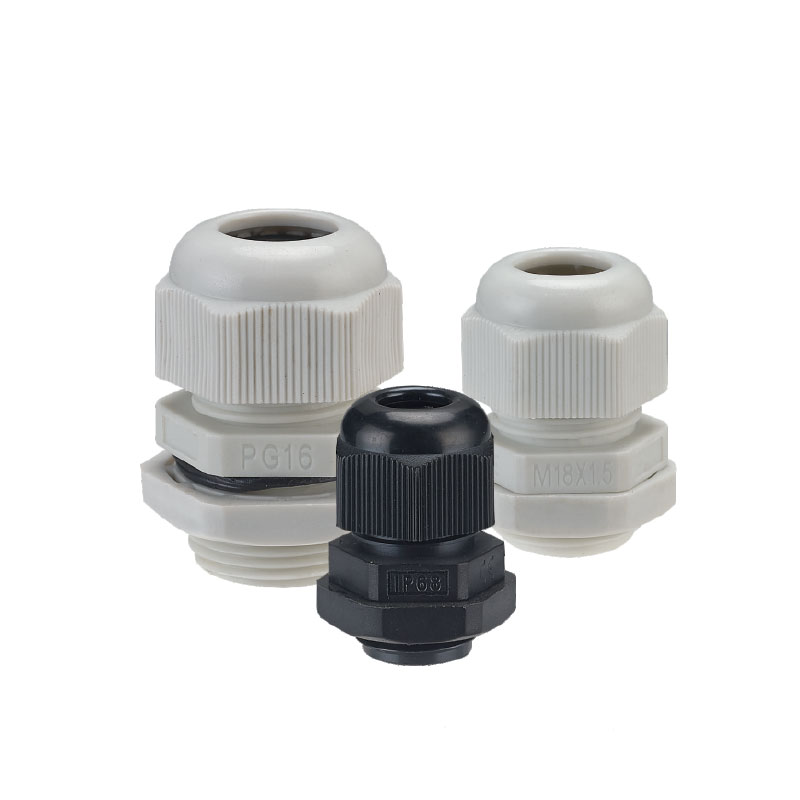
❶ Nylon Cable Glands
Material characteristics: Lightweight, corrosion-resistant, wear-resistant, with good insulation performance.
Temperature range: -40°C to +120°C.
Waterproof rating: Usually up to IP68.
Advantages: Cost-effective, flexible installation, suitable for indoor and light industrial environments.
Typical applications: Automation equipment, communication devices, electric vehicles.
❷ Brass Cable Glands
Material characteristics: High strength, good mechanical performance, excellent wear resistance and electrical conductivity.
Temperature range: -20°C to +100°C.
Waterproof rating: Usually up to IP68.
Advantages: Suitable for outdoor and high-pressure conditions, good corrosion resistance, long service life.
Typical applications: Industrial automation, oil and gas, marine engineering.
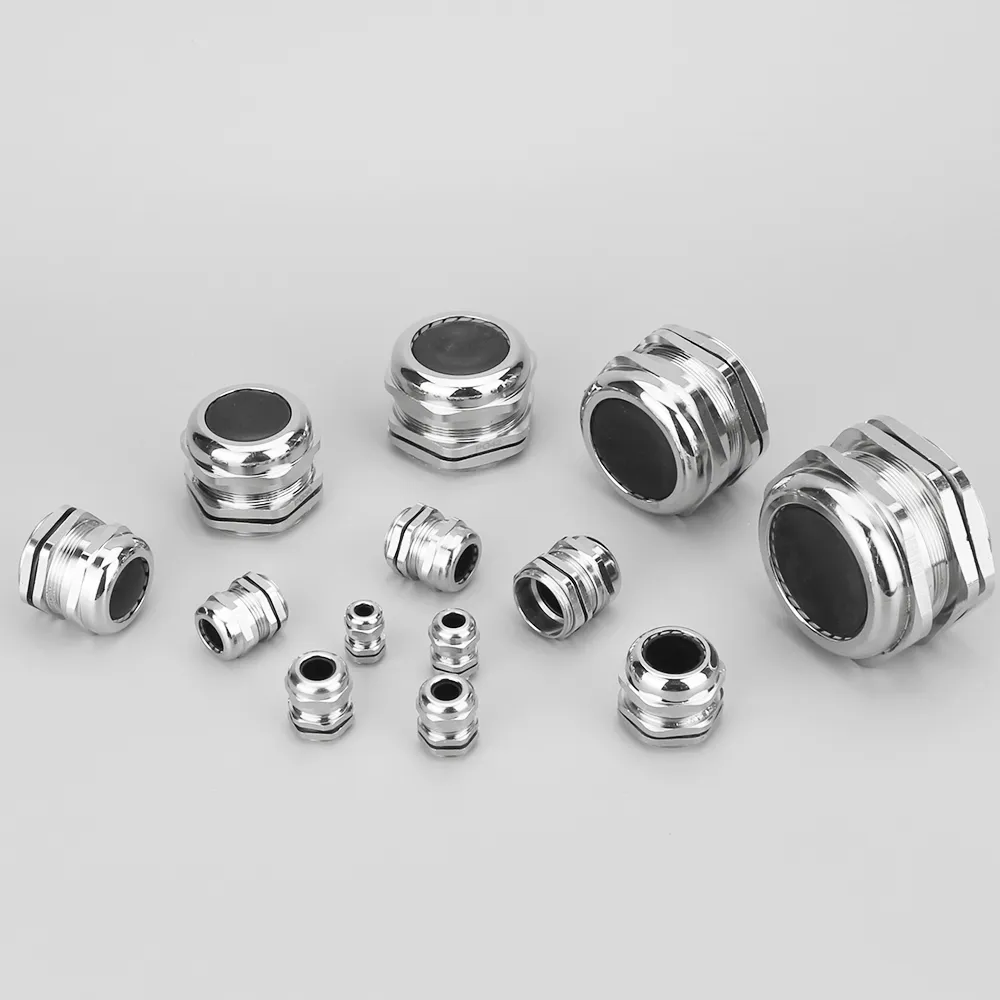
❸ Stainless Steel Cable Glands
Material characteristics: Extremely strong corrosion and high-temperature resistance, able to withstand harsh environments.
Temperature range: Can exceed 200°C.
Waterproof rating: Most models reach IP68 or IP69K.
Advantages: Suitable for marine, chemical, petroleum, and other harsh environments; low maintenance costs.
Typical applications: Marine engineering, chemical plants, food processing factories.
❹ Other Special Materials
Material
Features
Suitable Scenarios
Aluminum alloy
Lightweight with some corrosion resistance; moderate strength.
Light industry, non-extreme environments
Polycarbonate
Transparent, impact-resistant, good insulation properties.
Comparison of Different Materials in Practical Projects
When selecting materials, consider the actual project environment, working conditions, and budget comprehensively:
Project Environment
Nylon
Brass
Stainless Steel
Other Special Materials
Outdoor
Moderate use
Excellent; good corrosion and weather resistance
Excellent, especially for marine and harsh environments
Depends on specific material; moderate use
Chemical plant
Limited chemical resistance
Good
Excellent corrosion resistance
Flame-retardant, eco-friendly preferred
Marine engineering
Not recommended
Usable
Highly recommended
Depends on project needs
High-temperature
Up to 120°C
Up to 100°C
Over 200°C
Depends on material features
Waterproof rating
IP68
IP68
IP68 or higher
Most between IP65-IP68 depending on design
Budget & lifespan
Economical; shorter lifespan
Medium to high; longer lifespan
Higher price; longest lifespan
Price varies by material
Maintenance frequency
Easy to maintain and replace
Moderate
Low maintenance; long life
Depends on material and environment
Practical Tips and Considerations for Selection
Here are several practical tips when purchasing and installing waterproof cable glands:
Understand project environment conditions: Clarify working temperature range, humidity, chemical exposure, etc., and choose suitable materials accordingly.
Focus on waterproof sealing design: High-quality rubber seals and locking mechanisms are critical for waterproofing. Proper tightening torque is essential during installation.
Check for certifications and standards: Some projects require ATEX explosion-proof certifications, UL, CE, or others.
Match cable diameter: Proper sizing prevents poor sealing or water leakage caused by incorrect fit.
Consider maintenance convenience: Choose durable and low-maintenance materials to reduce long-term costs.
How to choose waterproof cable glands? Consider environmental conditions, IP rating, material, and cable specifications to ensure sealing and mechanical properties meet requirements.
Difference between waterproof and dustproof cable glands Waterproof glands focus on water resistance, while dustproof glands prevent solid particles; their suitable environments differ.
Recommended waterproof cable glands for outdoor use Brass and stainless steel materials are preferred for outdoor environments, especially marine and high-corrosion areas.
Durable waterproof cable glands for high-temperature environments Stainless steel cable glands perform well in high-temperature operations due to excellent heat resistance.
Explosion-proof waterproof cable gland selection guide Choose ATEX or IECEx compliant glands made from brass or stainless steel for explosion-proof applications.
Choosing the right waterproof cable gland for your project is key to ensuring the safe and stable operation of your electrical system. Nylon, brass, stainless steel, and other materials each have advantages and suit different environments and budgets.
It is recommended to consider project environment, IP protection level, temperature range, and mechanical strength comprehensively. Don’t forget, high-quality sealing design and correct installation are just as important.
If you are still unsure about selection, feel free to contact us. Our professional team can tailor the optimal solution for your project. Together, let’s build a solid waterproof barrier for your work!
FAQ
Q1: What is a waterproof cable gland?
A waterproof cable gland is a device that seals the cable entry point to protect electrical cables from water and contaminants, ensuring electrical safety and reliability.
Q2: How do I choose the right material for my cable gland?
Consider your project’s environment, temperature, exposure to chemicals, mechanical stresses, and budget. Nylon suits indoor and light use, brass works well outdoors, and stainless steel fits harsh environments.
Q3: What does IP68 mean?
IP68 indicates that the product is dust-tight and can survive continuous immersion in water, making it ideal for harsh or underwater conditions.
Q4: Can I use nylon cable glands outdoors?
Nylon glands can be used outdoors in moderate conditions, but for highly corrosive or extreme environments, brass or stainless steel is preferred.
Q5: Are there explosion-proof waterproof cable glands?
Yes, some cable glands are certified explosion-proof (ATEX, IECEx) and made from brass or stainless steel, suitable for hazardous areas.
Waterproof cable gland play a vital role in modern industries, especially in the B2B sector. They not only ensure the sealing of cable connections, preventing water and dust ingress, but also enhance the overall safety and stability of electrical systems. Did you know that improper installation of cable glands can not only shorten equipment lifespan […]
Cable gland are small components, but they sit at every cable entry point in your panel, enclosure or machine, and they do three jobs at once: they hold the cable mechanically, they seal the opening against dust and water, and — depending on the type — they provide earthing or electromagnetic shielding. Specify the wrong […]
Waterproof cable gland play a vital role in the B2B market. Whether you are a solar equipment manufacturer, marine engineering contractor, or industrial automation integrator, choosing the right waterproof cable gland directly affects the durability and safety of your devices. Have you ever wondered what keeps our cables safe and sound, even in heavy rain […]
We use cookies to enhance your browsing experience, serve personalised ads or content, and analyse our traffic. By clicking "Accept All", you consent to our use of cookies.