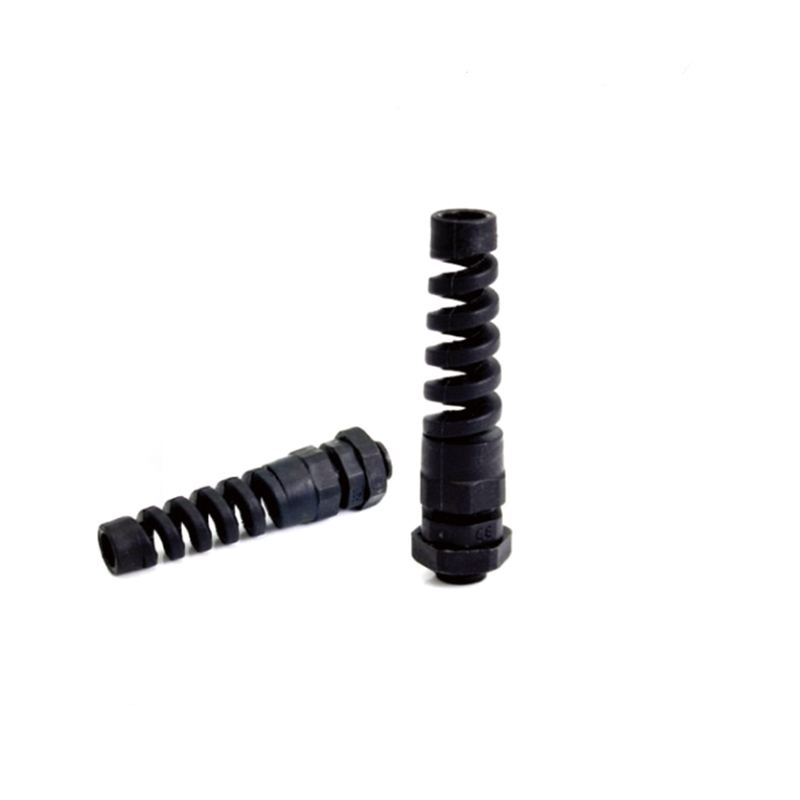
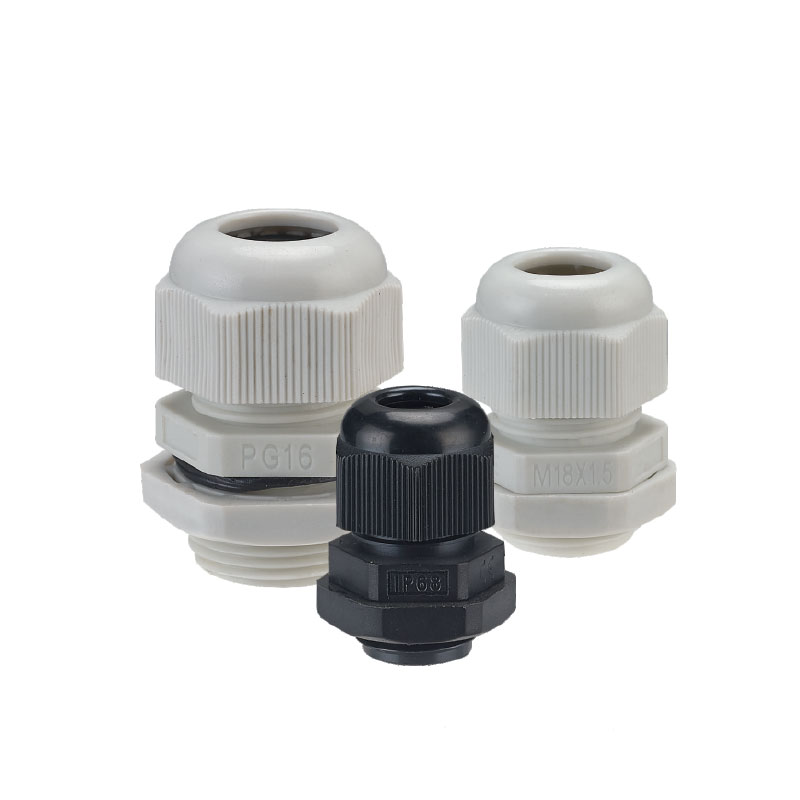
Waterproof Cable Gland
Waterproof Split Cable Glands Guide
Discover waterproof split cable glands with IP66 IP68 ratings nylon brass stainless steel options ideal for pre-terminated cable installations and retrofitting.
Read More

Waterproof cable gland play a vital role in modern industries, especially in the B2B sector. They not only ensure the sealing of cable connections, preventing water and dust ingress, but also enhance the overall safety and stability of electrical systems. Did you know that improper installation of cable glands can not only shorten equipment lifespan but also cause serious safety hazards?
This article will guide you through the installation, maintenance, common faults, and important precautions for waterproof cable glands. We will also share some practical installation tips and long-tail keywords to help improve your product’s search engine visibility. Whether you are a technician or a purchasing decision-maker, this article will provide you with valuable insights and guidance.
Installing a waterproof cable gland is not just a simple matter of “tightening”; it requires careful preparation and precise operation. Below are the key installation steps:
| Step No. | Installation Step | Details |
|---|---|---|
| 1 | Choose the right model and material | Select based on cable diameter and environment; stainless steel or corrosion-resistant materials are recommended |
| 2 | Preparation before installation | Clean cable surface and connection area; ensure no dust or grease |
| 3 | Inspect components | Disassemble gland, check sealing ring, locknut, and other parts for damage |
| 4 | Pass cable through the gland body | Ensure cable fully fills sealing area without damaging insulation |
| 5 | Adjust fasteners | Tighten according to manufacturer’s specifications to prevent leaks |
| 6 | Complete installation and test | Check for any gaps and tight sealing; water ingress testing is recommended |

Installation Tips:
A properly installed cable gland is like buying insurance for your electrical equipment. What are you waiting for? Learn these key installation points and keep your equipment safe from water damage!
Good maintenance leads to a longer service life. Maintaining waterproof cable glands involves more than simple cleaning; it requires regular inspection and timely replacement of critical parts.
| Maintenance Item | Specific Actions | Applicable Environments |
|---|---|---|
| Regular inspections | Check sealing rings and tightness quarterly; replace if cracked | Marine environments, industrial exhaust zones |
| Cleaning and lubrication | Use non-corrosive cleaning agents; lightly lubricate sealing rings | High humidity workshops |
| Seal ring replacement | Replace seals according to specifications, especially if aged or damaged | Various industrial settings |
| Anti-corrosion measures | Apply protective coatings and use corrosion-resistant materials | Marine and chemical plants |
| Environmental adaptability | Adjust material and maintenance frequency based on environment | Salt spray, electrolyte sites |
Wondering how to know if a metal cable gland still seals well? Gently check the sealing ring for hardening, cracks, or contamination. A good seal ensures no leakage; aged or damaged seals inevitably cause water ingress risks.
Protecting your investment means adding a shield to your equipment! Consistent maintenance lets your cable glands perform at their best. Don’t underestimate these simple steps—they are critical for stable equipment operation.

Take action now! Select the right waterproof cable gland and safeguard your equipment’s safety.
Even the most reliable waterproof cable glands can encounter faults. Knowing common issues and their fixes is essential for every maintenance engineer.
| Fault Type | Possible Cause | Solution |
|---|---|---|
| Seal failure/leak | Seal aging, improper or damaged installation | Replace seal and reinstall correctly |
| Cable damage | Over-tightening, external impact, aging | Replace damaged cable; avoid overtightening |
| Loose connections | Vibration, temperature changes, loose installation | Regularly check and tighten |
| Corrosion damage | Chemical corrosion, unprotected salt spray environments | Use corrosion-resistant materials and regular anti-corrosion treatment |
| Safety hazards | Leakage, short circuit, water ingress causing equipment failure | Conduct regular inspections and timely replacements |
Don’t forget to combine inspections with the operating environment and equipment conditions for targeted troubleshooting. Prevention is better than cure—being proactive helps you spot problems before they happen.
Once installed, these tips will help you use waterproof cable glands with confidence:

| Precaution Item | Specific Advice | Related Long-tail Keywords |
|---|---|---|
| Size matching | Accurately measure cable diameter; refer to manufacturer sizing charts | waterproof cable gland installation precautions |
| Use of certified products | Purchase products complying with relevant certification standards | waterproof cable gland certification standards |
| Avoid overtightening | Apply appropriate force to protect seals and cables | waterproof cable gland usage tips |
| Environmental resistance | Choose materials and designs suitable for application environments | waterproof cable gland environmental resistance |
Although small, waterproof cable glands play a big role in electrical systems. Proper installation, scientific maintenance, timely troubleshooting, and adherence to precautions are the secrets to ensuring long-term stable operation.
Choosing high-quality waterproof cable gland is like adding a strong safety shield to your projects. If you face any installation difficulties, remember to consult professional suppliers. They can provide expert installation guidance and after-sales service. Don’t wait for accidents to happen before taking action. Correct use and maintenance of brass cable glands keep your equipment online and safe!
A waterproof cable gland is a device that seals and secures the end of an electrical cable where it enters equipment or enclosures, preventing water, dust, and contaminants from entering and protecting the cable connection.
It uses high-quality sealing rings or gaskets combined with a tight compression mechanism inside the gland body, often rated by IP codes (e.g., IP68), ensuring effective protection against water and dust ingress.
IP68 means the gland is dust-tight and can withstand continuous immersion in water beyond 1 meter depth for a specified period, making it suitable for harsh wet environments.
No, only cable glands with the appropriate waterproof rating (such as IP68) and durable material like brass or stainless steel are suitable for underwater or highly damp environments.
Select a gland that matches the cable diameter precisely according to manufacturer sizing charts to ensure a tight seal and prevent water ingress.
Regular inspection of sealing rings and tightening, cleaning with non-corrosive agents, replacing seals when showing signs of wear, and applying anti-corrosion treatments if used in harsh environments.
Common issues include seal aging or damage leading to leaks, cable damage due to overtightening, loose fittings caused by vibration, and corrosion in aggressive environments.
Brass glands typically offer superior durability, corrosion resistance, and sealing capability, making them more suitable for industrial, marine, or outdoor applications compared to plastic (nylon) glands.
Follow manufacturer instructions carefully: clean the cable and gland parts, avoid overtightening, ensure proper cable filling in the seal area, and conduct water ingress tests if possible.
They are commonly used in marine installations, outdoor lighting, industrial machinery, renewable energy systems, underground works, and any environment exposed to moisture or harsh conditions.
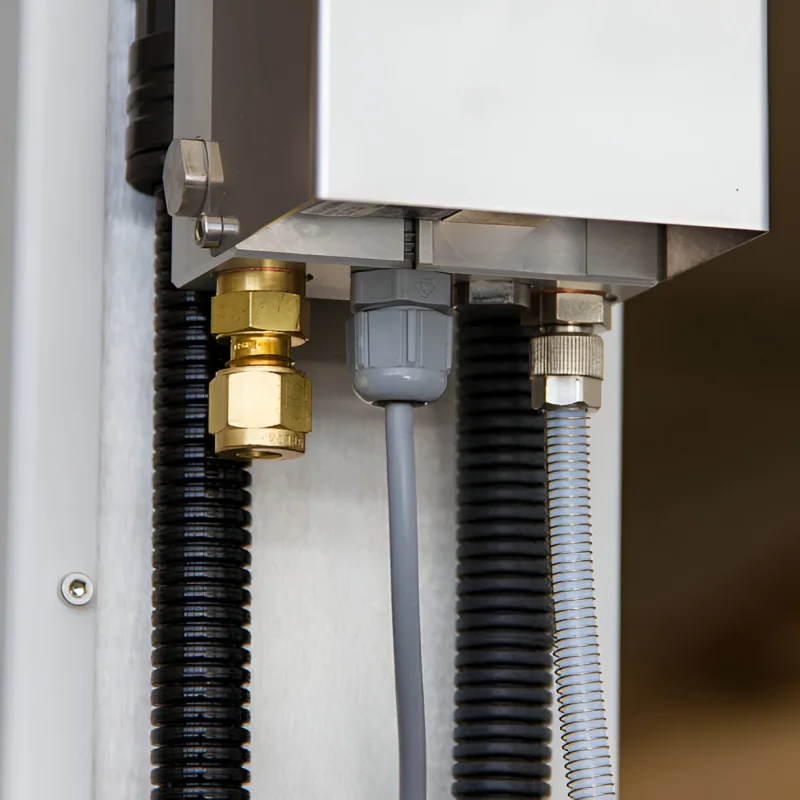
Discover waterproof split cable glands with IP66 IP68 ratings nylon brass stainless steel options ideal for pre-terminated cable installations and retrofitting.
Read More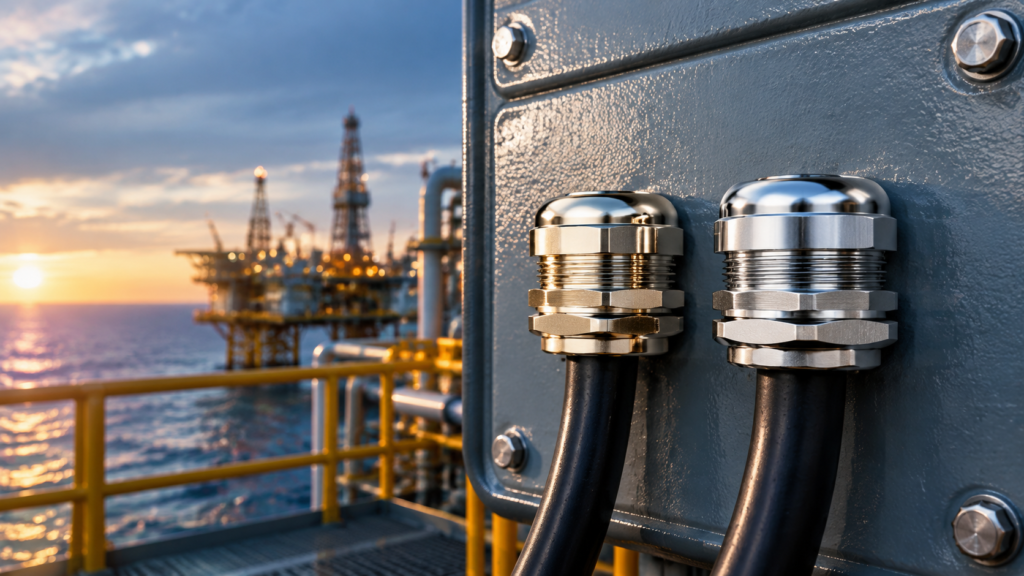
How to select hazardous area cable glands: read the classification drawing and enclosure certificate first, then match sealing method, cable range, material and IP to your process.
Read More
When I speak with buyers, I notice the same pattern again and again: everyone asks for a “Waterproof Cable Gland” but what they actually need is a reliable sealing solution that matches cable size, enclosure type, operating environment, and purchasing risk. That is exactly why choosing among waterproof cable gland suppliers is not a small […]
Read More