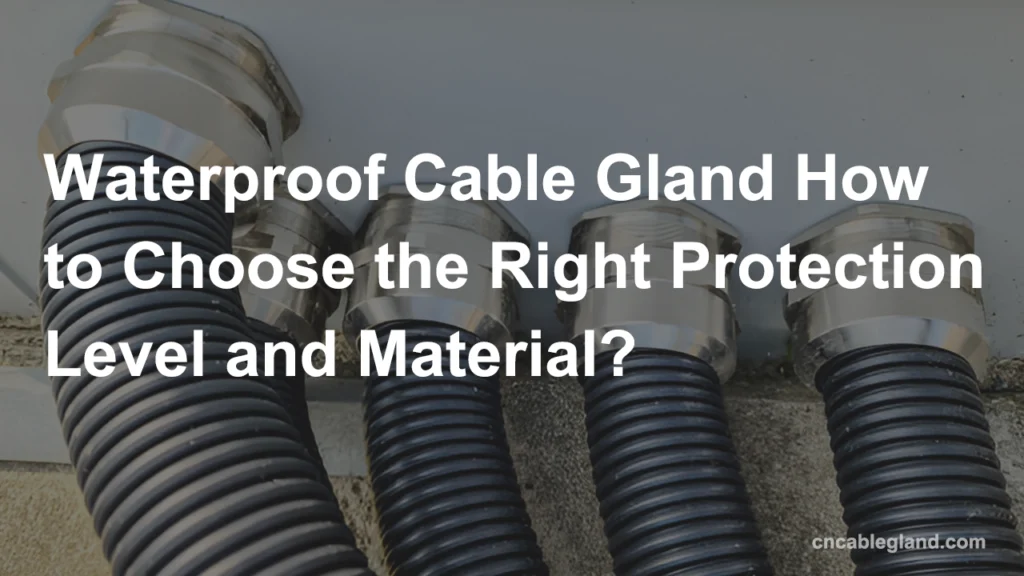
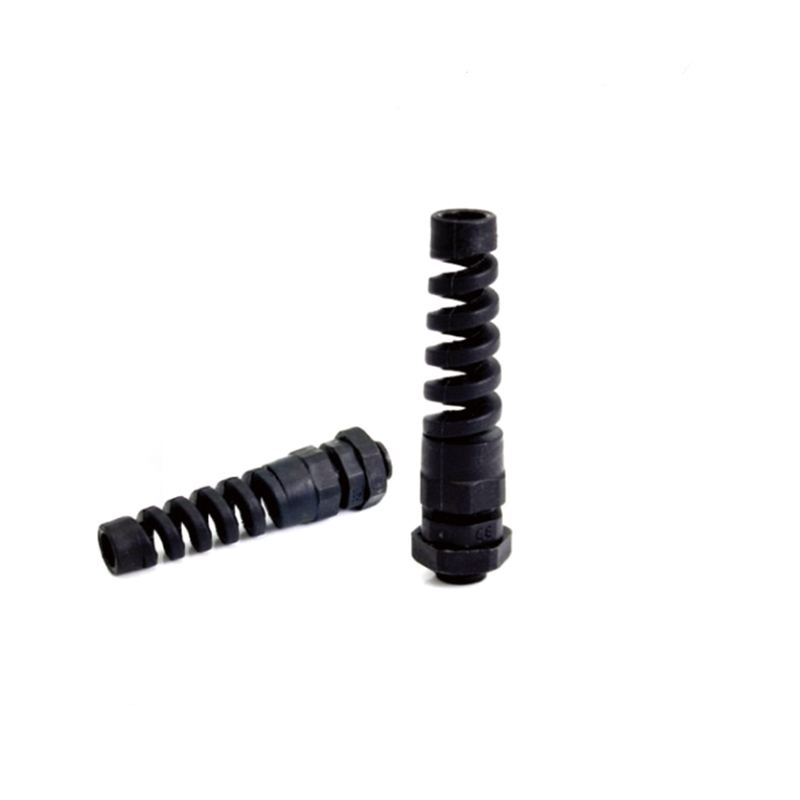
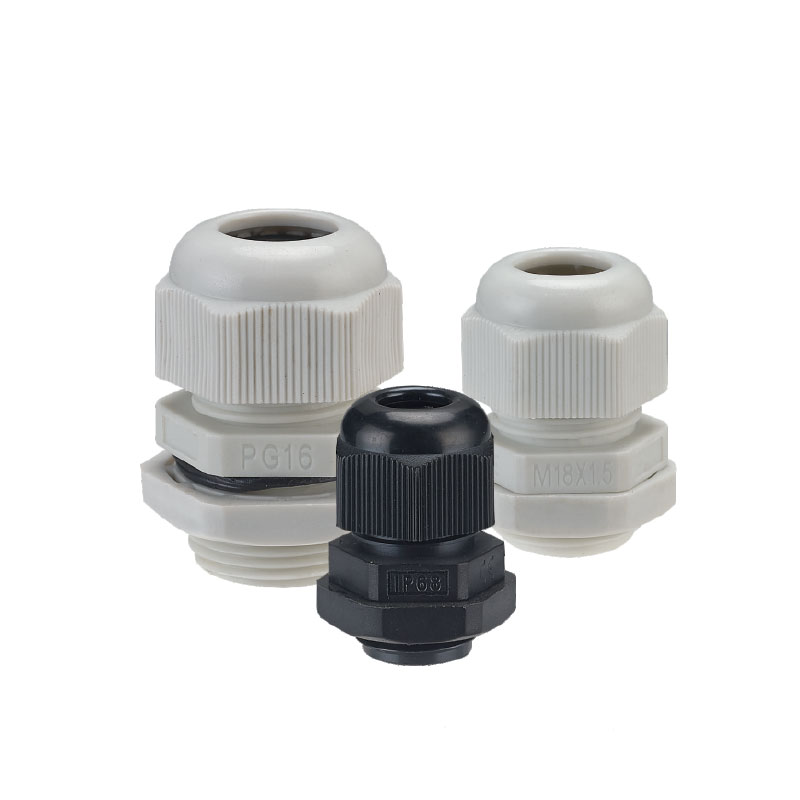
Choosing the right waterproof cable gland is crucial for ensuring the safety and longevity of your electrical and industrial installations. These small but mighty components protect cables from water, dust, and environmental damage, making them indispensable in many sectors—from telecommunications to marine and heavy industry. But how do you select the right protection level and material for your application? This article dives deep into the essentials of waterproof cable glands, exploring their functions, protection ratings, materials, and practical selection tips to help your business make confident decisions.
Waterproof Cable Gland: Function and Purpose
Waterproof cable glands serve multiple vital roles in electrical and industrial setups:
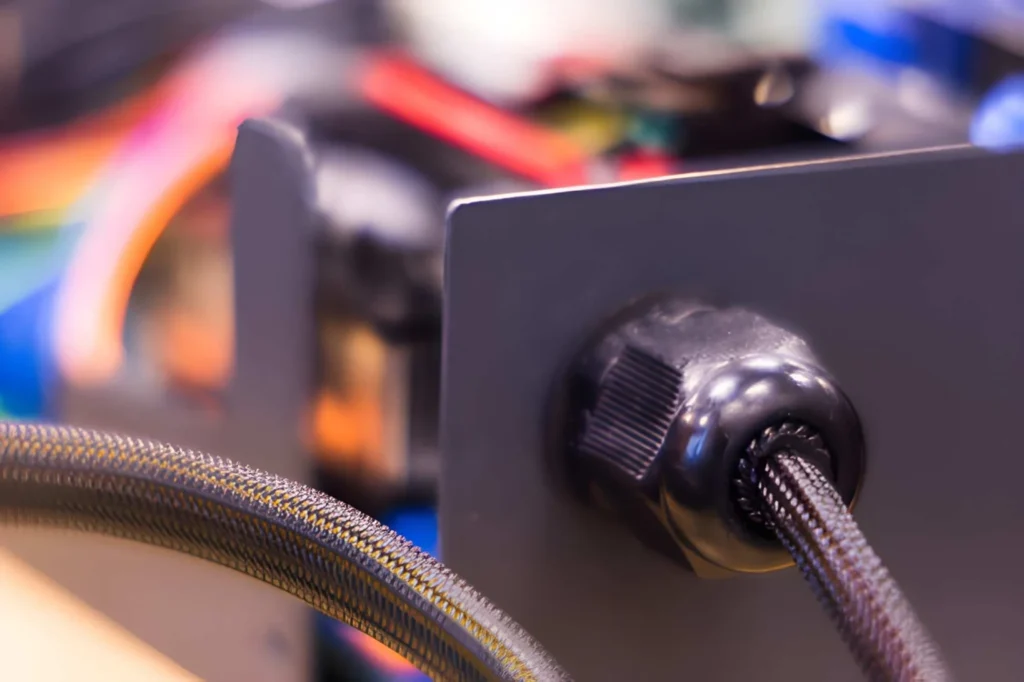
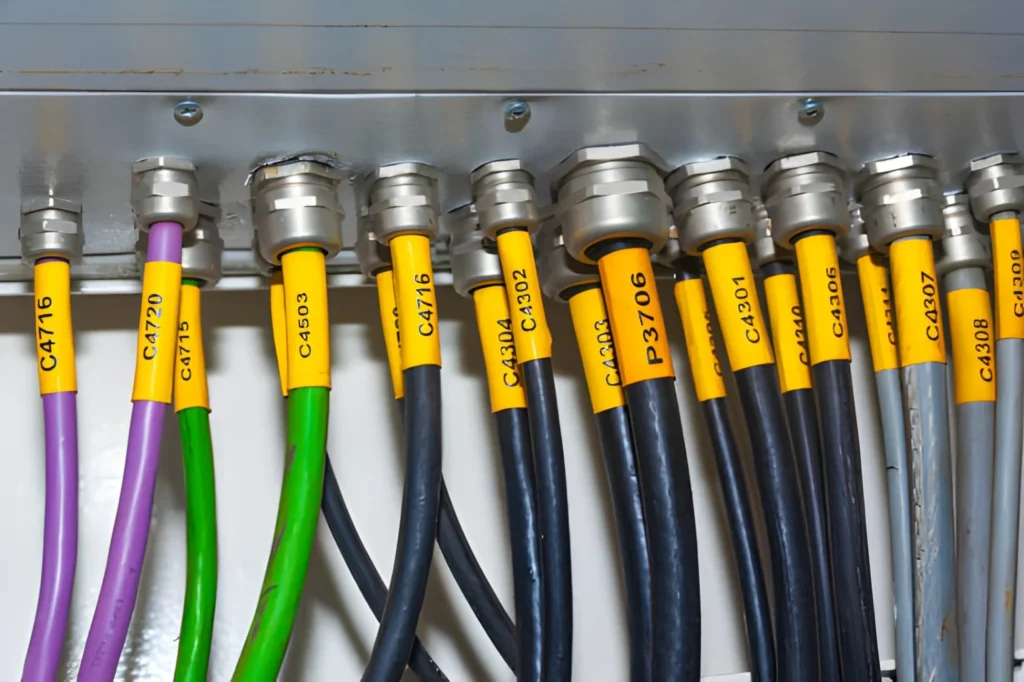
Secure Cable Entry: They anchor the cable firmly where it enters equipment or enclosures to prevent movement that could damage internal connections.
Seal Against Elements: Equipped with specialized seals like rubber gaskets or elastomer rings, they keep out water, dust, and dirt — ensuring the connection stays dry and reliable.
Strain Relief: They reduce mechanical strain on cables, protecting them from pulls, twists, or accidental tugs.
Environmental Resistance: Depending on design and materials, they resist UV rays, corrosion, chemicals, and temperature extremes.
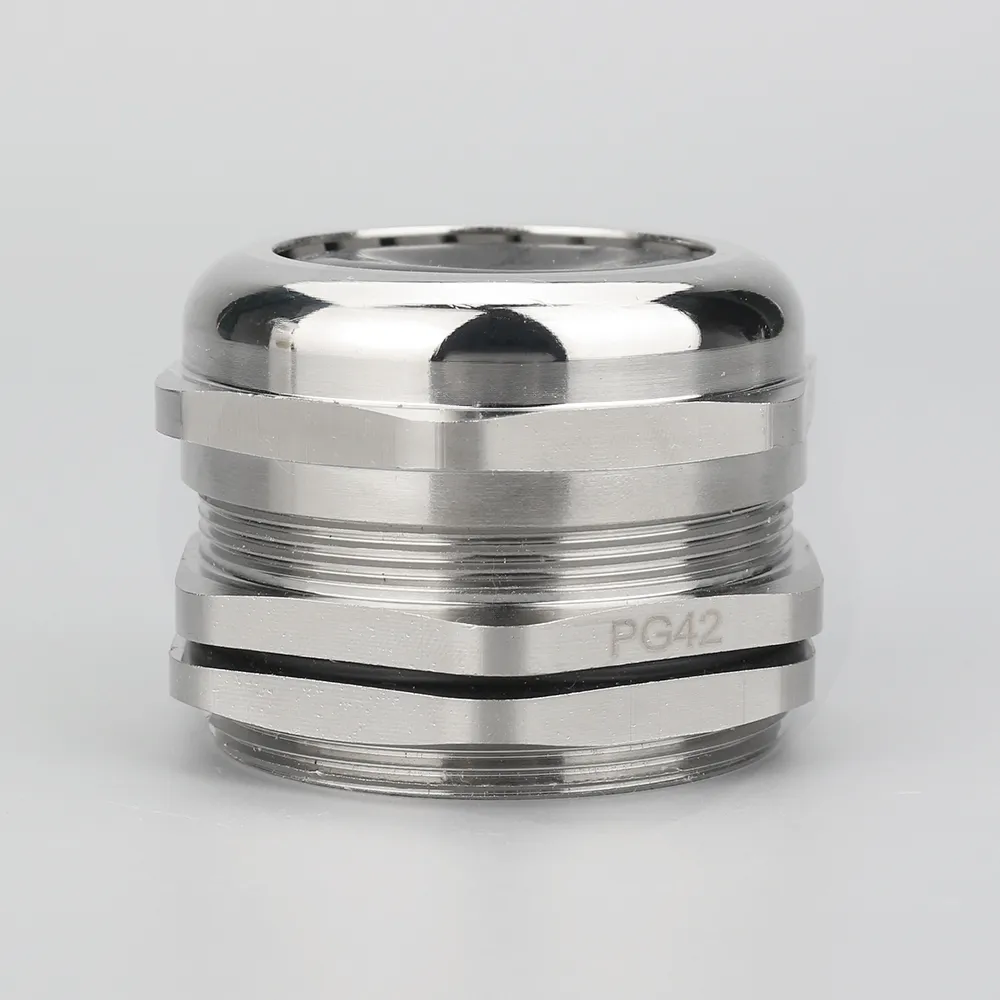
Stainless Steel Cable Gland
Below is a simple table presenting core functions and their benefits:
Function
Benefit
Cable Securing
Prevents cable disconnection
Waterproof Sealing
Blocks moisture and contaminants
Strain Relief
Extends cable and equipment lifespan
Environmental Shield
Protects against corrosion & UV
If your installations face harsh weather or heavy industrial conditions, investing in quality waterproof cable glands can save you extensive maintenance costs over time. For tailored product advice, consider reaching out with your specific requirements.
Understanding Protection Ratings of Waterproof Cable Gland
The protection level of a waterproof cable gland is often described by its IP rating. This international standard indicates how well the gland protects against solids like dust and liquids such as water.
IP Rating
Protection Against
Typical Use Case
IP65
Dust-tight and water jets from any direction
Indoor or mild outdoor environments
IP67
Dust-tight and immersion up to 1 meter for 30 minutes
Outdoor, temporary submersion
IP68
Dust-tight and continuous immersion beyond 1 meter
Permanent underwater or harsh marine settings
An IP68-rated cable gland is typically recommended for demanding contexts like offshore platforms, underground cabling, or heavy rain exposure. Choosing the wrong IP rating can compromise system integrity and cause failure.
Choosing Protection Levels Based on Environment
Selecting the right protection level depends heavily on where the cable gland will be used:
Indoor vs. Outdoor: Indoor environments may only require IP65 protection. However, in outdoor environments exposed to rain or dust, IP67 or IP68 is better.
Industrial Settings: Factories dealing with chemicals or dust require glands with high IP ratings and robust materials such as brass or stainless steel.
Marine Applications: Corrosion resistance along with IP68 rating is essential due to saltwater exposure.
Here’s a quick environment-to-rating guide:
Environment
Recommended IP Rating
Suggested Gland Material
Dry Indoor
IP65
Nylon or Light-duty Brass
Outdoor
IP67
Brass, Nylon
Chemical Plants
IP67 – IP68
Stainless Steel
Marine/Underwater
IP68
Marine Grade Stainless Steel
Common Materials for Waterproof Cable Glands and Their Suitability
Material choice is equally important as protection rating because it determines the gland’s durability under environmental stresses.
Material
Advantages
Typical Applications
Temperature Range
Nylon (Plastic)
Lightweight, corrosion-resistant, cost-effective
Indoor, light-duty outdoor
-40°C to +120°C
Brass
Strong, excellent sealing, corrosion resistant
Heavy industry, oil & gas
-20°C to +100°C
Stainless Steel
Superior chemical, temperature, and corrosion resistance
Harsh industrial, marine, food processing
Up to +200°C and above
Nylon cable glands are popular for their versatility and cost-efficiency, but for harsher environments, metal options shine. Stainless steel glands, despite higher cost, offer unmatched durability in corrosive or high-temperature settings.
If unsure about your specific environment needs, consulting with a manufacturer can help identify the best material for your system. What is Armoured Cable Gland?
If you’re curious about the waterproof cable gland for your application, don’t hesitate to send an inquiry — we’re happy to help you find the perfect fit!
When choosing the material for your waterproof cable gland, consider:
Chemical Exposure: Is the gland exposed to oils, salts, or chemicals? Stainless steel is usually best.
Mechanical Stress: Will the cable be subject to vibration or tension? Brass and stainless steel offer more mechanical strength.
Temperature Range: Consider environmental temperature and operating temperature of your system.
Cost vs. Performance: Nylon is affordable but may not last in extreme conditions.
Use this checklist to guide your decision:
✔ Does the material resist corrosion & UV exposure?
✔ Is the mechanical strength sufficient for my installation?
✔ Will the gland maintain a seal over temperature fluctuations?
✔ Does the higher upfront cost justify longer lifespan?
Matching Cable Diameter and Gland Size for a Perfect Seal
One of the most overlooked aspects is ensuring the cable gland size matches the cable diameter precisely. The correct fit is crucial to maintain the waterproof seal and avoid ingress points.
Parameter
Description
Why it Matters
Cable Diameter Range
Minimum and maximum cable OD the gland can seal
Ensures tight fit without damage
Gland Thread Type
PG, NPT, Metric
For equipment compatibility
Sealing Mechanism
Sealing ring or gasket type
Ensures no water leaks
Manufacturers often provide sizing charts—always refer to these when ordering. Using a too large or small gland compromises safety and waterproof performance.
Specialty Applications: What to Choose for Harsh Environments?
For challenging use-cases, specific recommendations apply:
Application
Recommended Gland Material
Suggested IP Rating
Notes
Marine/Offshore
Marine Grade Stainless Steel
IP68
Saltwater corrosion resistance
Explosive Atmospheres
Certified Brass or Stainless
IP67/IP68
Must meet ATEX or similar certs
High Temperature
Stainless Steel
IP67/IP68
Withstands heat and washdowns
International certifications such as UL, CE, or ATEX ensure compliance and safety in regulated industries. Always check for relevant certifications when sourcing glands for sensitive sites.
Selecting the right waterproof cable gland means balancing protection level, material durability, and proper sizing tailored to your environment. A correct choice safeguards your investment by maintaining equipment integrity and minimizing downtime. Whether you operate in standard indoor setups or challenging marine environments, understanding these factors empowers you to choose the right gland confidently.
Ready to improve your cable installations with high-quality waterproof cable glands? Contact us today for detailed product information and personalized recommendations tailored to your industrial needs.
FAQ
Can waterproof cable glands guarantee 100% water protection?
While no product can guarantee absolute imperviousness, glands with proper IP ratings and installation can effectively prevent water ingress for the designed environments.
How can I identify the IP rating of a cable gland?
IP ratings are usually labeled on product specifications. IP67 and IP68 are common for waterproof cable glands.
Are brass glands always better than nylon?
Not necessarily. Brass offers better mechanical strength and corrosion resistance but is heavier and more expensive than nylon, which is adequate for many applications.
How do I maintain my waterproof cable glands?
Regular inspections, cleaning seals, and replacing damaged components extends gland life.
What about thread standards? Which should I pick?
PG, NPT, and metric are common. Choose based on compatibility with your equipment and regional standards.
If you’re in the business of protecting cables, you know just how crucial a good Waterproof cable gland is. Think of cable glands as the unsung heroes that keep your cabling safe from water, dust, and mechanical damage. Especially in harsh industrial settings, choosing the right type of cable gland can make or break your […]
We use cookies to enhance your browsing experience, serve personalised ads or content, and analyse our traffic. By clicking "Accept All", you consent to our use of cookies.