In industrial and construction projects, Waterproof Cable Gland are essential components that ensure the safety and stable operation of cables. Whether facing rain and dust in outdoor environments or dealing with explosive hazards in dangerous areas, choosing the right cable gland is crucial. Today, let’s explore two common types of cable glands—waterproof cable glands and explosion-proof cable glands. What are their differences, and which one suits your project better? Let’s dive in.
What Is a Waterproof Cable Gland?
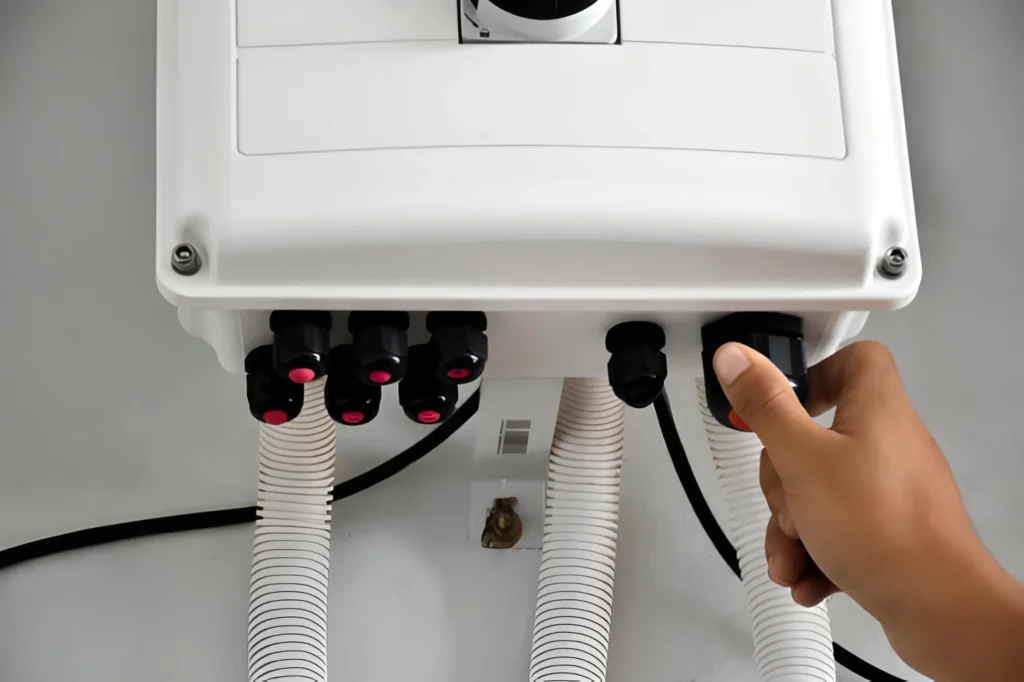
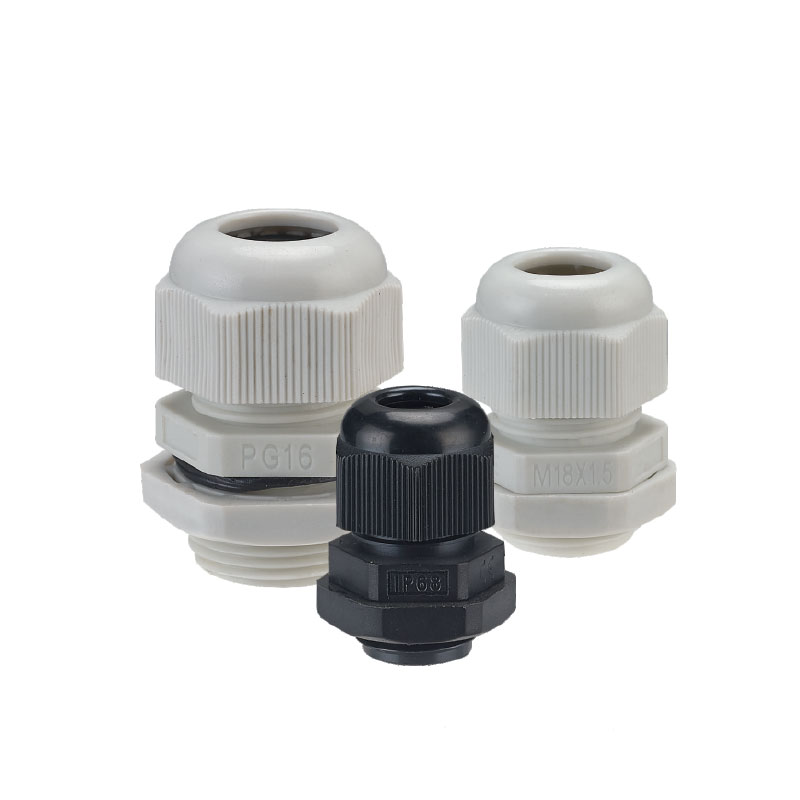
A waterproof cable gland mainly prevents water and dust from entering cable connections, protecting cables and equipment. As the name suggests, it focuses on the “waterproof” function. It is commonly used in outdoor or humid environments such as construction sites, outdoor equipment, and underground pipelines. Typical materials include plastic and nylon, known for being lightweight and corrosion-resistant, which is ideal for everyday protection. Its protection rating is often IP68, meaning it can withstand prolonged submersion in water.
Feature
Description
Material
Plastic, Nylon
Protection Level
IP68 or below
Suitable Environment
Outdoor, humid, dusty
Main Function
Waterproof, dustproof
Applicable Industries
General industry, construction, telecommunications
Waterproof cable glands are easy to install and generally more cost-effective, perfect for places where waterproofing is needed but there is no explosion risk.
What Is an Explosion-Proof Cable Gland?
If a waterproof cable gland is like a “raincoat” for cables, an explosion-proof cable gland is their “armor.” It is specially designed for hazardous environments such as oil refineries, chemical plants, and mines, effectively preventing sparks and explosions caused by cables. Explosion-proof cable glands are usually made of metal such as stainless steel, brass, or carbon steel, offering durability and resistance to corrosion and high temperatures.
Feature
Description
Material
Stainless steel, carbon steel, brass
Certification
3C certification, explosion-proof certificates
Suitable Environment
Oil, chemical, mining, explosive areas
Main Function
Waterproof, dustproof, explosion-proof
Applicable Industries
High-risk industrial environments
Explosion-proof glands comply with strict safety standards to maximize security even in extreme conditions.
How Each Type Works: Working Principle Compared
The two products look similar from the outside — both are threaded bodies with a nut at each end. What separates them is which failure each one is built to stop, and that changes the internal construction. A waterproof gland manages the sealing path; an explosion-proof gland manages the ignition path.
Waterproof cable gland: compress the seal onto the cable
Three parts do the work, and all three have to be correct at the same time:
Sealing ring (O-ring or sealing insert) — a rubber or elastomer ring that wraps the cable sheath. It is the only barrier between the cable and the outside.
Locknut / compression nut — tightening it compresses the ring axially, so the ring closes onto the cable and onto the gland body at the same time.
Gland body with a thread — screws into the enclosure wall; the thread plus gasket or sealing washer closes the second leak path, between gland and enclosure.
Sealing therefore depends on elastic deformation. If the cable sits outside the listed clamping range, if the ring has hardened with age, or if the nut is only hand-tight, the ring no longer holds its designed compression and water finds the gap. This is why an IP rating is only meaningful together with a cable diameter range and a tightening torque.
Explosion-proof cable gland: contain the ignition, cool what escapes
An Ex gland adds a second, independent job on top of sealing. In a hazardous area it must also stop an internal spark or flame from reaching the surrounding gas or dust atmosphere:
Sealing system — keeps flammable gas and dust out of the cable entry, so an explosive atmosphere never forms inside the gland.
Flameproof (Ex d) housing — a thick-walled metal body, normally brass or stainless steel, strong enough to withstand an internal explosion without rupturing. The joint between body, insert and nut is machined to a controlled gap width and path length, so flame escaping through it loses heat and drops below the ignition temperature of the surrounding gas.
Clamping and strain relief — holds the cable against pull and vibration, so the flameproof joint cannot be opened by mechanical load.
Increased safety (Ex e) construction — where the protection comes from design margins instead of containment: heavier insulation, wider creepage distances and no arcing parts in normal operation.
Two consequences follow for buyers. First, an Ex gland is selected by zone, gas group and temperature class rather than by IP rating — those markings (Ex d or Ex e, IIA/IIB/IIC, T-class) must match the area classification of the installation. Second, because the protection lives in the geometry of the joint, tightening torque, thread engagement and the correct sealing insert are safety functions, not just good practice. An Ex gland that also carries IP66 or IP68 gives both protections, and its IP rating still holds only while the seal is intact.
Core Differences Between Waterproof and Explosion-Proof Cable Glands
Difference
Waterproof Cable Gland
Explosion-Proof Cable Gland
Material
Mainly plastic or nylon
Mainly metal (stainless steel, brass)
Design
Sealing ring compressed by a nut; the seal is the only barrier
Dual sealing plus a flameproof joint with controlled gap width and path length
Installation
Standard threaded installation; torque affects water-tightness only
Strict compliance: torque, thread engagement and insert choice are safety functions
Function
Waterproof and dustproof
Waterproof, dustproof, and explosion-proof
Certification
Usually no explosion-proof certification
Must have explosion-proof certification
Application
General industrial, construction, telecom
Hazardous explosive areas like chemical and oil
Clearly, your choice depends on your environment and safety needs.
Key Performance Elements of Waterproof Cable Glands
Sealing Performance: The seals and locking structure must prevent water and dust ingress, especially in rainy or dusty environments.
Weather Resistance: High-quality glands resist UV rays and temperature changes for long-term durability.
Ease of Installation: Standard threaded design allows easy installation and maintenance.
Compatibility: Available in various sizes to fit different cable diameters.
Key Aspect
Details
Sealing Structure
Rubber seals, waterproof rating up to IP68
Material Durability
UV-resistant, anti-aging plastic or nylon
Installation
Standard threaded for easy assembly
Cable Size Compatibility
Supports diverse cable diameters
Find the perfect Waterproof Cable Gland for your project today.Protect your cables with certified waterproof and explosion-proof glands.
Choosing the right cable gland not only ensures equipment safety but also protects lives and property. If you need customized waterproof or explosion-proof cable gland solutions for your projects, contact us today! Our expert team is ready to assist you in securing every cable connection.
FAQ
1. Where are waterproof cable glands suitable for use?
Waterproof cable glands are ideal for outdoor humid environments, construction sites, telecom base stations, and other places needing dust and water protection but no explosion risk.
2. What certifications do explosion-proof cable glands have, and why are they important?
Common certifications include 3C, IECEx, and ATEX, which prove that the products have passed rigorous testing to ensure safety in explosive environments.
3. Can waterproof and explosion-proof cable glands be used interchangeably?
Generally, no. Explosion-proof glands have stricter design and materials to meet safety requirements, making waterproof glands unsuitable in hazardous conditions.
4. How can I check the waterproof rating of a cable gland?
Check the IP rating on the product, such as IP68 indicating dustproof and long-term waterproofing. Always look at technical specs from the manufacturer.
5. What should I be careful about when installing a waterproof cable gland?
Ensure the seal is intact, tighten properly to avoid moisture ingress, and install according to guidelines to extend product life.
6. Why are explosion-proof cable glands heavier than waterproof ones?
The weight comes from the flameproof requirement. An Ex d body has to contain an internal explosion without rupturing, and its joints are machined to a controlled gap, so it is a thick-walled metal part rather than a thin plastic or nylon shell. That is also why you rarely see a plastic Ex d gland.
7. Are there cable glands that are both waterproof and explosion-proof?
Yes. Most Ex glands are supplied with an IP66 or IP68 rating, so a single product both seals against water and dust and contains an internal ignition. Ask for the two certificates on the same datasheet — the Ex certificate (Ex d or Ex e with gas group and temperature class) and the IP rating with its declared depth and duration — because the two are tested separately and neither implies the other.
When I speak with buyers, I notice the same pattern again and again: everyone asks for a “Waterproof Cable Gland” but what they actually need is a reliable sealing solution that matches cable size, enclosure type, operating environment, and purchasing risk. That is exactly why choosing among waterproof cable gland suppliers is not a small […]
If you’re in the business of protecting cables, you know just how crucial a good Waterproof cable gland is. Think of cable glands as the unsung heroes that keep your cabling safe from water, dust, and mechanical damage. Especially in harsh industrial settings, choosing the right type of cable gland can make or break your […]
Explore durable waterproof cable gland connectors with IP67 and IP68 ratings in nylon, brass, and stainless steel for secure cable protection and strain relief.
We use cookies to enhance your browsing experience, serve personalised ads or content, and analyse our traffic. By clicking "Accept All", you consent to our use of cookies.