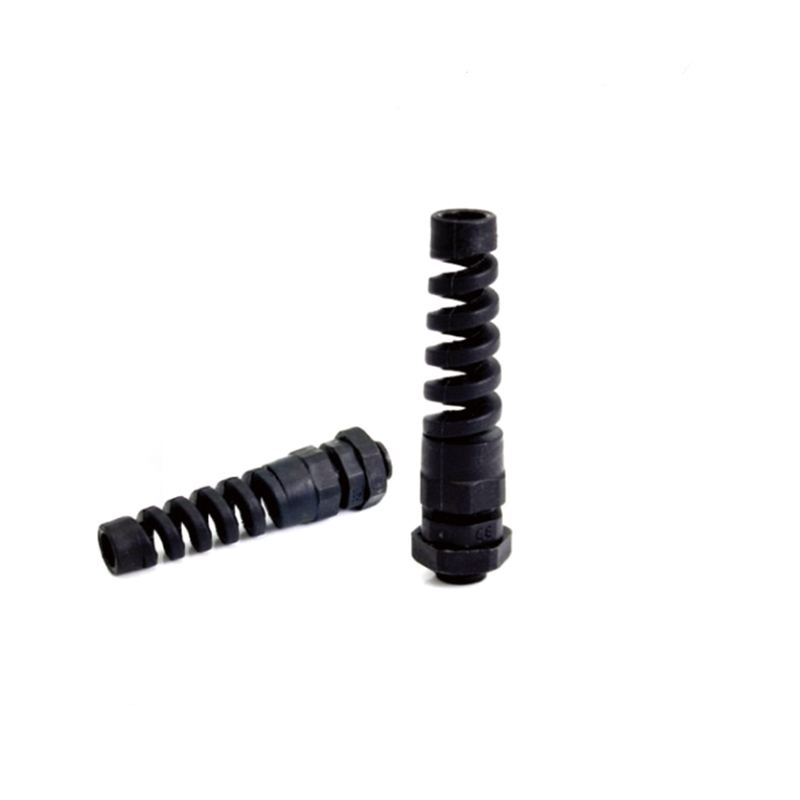
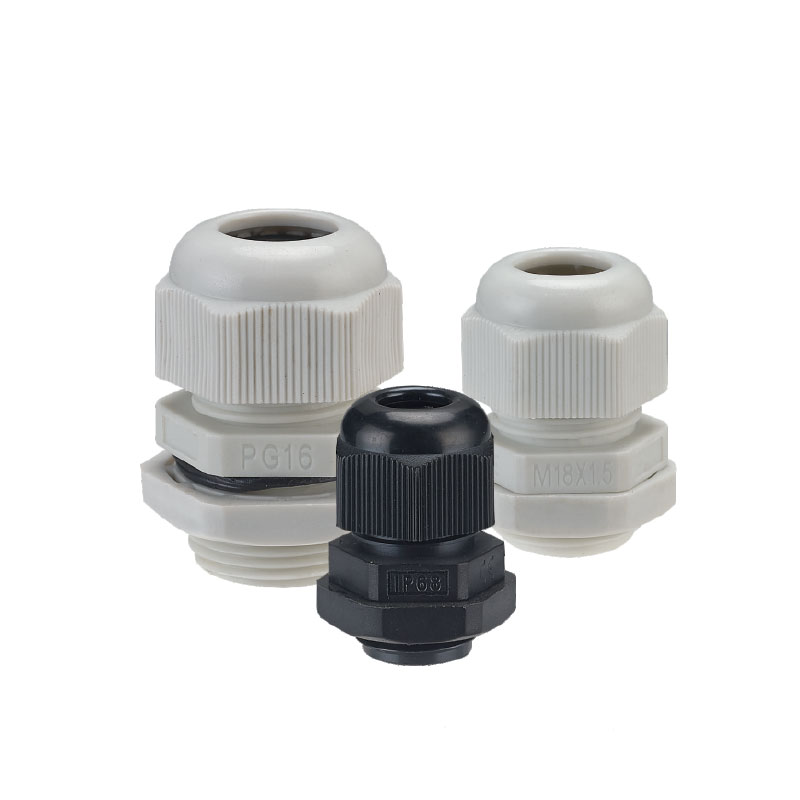
Learn how to pick the right Waterproof Cable Gland threads and sizes to protect your cables from dust and water.If you run outdoor equipment or work in harsh industrial sites, you know this already: water is your cable’s worst enemy. One tiny leak at a connection point can bring a whole system down. But don’t worry — a good Waterproof Cable Gland keeps water out and your gear running safely. If you are looking for high-quality waterproof cable gland with a wide range of specifications, feel free to contact us.
What’s a Waterproof Cable Gland Anyway?
Picture this: your cable enters a junction box. There’s a hole where rain, dust, or oil could sneak in. A waterproof cable gland seals that entry point tight. It grips the cable, locks it in place, and blocks anything you don’t want getting inside.
How does it work?
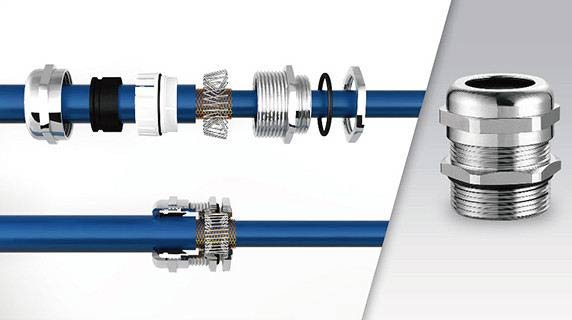
Screw it in: The gland threads into the panel hole.
Clamp it tight: Inside, there’s a piece that squeezes the cable when you tighten it.
Seal it shut: A rubber ring forms a barrier around the cable. Done right, nothing leaks through.
Popular Materials: Pros and Cons
Material
Pros
Cons
Where You’ll Find It
Nylon
Lightweight, affordable, decent chemical resistance
Not ideal for high heat, may age in strong sun
Indoor boxes, basic outdoor lights
Brass
Strong, corrosion-resistant
Heavier than nylon, costs a bit more
Pumps, marine gear, factories
Stainless Steel
Tough, top corrosion resistance
More expensive
Oil rigs, food plants, high-pressure systems
Why Do Waterproof Cable Gland Thread Types and Sizes Matter?
If the thread’s wrong, your seal leaks. If the hole and gland don’t match, you get loose fittings that won’t stay watertight. And if you pick odd threads, finding replacements later turns into a headache.
Here’s the bottom line:
Good threads keep the seal tight.
Standard threads make replacements easy.
The right size locks the cable snug without crushing it.
👉Ever thought “I’ll just buy the biggest one to be safe?” Don’t. Too big, and the Waterproof Cable Gland slips right out. Too small, and you’ll damage the sheath.
Main Thread Types of Waterproof Cable Gland
In the design and application of Waterproof Cable Gland, the choice of thread type is crucial. Reasonable selection of thread type helps to improve the sealing and reliability of equipment and meet different industrial needs.
We will introduce four main thread types in detail: Metric thread has the advantages of standardization and wide applicability; NPT thread is widely used in the North American market due to its excellent self-sealing performance; PG thread is suitable for Europe and old equipment; G thread relies on sealing rings and is common in special industrial fields.
1. Metric Thread
Highly standardized and widely used globally.
Thread pitch and diameter follow strict standards, making replacement and maintenance easier.
Application scenarios: machinery, European markets, retrofitting old equipment.
4. G Thread / ISO 228
Parallel pipe thread, used in specific industrial fields, sealing relies on sealing rings.
Common sizes: 1/4″ to 3 1/2″.
Application scenarios: special industrial equipment, hydraulic pipelines, etc.
Thread Type
Features
Typical Sizes
Applications
Metric Thread
Highly standardized, widely used globally. Strict pitch and diameter standards for easy interchange and maintenance.
M12, M16, M20, M25, M32, M40, M50, M63
Automation equipment, instruments, cabinets
NPT Thread (National Pipe Thread)
American standard tapered pipe thread with 60° angle and taper. Excellent self-sealing when tightened. Mainly used in North American market and related equipment.
1/4″, 3/8″, 1/2″, 3/4″, 1″, 1 1/4″, 1 1/2″, 2″
Power, petrochemical, automation
PG Thread (Panzer-Gewinde)
German standard with larger pitch, suitable for older and some European equipment.
PG7, PG9, PG11, PG13.5, PG16, PG21, PG29, PG36
Machinery, European market, retrofitting old equipment
G Thread (ISO 228)
Parallel pipe thread relying on sealing rings. Used in specific industrial fields.
1/4″ to 3 1/2″
Special industrial equipment, hydraulic pipelines
Metric threads are the first choice for modern industry due to their standardization and wide application. NPT threads, with their tapered design, provide excellent sealing effects, especially suitable for the North American market. Although PG threads are an old standard, they are still irreplaceable in some European equipment. Understanding these differences can help you avoid installation problems caused by thread mismatches.
Quickly view more products
If you need multi-specification waterproof cable gland, please feel free to contact us.
When selecting thread specifications, consider cable diameter, protection rating, and actual application environment. The table below compares common thread types, sizes, and applications:
Thread Type
Common Sizes
Applicable Cable Diameter (mm)
Protection Rating
Main Application Areas
Metric
M12–M100
3–90
IP67/IP68
Industrial automation, instrumentation
NPT
1/4″–3 1/2″
8–101
IP67/IP68
Power equipment, North American market
PG
PG7–PG48
3–54
IP67/IP68
Machinery, European equipment
G / ISO228
1/4″–3 1/2″
8–100
IP67/IP68
Special applications
Waterproof and dustproof level
Generally speaking, the outer diameter of the cable should match the specifications of the connector, and a margin of about 10% should be maintained to ensure sealing effect and installation convenience. Different IP levels represent waterproof and dustproof capabilities:
IP65: Dustproof and low-pressure water jet-proof
IP66: Dustproof and strong water jet-proof
IP67: Dustproof and short-term immersion
IP68: Dustproof and long-term immersion, suitable for underwater use
Choosing the correct protection level can ensure that the cable connector can still work reliably in harsh environments.
Waterproof Cable Gland Thread Advantages and Disadvantage
Thread
Strengths
Weak Spots
Metric
Fits global parts, easy replacements
Needs nuts and washers
PG
Simple install, locks tight
Not as common outside Europe
NPT
Great seal with PTFE tape, fights vibration
Needs tape, not reusable without extra parts
G/BSP
Reusable seal with O-ring
O-ring wears out if ignored
Key Points for Selecting Waterproof Cable Gland
Besides thread type and size, pay attention to the following factors:
Device Interface Standard: Ensure the thread type matches the device interface.
Cable Diameter Matching: Measure the cable diameter accurately and select the appropriate size, leaving about 10% tolerance.
Protection Rating: Choose IP67 or IP68 based on the environment to meet waterproof and dustproof requirements.
Material Selection:
Nylon/Plastic: Lightweight, corrosion-resistant, suitable for general environments.
Brass: Durable, corrosion-resistant, widely used in industrial applications.
Stainless Steel: Suitable for extreme environments, corrosion and high-pressure resistant.
Working Environment: Consider temperature, humidity, corrosiveness, and other factors.
Selection Factor
Description
Recommendation
Interface Standard
Confirm thread type
Match device requirements
Cable Size
Measure outer diameter
Match size with tolerance
Protection Rating
IP65–IP68
Choose based on environment
Material
Nylon/Brass/Stainless Steel
Select according to needs
Environmental Conditions
Temperature/Corrosiveness
Use high-performance materials for harsh conditions
How to Install It Right Waterproof Cable Gland(and Fix Mistakes)
How to Install It Right Waterproof Cable Gland, Here a quick checklist:
1️⃣ Measure First Use calipers to check the cable’s diameter. Pick a gland that matches.
2️⃣ Prep the Hole Clean up burrs. Check the threads and sealing ring for cracks.
3️⃣ Tighten It Up Screw in the gland. Hand-tighten first, then use a wrench — but don’t overdo it. Insert the cable, clamp it down. You want it snug, not crushed.
Waterproof Cable Gland Common Issues and Fixes
Problem
Why It Happens
Fix It
Gland loosens
Thread mismatch, not tight enough
Check threads, retighten
Water leaks in
Cracked or old seal ring
Swap the ring, check IP rating
Cable gets damaged
Overtightened
Loosen a bit or choose a bigger gland
O-ring slips
Bad fit or too much grease
Center it, reinstall
Top Picks from CNCABLEGLAND Waterproof Cable Gland
Model
Thread
Material
IP Rating
Where It Works
CN-M20-NYLON
M20
Nylon
IP68
Outdoor lights, junction boxes
CN-PG13.5-BRASS
PG13.5
Brass
IP68
Marine gear, chemical pumps
CN-NPT1/2-SS
1/2″ NPT
Stainless Steel
IP68
Offshore rigs, washdown stations
Real Stories: A solar farm used over 5,000 CN-M20-NYLON glands — no leaks in two years. A chemical plant switched to brass to resist acid. They cut downtime by 30%.
A waterproof cable gland may look small, but it saves you big headaches. Pick the right threads and size, install it right, and you won’t lose sleep over water leaks again. Contact us and we will help you find the waterproof cable connector you want quickly. We have various thread types and specifications to help you choose easily and avoid these troubles.
👉 Contact us for free samples or quick quotes. 👉 Email us now — we’ll help you find the best gland for your cables.
FAQ
What’s the difference between PG and Metric?
PG threads come from German standards. Metric is more global. Both seal well, just check what your panel needs.
How do I choose the size?
Measure the cable and the hole. Use the chart.
What’s IP68 mean?
Total dust block, plus safe for long soaks underwater.
Is nylon UV safe?
Good ones are. Ours have UV stabilizers built in.
Can I reuse it?
If the seal ring’s clean, maybe once or twice. For the best seal, swap it.
Explore durable waterproof cable gland connectors with IP67 and IP68 ratings in nylon, brass, and stainless steel for secure cable protection and strain relief.
In modern industrial and outdoor environments, waterproof cable gland play a crucial role in ensuring the safety and stable operation of electrical systems. Whether it’s for communication base stations, marine equipment, or chemical plants and mines, cable glands protect cables from moisture, dust, corrosion, and even explosion hazards. Especially “Waterproof Cable Gland” and explosion-proof cable […]
We use cookies to enhance your browsing experience, serve personalised ads or content, and analyse our traffic. By clicking "Accept All", you consent to our use of cookies.