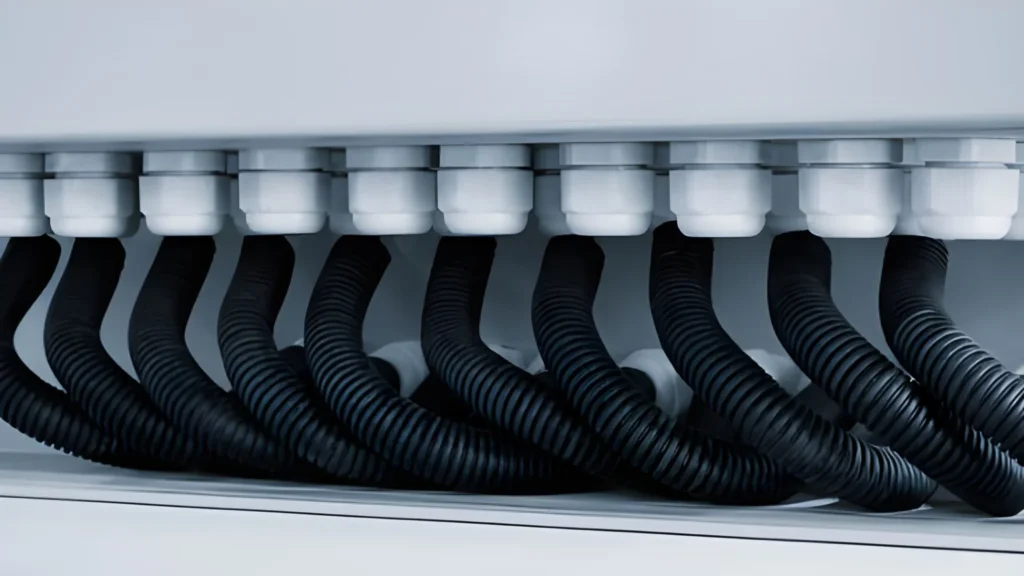
Cable gland are essential components in industrial electrical systems. They not only secure cables but also provide effective sealing to prevent dust, moisture, and other harmful substances from entering your equipment. This ensures the safety and stability of electrical connections. Whether in power, communications, or automation industries, choosing the right Cable connector is the foundation for reliable, long-term system operation. Today, let’s explore the common types of cable glands and their differences, helping you understand how to select the right product for your needs.
Main Types of Cable Gland
1. Classification by Structure and Function
Single Compression Cable Gland This is the most common type, suitable for indoor and general environments. It uses a single compression ring to secure the cable, offering a simple structure and easy installation. For example, a single compression cable gland is ideal for control panel cable connections—think “cable gland for control panel.”
Double Compression Cable Gland This type provides double sealing on both the inner and outer layers of the cable, offering enhanced protection. It is ideal for factories, power plants, and other environments with high sealing and protection requirements. Double compression glands effectively prevent dust and moisture from entering, ensuring equipment safety.
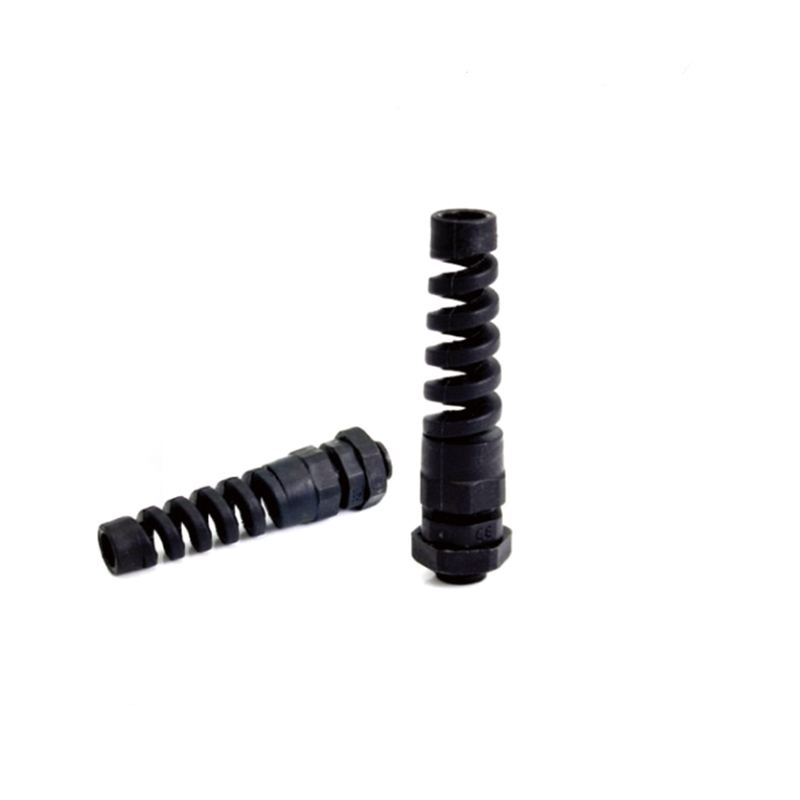
Flexible Hose Cable Gland Designed for high-temperature or vibration-prone environments, the flexible hose structure absorbs mechanical stress and protects the cable from damage.
PVC Cable Gland Often used for instrument control cables, this economical option is suitable for light-duty environments.
2. Classification by Application Environment
Standard Cable Gland Suitable for most industrial and commercial environments, meeting basic protection needs.
Waterproof Cable Gland These glands are designed for outdoor or moist environments and feature a high IP protection rating. Commonly, IP68-rated cable glands prevent water and dust ingress. They are widely used in marine, communications, and outdoor equipment fields. Keywords like “waterproof cable gland” and “cable gland IP68” are frequently searched.
Explosion Proof Cable Gland Specially designed for hazardous environments, these glands prevent flames or sparks from escaping, ensuring safety.
EMC Cable Gland Equipped with electromagnetic shielding, these are suitable for devices sensitive to electromagnetic interference.
Armoured Cable Gland Ideal for steel wire armoured cables, providing mechanical strength and electrical continuity. They perform excellently in harsh environments and are a top choice for industrial sites—“armoured cable gland” is a common industry search term.
3. Classification by Material
Material
Features & Application Scenarios
Nylon (Plastic)
Lightweight, corrosion-resistant, cost-effective, good insulation.
Excellent corrosion resistance, ideal for marine and chemical settings.
Aluminum Alloy
Lightweight with moderate strength, for specific industrial applications.
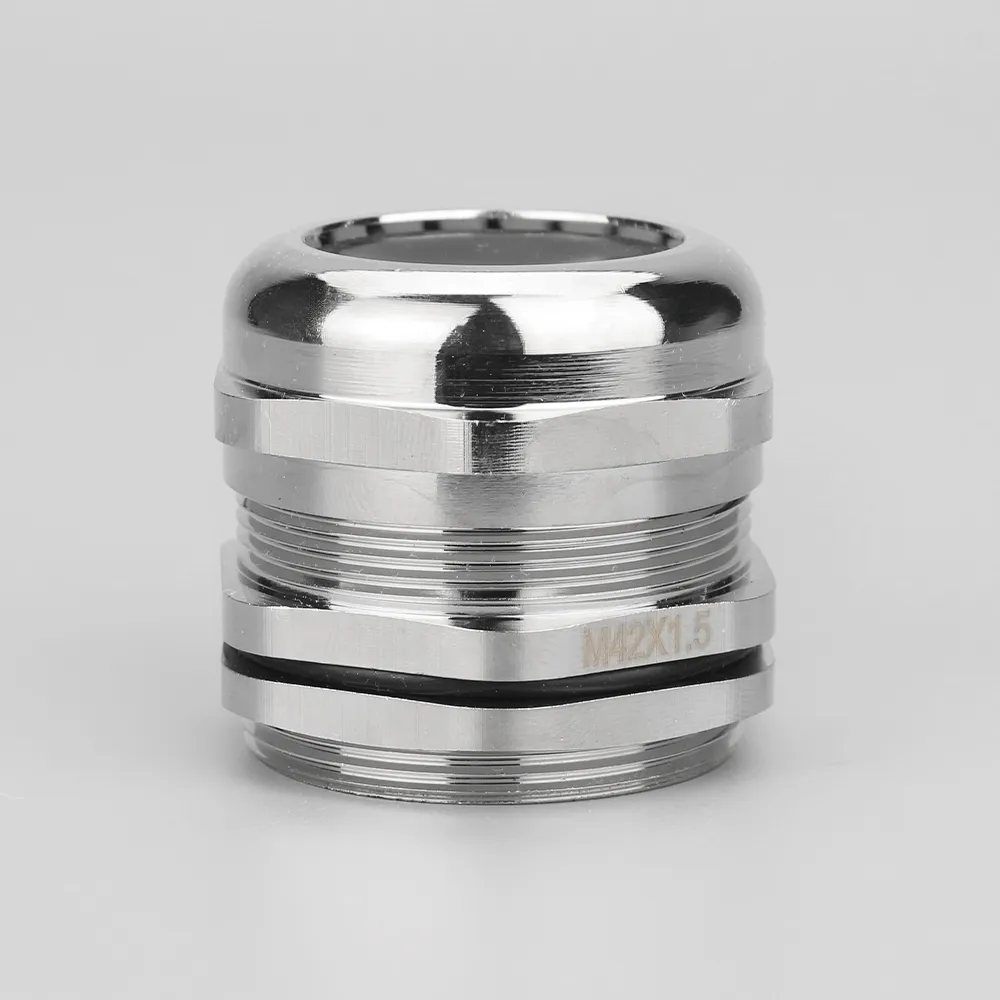
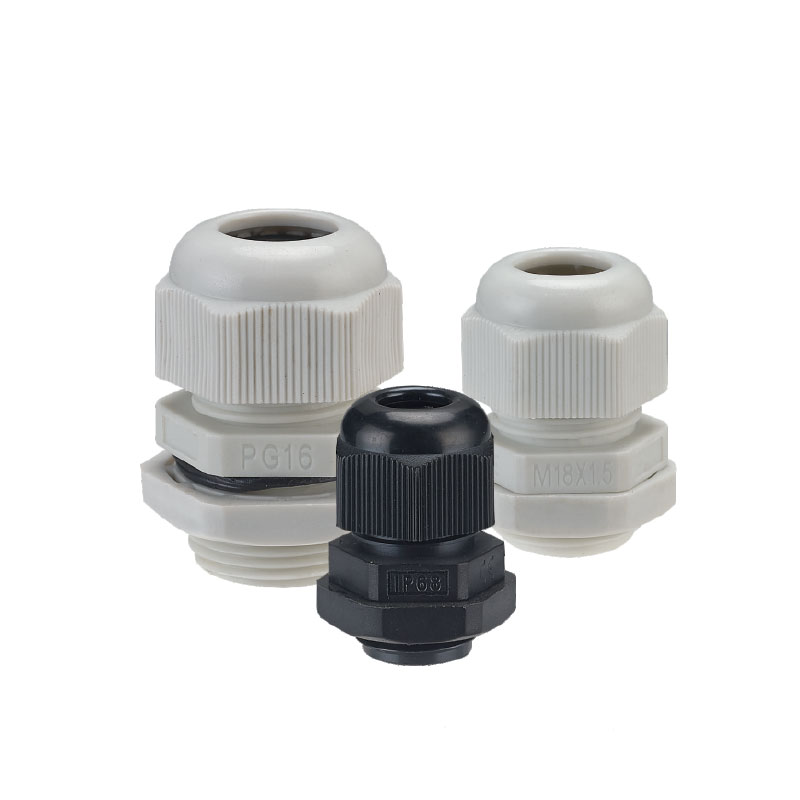
Nylon Sealing gland are a practical and economical choice for many industrial projects due to their corrosion resistance and insulation. Stainless steel Sealing gland, with their robust protection, are widely used where high protection levels are required.
4. Classification by Thread Standard
The thread type of a Electrical cable fitting affects its compatibility with equipment or junction boxes. Common types include:
Metric Thread International standard, marked as “M20 x 1.5,” widely used globally.
PG Thread (Panzer-Gewinde) German standard, suitable for the European market, with a wider thread and good sealing.
NPT Thread (National Pipe Thread) American standard, tapered thread, excellent sealing, suitable for the North American market.
Understanding “Cable sealing device thread types” helps ensure the gland you purchase matches your equipment interface perfectly, avoiding installation issues.
Key Differences Between Cable Gland Types
Aspect
Description
Structural Differences
Single compression suits general environments; double compression offers stronger sealing for harsh conditions.
Material Differences
Nylon is lightweight and insulating; metal types are more durable and provide shielding and mechanical protection.
Protection Level
Waterproof and explosion-proof glands meet different IP and safety standards for various environments.
Cable Compatibility
Armoured cables require armoured glands; non-armoured cables can use standard types.
These differences determine how Cable entry gland perform and last in different applications. Choosing the right type can reduce maintenance costs and improve system stability.
Key Points for Selecting (For B2B Customers)
1. Cable Size and Type Measure the cable diameter accurately to ensure the gland secures the cable tightly without damage. Armoured and non-armoured cables require different types of glands.
2. Operating Environment Is it indoor or outdoor? Is there moisture or corrosive gas? Do you need waterproof, explosion-proof, or shielding features? These factors affect your choice of material and structure.
3. Material Selection Choose nylon, brass, stainless steel, or aluminum alloy based on the environment, balancing durability and cost.
4. Thread Type Ensure the thread specification matches your equipment interface to avoid installation difficulties.
5. Certification Standards Look for CE, UL, ATEX, or other certifications to ensure the product meets industry safety standards.
6. Cost and Value Balance your budget and performance requirements to select the most suitable product.
Still wondering how to choose a Electrical cable fitting? Feel free to contact us ! We can recommend the most suitable Cable connector solution based on your specific needs.
Cable connector may be small, but their role is critical. Choosing the right “cable gland type” not only ensures the safety and stability of your electrical system but also extends equipment life and reduces maintenance costs. Whether you need a “waterproof cable gland” for harsh environments or an “armoured cable gland” for protecting armoured cables, understanding their differences and selection points is essential.
If you’re looking for high-quality, cost-effective waterproof cable gland, visit our website or contact our professional team directly. We offer tailored product recommendations and technical support to help your project succeed!
FAQ
What is a cable gland and why is it important?
A Electrical cable fitting is a device designed to secure and seal the end of an electrical cable to equipment. It prevents dust, moisture, and contaminants from entering, ensuring safety and reliability in electrical installations.
How do I know which Cable connector size to choose?
Measure the outer diameter of your cable and select a Cable termination fitting that matches this size range. Always check the product’s technical datasheet for exact sizing.
Can I use nylon cable glands outdoors?
Nylon Cable entry gland are lightweight and corrosion-resistant, but for prolonged outdoor use, especially in direct sunlight or harsh conditions, consider stainless steel or brass options for better durability.
What is the difference between single and double compression cable glands?
Single compression glands seal at one point and are suitable for standard environments. Double compression glands provide sealing at two points, offering better protection in demanding or hazardous environments.
Waterproof cable gland play a vital role in the B2B market. Whether you are a solar equipment manufacturer, marine engineering contractor, or industrial automation integrator, choosing the right waterproof cable gland directly affects the durability and safety of your devices. Have you ever wondered what keeps our cables safe and sound, even in heavy rain […]
If you work in shipbuilding, port equipment, offshore systems, or coastal control cabinets, you already know one truth: water always wants in. Salt fog, vibration, UV, washdown, and tight panel space turn a simple cable entry into a surprisingly expensive weak point. That is why marine waterproof cable glands matter so much in real projects. […]
When it comes to ensuring the safety, durability, and efficiency of electrical installations, the humble Cable Gland plays a critical role. Whether you’re working in industrial automation, oil and gas, telecommunications, or renewable energy, choosing the right cable gland can make all the difference in the performance and longevity of your systems. In this article, we’ll explore […]
We use cookies to enhance your browsing experience, serve personalised ads or content, and analyse our traffic. By clicking "Accept All", you consent to our use of cookies.