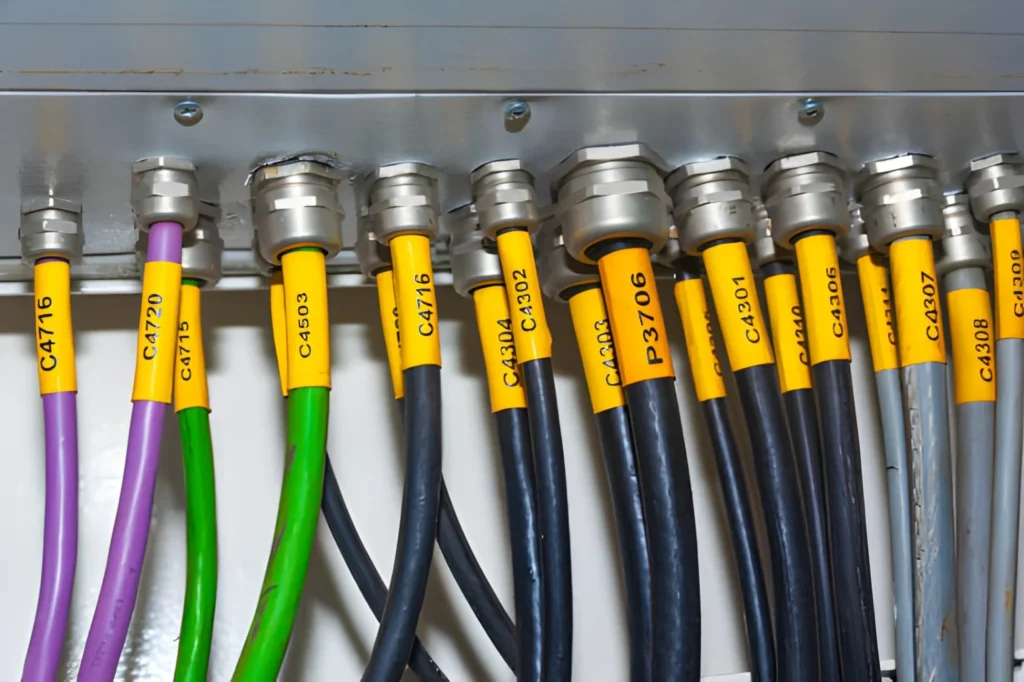
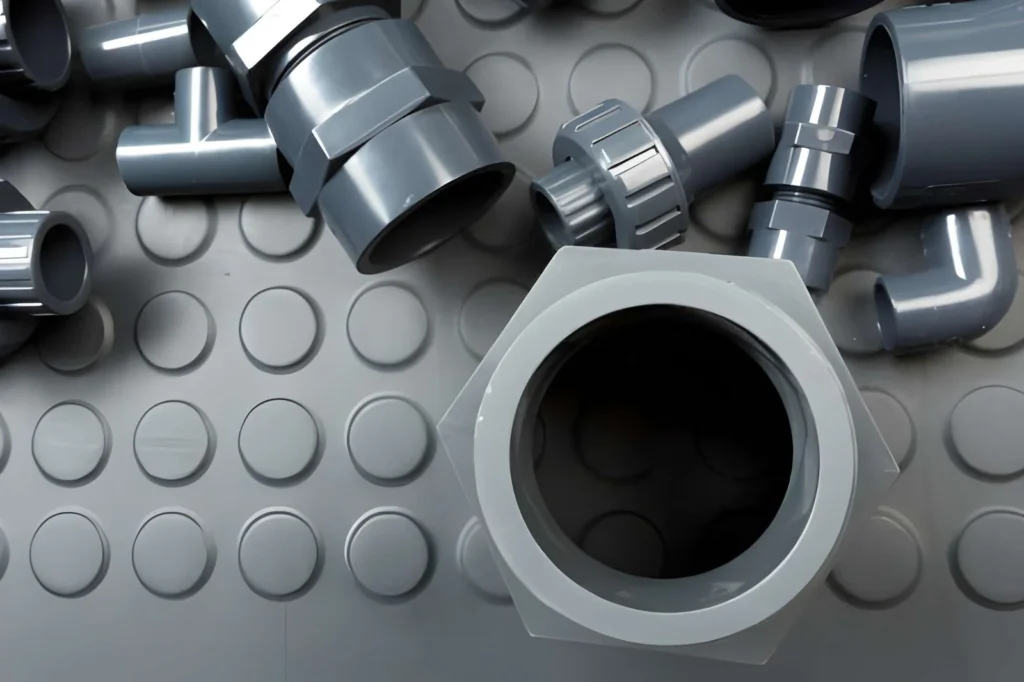
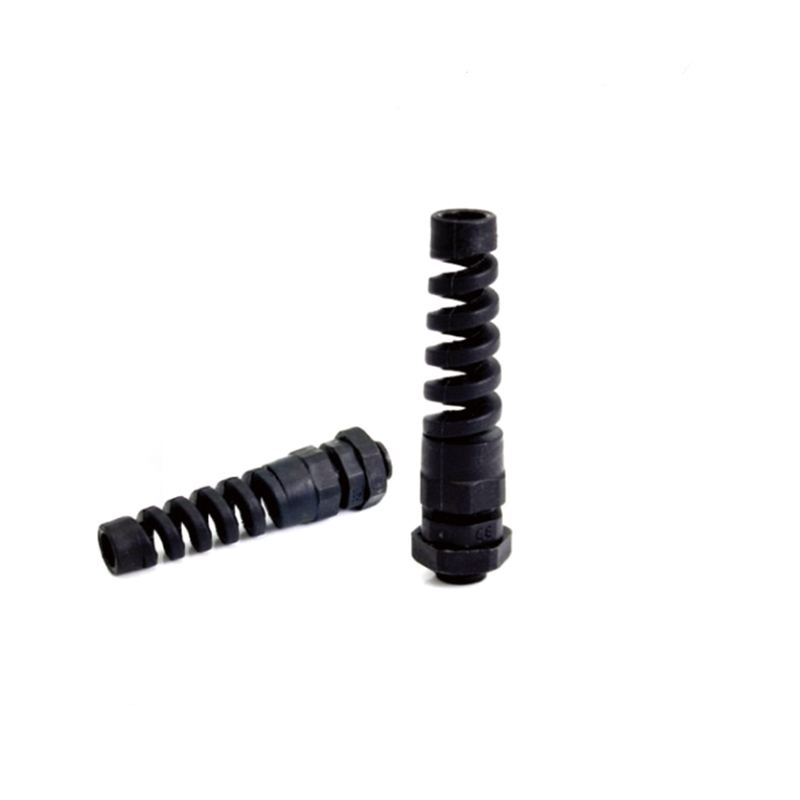
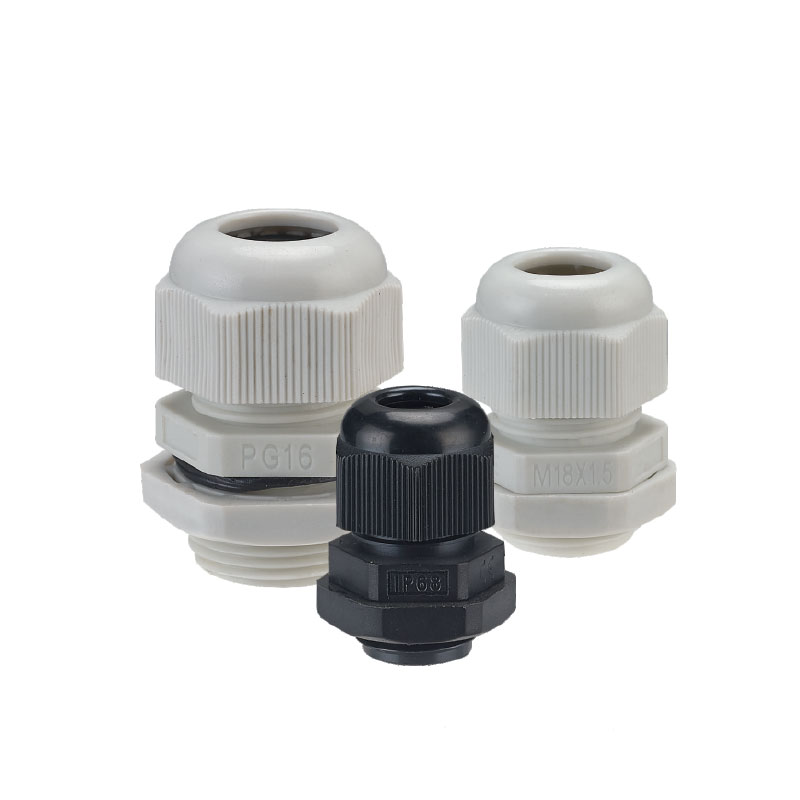
Waterproof cable gland connectors are essential components designed to safely secure and seal the points where cables enter electrical enclosures. Their primary functions include:
Sealing cable entry points to prevent water, dust, and contaminants from entering.
Providing strain relief to protect cables from pulling or twisting forces.
Ensuring environmental protection in harsh conditions like outdoor, marine, or industrial settings.
Key Components
Component
Function
Body
Houses the cable and connects to the enclosure.
Seal
Creates a watertight barrier around the cable.
Nut
Tightens the gland to secure the seal.
Clamping Mechanism
Holds the cable firmly in place to provide strain relief.
Differences from Standard Cable Glands
Unlike standard cable glands, waterproof cable gland connectors feature enhanced sealing materials and designs that achieve higher IP ratings (IP67, IP68). This ensures resistance to water ingress and adds durability against weather, chemicals, and physical damage.
Standard glands focus mainly on cable retention and basic dust protection.
Waterproof glands deliver robust environmental protection, suitable for outdoor, marine, and industrial applications.
These qualities make waterproof cable gland connectors a reliable choice for secure, long-lasting cable entry solutions.
Understanding IP Ratings for Waterproof Performance
IP ratings are essential when choosing waterproof cable gland connectors because they tell you how well a product protects against dust and water. The code usually starts with “IP” followed by two numbers: the first digit shows protection against solids like dust, and the second digit indicates water resistance.
IP67 means the gland is dust-tight and can handle temporary immersion in water up to 1 meter for 30 minutes.
IP68 goes a step further, allowing continuous submersion beyond 1 meter, perfect for applications like marine or underwater cables.
These ratings directly impact the enclosure’s integrity by ensuring no moisture or dust compromises the cable entry seals or strain relief cord grips. Using cable glands with the right IP rating keeps electrical connections safe and reliable, especially in harsh outdoor or industrial environments.
For an in-depth look at IP protection levels and how they affect waterproof cable gland connectors, you can check out this detailed guide on waterproof cable gland IP protection ratings.
Types of Waterproof Cable Gland Connectors
Waterproof cable gland connectors come in various materials and designs to suit different applications and environments.
Nylon/Plastic Glands: These are cost-effective and corrosion-resistant, making them ideal for general-purpose and indoor use. Nylon cable glands waterproof well in moderate conditions and are lightweight.
Brass and Nickel-Plated Brass: Known for durability, brass cable gland connectors perform well in industrial setups and hazardous areas. The nickel plating adds extra corrosion resistance, suitable for tougher environments. Check out our range of brass cable gland connectors for sturdy options.
Stainless Steel Glands: These are a premium choice for marine applications or extreme corrosive environments where both strength and resistance to rust are critical.
Specialized Variants:
EMC-Shielded Cable Glands: Designed to prevent electromagnetic interference, essential in sensitive electrical installations.
Explosion-Proof Glands: Built to meet strict safety standards in hazardous zones where flammable gases or dust are present. You can learn more about their applications in our guide on explosion-proof connectors.
Split Cable Glands: Allow installation on pre-terminated cables without stripping or disconnecting.
Thread Types: Popular options include PG thread cable glands, NPT waterproof connectors, and Metric threads. The choice depends on your equipment’s threading standards and sealing requirements.
Understanding these types helps you select the right waterproof cable gland for your exact needs, ensuring optimal protection and durability.
Key Factors in Selecting the Right Waterproof Cable Gland
Choosing the right waterproof cable gland connector depends on several important factors to ensure a secure, durable connection. Here are the key points to consider:
Cable Diameter and Type: Always match the cable gland size to your cable’s outer diameter. Consider if the cable is armored or unarmored, as armored cable glands provide extra protection and strain relief for tougher cables. Also, single-core and multi-core cables may require different gland types or sealing methods.
Environmental Conditions: Think about where the cable glands will be used. If you’re dealing with extreme temperatures, UV exposure, or chemical environments, choose materials that can resist these stresses — for example, stainless steel for corrosive settings or UV-resistant nylon for outdoor use.
Installation Requirements: Is the installation indoors or outdoors? Does it involve hazardous zones where explosion-proof glands are required? Make sure to select glands compliant with safety regulations based on the application environment.
Compliance Standards: Look for waterproof cable glands that meet recognized standards like IEC for electrical safety, ATEX for explosive atmospheres, and RoHS for hazardous material restrictions. Compliance ensures reliability and legal acceptance in many regions.
By carefully considering cable type, environmental factors, installation needs, and compliance, you can pick the perfect waterproof cable gland connectors to safeguard your cable entry points effectively. For a deeper dive into selecting the right protection levels and materials, check out our detailed guide on how to choose the right waterproof cable gland.
Cable Gland Sizing Guide
Choosing the right size waterproof cable gland connector is crucial for a secure fit and reliable sealing. Here’s a simple sizing process to follow:
Measure the cable’s outer diameter accurately – Use a caliper for precise measurements. Avoid including any outer insulation damage or loose strands.
Check the core count and type – Some glands are designed with multiple cores or armored cables in mind. This affects the gland’s clamping method.
Match measurements to a sizing chart – Common size ranges include PG7 to PG48, M12 to M63, and NPT thread equivalents. These charts show the minimum and maximum cable diameters each gland can accommodate.
For example, a PG16 gland typically fits cables between 8-12mm in diameter. Using the right size gland not only ensures effective strain relief cord grip but also maintains the waterproof cable entry seal, helping retain the enclosure’s IP rating.
To avoid common mistakes:
Don’t pick a gland too tight — it can damage the cable or break the seal.
Avoid a gland too loose — it compromises environmental protection.
Double-check compatibility with armored or specialized cables.
For detailed guidance on nylon cable glands sizing, you might find this nylon cable gland size chart helpful. It offers clear ranges and sizing tips to get the perfect fit every time.
Installation Best Practices for Waterproof Cable Gland Connectors
Proper installation is key to ensuring your waterproof cable gland connectors deliver the best sealing and strain relief performance. Here’s a practical guide to get it right every time.
Tools Needed and Preparation
Cable stripper and cutter
Adjustable wrench or spanner
Screwdriver (if applicable)
Clean cloth for wiping cables and glands
Measuring tape for accurate cable diameter
Before starting, inspect the cable for damage and clean the surface where the gland will be mounted. Confirm the gland size matches your cable using a reliable cable gland sizing chart.
Step-by-Step Installation
Measure the Cable: Use the outer diameter to choose the right gland size — don’t guess.
Disassemble the Gland: Unscrew the nut and remove the seal and clamping parts.
Insert the Cable: Slide the gland components onto the cable in the correct order.
Fit the Gland Body: Push the gland body through the panel or enclosure hole.
Tighten the Clamping Mechanism: Secure the seal around the cable by tightening the gland nut using a wrench — but don’t overtighten.
Check the Seal: Ensure the rubber or silicone seal compresses evenly around the cable to maintain the IP rating.
Test for Strain Relief: Gently pull the cable to confirm it’s firmly gripped without damage.
Common Errors to Avoid
Over-tightening: Can crush the cable or damage seals, compromising waterproofing.
Improper Sealing: Misaligned seals or debris can reduce protection. Always clean surfaces before fitting.
Wrong Gland Size: Too big or small disrupts sealing and strain relief. Always measure carefully.
Skipping Tests: After installation, verify the gland holds the cable securely and no water can enter.
Maintaining IP Rating Post-Installation
Inspect glands regularly for cracks or wear.
Re-tighten nuts if vibration or movement loosens them over time.
Use protective covers in harsh environments when possible.
Following these best practices ensures your waterproof cable glands stay reliable, protecting your cables against water, dust, and strain effectively.
Benefits of Choosing High-Quality Waterproof Cable Glands from GHX
Choosing high-quality waterproof cable gland connectors from GHX means investing in reliability and safety. GHX uses superior materials like premium nylon, brass, and stainless steel combined with precision engineering, ensuring your cable entry seals stay secure long-term—even in tough conditions.
Key Advantages of GHX Waterproof Cable Glands
Benefit
Details
Durability
Built to resist corrosion, UV, and chemicals
Wide IP68 Options
Excellent water and dust protection for harsh environments
Enhanced Safety
Reliable strain relief minimizes cable damage
Low Maintenance
Long-lasting seals reduce the need for frequent replacements
Compliance
Meets global standards like IEC, ATEX, RoHS
Whether you need IP68 cable glands for submersion, armored cable glands waterproof for heavy-duty use, or specialized types like EMC and explosion-proof connectors, GHX has solutions tailored to various industries and environments.
Investing in premium cable glands means fewer failures, safer installations, and peace of mind that your cable entry points remain watertight and secure.
Maintenance and Troubleshooting for Waterproof Cable Gland Connectors
Keeping your waterproof cable gland connectors in good shape ensures reliable performance and safety. Here are some easy tips to maintain and troubleshoot your cable glands:
Regular Inspection Tips
Check for cracks or corrosion: Look over the body and seals, especially if you use brass or stainless steel glands in harsh environments.
Verify tightness: Over time, vibrations can loosen the nuts or clamps, reducing strain relief and sealing effectiveness.
Inspect seals and gaskets: These components wear out, especially in outdoor or marine settings. Look for hardening or deformation.
Look for moisture inside the enclosure: This often signals a compromised gland or damaged seal.
Signs of Failure and Quick Fixes
Water ingress or condensation inside equipment: Tighten gland nuts or replace faulty seals immediately to restore waterproofing.
Visible damage to the gland body: Replace the entire gland; quick fixes won’t provide full protection.
Cable slippage or looseness: Re-clamp the cable to ensure proper strain relief and avoid cable damage.
Corrosion on metal glands: Clean mildly corroded parts, but heavily corroded glands must be replaced.
When to Replace Waterproof Cable Gland Connectors
If seals show wear or cracking after inspections.
When the gland no longer maintains a secure grip on the cable.
After visible physical damage or corrosion beyond cleaning.
Whenever IP ratings can no longer be guaranteed post-installation.
Regular maintenance extends the life of your gland and avoids costly equipment failures. For long-term reliability, choosing high-quality, easy-to-maintain options like nylon cable glands waterproof can also reduce upkeep needs and improve sealing durability.
FAQ
1. What IP rating do I need for outdoor use?
For outdoor applications, an IP67 or IP68 rating is typically required. IP67 protects against dust and temporary immersion in water, while IP68 is suited for continuous submersion. For reliable performance in harsh outdoor environments, look for cable glands with an IP68 rating.
2. Nylon vs metal cable glands: which is better?
Nylon cable glands are lightweight, corrosion-resistant, and cost-effective, ideal for general use. Metal glands such as brass or stainless steel offer superior durability and are better for industrial, marine, or hazardous environments thanks to their toughness and resistance to extreme conditions.
3. How do I size a waterproof cable gland for armored cables?
Measure the cable’s outer diameter carefully, including armor and any shielding. Use a cable gland sizing chart that corresponds to armored cables to select the right size. Many suppliers provide guides specifically for armored and unarmored cable sizing to avoid improper fits.
4. Can I reuse cable glands after installation?
It’s generally best to replace cable glands rather than reuse them. The sealing components may deform during installation, which can compromise waterproofing and strain relief on re-use.
5. What thread types are common for waterproof cable glands?
PG, NPT, and Metric threads are the most widely used. Your choice depends on the enclosure and equipment you are working with. For example, NPT waterproof connectors are popular in North America, while PG and Metric threads are common in Europe and Asia.
6. Are there cable glands suitable for explosive environments?
Yes, explosion-proof cable glands are designed to meet strict safety standards like ATEX. These glands offer added protection against sparks and flames in hazardous zones.
7. How important is the clamping mechanism?
The clamping or strain relief mechanism is critical. It secures the cable firmly, prevents pulling stress on the connection, and helps maintain the waterproof seal.
8. Can waterproof cable glands protect against UV and chemicals?
Yes, but it depends on the material. Nylon glands resist UV radiation and many chemicals, while stainless steel offers extreme corrosion resistance for harsh chemical or marine environments.
9. How do I maintain the IP rating after installation?
Ensure that the gland is properly tightened but not over-tightened. Regular inspection and timely replacement of damaged seals can maintain the enclosure’s IP rating.
10. Where can I find durable stainless steel cable glands for outdoor use?
GHX Cable Gland Overview: Robust, Certified Solutions for Hazardous Areas GHX cable glands deliver superior performance as explosion proof cable glands designed for secure, reliable cable entry in demanding hazardous and industrial environments. Engineered to meet the highest standards, these armoured cable glands ensure exceptional sealing with IP66/IP68 ingress protection ratings, robust armour clamping, and […]
Have you ever struggled to choose the right cable gland? Don’t worry-you’re not alone! Cable gland may be small, but they play a key role in ensuring the safety and stability of your electrical systems. Whether you’re in industrial automation, petrochemicals, or marine engineering, choosing the wrong cable gland can lead to water leaks, short […]
Among many electrical connection accessories, the Waterproof cable gland plays a crucial role. It not only protects cables penetrating equipment housings from water and dust ingress but also enhances the overall safety and reliability of the system. Understanding the materials and applications of waterproof cable glands helps engineers and buyers in industries like industrial, communication, […]
We use cookies to enhance your browsing experience, serve personalised ads or content, and analyse our traffic. By clicking "Accept All", you consent to our use of cookies.