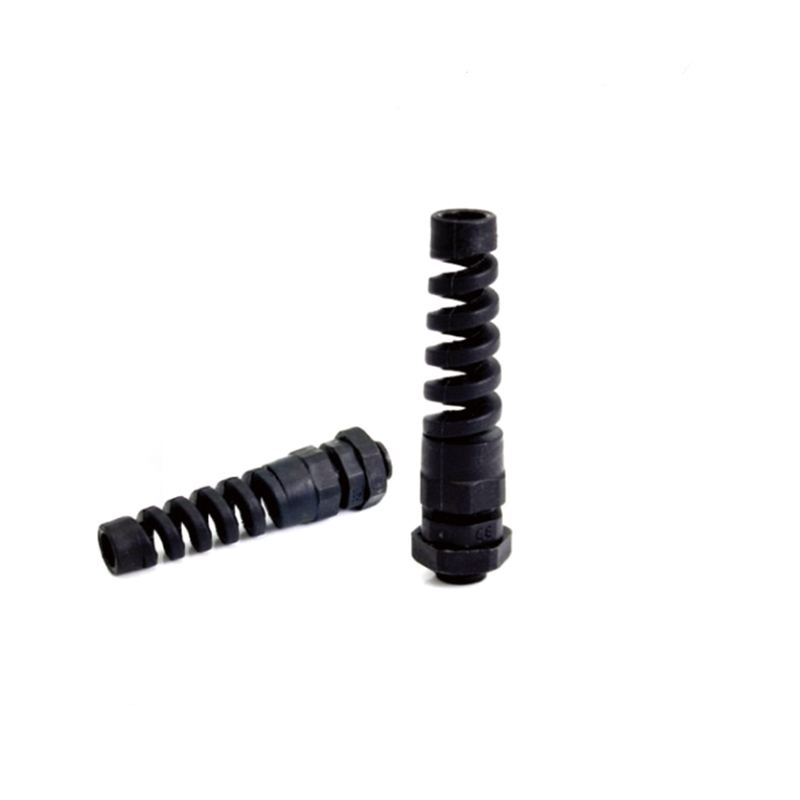
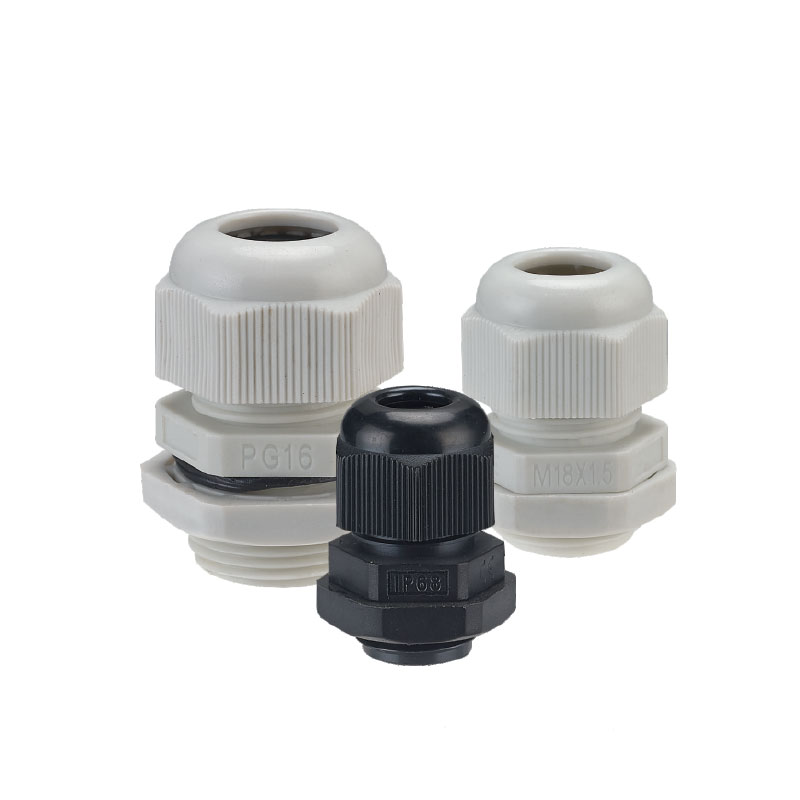
In modern industrial and outdoor environments, waterproof cable gland play a crucial role in ensuring the safety and stable operation of electrical systems. Whether it’s for communication base stations, marine equipment, or chemical plants and mines, cable glands protect cables from moisture, dust, corrosion, and even explosion hazards. Especially “Waterproof Cable Gland” and explosion-proof cable glands—these two types of products are irreplaceable in their respective environments.
But what exactly is the difference between a waterproof cable gland and an explosion-proof cable gland? How do they work? In this article, we’ll take you through the design concepts, functional features, and application scenarios of these two types of cable glands, helping you make smarter decisions when purchasing and selecting products. If you’re looking for high-quality waterproof or explosion-proof cable glands, feel free to contact us for expert advice and customized solutions.
Working Principle of Waterproof Cable Gland
What is a Waterproof Cable Gland?
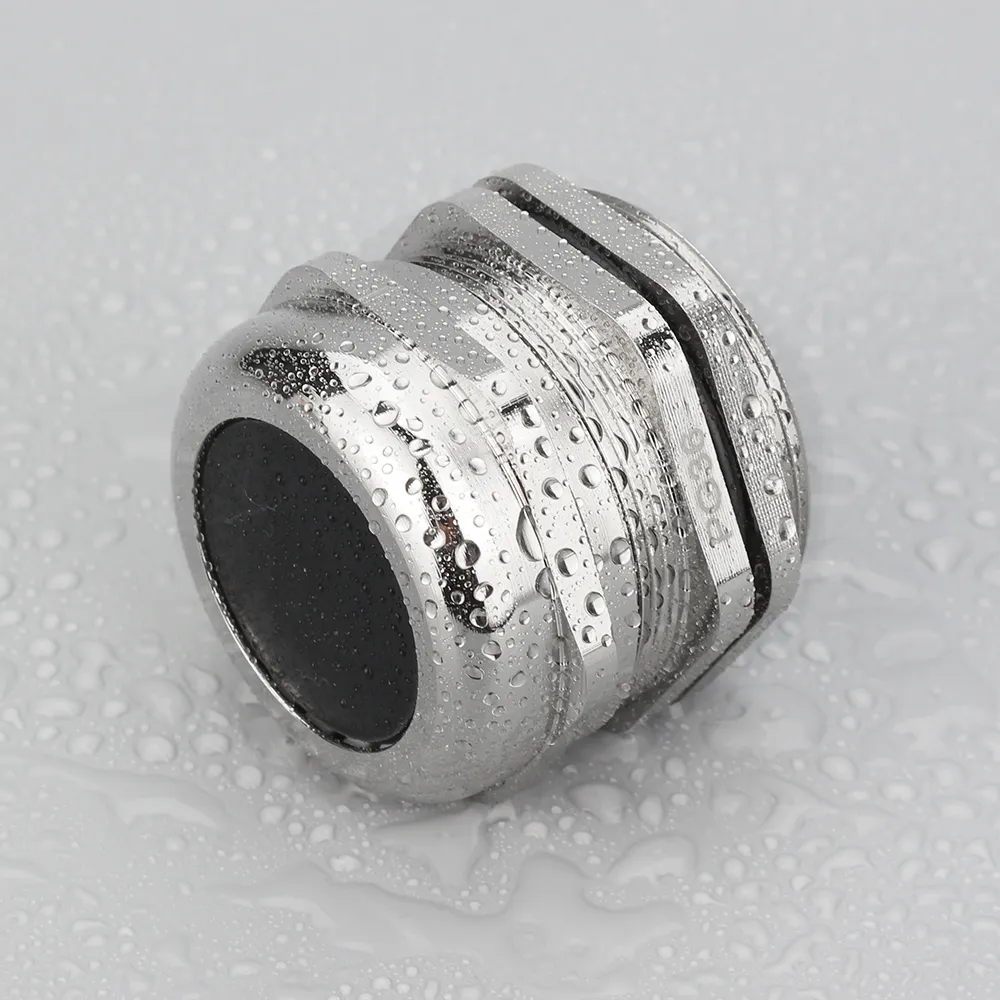
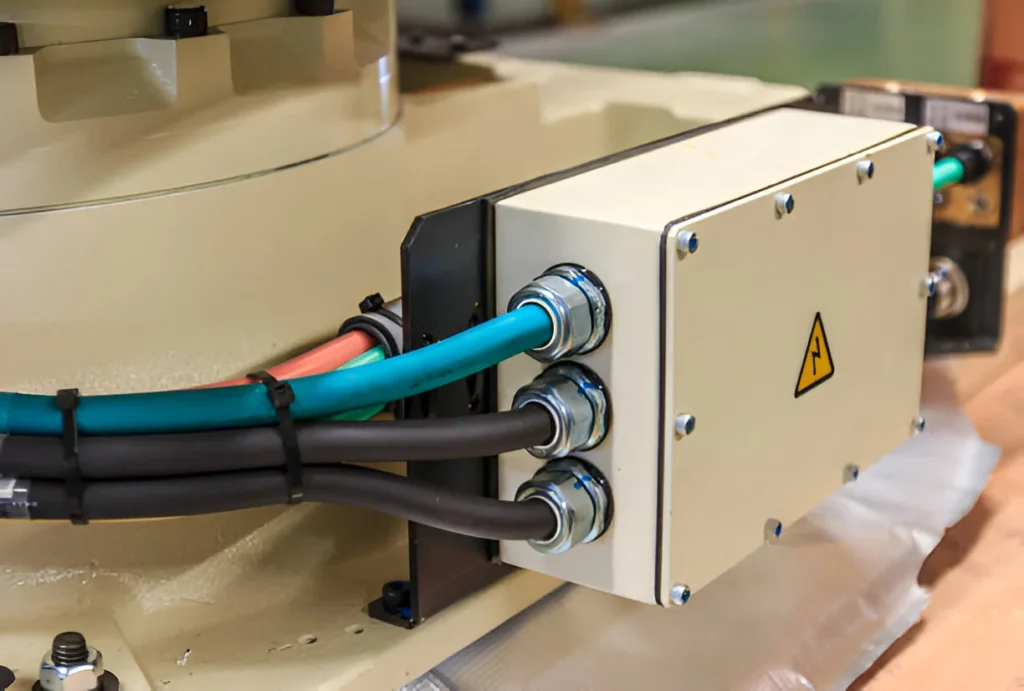
A waterproof cable gland is a sealing device specifically designed to prevent moisture, dust, and other contaminants from entering cable connection points. Typically made from corrosion-resistant materials such as plastic, brass, or stainless steel, they are widely used in marine, communications, outdoor lighting, and industrial equipment.
How Does It Work?
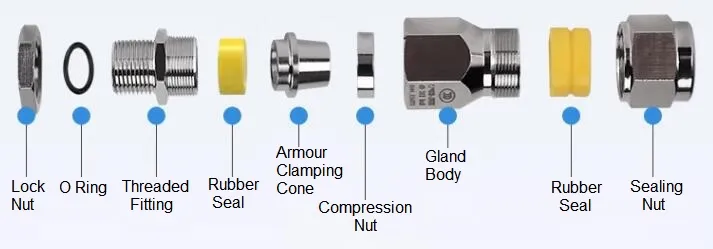
Waterproof cable glands achieve sealing and fixation through several key components:
Sealing Ring (O-ring): Made from high-quality rubber or elastomer, it tightly wraps around the cable to prevent moisture ingress.
Locknut: When tightened, it compresses the sealing ring to form a secure, watertight seal.
Gland Body: Usually threaded, it attaches to equipment or enclosures, ensuring a solid mechanical connection.
This design effectively blocks water, dust, and other external substances, ensuring the safety and operation of cables and equipment.
Waterproof Ratings and Applications
The waterproof performance is usually indicated by IP ratings:
IP Rating
Protection Level
Typical Applications
IP65
Against water jets & dust
General outdoor environments
IP66
Against powerful jets
Marine, industrial settings
IP67
Temporary immersion
Offshore equipment
IP68
Prolonged immersion
Underground, subsea, extreme environments
IP68 waterproof cable glands are especially suitable for applications requiring long-term immersion or extreme weather.
Advantages of Waterproof Cable Glands
Reduce maintenance costs and minimize failures caused by moisture.
Extend equipment lifespan and improve safety.
Adapt to harsh environments, such as humidity, salt spray, and temperature fluctuations.
Working Principle of Explosion-Proof Cable Gland
What is an Explosion-Proof Cable Gland?
Explosion-proof cable glands are specifically designed for hazardous environments with flammable or explosive risks, such as chemical plants, mines, and oil & gas platforms. Their main function is to prevent sparks or explosive flames generated at the cable connection from spreading, thus ensuring the safety of personnel and equipment.
How Does It Work?
The core of an explosion-proof cable gland lies in its “dual protection” design:
Sealing System Uses rubber or elastomer sealing rings to block flammable gases and dust from entering the gland, preventing the creation of explosion sources.
Explosion-Proof Structure The gland’s body is made from high-strength metal (such as brass, stainless steel, or aluminum alloy), offering heat and impact resistance. If an internal explosion occurs, the gland cools and suppresses the flame, preventing it from spreading to the external environment.
Structural Components
Gland Body: Robust and durable, able to withstand mechanical impacts.
Sealing System: Compressed sealing rings and flame-retardant materials.
Clamping Device: Secures the cable and provides strain relief.
Explosion-Proof Rings and Flame-Retardant Materials: Ensure that flames cannot penetrate the gland.
Certifications and Standards
Explosion-proof cable glands typically comply with international explosion-proof certifications such as Ex d, Ex e, and are suitable for various hazardous area classifications.
Application Scenarios
Petrochemical plants
Mines and tunnels
Gas transmission equipment
Flammable dust environments
Comparison: Waterproof Cable Gland vs Explosion-Proof Cable Gland
Feature
Waterproof Cable Gland
Explosion-Proof Cable Gland
Main Function
Prevents water and dust ingress, protects cable connections
Prevents spark and flame propagation, ensures safety
Design
Sealing ring + locknut, focuses on waterproof sealing
Dual sealing + explosion-proof structure, focuses on explosion safety
Hazardous, explosive areas like chemical plants, mines
Installation
Relatively simple, suitable for general industrial use
Requires strict installation to ensure explosion-proof performance
How to Choose?
If your equipment mainly faces moisture and dust, a waterproof cable gland is sufficient.
If your environment is explosion-prone, you must use an explosion-proof cable gland with the relevant certification.
Consider your actual environment, regulatory requirements, and budget when making a selection.
Cable Gland Selection and Installation Tips
Key Selection Points
Cable Type and Diameter: Ensure the gland size matches your cable.
Environmental Conditions: Consider humidity, temperature, corrosion, and hazard level.
Certification Needs: Do you need explosion-proof or high IP rating?
Material Choice: Consider corrosion resistance and mechanical strength.
Ease of Installation: Is it easy to maintain and replace?
Installation Advice
Clean the cable end to avoid damaging the insulation.
Install the sealing ring and locknut according to the manual.
Ensure threads are tightened for a proper seal.
Regularly check for looseness or aging of the sealing ring.
For complex environments or large-scale installations, seek professional technical support.
While waterproof cable glands and explosion-proof cable glands both protect cable connections, they address very different needs. Waterproof cable glands focus on moisture and water protection, ensuring equipment operates reliably in harsh conditions. Explosion-proof cable glands, on the other hand, are designed to prevent explosions and flame propagation, safeguarding high-risk environments.
Understanding their working principles and differences helps you select the right product for your needs, avoiding safety risks and unnecessary costs. As a professional cable gland supplier, we are committed to providing high-quality “Waterproof Cable Gland” and explosion-proof solutions. Feel free to contact us for customized services and technical support. Let us help secure your projects!
If you have any questions about waterproof or explosion-proof cable glands, or if you need to place a bulk order, please contact us through our website. We’ll provide you with professional product recommendations and quotations!
Among many electrical connection accessories, the Waterproof cable gland plays a crucial role. It not only protects cables penetrating equipment housings from water and dust ingress but also enhances the overall safety and reliability of the system. Understanding the materials and applications of waterproof cable glands helps engineers and buyers in industries like industrial, communication, […]
We use cookies to enhance your browsing experience, serve personalised ads or content, and analyse our traffic. By clicking "Accept All", you consent to our use of cookies.