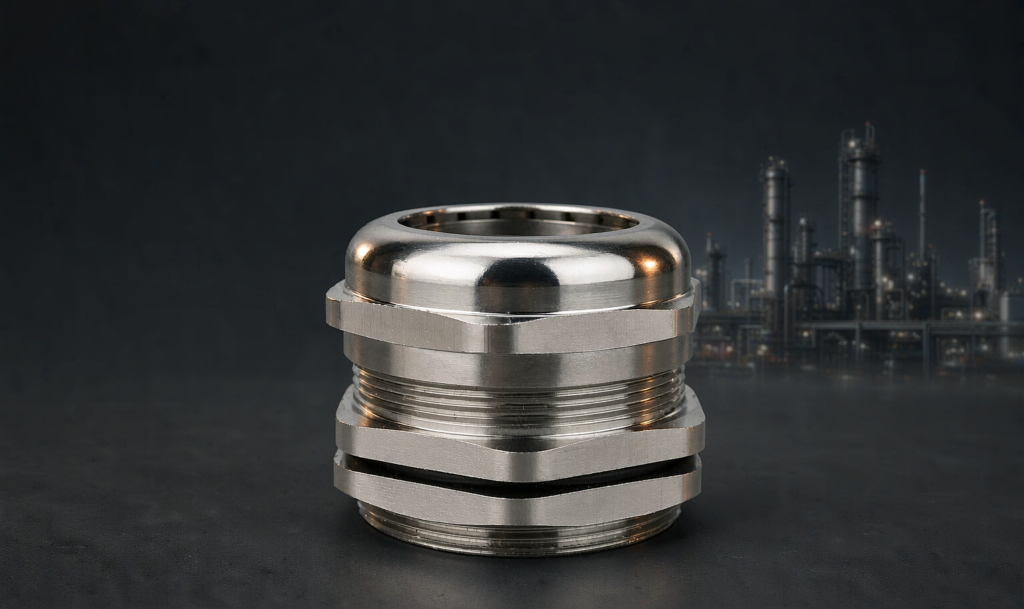
Zone 1 Cable Gland Selection: What Changes in Zone 2
Zone 1 and Zone 2 cable glands are selected from the area classification, not the catalogue. See how the zone sets the minimum EPL, what the gland marking must show, and the mistakes to avoid.


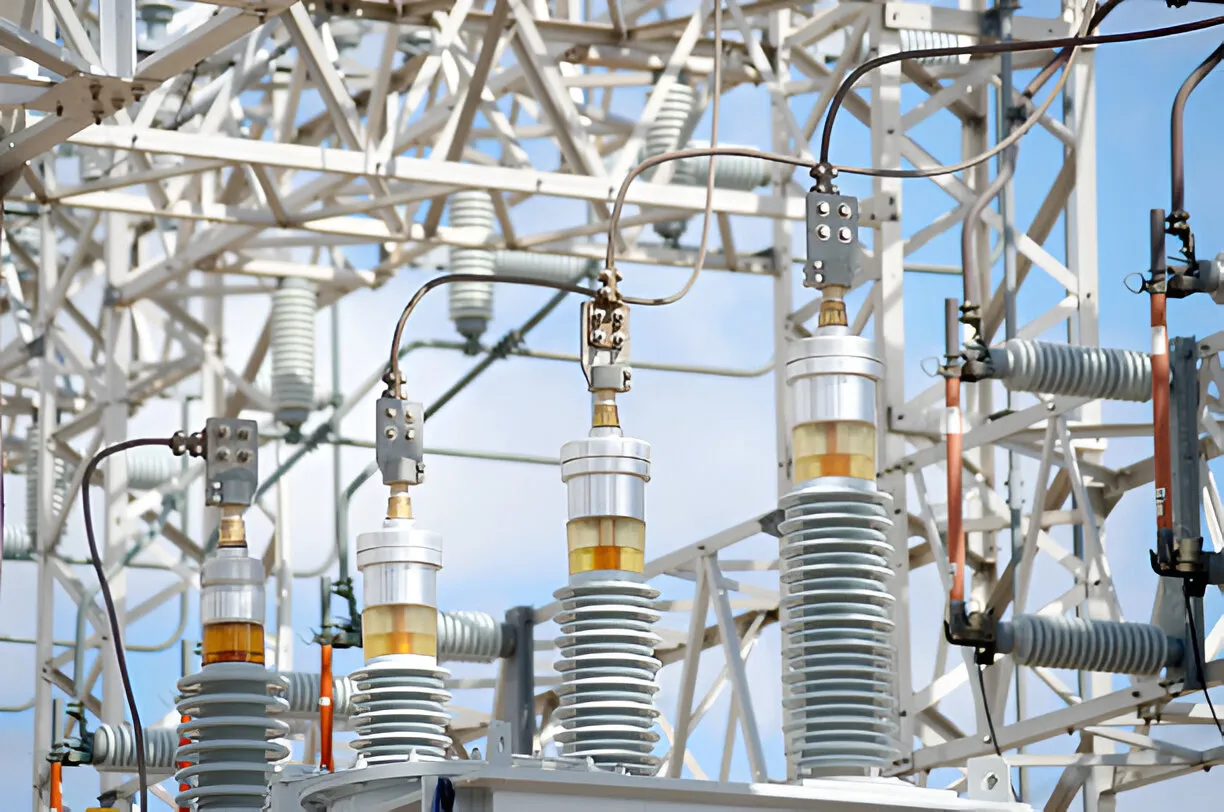
Used in distribution boards and control panels, cable glands organize, secure, and protect wiring, preventing cable pullout, short circuits, and ingress of dust or water in both residential and commercial buildings

In railway infrastructure, cable glands provide strain relief and environmental protection for signaling, control, and power cables along tracks and within train systems, ensuring safety and operational reliability
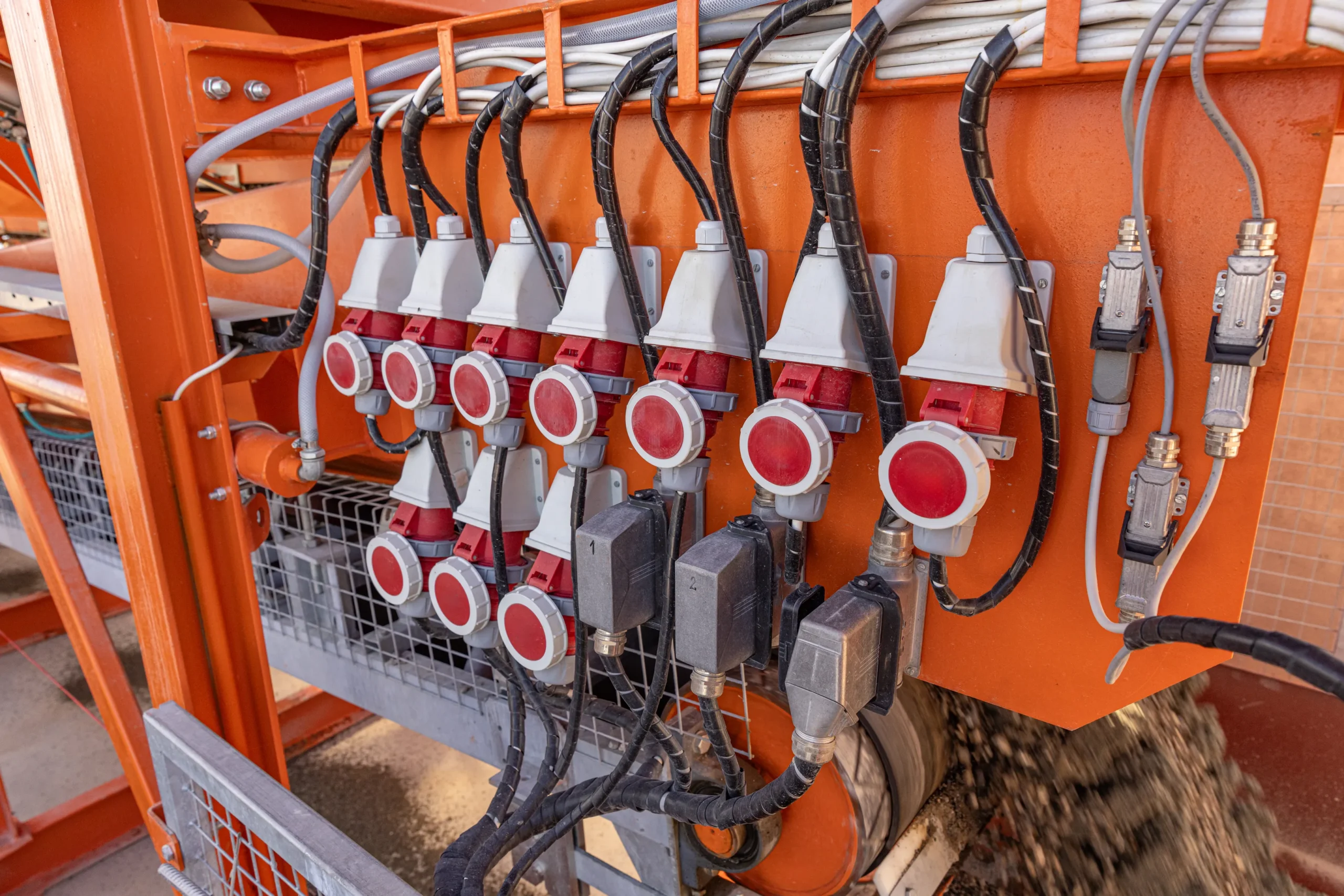
Cable glands are widely used in control cabinets and machinery to manage cables for automation equipment, robotics, and production lines, providing strain relief, environmental sealing, and compliance with safety standards



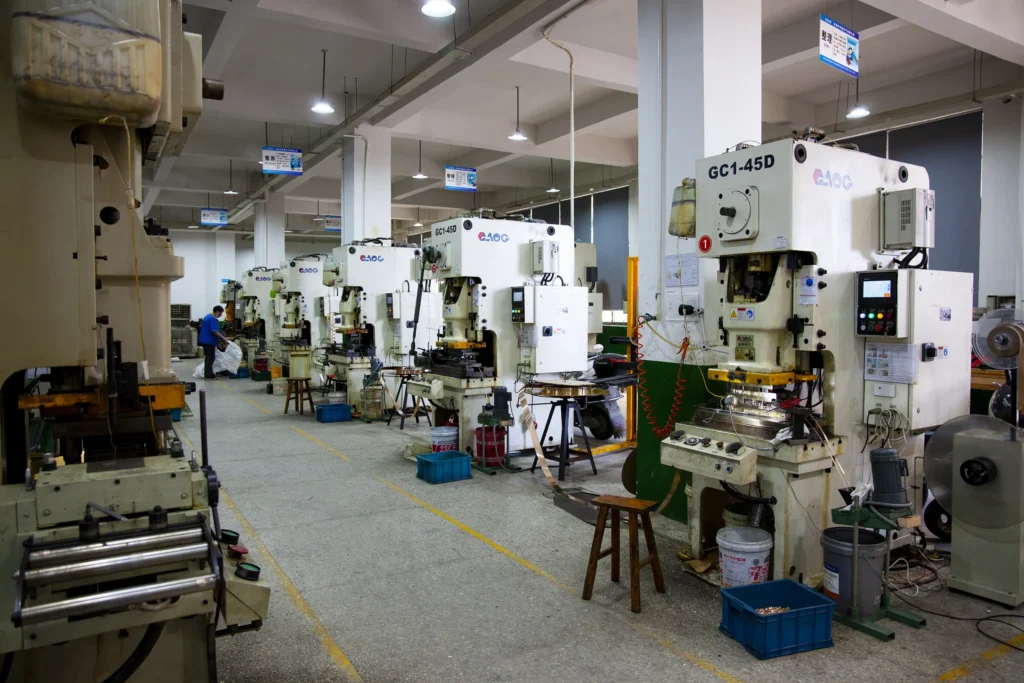
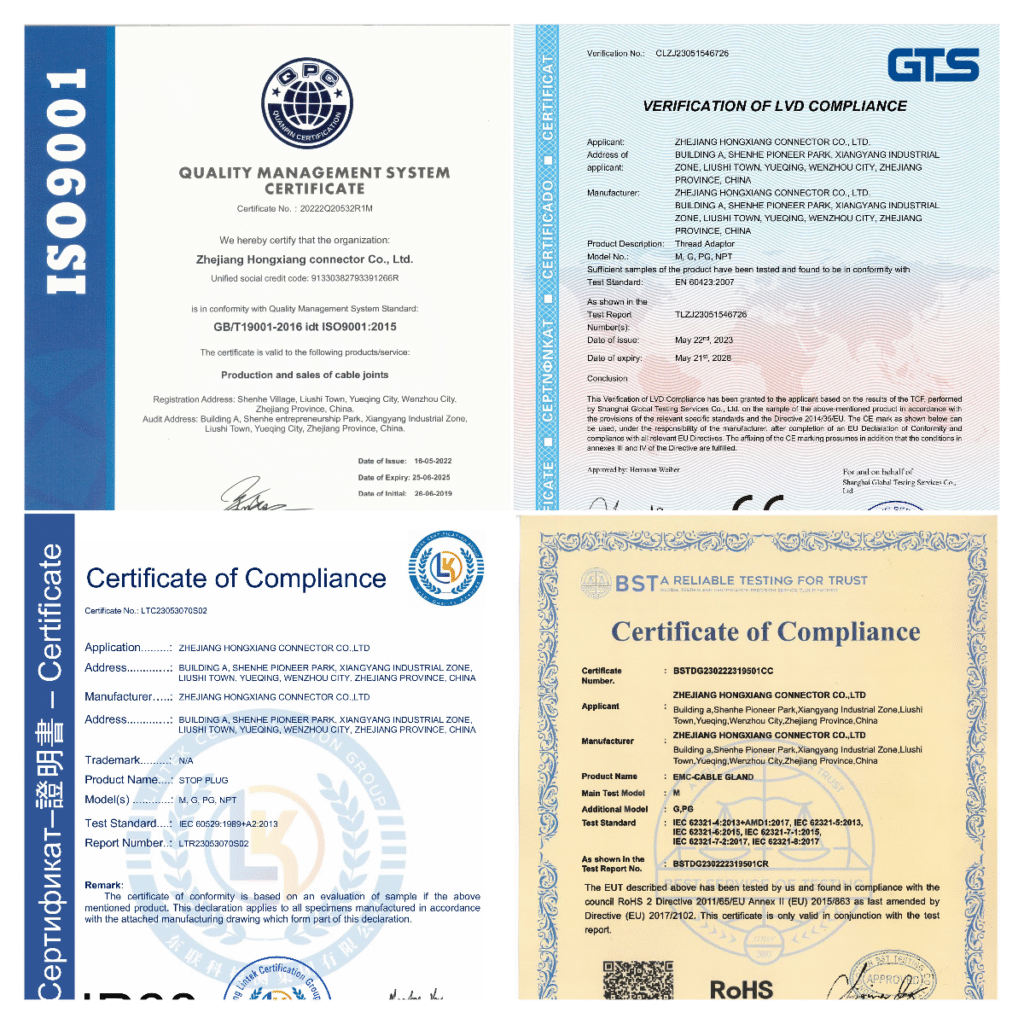

Zone 1 and Zone 2 cable glands are selected from the area classification, not the catalogue. See how the zone sets the minimum EPL, what the gland marking must show, and the mistakes to avoid.
Ex d and Ex e cable glands are not interchangeable: the protection concept comes from the enclosure, not the zone. Compare flame path design, internal sealing and cable entry consequences.
ATEX and IECEx both point at IEC 60079, but one is mandatory EU law and the other voluntary — and their assessment routes are not equivalent. How to read the certificate number before you order.