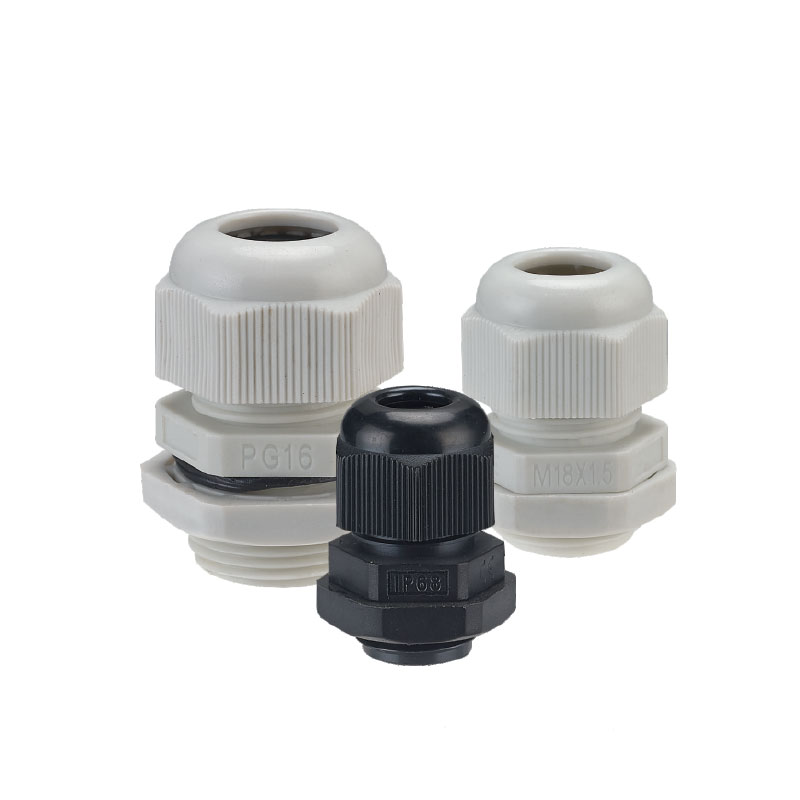
Have you ever struggled to choose the right cable gland? Don’t worry-you’re not alone! Cable gland may be small, but they play a key role in ensuring the safety and stability of your electrical systems. Whether you’re in industrial automation, petrochemicals, or marine engineering, choosing the wrong cable gland can lead to water leaks, short circuits, and even safety incidents, resulting in unnecessary repair costs and downtime.
In this article, we’ll walk you through the essential functions, types, and selection criteria for cable glands, helping you quickly find the most suitable product for your specific application. Whether you’re an engineer, procurement manager, or maintenance professional, this guide will help you make more confident and professional choices. Ready? Let’s dive into the world of cable glands!
Basic Functions and Types of Cable Glands
Main Functions of Cable Glands
Simply put, a cable gland is a device used to secure and seal cables where they enter equipment. Its main functions include:
Securing cables to prevent loosening or slipping
Providing waterproof and dustproof protection for internal electrical equipment
Preventing corrosion and extending equipment lifespan
Enhancing safety by preventing cable damage from pulling or twisting
Imagine if there were no cable glands-cables would be exposed at the entry point, allowing dust and moisture to enter freely and greatly increasing the risk of electrical failure.
Common Types of Cable Glands
Depending on your needs, cable glands can be divided into:
Standard type: Suitable for general industrial and commercial environments
Explosion-proof type: For hazardous areas such as oil, gas, and mining, compliant with ATEX and IECEx certifications
EMC (Electromagnetic Shielding) type: For shielded cables, preventing electromagnetic interference
Multi-hole type: Secures multiple cables at once, saving space
Vent gland type: Allows air flow, preventing pressure build-up in equipment
Each type has its unique design and function, so be sure to match the type to your actual environment.
Key Factors for Selecting Cable Glands in Different Applications
The most critical aspect of choosing the right cable gland is understanding your application scenario. Here are some key points to consider:
Matching Cable Types
Armored cables: Require glands with mechanical clamping to securely fix the armor layer.
Non-armored cables: Usually have a plastic or rubber sheath; standard or waterproof glands are sufficient.
Shielded cables: Need EMC-type glands to ensure grounding and prevent electromagnetic interference.
Multi-core or multiple cables: Multi-hole glands are ideal for saving installation space and making management easier.
Environmental Factors
Indoor environments: Standard or plastic glands are usually sufficient.
Damp or corrosive environments: Stainless steel (316) is recommended for salt spray and chemical resistance.
High or low temperatures: Choose materials with good temperature resistance, such as brass or special plastics.
Hazardous areas: Explosion-proof certified glands are a must for safety and compliance.
Material Selection
Material
Advantages
Suitable Environments
Plastic (Nylon)
Lightweight, corrosion resistant, economical
General industrial, indoor
Nickel-plated brass
High mechanical strength, corrosion resistant
Industrial, distribution boxes, outdoor
Stainless Steel 304/316
Superior corrosion resistance, high strength
Marine, chemical, hazardous
Size and Thread Specifications
Select the gland size based on the cable’s outer diameter to ensure the sealing ring fits snugly.
Common thread types include Metric (M), NPT (National Pipe Thread), and PG (Panzer-Gewinde).
The wrong size can cause poor sealing or installation difficulties.
Certifications and Standards
IP Ratings: IP66, IP67, and IP68 are common-higher numbers mean better protection.
Explosion-proof certifications: ATEX, IECEx, UL, CSA, etc., for safe use in hazardous areas.
Industry standards: Such as EN45545 (railways), NEMA (North America), and others.
Cable Gland Selection Process
Choosing the right cable gland isn’t as complicated as it seems-just follow these six steps:
Identify your application and industry needs: Are you in industrial automation or marine engineering?
Determine cable type and specifications: Is it armored or non-armored? What’s the cable diameter?
Assess environmental conditions: Is it indoors or outdoors? Any corrosion or explosion-proof requirements?
Choose the right material and protection level: Plastic, brass, or stainless steel? What IP rating do you need?
Confirm thread type and size: Make sure it matches your equipment interface.
Check certifications and standards: Ensure compliance for safety and industry regulations.
Typical Application Scenarios and Selection Recommendations
Application
Recommended Gland Type
Material Suggestion
Certification Requirement
Industrial Automation
Standard/Multi-hole
Plastic/Brass
IP68
Petrochemical (Hazardous)
Explosion-proof (Exe/Exd)
Stainless Steel/Brass
ATEX, IECEx, IP68
Marine & Shipbuilding
Waterproof & Corrosion-resistant
316 Stainless Steel
IP68, Corrosion resistance
Power Distribution Box
Standard/EMC
Brass/Stainless Steel
UL, CSA
Communication Equipment
Multi-hole/Vent
Plastic/Brass
IP66/IP68
For example, if you’re a marine equipment manufacturer, we recommend using 316 stainless steel waterproof glands-they resist salt spray corrosion and ensure long-term stable operation.
Choosing the right cable gland is no small matter. The correct choice not only ensures equipment safety but also saves maintenance costs and improves system stability. We hope this guide helps you clarify your options and make informed decisions.
Still unsure about your selection? Want to know more about customized solutions? Feel free to contact us! With extensive industry experience and a diverse product range, we offer professional advice and high-quality samples tailored to your needs.
Choosing the right waterproof cable gland is crucial for ensuring the safety and longevity of your electrical and industrial installations. These small but mighty components protect cables from water, dust, and environmental damage, making them indispensable in many sectors—from telecommunications to marine and heavy industry. But how do you select the right protection level and […]
Strain relief keeps load off the terminals, not off the cable. The three mechanisms, what determines pull-out resistance, and when a gland is not enough.
We use cookies to enhance your browsing experience, serve personalised ads or content, and analyse our traffic. By clicking "Accept All", you consent to our use of cookies.