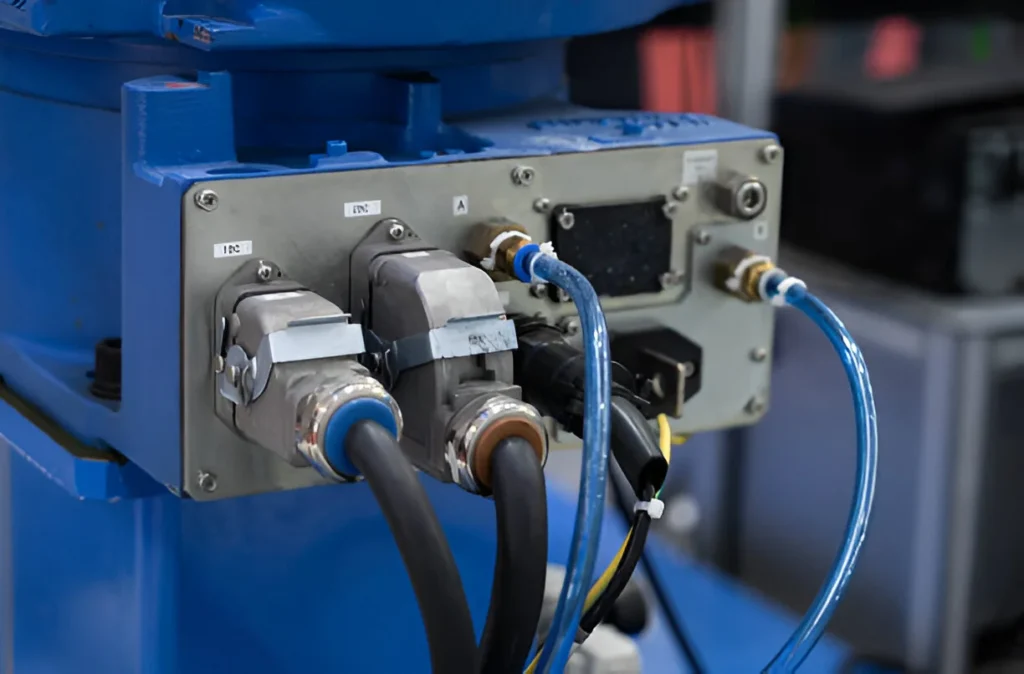
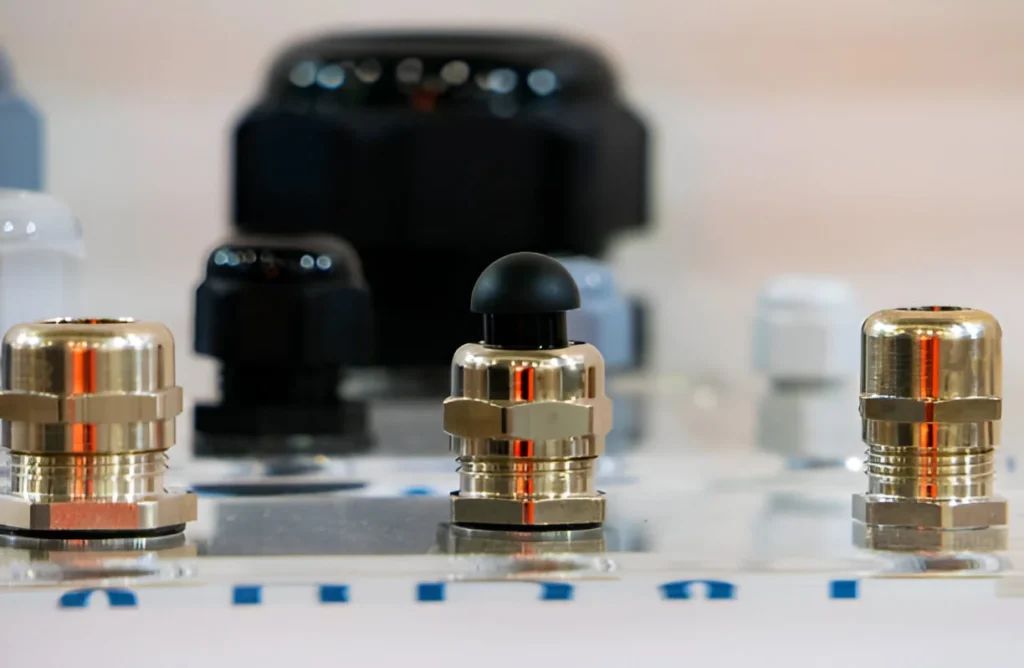
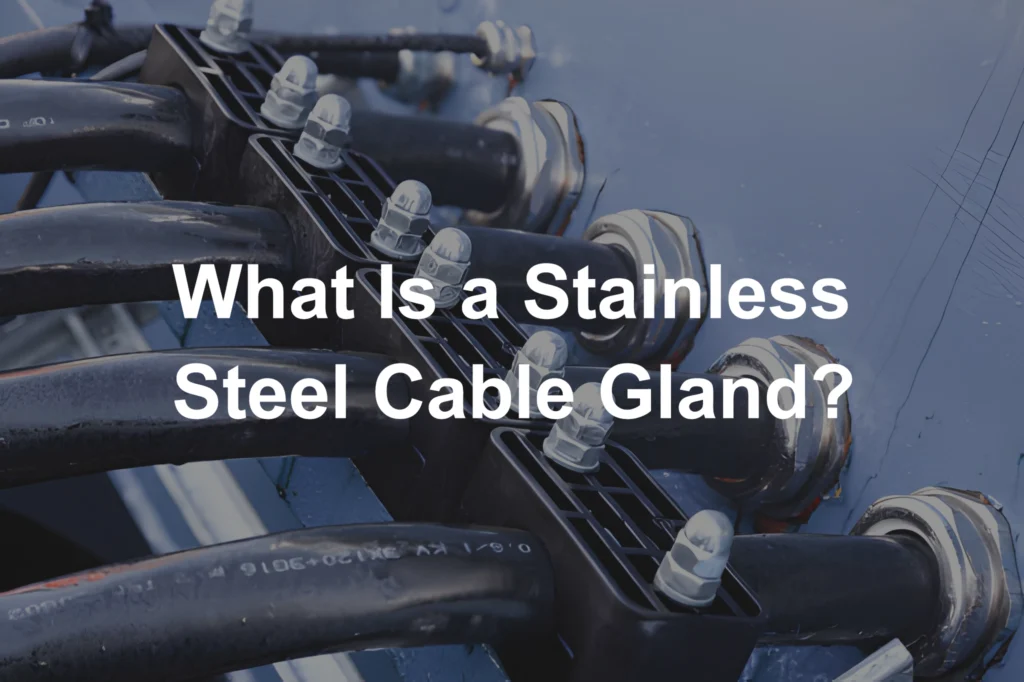
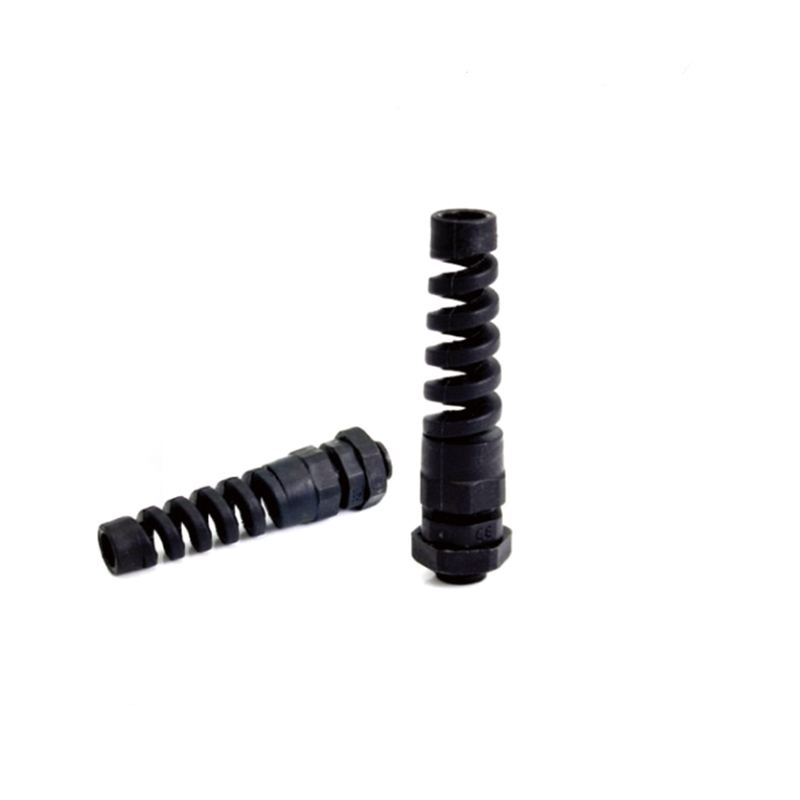
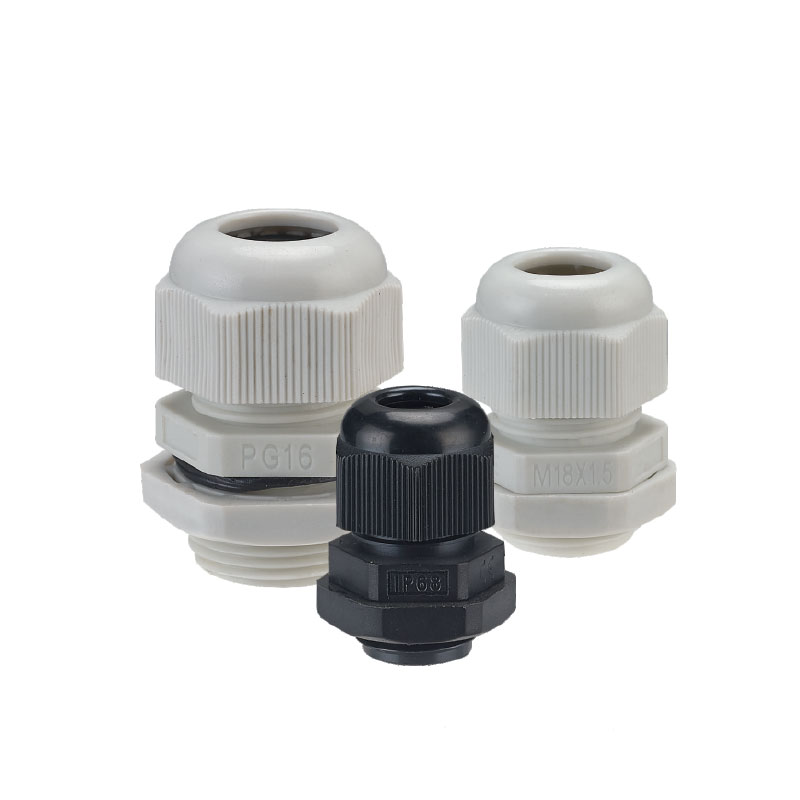
Cable gland stainless steel is more than a protective housing for electrical cables. It represents a blend of durability, reliability, and precise engineering that keeps critical systems performing under demanding conditions. Whether you’re designing offshore equipment, mining machinery, or industrial automation, choosing the right cable gland made from stainless steel can simplify maintenance, improve safety, and extend equipment life.
In this article, we’ll explore why stainless steel cable glands are a preferred choice, how to select the right grade and size, common installation considerations, and practical tips to optimize performance.
What makes cable gland stainless steel special?
A cable gland serves two primary roles: sealing the entry point for cables and providing strain relief. When the mission critical environment demands corrosion resistance, high temperature tolerance, and robust mechanical strength, stainless steel becomes a natural fit. The material resists rust, pitting, and wear, even when exposed to salt spray, chemicals, or abrasive dust. The result is fewer failure modes, reduced downtime, and more predictable performance.
Stainless steel cable glands come in several grades, with SS304 and SS316 being the most common. SS304 offers good corrosion resistance for general-use environments and is cost-effective. SS316 provides superior resistance to chlorides and seawater, making it ideal for marine applications or facilities near coastal areas. The choice between grades often depends on exposure conditions, temperature, and maintenance expectations.
Key advantages include
Exceptional corrosion resistance for harsh environments
High mechanical strength to protect cable assemblies
Cleanable and reusable components for long service life
Compatibility with a wide range of cable diameters and sheath types
Flexible sealing options that accommodate various IP ratings
The role of sealing and ingress protection
Cable glands rely on sealing compounds, O-rings, and locking mechanisms to prevent moisture, dust, and chemicals from entering the enclosure. In a stainless steel gland, the seal is as important as the body. A well-designed seal maintains the integrity of the enclosure even when cables experience bending, flexing, or vibration.
When you’re selecting a gland for an IP-rated enclosure, you’ll want to verify the gland’s ability to maintain pressure and resist ingress under the expected temperature ranges. For example, an IP68-rated gland should withstand continuous immersion, while an IP69K-rated gland is designed for high-pressure, high-temperature washing environments. Matching the seal type to your application is critical for long-term reliability.
Material compatibility and thermal considerations
Stainless steel glands aren’t a one-size-fits-all solution. While the stainless body offers corrosion resistance, the sealing materials (elastomers), grommets, and coatings must be compatible with the environment and the cable insulation. Temperature can influence both the seal and the jacket materials. In high-heat zones, choose seals and gaskets rated for elevated temperatures to prevent premature aging.
If your environment involves aggressive chemicals, verify chemical compatibility with the seal elastomer and any interior coatings. When in doubt, consult the gland manufacturer’s data sheet for a complete material compatibility chart.
Sizes, configurations, and mounting options
Stainless steel cable glands come in a range of sizes to cover common cable diameters. They are available in straight, 90-degree, and bulkhead mounting configurations to fit various panel thicknesses and enclosure designs. Some glands incorporate diaphragms or compression seals for cables with special jacket materials. It’s essential to measure the outer diameter of your cable with a caliper and reference the gland’s rated range. For hazardous environments, consider glands that meet additional certifications for flame retardancy and explosion protection.
Installation basics and best practices
Installing a stainless steel cable gland correctly maximizes performance and longevity. Start by selecting the correct gland size for your cable. Remove any protective coatings if needed and ensure the cable jacket is clean. Insert the cable through the gland and tighten the compression nut gradually while checking for uniform compression around the seal.
Tighten to the manufacturer’s torque specification to avoid over-compression, which could damage the seal or cable jacket. After installation, gently bend the cable to test the strain relief and re-check the seal for any signs of leakage or movement. For added protection, use a gasket between the gland and enclosure panel to improve sealing and reduce vibrations.
Rare but important considerations include:
Ensuring the mounting surface is clean and free of burrs
Verifying that the gland’s thread type matches the enclosure (BSP, NPT, or metric)
Using appropriate lubricants that don’t degrade seals
Checking for compatibility with any mounting hardware and O-ring sizes
Periodic inspection to detect seal wear or corrosion on the gland body
Performance testing and maintenance routines
Regular inspection helps catch problems early. Visual checks for corrosion, seal cracking, or loosening are a good start. For critical systems, perform leak tests by applying gentle pressure to the enclosure and observing for changes in the internal environment. Record inspection results to track wear trends and plan replacements before failures occur.
For long-term reliability, schedule a periodic seal replacement, especially in systems with continuous vibration, chemical exposure, or temperature cycling. Maintenance plans should also include cleaning protocols to prevent build-up of dust and debris in the sealing interfaces.
Compatibility with cable types and jacket materials
Cable glands must accommodate the insulation and jacket materials of the cables. Common jackets include PVC, PE, PTFE, and elastomer-based sheaths. A gland that is too tight can crush the jacket, while one that is too loose can allow movement and potential ingress. Permanent locking mechanisms and strain relief features help protect the cable from pull forces.
When selecting a gland for a specific cable type, verify the gland’s rated cable range and ensure the seal material remains compatible with the insulation chemistry over time. For specialty cables, such as armoured or braided shields, consider glands with additional packing or armor-friendly designs.
Industry standards and certifications
In many applications, standards and certifications guide gland selection. Look for products with IP ratings, temperature ratings, and certifications such as NEMA, ATEX, IECEx, or UL for electrical equipment. These marks provide confidence that the gland meets performance and safety expectations in specific environments. When the environment includes potential exposure to explosive atmospheres, selecting ATEX or IECEx certified glands ensures compliance and reduces risk.
Choosing a cable gland stainless steel solution combines resilience with reliability. From offshore platforms to factory floors, these glands provide robust protection for cables while supporting long service life and easier maintenance. By understanding grade choices, sealing compatibility, and installation best practices, you can select a gland that keeps your systems safe, compliant, and efficient.
If you’d like tailored recommendations for your specific application—whether you’re seeking IP68 stainless steel glands for hazardous areas or SS316 solutions for marine environments—send us a message or request a quote. We’re here to help you find the right fit and get it installed with confidence.
FAQ
What is a stainless steel cable gland and what does it do?
A stainless steel cable gland is a sealing and strain-relief component designed to pass electrical cables through an enclosure while protecting against dust, moisture, and mechanical stress. Its stainless body provides corrosion resistance in harsh environments, extending the life of the installation.
How do I choose the right stainless steel cable gland size?
Measure the outer diameter of the cable jacket and consult the gland’s approved cable range. Consider the enclosure thickness, mounting style, and the required IP rating. If the environment includes saltwater or chemicals, opt for SS316 and compatible seals.
Are there special considerations for offshore or marine use?
Yes. Choose glands with high corrosion resistance (preferably SS316), superior sealing, and certifications such as IP68 or IP69K. Ensure the gland is compatible with your cable type and enclosure hardware, and verify maintenance intervals.
Can stainless steel glands be disassembled and reused?
Many stainless steel glands are designed for serviceable assembly with replaceable seals. Reuse depends on the gland model and whether the seals and gaskets remain in good condition after disassembly.
What maintenance is recommended for stainless steel cable glands?
Regular visual inspections for corrosion and seal integrity, leak testing when applicable, and periodic replacement of elastomer seals. Clean interfaces to prevent debris buildup and ensure proper sealing during reassembly.
Stainless steel cable gland are essential components used to securely attach and seal cables to electrical equipment. They protect cables from mechanical stress and environmental hazards such as moisture, dust, and chemical exposure. Unlike glands made from plastic or brass, stainless steel cable glands offer superior durability, corrosion resistance, and strength, making them ideal for […]
Stainless steel cable gland play a key role in cable entry protection for industrial equipment. They ensure a secure connection, seal out dust and moisture, and provide excellent strain relief. When selecting a cable gland, the thread type is one of the most important considerations — especially for markets that follow American standards. That’s where […]
Stainless steel cable gland are essential components for protecting cable entry points in industrial equipment. They offer strong mechanical protection, waterproof sealing, and excellent corrosion resistance — especially in harsh and outdoor environments. But selecting the correct size and thread specification is critical to ensure safety and long-term performance. This guide will help you quickly […]
We use cookies to enhance your browsing experience, serve personalised ads or content, and analyse our traffic. By clicking "Accept All", you consent to our use of cookies.