When it comes to managing cables in industrial settings, cost is always a major concern. Choosing between nylon cable glands and plastic cable glands is often the first decision to make for procurement teams looking to balance quality and budget. Both materials offer distinct advantages, but which one is the smarter choice for price-sensitive projects?
Let’s take a close look at their performance, cost, and practical applications so you can make an informed decision for your next installation.
Understanding Nylon Cable Glands and Their Role
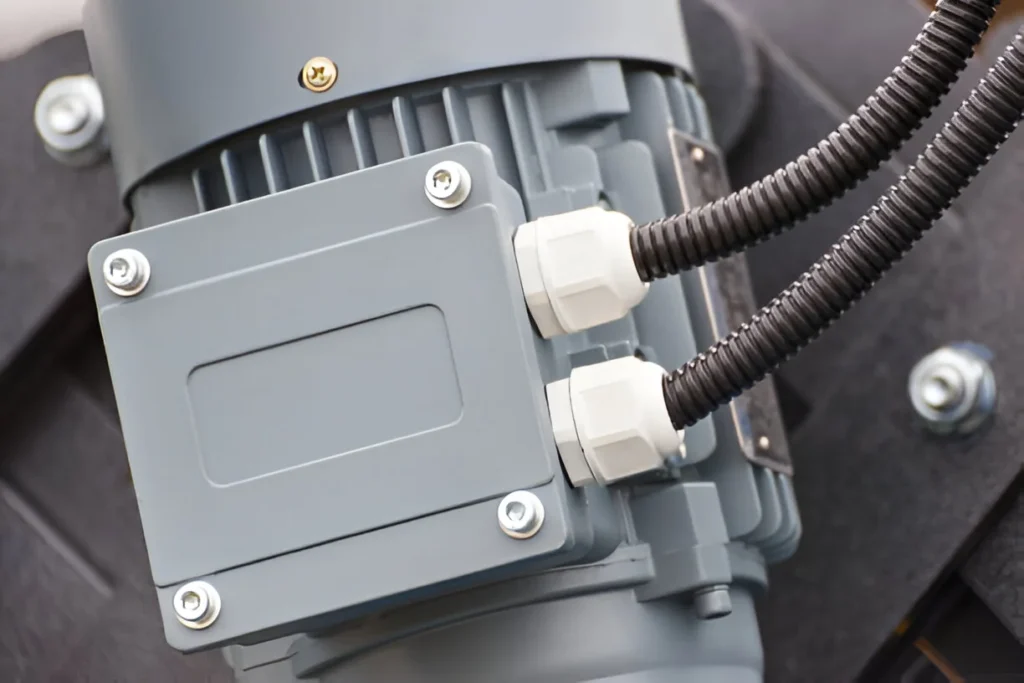
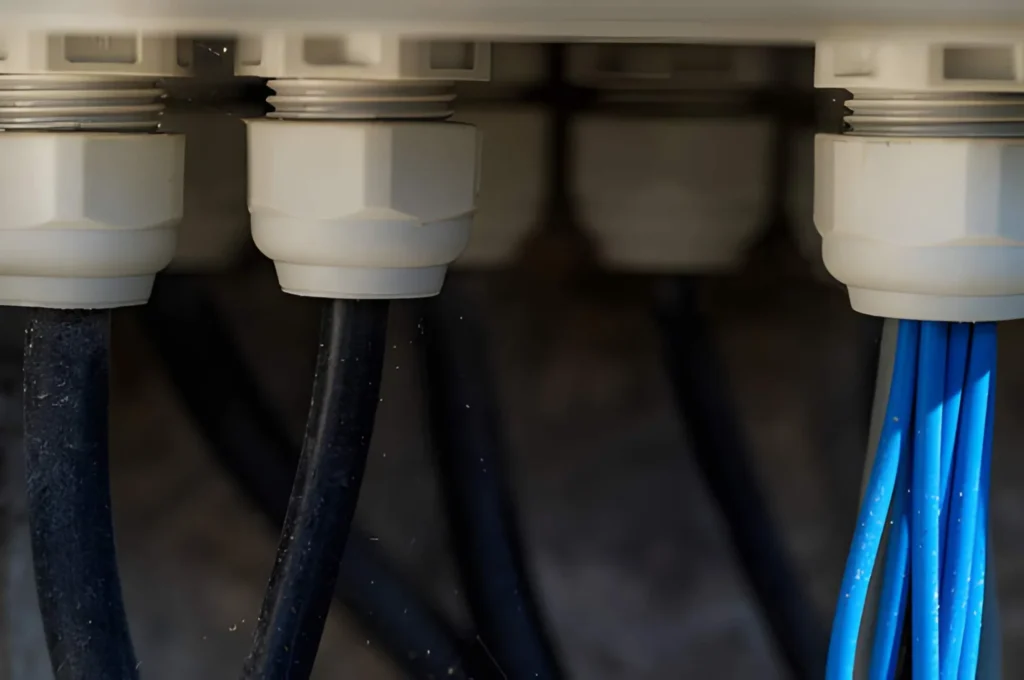
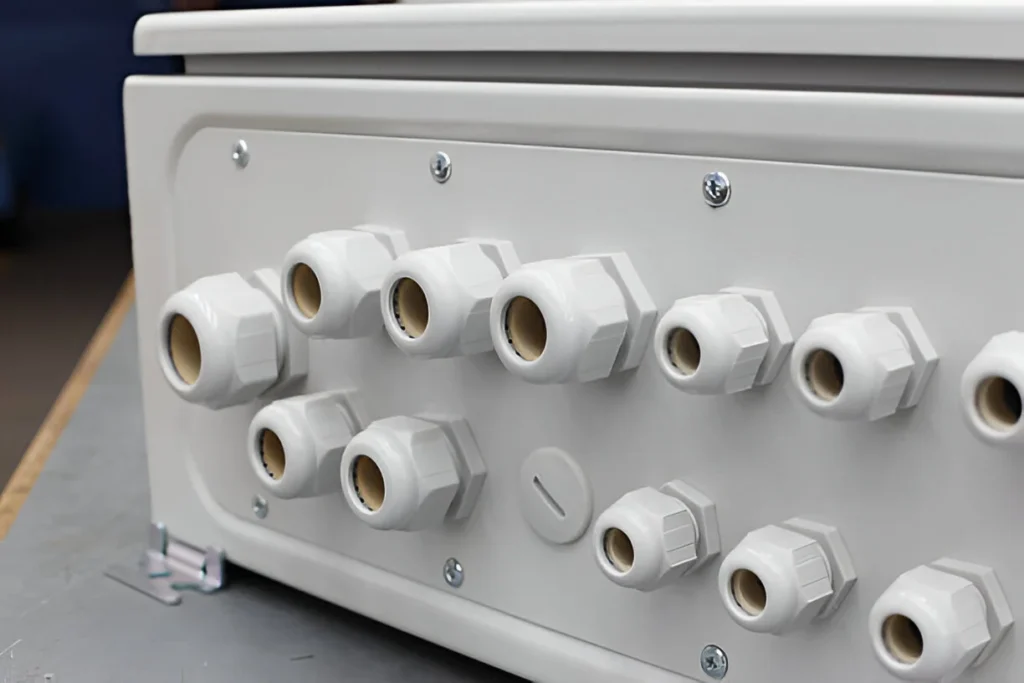
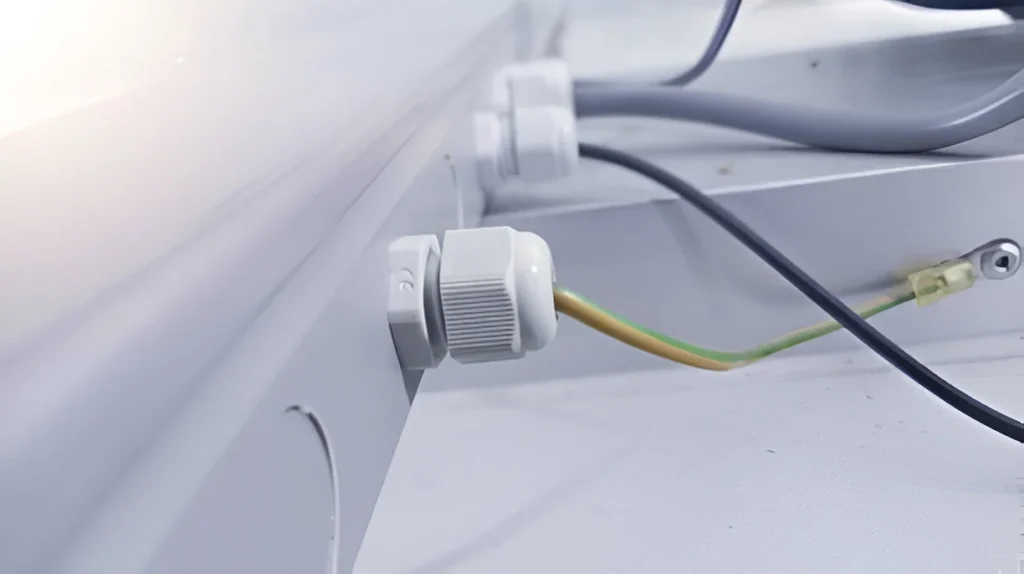
Cable glands are essential components used to secure and protect cables entering electrical equipment. They prevent dust, moisture, and mechanical stress from damaging internal connections. In industrial environments—especially those involving vibration, heat, and humidity—choosing the right gland material can significantly affect equipment reliability and maintenance costs.
Common materials include nylon (polyamide), plastic (PVC or PP), brass, aluminum, and stainless steel. Among these, nylon and plastic cable glands dominate in cost-sensitive environments due to their affordability and corrosion resistance.
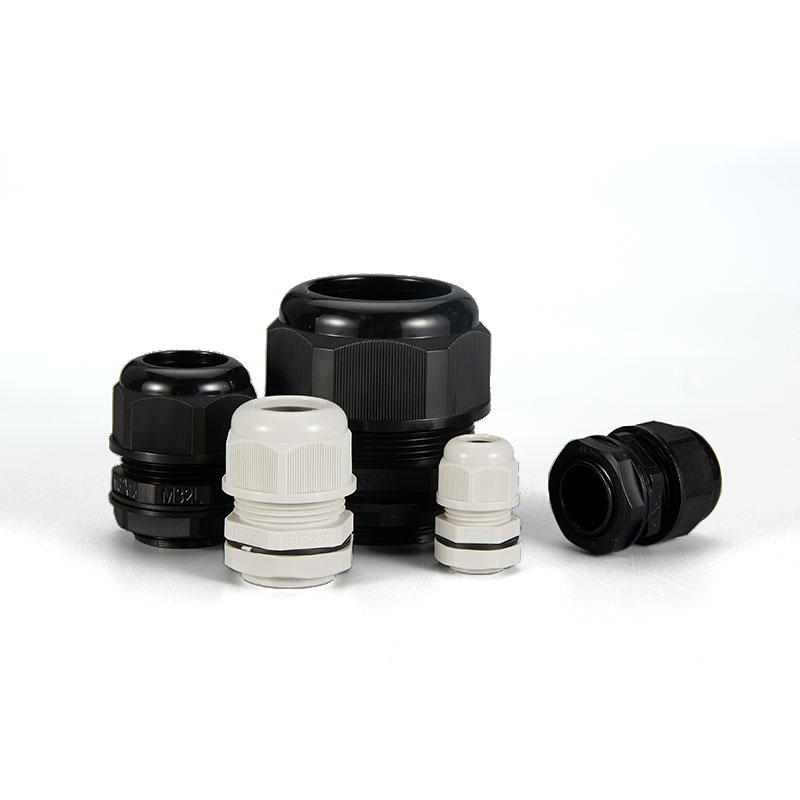
Although nylon is technically a type of plastic, it offers higher performance because of its molecular structure and durability. Here’s how they compare:
Feature
Nylon Cable Gland
Plastic Cable Gland
Material Type
Polyamide (PA6, PA66)
PVC or Polypropylene
Temperature Resistance
-40°C to +120°C
-20°C to +80°C
Impact Strength
High
Moderate
UV Resistance
Excellent
Limited
Environmental Resistance
Resistant to oil, grease, and UV
Basic chemical resistance
Price
Slightly higher upfront
Lower initial cost
Lifespan
Longer service life
Shorter lifespan
At first glance, plastic glands seem more economical. But when you factor in durability and lifespan, nylon cable glands often offer better long-term value—especially in demanding applications.
When Is Nylon Cable Gland the Better Choice?
Nylon cable glands are popular in industrial automation, renewable energy systems, and machinery manufacturing. Why? Because they deliver robust mechanical strength and maintain performance under tough conditions.
Key advantages:
Superior insulation: Nylon’s high dielectric strength ensures electrical safety.
Excellent tensile strength: Minimizes cable strain in high-vibration setups.
UV and weather resistance: Ideal for outdoor installations like solar panels or wind turbines.
Flame retardant options: Compliant with UL94 V-0 standards, suitable for safety-critical projects.
If your project involves continuous exposure to sunlight, temperature fluctuations, or mechanical vibrations, nylon cable glands are worth the small cost premium. They reduce maintenance intervals and downtime—something every project manager values.
When Are Plastic Cable Glands the More Cost-Effective Option?
If your applications are indoor, low-voltage, or temporary setups, plastic cable glands may be entirely sufficient. For example, lighting systems, distribution boxes, or low-intensity control panels benefit from plastic glands’ budget-friendly nature.
Typical use cases:
Control cabinets in controlled environments
Office or commercial electrical setups
DIY installations and one-off projects
Plastic glands’ biggest strength lies in simplicity and affordability. They perform well in settings where temperature, UV exposure, and vibration are minimal.
A quick purchasing tip: If your product design targets short-lifecycle consumer devices, the savings from plastic glands can accumulate quickly without compromising quality.
Cost Comparison: Nylon vs. Plastic in Real-World Scenarios
Let’s visualize how costs evolve over time for both types.
Project Type
Recommended Material
Initial Cost
Maintenance Needs
Lifespan
Overall Value
Outdoor solar junction boxes
Nylon
Medium
Low
5–10 years
Excellent
Indoor lighting panel
Plastic
Low
Moderate
2–5 years
Good
Automation control system
Nylon
Medium
Very low
8–12 years
Excellent
Temporary exhibition wiring
Plastic
Very low
Low
Short-term
Excellent
While plastic cable glands offer immediate savings, nylon minimizes long-term maintenance costs—making it the preferred choice for systems that must run reliably for years.
Want a cost-efficient and reliable solution for your next industrial project? Send us your specifications, and we’ll help you select the ideal nylon cable gland model for your setup.
Want a cost-efficient and reliable solution for your next industrial project?
Contact our team for a quick quote or technical consultation — we’ll help you select the best model for your environment and budget.
Price-sensitive buyers often focus on the per-unit cost of cable glands, but other hidden factors influence the total cost of ownership.
1. Installation Time
Nylon glands’ sturdy threads and secure sealing rings allow faster installation, especially when large volumes are involved. Technicians appreciate fewer rethreads or damaged threads compared to low-grade plastic.
2. Environmental Maintenance
In humid or chemical environments, plastic glands might degrade faster, requiring replacements. Nylon’s higher resilience reduces the frequency of such interventions.
3. Spare Parts Compatibility
Standardized accessories—like sealing washers, locknuts, and O-rings—are easier to match with nylon glands from trusted manufacturers. This ensures procurement consistency.
4. Downtime Costs
Each replacement interrupts operations. Over a few years, this downtime expense can exceed the initial material savings from plastic glands.
Compliance and Safety Considerations
Many industries require cable glands that meet UL, CE, IP68, or RoHS standards. Nylon cable glands often meet or exceed these classifications due to their resistance to flame and corrosion.
Certification
Nylon Cable Gland
Plastic Cable Gland
UL Approval
Available
Sometimes available
IP Rating
IP67–IP68
IP65–IP66
RoHS Compliance
Yes
Usually yes
Flammability
UL94V-0/V-2
V-2 or none
If your project must meet electrical or environmental certifications, nylon cable glands can make approval smoother and faster.
How to Choose the Right Nylon Cable Gland Size
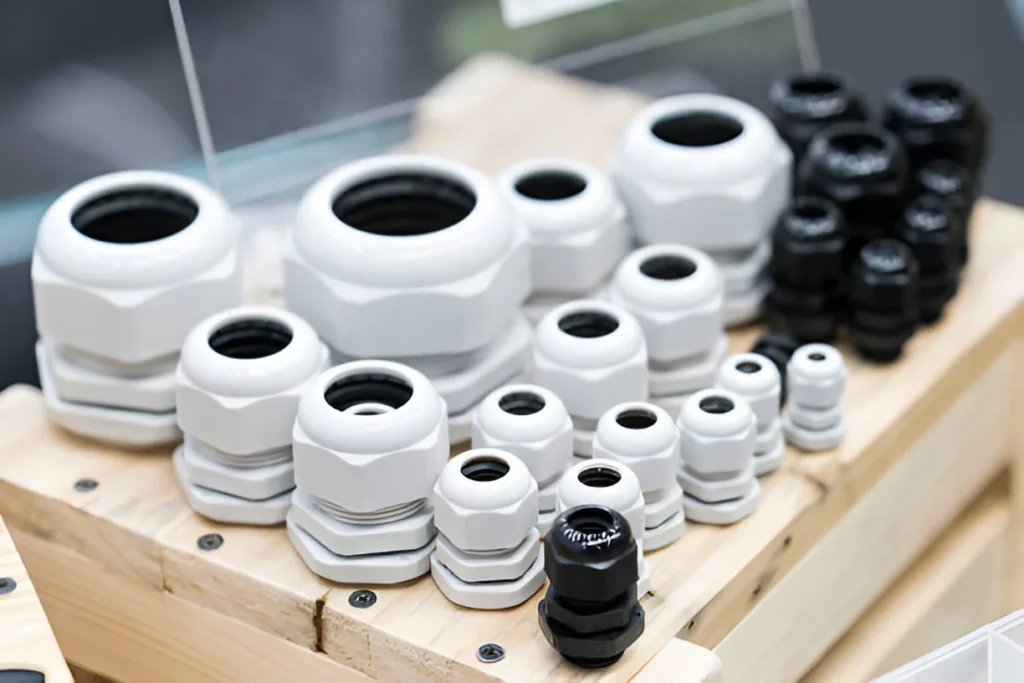
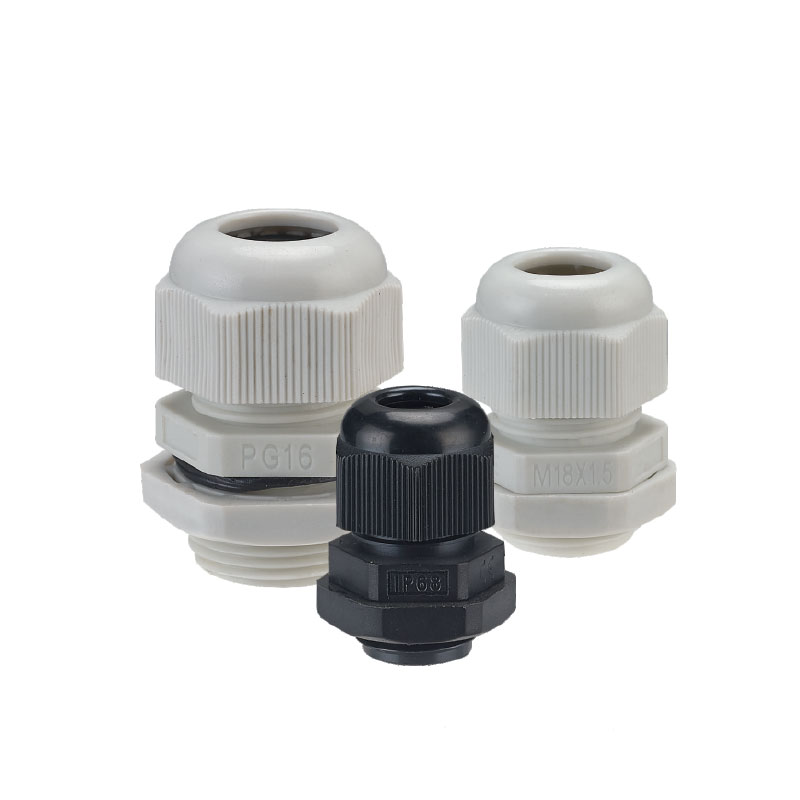
Cable gland selection depends on cable diameter, thread type (PG, NPT, or Metric), and sealing requirements. Here’s a sizing reference:
Thread Type
Cable Range (mm)
Typical Applications
M12
3–6.5
Compact control sensors
M16
4–8
Small enclosures
M20
6–12
Junction boxes
M25
9–17
Machine wiring
M32
12–21
Large cable entries
Pro tip: Always select glands with a sealing range that overlaps your cable diameter by about 20%. This ensures a tight IP-rated seal and prevents slippage.
Environmental Impact Sustainable Options
Sustainability is increasingly part of modern procurement decisions. Nylon glands, being recyclable and durable, generate less waste over their lifespan. Some manufacturers now offer eco-friendly polyamide blends that meet sustainability standards without compromising strength.
Plastic glands, while recyclable, often have shorter lifecycles and may become brittle under UV exposure, leading to more frequent replacements.
For companies looking to align cost-saving goals with environmental responsibility, high-quality nylon cable glands strike the right balance.
Common Problems and How to Avoid Them
To ensure smooth operation, avoid these common installation mistakes:
Over-tightening the gland cap, which can damage sealing rings.
Using mismatched thread types, such as mixing metric and PG.
Ignoring IP ratings, resulting in moisture ingress.
Choosing low-quality, unbranded glands, risking material failure.
Partnering with a verified supplier ensures consistent quality and technical support—especially for large-scale industrial projects.
When every dollar counts, it’s tempting to pick the lowest-cost component. Yet, nylon cable glands consistently deliver greater value in the long run for most industrial and automation projects. They last longer, perform better, and help maintain system reliability—even under tough conditions.
Plastic cable glands remain practical for indoor or short-term applications, but when durability, compliance, and performance matter, nylon is the smarter investment.
Looking for verified nylon cable gland suppliers for your price-sensitive projects? Contact our team for a quick quote or technical consultation — we’ll help you select the best model for your environment and budget.
FAQ
Are nylon cable glands stronger than plastic ones?
Yes, nylon glands—especially PA66-grade—offer higher tensile strength and better temperature resistance, ideal for demanding environments.
Are they suitable for outdoor installations?
Definitely. Nylon’s UV and weather resistance make it reliable for solar systems, outdoor lighting, and marine applications.
How do nylon glands compare to brass ones?
Brass provides superior mechanical protection, but it’s heavier and costlier. Nylon offers a balance of strength, affordability, and corrosion resistance.
Can nylon glands be reused?
While physical reusability depends on wear, nylon retains structural integrity better than standard plastic glands.
What IP ratings should I look for?
Choose IP68 nylon cable glands for waterproof performance in heavy-duty or outdoor scenarios.
Do nylon glands meet international electrical standards?
Yes. Reputable brands manufacture nylon glands that comply with UL, CE, and RoHS standards.
Table of Contents
Want a cost-efficient and reliable solution for your next industrial project?
Contact our team for a quick quote or technical consultation — we’ll help you select the best model for your environment and budget.
Product Overview Introduction GHX black nylon cable glands are engineered to provide reliable and durable cable entry solutions for demanding industrial and outdoor applications. Manufactured from high-grade PA66 polyamide, these cable glands deliver exceptional strength, flame retardancy (UL94 V-2), and resistance to environmental factors. Core Value Proposition Our black nylon cable glands offer superior strain […]
Have you ever wondered how those electrical cables passing through panels or junction boxes stay so secure and watertight? That’s exactly where nylon cable glands come into play. Though small, these components are vital for ensuring safety, stability, and durability in cable management systems. Whether used in automation, lighting, or solar PV applications, a nylon cable gland helps connect, […]
Every engineer or purchaser working with cable assemblies knows the frustration of mismatched components. You order a batch of nylon cable gland for your project, and once they arrive—you realize half of them don’t fit your cable diameter or IP rating requirements. Sound familiar? That’s where understanding a nylon cable gland specification becomes essential. In this post, […]
We use cookies to enhance your browsing experience, serve personalised ads or content, and analyse our traffic. By clicking "Accept All", you consent to our use of cookies.