Selecting the right nylon cable gland might sound like a small detail, but for engineers and procurement specialists, it’s often the difference between a safe, efficient installation and costly downtime. Whether you’re designing electrical panels for automation equipment, marine enclosures, or solar junction boxes, knowing the correct nylon cable gland size chart is essential.
Let’s explore everything B2B buyers and technical teams need to know — from sizing and materials to compatibility and certification — so you can make the right call for your next project.
What Is a Nylon Cable Gland?
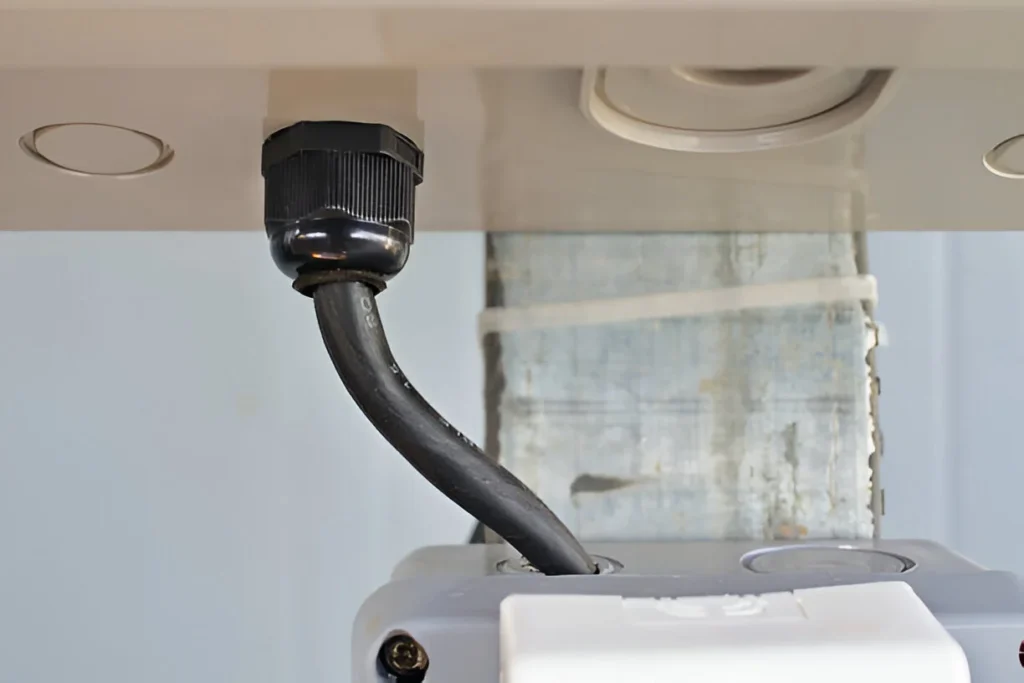
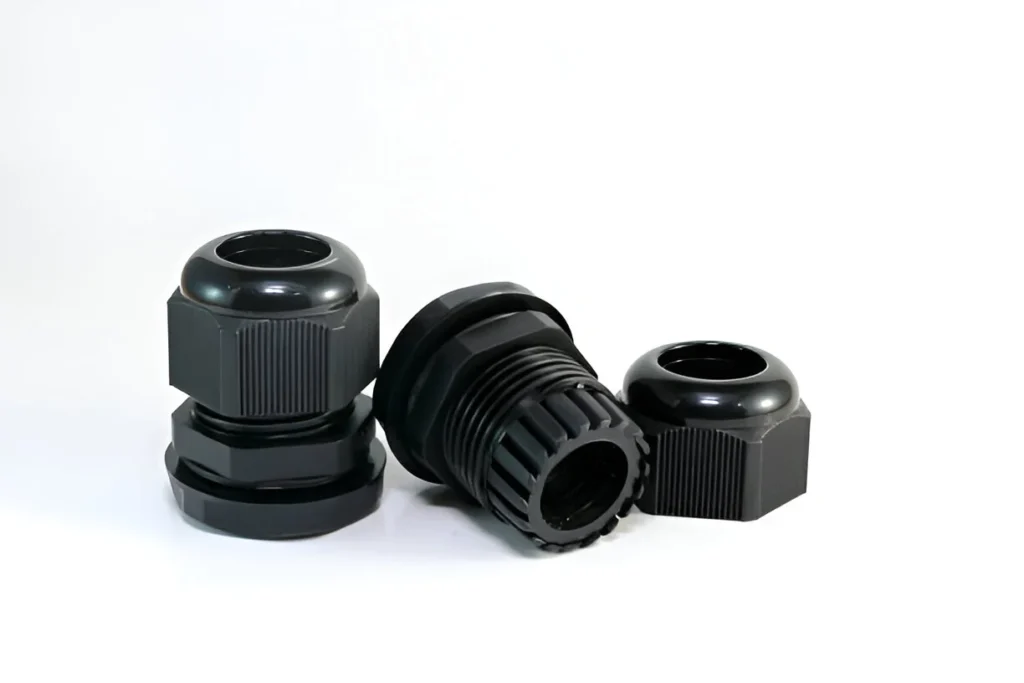
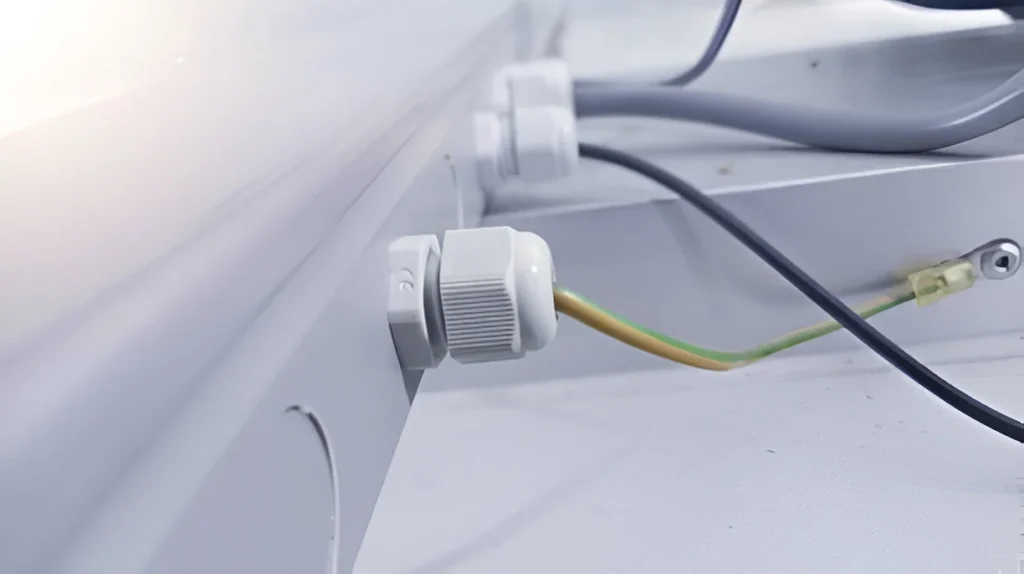
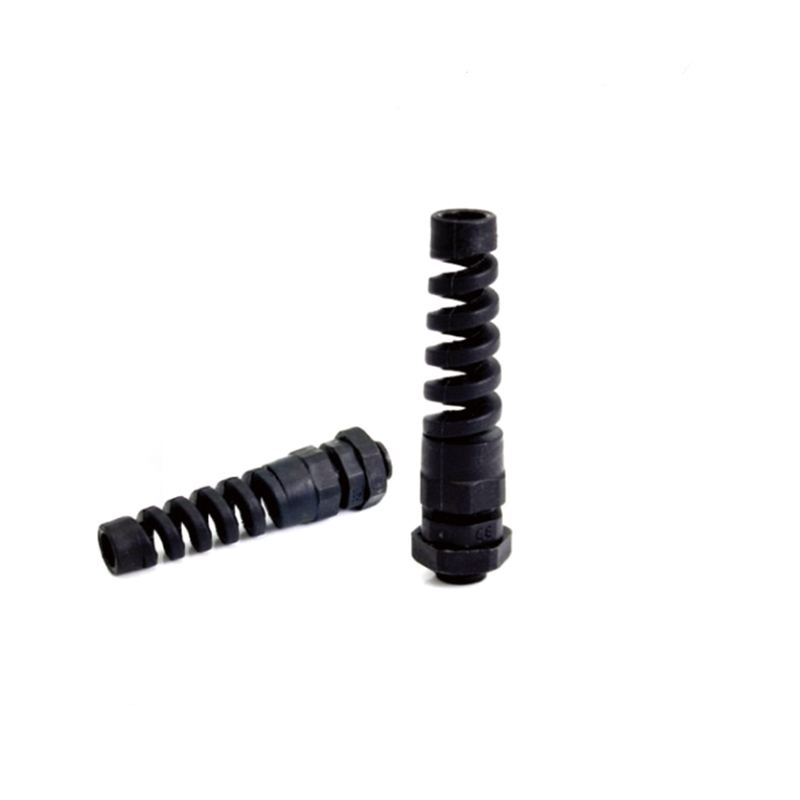
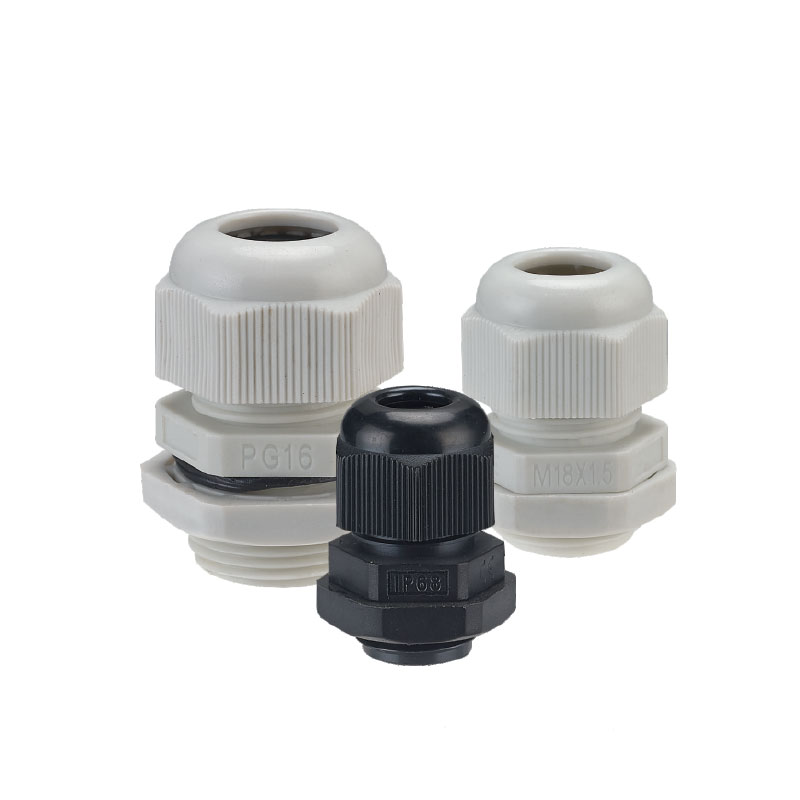
A nylon cable gland (also known as a plastic cable gland or PA6 gland) is a mechanical device that secures cables through enclosure walls or electrical equipment. It seals the entry point, protecting against dust, moisture, and tension that can damage the cable connection.
Engineers prefer nylon for several reasons:
It’s lightweight but strong.
It has excellent flame-retardant and weather-resistant properties.
It remains cost-effective and easy to install without special tools.
That’s why nylon cable glands are common in control cabinets, solar systems, robotics, and LED lighting — essentially anywhere durability and safety meet cost-efficiency.
Why the Nylon Cable Gland Size Chart Matters
Choosing the wrong size isn’t just an inconvenience — it risks cable slippage, poor sealing, and failed IP ratings. The nylon cable gland size chart helps you identify which gland corresponds to your cable’s outer diameter (OD), ensuring a tight fit that maintains IP68 (or higher) protection.
If you’re buying for industrial or OEM use, size consistency also means streamlined installation, less rework, and lower supplier variability.
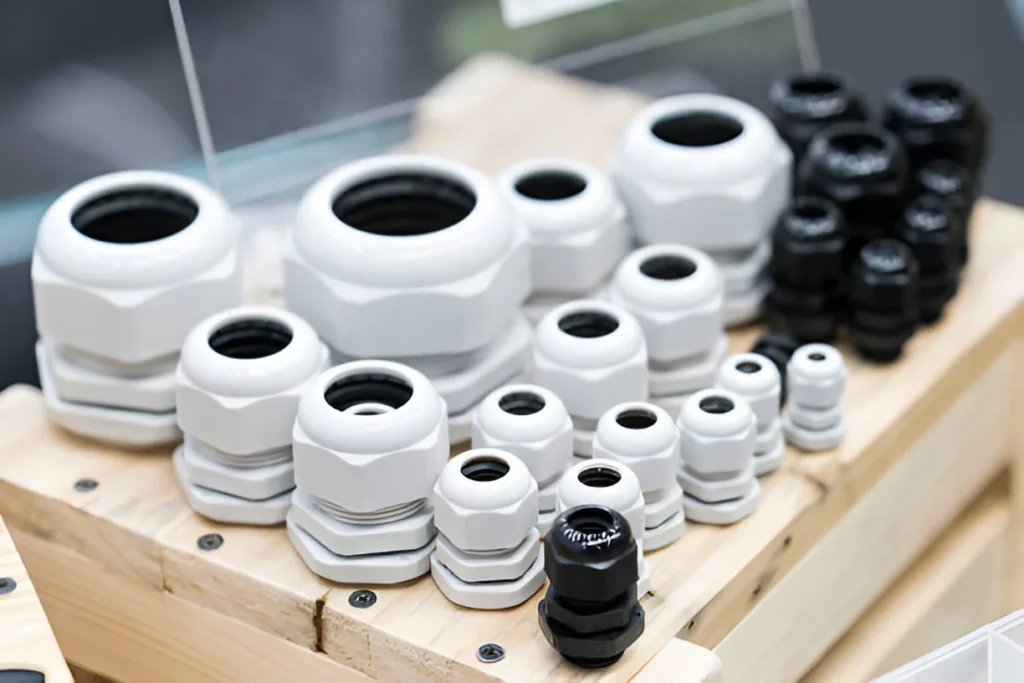
Nylon Cable Gland Size Chart (Metric Sizes)
Below is a general size reference for common metric-thread nylon glands. Actual dimensions may vary slightly by manufacturer, but this table provides a reliable guideline for engineers and procurement teams comparing specs.
Gland Type
Thread Size (Metric)
Cable Diameter Range (mm)
Dome Nut Outer Diameter (mm)
Mounting Hole (mm)
Length (mm)
M12
M12×1.5
3–6.5
17.6
12.2
22
M16
M16×1.5
4–8
22.3
16.2
24
M20
M20×1.5
6–12
26.8
20.2
27
M25
M25×1.5
11–16
32.9
25.2
28.5
M32
M32×1.5
15–20
40.4
32.2
30
M40
M40×1.5
19–28
50.1
40.3
31
M50
M50×1.5
27–35
59.3
50.3
35
M63
M63×1.5
34–44
72.4
63.3
38
Pro tip: always measure your cable’s outer diameter with precision before selecting the gland — not its nominal size.
Key Factors to Consider When Selecting Nylon Cable Glands
Choosing a gland isn’t just about picking a number from a chart. For engineers and supply-chain specialists, several technical parameters must align:
Thread type: Metric (M), PG, NPT, or G thread — depending on the region or enclosure design.
Sealing range: Ensure it matches your cable’s outer diameter tolerance.
Ingress Protection (IP) rating: IP68 is common for waterproof models; IP69K for high-pressure washdowns.
Temperature resistance: Nylon typically operates from –40°C to +100°C.
Color and aesthetic: Light gray (RAL7035) is standard for industrial panels; black for outdoor UV resistance.
Compliance: Look for UL, CE, or RoHS certification for global projects.
Nylon vs. Brass Cable Glands
For B2B buyers comparing material types, it’s helpful to see how nylon stacks up against brass or stainless steel glands.
Feature
Nylon Cable Gland
Brass Cable Gland
Material
Polyamide (PA6)
Nickel-plated brass
Weight
Very light
Heavier
Corrosion Resistance
Excellent
Good (may require coating)
Cost
Low
Moderate to high
Application
Indoor, light-duty, plastic enclosures
Outdoor, industrial, metal housings
Installation
Tool-free
Requires wrench
Verdict: For panel builders, solar projects, and equipment exports, nylon cable glands often balance protection, durability, and value perfectly.
Common Applications in Industrial Settings
Engineers rely on nylon cable glands across many industries:
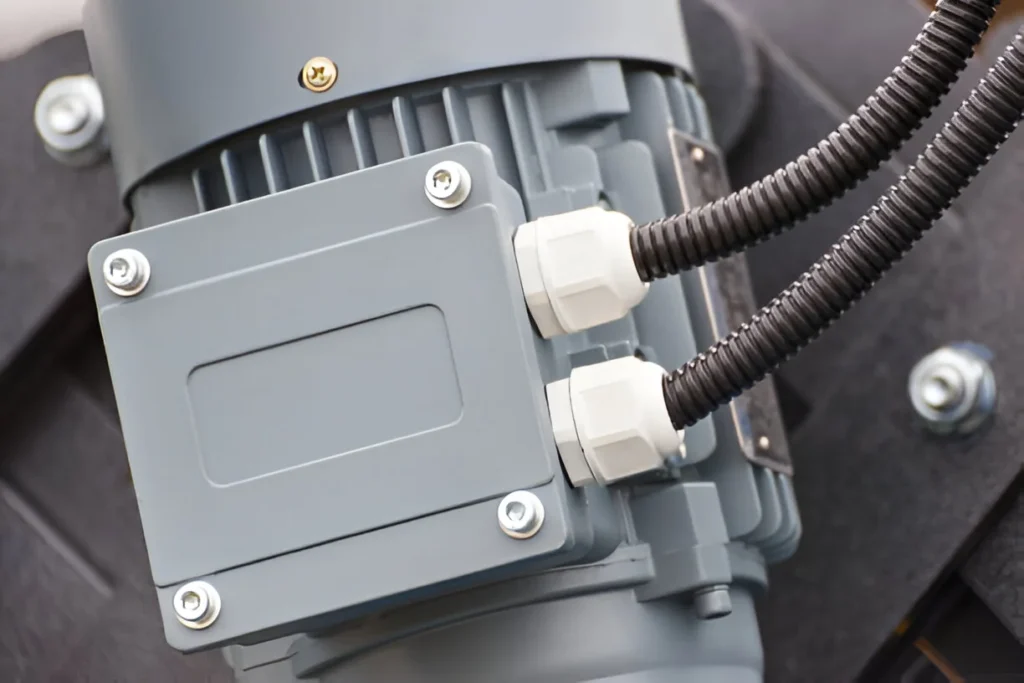
Control panels and automation cabinets.
Marine and offshore electronic systems (with UV-stabilized PA6).
Renewable energy junction boxes and inverter housings.
Telecommunication base stations and antennas.
LED lighting systems, especially IP67/IP68-rated outdoor models.
When sourcing, always confirm the operating environment and seal performance to ensure long-term reliability.
How to Read a Nylon Cable Gland Specification
Technical datasheets often include values like “M20×1.5, Ø6–12mm, PA6, IP68, UL approval.” Here’s how to interpret that quickly:
M20×1.5: Metric thread size and pitch.
Ø6–12mm: Usable sealing range (cable diameter).
PA6: Material (polyamide 6).
IP68: Rated for dust-tight and immersion protection.
UL approval: Meets safety standards for North America.
If you’re specifying in bulk, keep a size chart PDF handy to cross-check stock availability and ordering codes from your supplier.
Installation Tips for Engineers and Technicians
Even the best gland can fail if installed improperly. Keep these quick installation steps in mind:
Select the correct thread type and size per your enclosure cutout.
Insert gland body through the mounting hole.
Tighten the locknut inside the enclosure (hand-tight is often enough).
Pass the cable through and ensure the sealing ring grips firmly.
Finish with the dome cap to compress the gasket.
Avoid over-torquing — it can deform the nylon threads and reduce sealing efficiency.
Sourcing Nylon Cable Glands for B2B & Bulk Orders
If you’re purchasing nylon cable glands in bulk for OEM production or resale, look for suppliers who offer:
Custom logo printing or engraving.
OEM/ODM packaging.
Size range consistency across M12 to M63 or higher.
International certifications and RoHS compliance.
Short lead times and stable inventory.
Looking for a reliable manufacturer? Send an inquiry today — our engineering team can help match the right nylon gland for your exact specification, application, and MOQ requirement.
The nylon cable gland size chart isn’t just a reference tool — it’s a foundation for proper design and procurement in every electrical project. Selecting the right gland ensures your system’s integrity, safety, and compliance.
Whether you’re a panel builder, electrical engineer, or buyer managing global supply chains, knowing your specifications helps prevent costly installation errors.
If you need custom sizing, bulk orders, or technical samples, contact our support team or request a quotation now. Let’s build safer, smarter connections — one gland at a time.
FAQ
What size cable gland do I need for a 10mm cable?
A 10mm cable typically fits an M20 nylon cable gland, which covers a 6–12mm range.
Are nylon cable glands waterproof?
Yes, most quality nylon glands are IP68-rated, offering dustproof and waterproof protection.
Can nylon cable glands be used outdoors?
Absolutely. UV-stabilized nylon glands perform well in outdoor and solar applications.
What’s the temperature limit of nylon glands?
They generally withstand –40°C to +100°C, and some reach +120°C depending on grade.
How do I convert PG to metric sizes?
While PG threads are older German standards, you can compare similar sealing ranges using a nylon cable gland size conversion chart from your supplier’s resources.
When it comes to managing cables in industrial settings, cost is always a major concern. Choosing between nylon cable glands and plastic cable glands is often the first decision to make for procurement teams looking to balance quality and budget. Both materials offer distinct advantages, but which one is the smarter choice for price-sensitive projects? Let’s take a close look at […]
Nylon cable gland are a fundamental component for securing and sealing electrical cables as they enter enclosures. Their versatility spans industries from industrial automation to consumer electronics, delivering mechanical strain relief, environmental protection, and electrical insulation. This article dives into the concept of Nylon Cable Gland, its applications, and the electrical symbols you’ll encounter when […]
Every engineer or purchaser working with cable assemblies knows the frustration of mismatched components. You order a batch of nylon cable gland for your project, and once they arrive—you realize half of them don’t fit your cable diameter or IP rating requirements. Sound familiar? That’s where understanding a nylon cable gland specification becomes essential. In this post, […]
We use cookies to enhance your browsing experience, serve personalised ads or content, and analyse our traffic. By clicking "Accept All", you consent to our use of cookies.