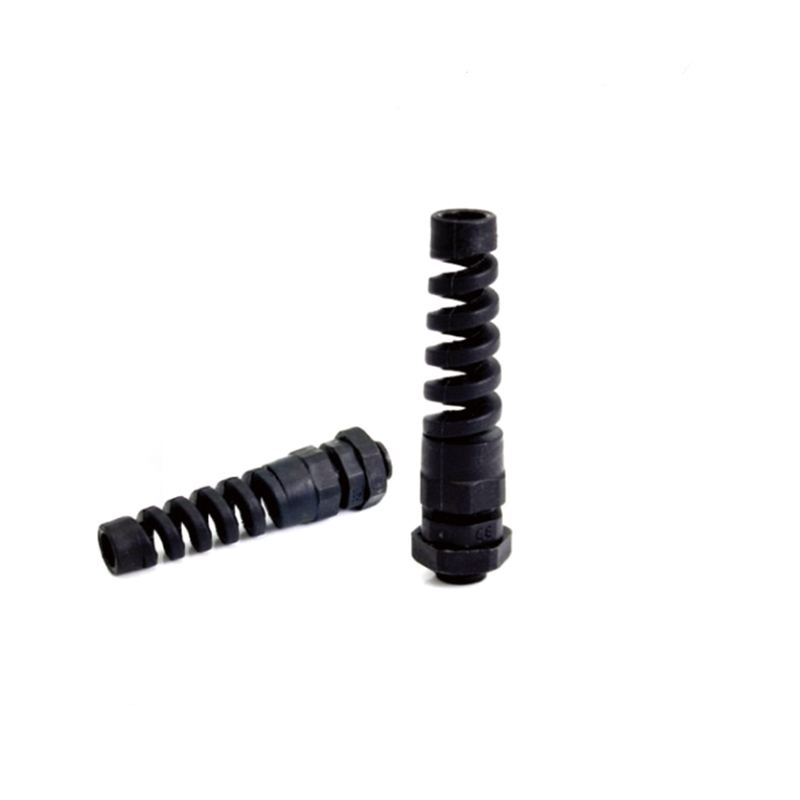
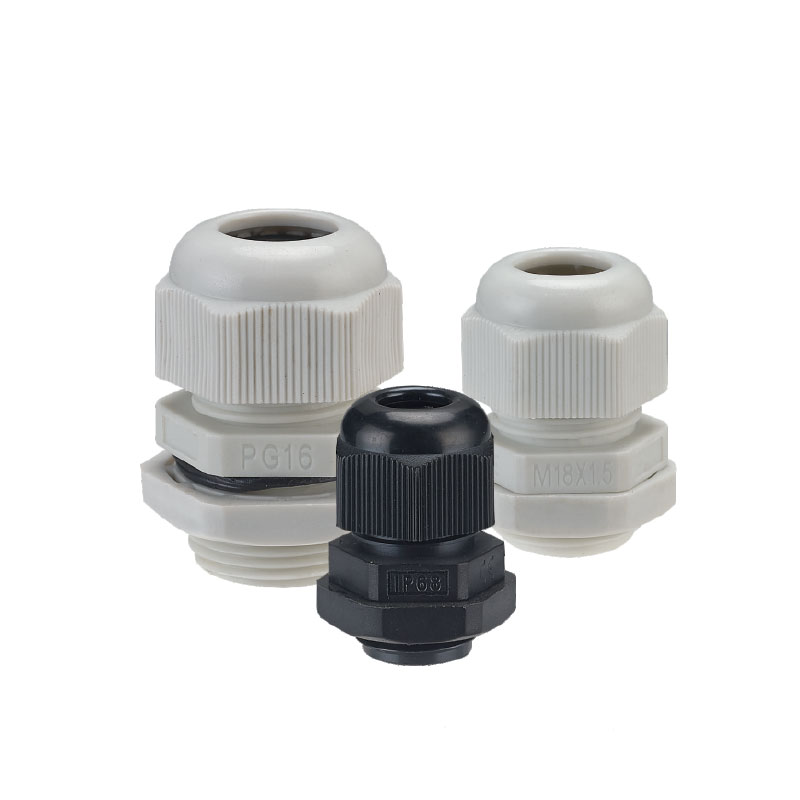
If you’re in the business of protecting cables, you know just how crucial a good Waterproof cable gland is. Think of cable glands as the unsung heroes that keep your cabling safe from water, dust, and mechanical damage. Especially in harsh industrial settings, choosing the right type of cable gland can make or break your installation.
Today, we’re diving into the world of Waterproof Brass Cable Gland and exploring one common question asked by many: What is the difference between armored cable glands and standard waterproof cable glands? Whether you’re specifying products for heavy industry or standard electrical enclosures, this guide will help you understand these two types, how they work, and which one fits your needs best.
Before comparing different types, let’s get the basics down.
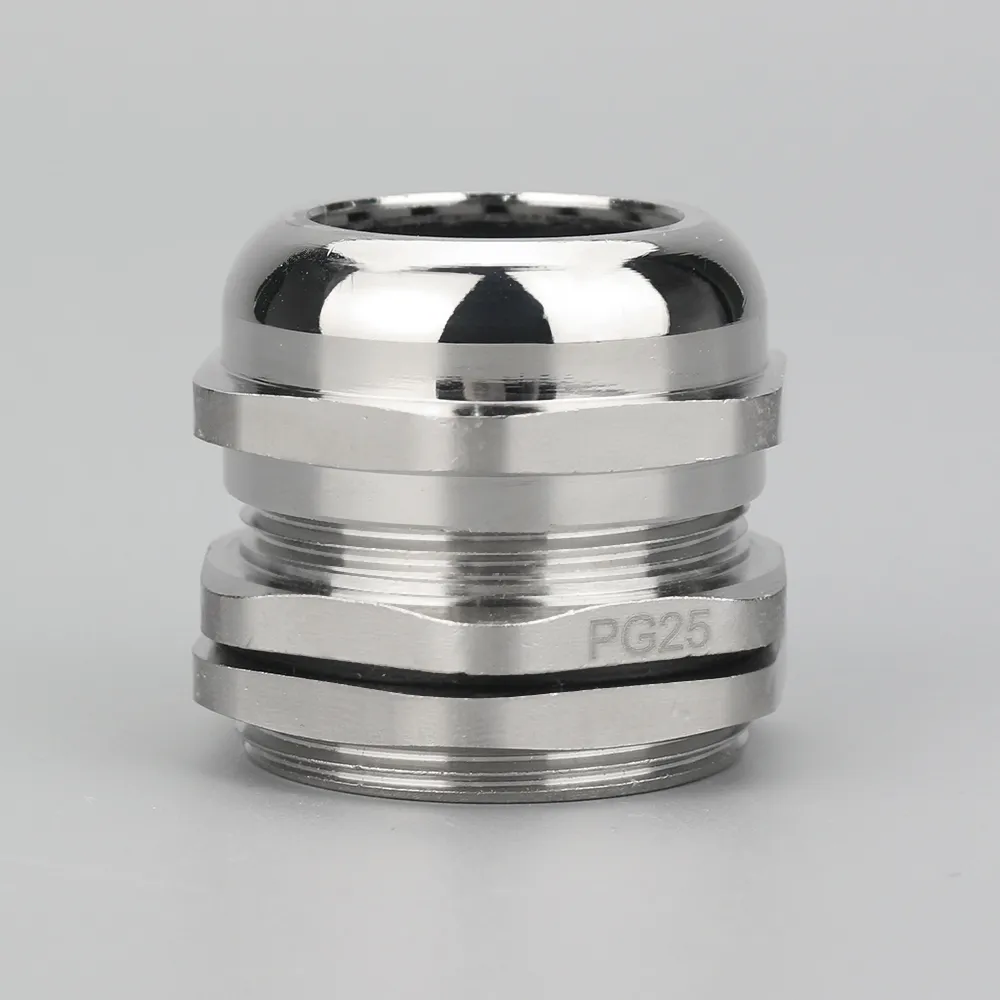
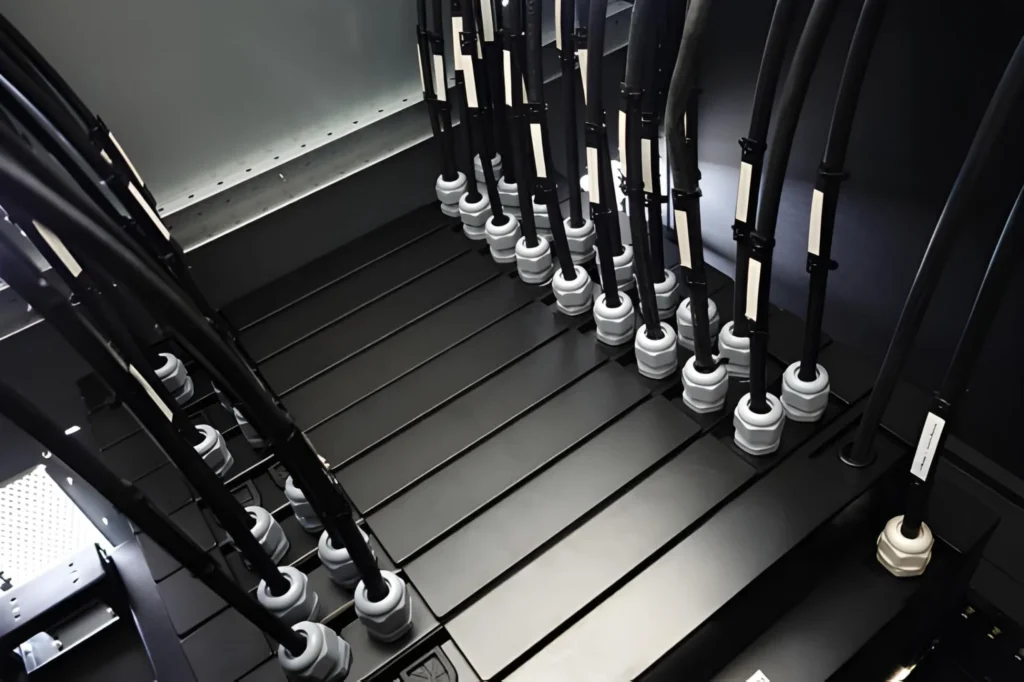
A waterproof cable gland is a device designed to secure and seal the end of a cable where it enters an enclosure, protecting the internal equipment from dust, dirt, and—most importantly—water. These glands ensure the cable remains fixed firmly, preventing strain and damage.
Key Features of Waterproof Cable Gland:
Made from materials like brass, stainless steel, or nylon.
Designed to meet IP protection ratings such as IP66, IP67, or IP68, which indicate resistance levels against solids and liquids.
Used widely in electrical, telecommunication, and industrial applications.
For example, a cable gland rated IP68 can withstand immersion in water beyond 1 meter depth, making it perfect for outdoor or underwater installations.
Feature
Description
Material
Brass, Stainless Steel, Nylon
Protection Rating
IP66, IP67, IP68
Function
Secure cable, seal entry point, prevent leaks
Applications
Industrial, marine, telecom, outdoor environments
Want to learn more about the right cable gland for your application? Contact us for expert advice and sample requests!
Waterproof Cable Gland Working Principle
How exactly does a waterproof cable gland keep water out? Here is the scoop:
The waterproof cable gland uses a combination of mechanical clamping and sealing components to prevent liquid ingress. Here’s the typical setup and workflow:
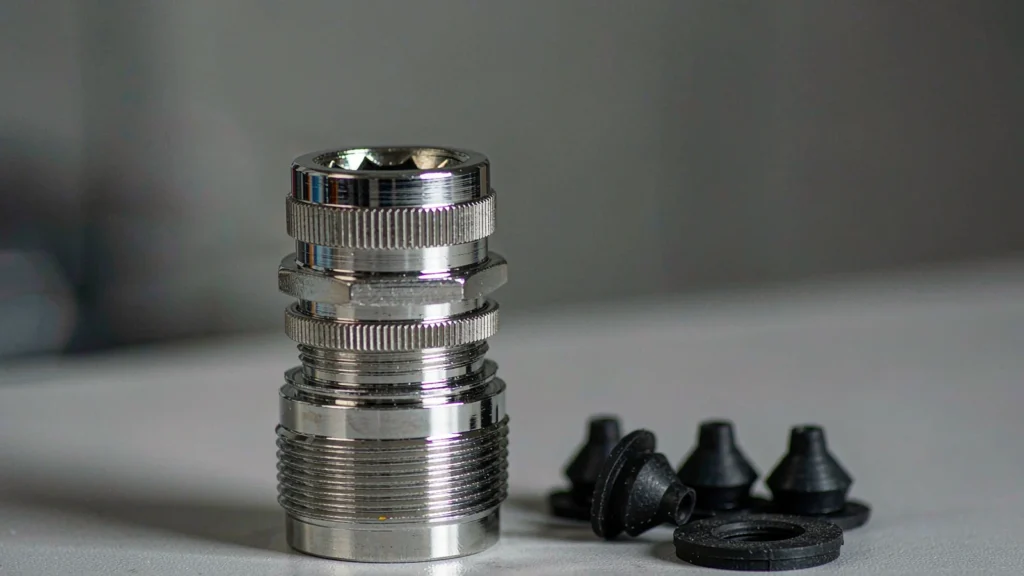
Outer Body: Usually metal or high-grade plastic, provides mechanical strength.
Sealing Rings/Grommets: Made of rubber or elastomer materials like neoprene; these form a tight seal around the cable.
Locknuts or Compression Mechanisms: Tighten the seal and hold the cable firmly in place.
When assembled, the gland compresses around the cable sheath, blocking off water paths and ensuring an airtight seal against dust and moisture.
Factors Impacting Waterproof Performance:
Quality of seal material (rubber type, hardness)
Tightness of the compression ring or nut
Proper cable size and gland compatibility
Use of lubricants for better sealing and ease of assembly
Common waterproof ratings like IP66 prevent jet water ingress, IP67 withstand full immersion up to 1m for 30 mins, and IP68 allows prolonged underwater exposure. These ratings ensure your cables stay protected in almost every condition.
Component
Role in Waterproofing
Outer Body
Structural strength, mechanical protection
Sealing Ring
Primary water barrier around cable
Compression Nut
Applies pressure to maintain seal
Secure your cables with our IP68 waterproof cable glands—contact us today for a customized solution!
Features of Standard Waterproof Cable Gland
Standard waterproof cable glands are designed for cables without armor.
They focus mainly on sealing cable entries to keep out water and dust.
Materials used are typically durable plastic or brass for corrosion resistance.
Suitable for indoor and outdoor use where moderate mechanical strain is expected.
These glands are easier to install and cost-effective for general applications.
Aspect
Description
Sealing
Rubber grommets provide water-tight seal
Mechanical Grip
Compression nut holds cable but no armor clamp
Materials
Nylon, brass, stainless steel
Applications
Telecommunications, lighting, control panels
Standard glands are widely used for industrial waterproof cable glands, offering a good balance of protection and cost.
If you’re curious about the waterproof cable gland for your application, don’t hesitate to send an inquiry — we’re happy to help you find the perfect fit!
When cables are armored, they get an additional layer of mechanical protection, usually steel wire or tape wrapping. This armor protects cables from physical damage in rough environments like construction sites or industrial plants.
The armored cable gland is specifically designed to accommodate this armored layer. Unlike standard cable glands, these have special armor clamps or cones that grip and transfer mechanical load from the cable to the gland and enclosure.
Advantages of Armored Cable Gland:
Superior mechanical retention and protection.
Maintain electrical continuity (bonding) via armor.
Ideal for hazardous areas, heavy machinery, and outdoor installations.
Often compliant with explosion-proof standards.
Feature
Armored Cable Gland
Standard Waterproof Cable Gland
Cable Type
Steel wire armored or tape armored cable
Non-armored cables
Mechanical Protection
High mechanical retention and cable protection
Basic strain relief
Electrical Bonding
Provides armor bonding for grounding
Generally no electrical bonding
Use Cases
Heavy industry, mining, oil and gas
General electrical and data cabling
Cost
Higher due to complex structure
More economical
Armored Cable Gland Working Principle
Armored cable glands combine the sealing function of standard glands with mechanical armor clamping.
The gland body houses a cone or clamp specifically designed to lock the steel armor wire tightly.
Upon tightening, the clamp compresses the armor against the gland, transferring mechanical loads and preventing cable pullout.
Simultaneously, seals prevent water ingress, maintaining waterproof performance.
This dual function—mechanical protection plus waterproof sealing—is key in harsh or potentially explosive environments.
Unlike standard glands, armored glands must offer reliable conductivity for grounding through the armor layer, adding a safety layer to many industrial electrical systems.
Step
Description
Armor Clamping
Clamp tightens around armor wires for retention
Seal Compression
Seals around cable prevent water and dust ingress
Electrical Bonding
Armor is bonded to the cable gland for grounding
Looking for armored cable glands that meet industrial standards? We offer custom solutions to fit your cable types and environments!
Key Differences: Armored vs. Standard Waterproof Cable Gland
Let’s summarize the key differences between these two core types to help you decide:
Factor
Armored Cable Gland
Standard Waterproof Cable Gland
Mechanical Protection
High, clamps armor wire
Moderate, grips cable sheath only
Electrical Bonding
Yes, armor bonding included
No electrical bonding
Use Environment
Heavy industrial, mining, oil and gas
General outdoor and indoor waterproofing
Water Protection
IP66, IP67, IP68 depending on seal
IP66, IP67, IP68 available
Cost
Generally higher
More economical
If your installation involves armored cables or extreme mechanical stress, armored cable glands are the way to go. For less demanding applications, standard waterproof cable glands do the job well while saving costs.
Choosing the Right Waterproof Cable Gland
Selecting a cable gland comes down to understanding the specifics of your application. Here’s a quick checklist:
Cable type: armored or non-armored?
Cable diameter: ensure compatibility with gland size.
Environmental factors: Will it face water immersion? Dust? Chemicals?
Required IP rating: IP66 vs IP67 vs IP68.
Material needs: brass for corrosion resistance, nylon for cost efficiency.
Compliance: Especially for hazardous areas (ATEX, UL, CE).
Consideration
Why It Matters
Cable Compatibility
Proper fit ensures effective sealing & retention
Environmental Rating
Determines waterproof and dustproof capability
Mechanical Requirements
Armor clamp needed for steel armored cables
Material Durability
Corrosion resistance for marine or chemical exposure
Need help selecting the perfect gland? Our technical team is ready to assist and even customize for your project!
Understanding the difference between armored cable gland and standard waterproof cable gland is essential for any B2B customer looking to protect their cables efficiently. Armored cable glands offer mechanical protection and grounding, suited for heavy-duty and hazardous applications. Meanwhile, standard waterproof cable glands provide reliable water and dust sealing for general purposes at a lower cost.
Choosing the right cable gland depends on your specific cable type, environmental conditions, and application needs. Want to ensure your cables get the best protection? Reach out today to discuss how we can tailor solutions to your exact requirements.
Don’t leave your cables vulnerable—secure them with the right waterproof cable gland and get peace of mind in any environment.
FAQ
Can waterproof cable glands really keep water out?
Yes! When properly selected and installed, they create a tight seal resistant to water, dust, and other foreign materials.
What does an IP rating like IP68 mean for cable glands?
It indicates protection levels. For example, IP68 means the gland can withstand continuous immersion in water beyond 1 meter depth.
Are armored cable glands always more expensive?
Generally yes, because they offer mechanical protection and grounding features not found in standard glands.
How to ensure the gland remains waterproof after installation?
Make sure to choose the right size, tighten according to the manufacturer’s instructions, and inspect rubber seals.
Can I use a standard waterproof gland for armored cables?
No, standard glands don’t have armor clamps and fail to provide necessary mechanical retention and grounding for armored cables.
ATEX and IECEx both point at IEC 60079, but one is mandatory EU law and the other voluntary — and their assessment routes are not equivalent. How to read the certificate number before you order.
A cable gland contains two elastomer seals, and they are not always the same compound. Here is how EPDM, NBR and silicone actually differ, where each one fails, and what to put in an enquiry.
We use cookies to enhance your browsing experience, serve personalised ads or content, and analyse our traffic. By clicking "Accept All", you consent to our use of cookies.