Every engineer or purchaser working with cable assemblies knows the frustration of mismatched components. You order a batch of nylon cable gland for your project, and once they arrive—you realize half of them don’t fit your cable diameter or IP rating requirements. Sound familiar? That’s where understanding a nylon cable gland specification becomes essential.
In this post, we’ll walk through how to read, interpret, and apply the specifications you see on data sheets or product catalogs—so your next project goes smoothly. Whether you’re sourcing for a control panel, machinery, or outdoor electrical installation, this guide is here to simplify the technical jargon and help you choose the right nylon cable gland.
What Is a Nylon Cable Gland?
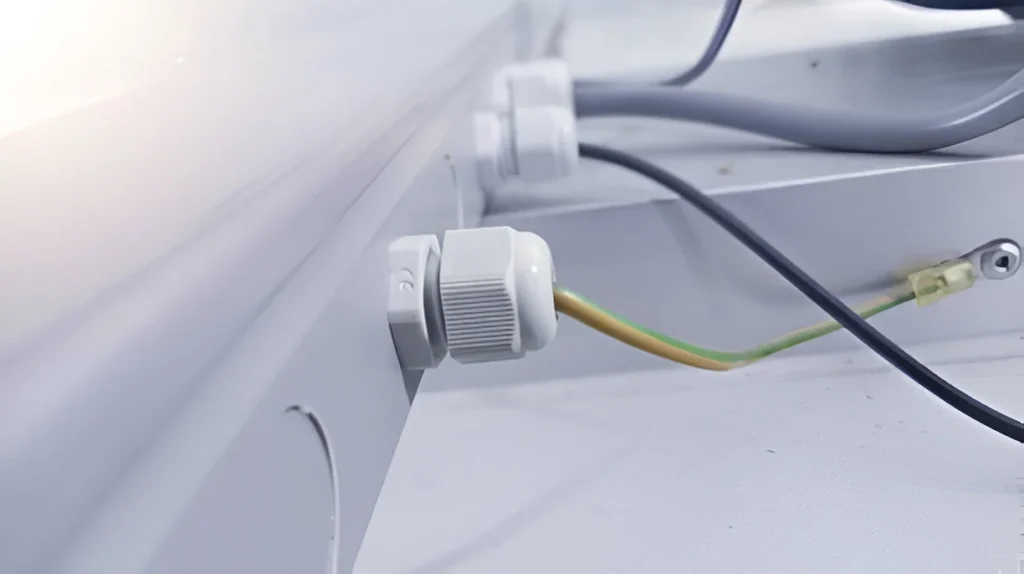
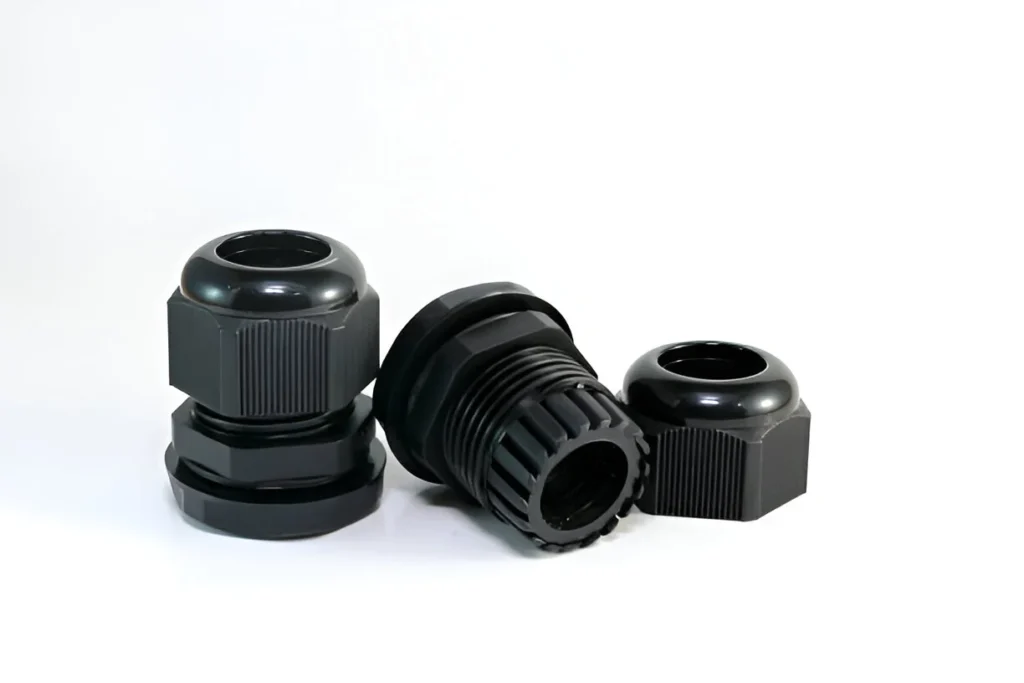
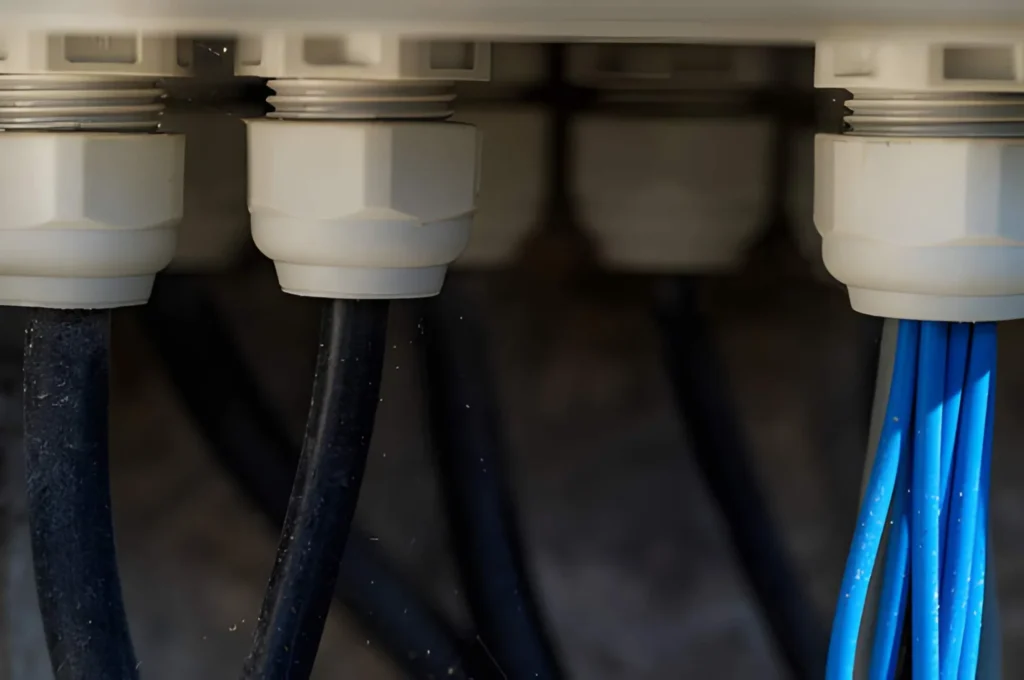
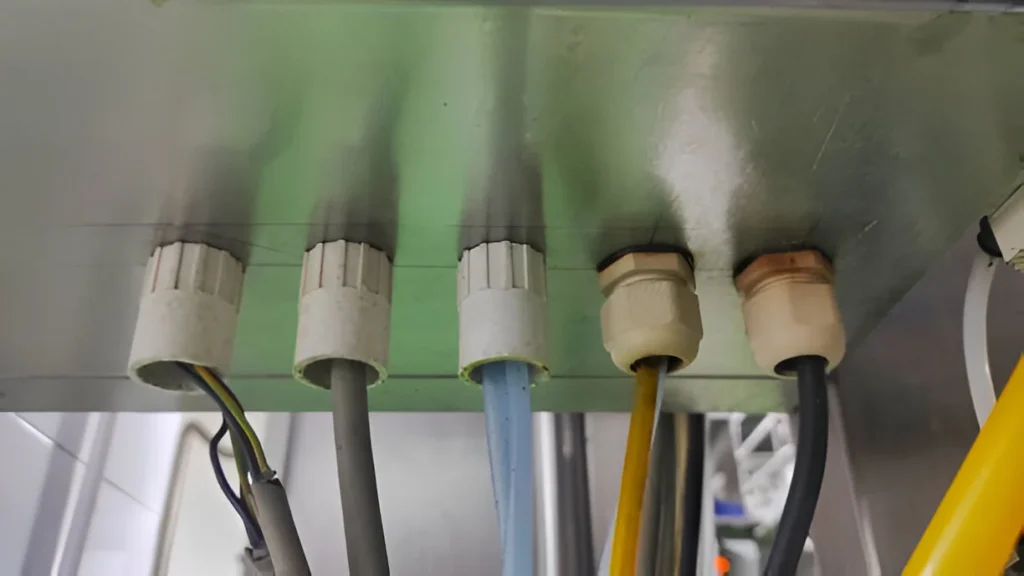
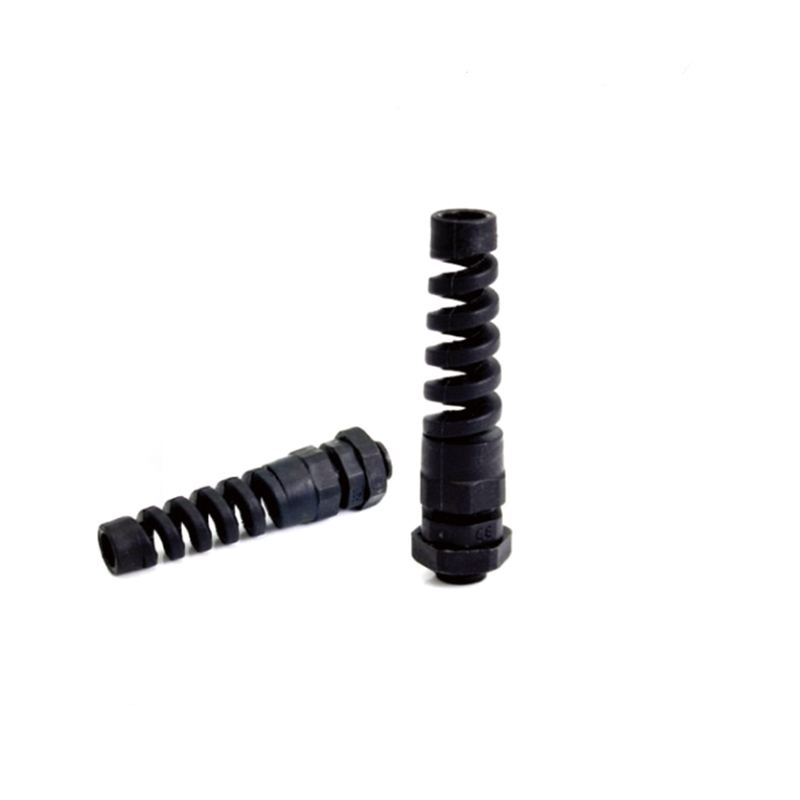
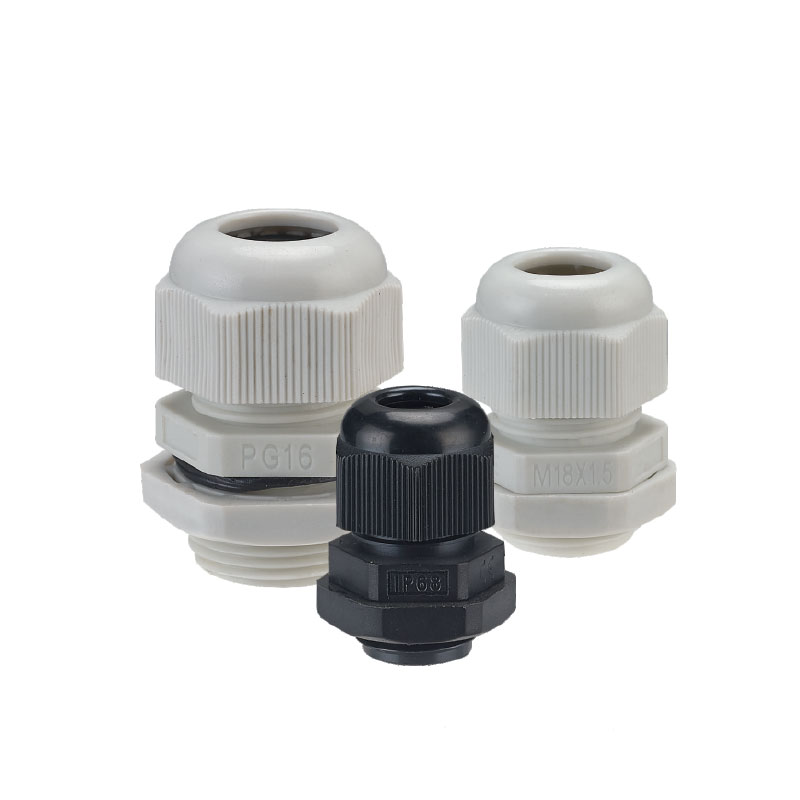
A Standard Nylon Cable Gland is a mechanical device that secures and seals the end of a cable to an enclosure, equipment, or junction box. It provides strain relief, environmental protection, and sometimes grounding (though nylon itself is non-conductive).
These glands are commonly made from polyamide (PA6 or PA66) material and used in electrical installations where lightweight, corrosion resistance, and insulation properties are critical.
Typical applications include:
Automation systems and machine control panels
Solar installations and outdoor LED lighting housings
Industrial cable management and wiring enclosures
Communication networks and instrumentation housings
In short, whenever you need to protect cables while maintaining ingress protection, nylon glands are a reliable, cost-effective choice.
Why Nylon Cable Gland Specification Matters
A cable gland specification describes all technical parameters that determine how and where the gland can be used. Understanding these specs ensures compatibility between cables, enclosure entries, and environmental standards.
If a supplier sends you a product spec sheet, it may include a matrix of features like size, thread type, clamping range, IP rating, and operating temperature. By decoding these terms, you can confidently select the right gland without second-guessing.
Key Parameters Explained
Below is a breakdown of the core elements you’ll often find in a nylon cable gland specification sheet, with examples for clarity.
Parameter
Description
Example Value
Thread Type
Defines how the gland fits into enclosure threads. Common options: Metric (M), PG, NPT, or G threads.
M20 x 1.5
Clamping Range
The cable diameter range that fits snugly into the gland.
6–12 mm
IP Rating
Indicates ingress protection against dust and water per IEC 60529.
IP68
Material
Usually polyamide PA6 or PA66 for durability and UV resistance.
Nylon PA6
Sealing Material
Inner gasket or o-ring material, typically NBR or EPDM.
NBR rubber
Operating Temperature
Thermal range of safe use.
–40°C to +100°C
Color
Standard colors are grey (RAL 7035) or black (RAL 9005).
Black
Locknut Included
Specifies if a matching locknut comes with the gland.
Yes
When reading these values, note that small variations can make a big difference. For example, an M16 IP68 gland rated for 3–7 mm cables won’t fit if your cable is 7.5 mm in diameter. Always cross-verify the clamping range with your actual cable outer diameter.
Understanding IP Ratings (Ingress Protection)
One of the most critical parts of the nylon cable gland specification is the IP rating. IP stands for Ingress Protection, describing how well a product guards against dust and water.
Here’s a quick reference table:
IP Code
Protection Level
Application Scenario
IP65
Dust-tight; protected from water jets.
Indoor panels or sheltered machinery.
IP67
Submersible up to 1m temporarily.
Outdoor enclosures or solar junction boxes.
IP68
Fully sealed for long-term submersion.
Marine or underground installations.
If your project requires outdoor reliability, IP68 nylon cable glands are generally preferred. They ensure no moisture seeps through even under challenging weather conditions.
Thread Types and Compatibility
Thread selection matters more than many buyers realize. The wrong thread type leads to poor sealing and mechanical instability.
Common thread standards:
Metric (M Series): Popular in European and Asian markets. Example: M20 x 1.5.
PG Thread: Widely used in legacy German systems and older electrical equipment.
NPT Thread: Used mainly in North America, featuring a tapered design for self-sealing.
G (BSPP) Thread: British Standard Parallel Pipe thread, used in offshore and industrial setups.
When comparing metric vs. PG cable glands, remember that each type requires a matching threaded knock-out hole or adapter fitting. Always confirm compatibility with your enclosure before ordering.
Size and Clamping Range Selection
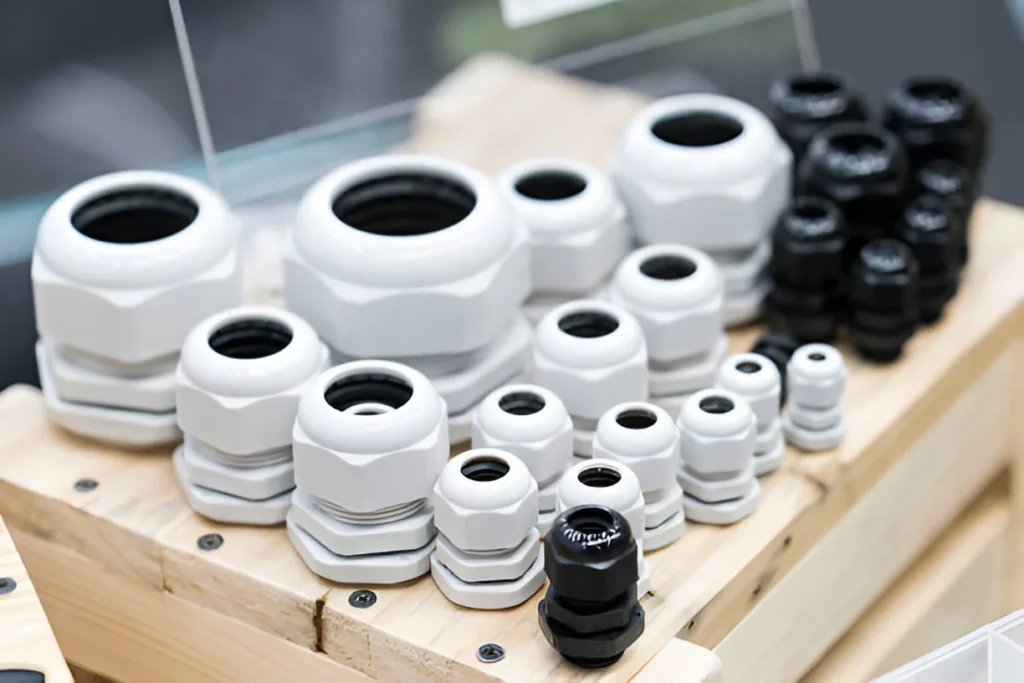
Choosing the right nylon cable gland size revolves around the clamping range. Each gland model covers a specific range of cable diameters. To find the right one:
Measure your cable’s outer diameter precisely.
Select a gland whose clamping range sits in the middle of that diameter.
Avoid using glands at the extreme limits of their range—it may reduce waterproof performance.
Here’s a sample reference chart for size selection:
Gland Type
Thread Size
Clamping Range (mm)
Locknut Type
PG7
PG7
3–6.5
PG
M16
M16 x 1.5
4–8
Metric
M20
M20 x 1.5
6–12
Metric
M25
M25 x 1.5
9–16
Metric
M32
M32 x 1.5
11–21
Metric
Tip: Always check whether the nylon cable gland supplier offers custom sizes or oversized glands for thick cable jackets.
Mechanical and Environmental Performance
A nylon cable gland performance isn’t just about sealing—it’s also about mechanical stress resistance and environmental endurance. For industrial use, PA66 (reinforced polyamide) glands provide higher tensile strength and better heat stability.
Performance highlights:
Flammability rating: UL 94V-2 or better.
Vibration resistance: Ensures connection stability in heavy machinery.
UV stabilization: Important for outdoor or solar installations.
Halogen-free construction: Safer for clean-room and data-center use.
If your project environment involves heat, oil exposure, or persistent moisture, always confirm the chemical resistance and temperature limits in the specification sheet.
Certification and Compliance
For B2B buyers and projects requiring compliance documentation, it’s critical that your chosen cable glands are certified to international standards. This ensures safety, reliability, and ease of import/export.
Look for labels like:
UL (Underwriters Laboratories)
CE (European Conformity)
RoHS / REACH compliance
CSA certification for North American markets
Working with a manufacturer who provides full Nylon Cable Gland Specification and test reports can save you from compliance headaches during project acceptance or audits.
Common Mistakes When Reading Nylon Cable Gland Specification
Let’s face it—even seasoned engineers make mistakes when interpreting Nylon Cable Gland Specification. Here are some tips to avoid them:
Don’t assume IP68 means all components are watertight—installation method matters.
Check whether the locknut and sealing washer are included in the packaging.
Verify if the listed thread pitch matches your enclosure plate hole.
Pay attention to operating temperature; nylon can deform under excessive heat.
Ignore color at your own risk—gray and black versions can have different UV resistance profiles.
If you’re unsure, contact the supplier and ask for a detailed specification sheet or drawing before placing bulk orders.
Nylon vs. Metal Cable Glands: Which to Choose?
While metal cable glands excel in rugged environments, nylon cable glands have their own advantages:
Feature
Nylon Cable Gland
Metal Cable Gland
Material
PA6 / PA66
Brass / Stainless steel
Weight
Lightweight
Heavy
Corrosion Resistance
Excellent
Moderate
Electrical Conductivity
Insulating
Conductive
Cost
Lower
Higher
Outdoor Use
Yes (IP68 models)
Yes
Vibration Resistance
Good
Excellent
For general industrial and automation applications, nylon glands provide the best balance of protection, flexibility, and cost. Unless your setup requires EMI shielding or high-temperature stability, nylon is a dependable choice.
Understanding a nylon cable gland specification doesn’t have to be an engineer’s nightmare. Once you know how to decode thread size, IP rating, and clamping range, selecting the right gland becomes straightforward.
Remember, accurate specs lead to fewer installation issues, better cable protection, and improved system reliability. When in doubt—send us your cable diameter and application details, and our team will help you choose the perfect nylon cable gland specification for your project.
FAQ
What does “M20 cable gland specification” mean?
It refers to a nylon cable gland with a metric M20 thread and typically supports 6–12 mm cable diameters, often with IP68 protection.
Can nylon cable glands be used outdoors?
Yes, provided they are rated IP68 and UV-resistant. Look for PA66 UV-stabilized materials.
Are nylon glands reusable?
Generally, yes—if the sealing washer and threads remain intact. However, reinstallation may reduce IP efficiency.
What’s the temperature range for nylon cable glands?
Typically –40°C to +100°C, depending on the specific polyamide formulation.
Can I use them with braided or armored cables?
No. For armored cables, choose metal glands with grounding capabilities.
Nylon cable gland are a fundamental component for securing and sealing electrical cables as they enter enclosures. Their versatility spans industries from industrial automation to consumer electronics, delivering mechanical strain relief, environmental protection, and electrical insulation. This article dives into the concept of Nylon Cable Gland, its applications, and the electrical symbols you’ll encounter when […]
Product Overview Introduction GHX black nylon cable glands are engineered to provide reliable and durable cable entry solutions for demanding industrial and outdoor applications. Manufactured from high-grade PA66 polyamide, these cable glands deliver exceptional strength, flame retardancy (UL94 V-2), and resistance to environmental factors. Core Value Proposition Our black nylon cable glands offer superior strain […]
We use cookies to enhance your browsing experience, serve personalised ads or content, and analyse our traffic. By clicking "Accept All", you consent to our use of cookies.