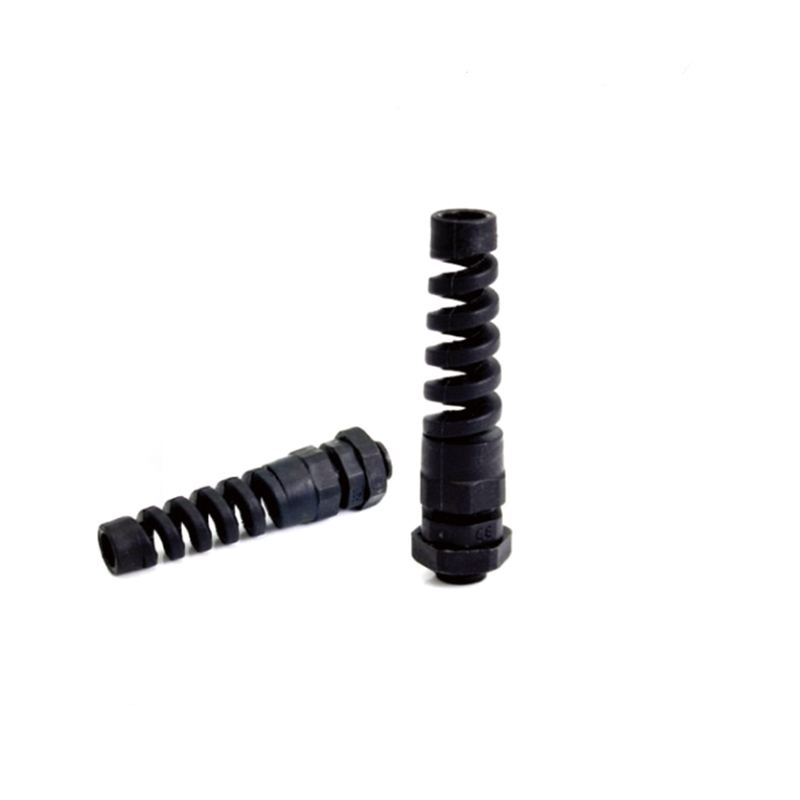
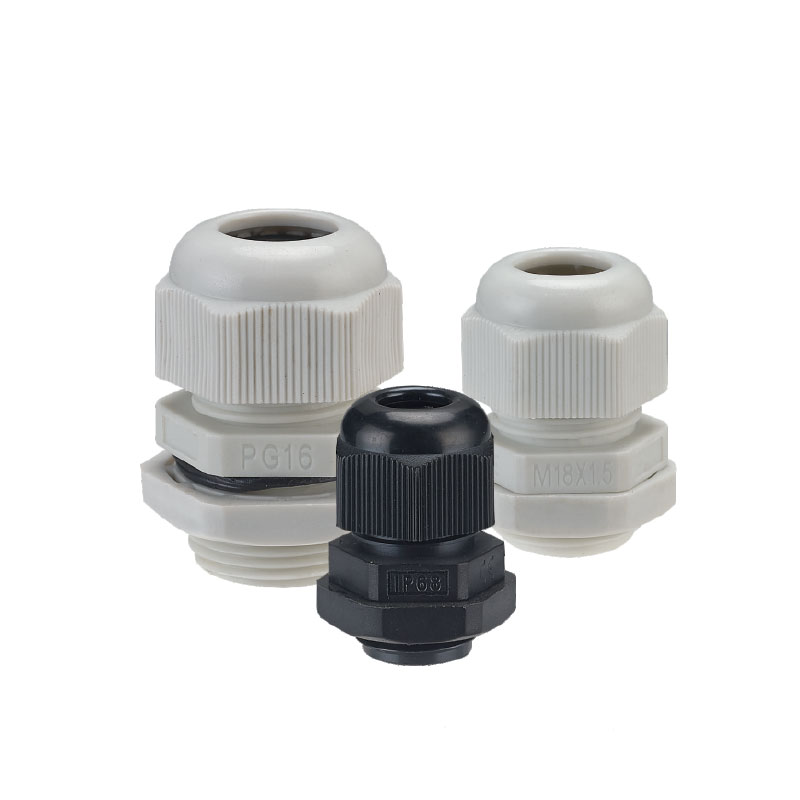
When it comes to protecting and securing cables in industrial and commercial environments, choosing the right cable gland is critical. Among the most popular options are Nylon Cable Glands vs. Brass Cable Gland. Both serve the same basic purpose—sealing and strain-relieving cables as they enter enclosures—but they differ significantly in material, performance, and suitability for various applications.
For B2B buyers, engineers, and procurement managers, understanding these differences is essential for making informed purchasing decisions. This guide compares the three materials most B2B projects actually choose between — nylon PA66, nickel-plated brass and stainless steel 304 / 316L — and shows where each one wins on cost and service life. Whether you’re sourcing for a factory, warehouse, or outdoor installation, this guide will help you select the best cable gland for your needs.
Why Cable Glands Matter
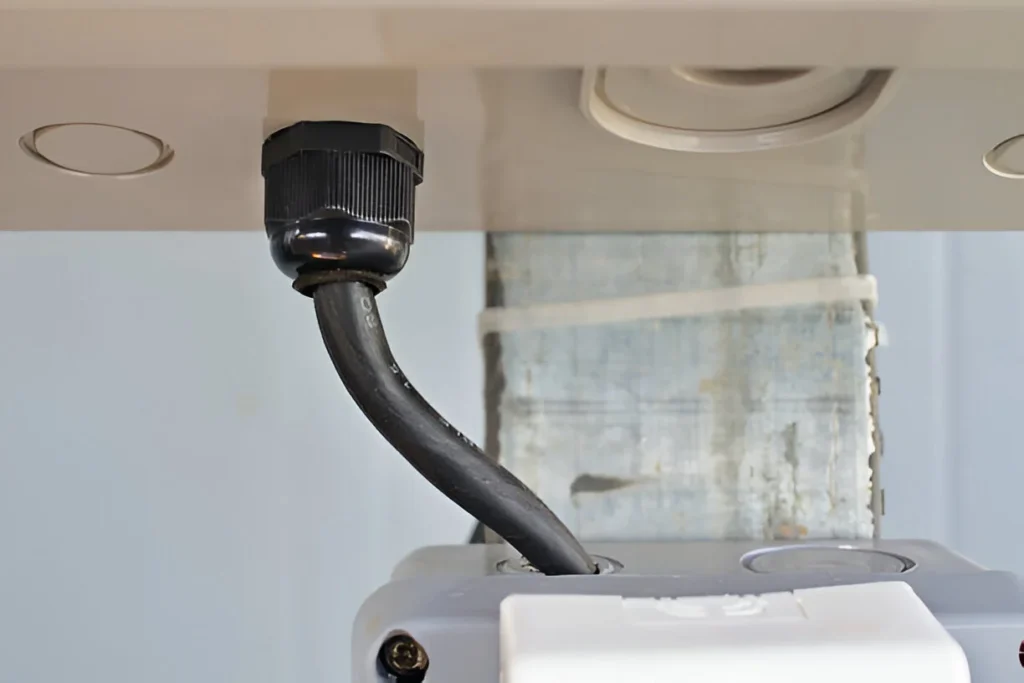
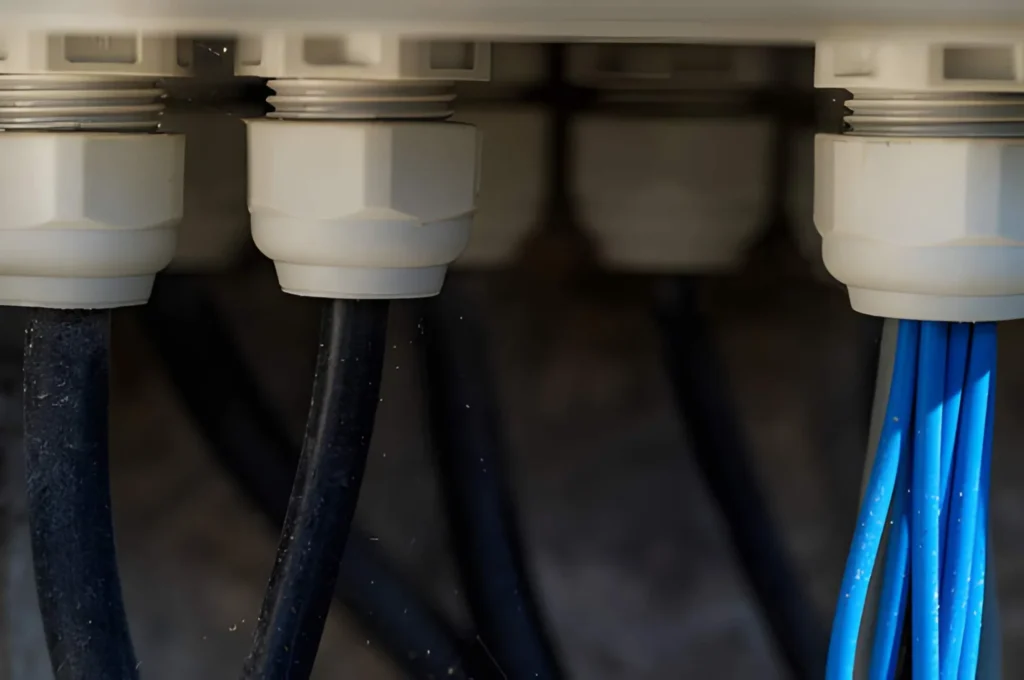
Cable glands play a vital role in maintaining the integrity of electrical systems. They provide strain relief, prevent cable pull-out, and protect against dust, moisture, and other environmental hazards. Without proper cable glands, cables can become loose, damaged, or exposed to contaminants, leading to equipment failure or safety risks. For industrial buyers, selecting the right cable gland isn’t just about cost—it’s about reliability, compliance, and long-term performance.
Nylon Cable Glands Lightweight and Versatile
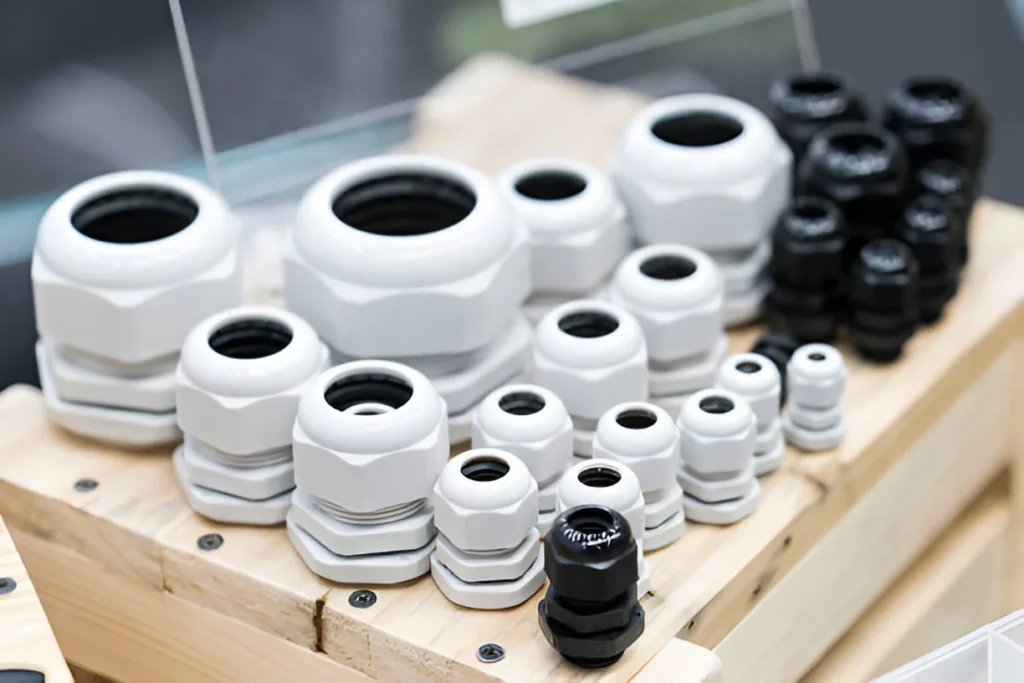
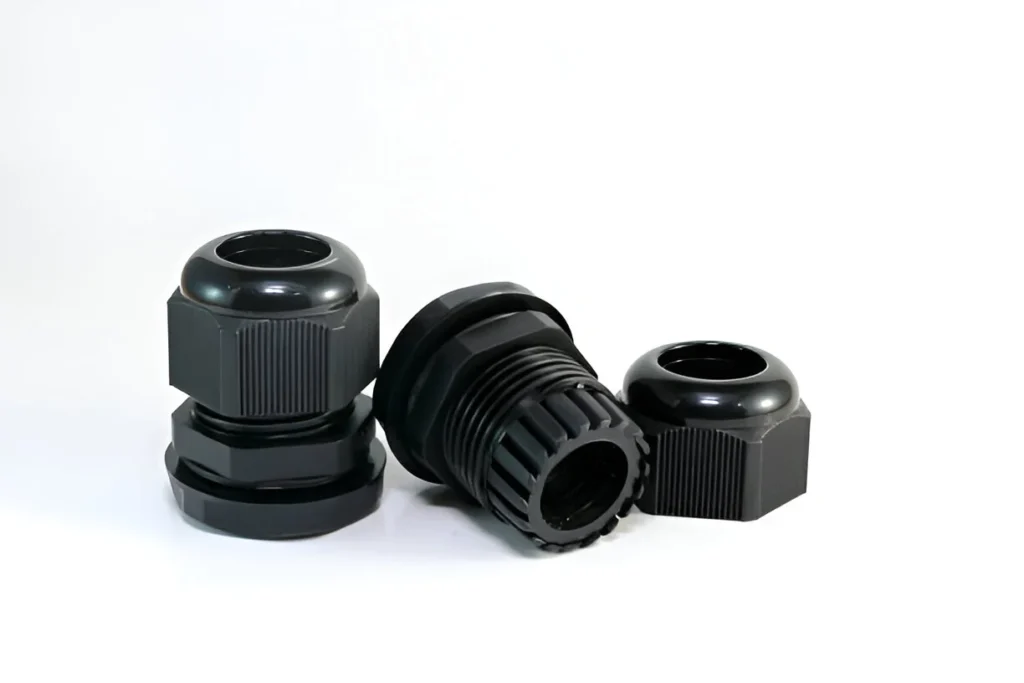
Nylon cable glands are made from high-quality nylon, a synthetic polymer known for its durability, flexibility, and resistance to chemicals. These glands are lightweight, making them easy to install and handle, especially in large-scale projects. Nylon cable glands are commonly used in environments where corrosion resistance and electrical insulation are important.
Key Features of Nylon Cable Glands:
Corrosion Resistance: Nylon is highly resistant to rust and corrosion, making it ideal for humid or chemically aggressive environments.
Electrical Insulation: Nylon is a non-conductive material, providing excellent electrical insulation for sensitive applications.
Lightweight Design: The lightweight nature of nylon reduces the overall weight of installations, which is beneficial in applications where weight matters.
Cost-Effective: Nylon cable glands are generally more affordable than brass options, making them a popular choice for budget-conscious buyers.
Wide Temperature Range: Nylon can withstand a broad range of temperatures, typically from -40°C to +100°C, making it suitable for both indoor and outdoor use.
Common Applications:
Industrial control panels
Food and beverage processing
Marine environments
Outdoor lighting systems
HVAC installations
Nylon cable glands are particularly popular in industries where corrosion resistance and electrical insulation are critical. For example, in food processing plants, nylon glands prevent contamination from rust or metal particles. In marine environments, they resist saltwater corrosion, ensuring long-term reliability.
Brass Cable Glands Durable and Robust
Brass cable glands are made from brass, a metal alloy known for its strength, durability, and resistance to wear. These glands are heavier and more robust than nylon options, making them suitable for demanding industrial applications. Brass cable glands are often chosen for their ability to withstand high mechanical stress and extreme environmental conditions.
Key Features of Brass Cable Glands:
High Mechanical Strength: Brass is much stronger than nylon, providing superior protection against physical damage and vibration.
Excellent Conductivity: Brass is a conductive material, making it suitable for grounding applications.
Heat Resistance: Brass can withstand higher temperatures than nylon, typically up to +150°C, making it ideal for high-heat environments.
Aesthetic Appeal: Brass has a polished, professional appearance, which is often preferred in visible installations.
Longevity: Brass cable glands are highly durable and can last for decades with minimal maintenance.
Common Applications:
Heavy machinery and equipment
Oil and gas industries
Power generation plants
High-temperature environments
Outdoor installations exposed to harsh weather
Brass cable glands are often used in industries where mechanical strength and heat resistance are paramount. For example, in oil and gas facilities, brass glands protect cables from extreme temperatures and physical stress. In power generation plants, they ensure reliable grounding and long-term performance.
Nylon vs. Brass vs. Stainless Steel: A Side-by-Side Comparison
To help you make an informed decision, here is a detailed comparison of the three materials, including the temperature, thread and IP ranges we publish for each:
Feature
Nylon PA66
Nickel-Plated Brass
Stainless Steel 304 / 316L
Material
Nylon PA66 (polyamide)
Nickel-plated brass (metal alloy)
Stainless steel 304 / 316L
Weight
Lightweight
Heavy
Heavy — similar to brass
Corrosion resistance
Good in water and most industrial atmospheres; not for solvents or strong acids
Good indoors and in general outdoor use; plating resists tarnish until it is scratched
Best choice for salt spray, chemical and washdown areas (316L)
Electrical insulation
Excellent — non-conductive body
Conductive — the gland itself provides the earthing path
Conductive — earthing path through the gland
EMC / shielded cable versions
Not applicable — a plastic body cannot terminate a shield
Yes — nickel-plated brass with a 360° contact spring, M12–M63 and PG7–PG48
Usually specified in brass; confirm with the supplier before switching a shielded project to stainless
Mechanical strength
Moderate
High
Highest
Temperature range
−40 °C to +100 °C
−40 °C to +120 °C
−40 °C to +200 °C
Waterproofing
IP68 with a nitrile or EPDM sealing ring
IP68 — standard grades 1.5 m / 30 min to 2 m / 24 h
IP68 up to 5 m / 72 h for offshore and tunnel projects
Threads and sizes
Metric, PG and NPT across the standard nylon range
Metric, PG and NPT — widest size range
Metric and PG, including heavy-duty and marine types
Unit cost
Lowest — 1,000 pcs per size, no tooling charge
Mid-range — 1,000 pcs per size
Highest — normally 300 pcs per size
Typical applications
Panels, outdoor lighting, junction boxes, general outdoor use
Machinery, high-vibration equipment, general industrial
Offshore, chemical plants, food and pharma washdown, tunnels
This table highlights the key differences between nylon and brass cable glands. While nylon is lightweight, corrosion-resistant, and cost-effective, brass offers superior mechanical strength, heat resistance, and longevity.
Choosing the Right Cable Gland for Your Needs
Selecting the right cable gland depends on several factors, including the environment, application, and budget. Here are some questions to consider:
What is the operating environment? If the installation is exposed to moisture, chemicals, or saltwater, nylon cable glands are a better choice due to their corrosion resistance.
Is mechanical strength important? For heavy machinery or high-vibration environments, brass cable glands provide superior protection.
Do you need electrical insulation? Nylon is non-conductive, making it ideal for sensitive electrical systems.
What is your budget? Nylon cable glands are generally more affordable, while brass options are more expensive but offer greater durability.
For most industrial applications, nylon cable glands are a practical and cost-effective solution. However, in demanding environments where mechanical strength and heat resistance are critical, brass cable glands are the preferred choice.
Choosing between nylon and brass cable glands ultimately depends on your specific needs and application. Nylon cable glands offer excellent corrosion resistance, electrical insulation, and cost-effectiveness, making them a popular choice for a wide range of industries. Brass cable glands, on the other hand, provide superior mechanical strength, heat resistance, and longevity, making them ideal for demanding industrial environments.
If you’re still unsure which cable gland is right for your project, feel free to reach out to our team for expert advice. We’re here to help you find the perfect solution for your needs. Ready to place an order or request a quote? Contact us today and let us help you secure your cables with confidence.
Beyond the Unit Price: What Drives Total Cost
The purchase price is rarely the biggest number in a cable entry budget. Installation time, maintenance access and the cost of a failure during service usually decide which material is actually the cheaper one over a ten-year life. The table below compares the three materials on those drivers rather than on the catalogue price alone.
Cost driver
Nylon PA66
Nickel-plated brass
Stainless steel 304 / 316L
First cost
Lowest; 1,000 pcs per size, no tooling charge
Mid-range; 1,000 pcs per size
Highest; 300 pcs per size
Installation time
Fast — light to handle and quick to torque
Slightly slower; the metal thread has to be torqued properly to seal
Same method as brass, but heavier to handle and normally installed to a documented torque
Maintenance and re-seal interval
6-month seal inspection; replace the body if UV or chemicals have made it brittle
6-month seal inspection; replace if the plating breaks down in coastal air
6-month seal inspection; the body normally outlives several sealing rings
Spare-part compatibility
Metric and PG threads interchange with the brass range
Widest thread range, easiest match for an existing panel
Metric and PG only — check the panel thread before switching a project over
Cost of a failure
Low unit value, but water ingress or a UV-brittle body means replacing the whole gland
Usually a new sealing ring and a re-torque
Highest unit value, so each failure costs most — but failures are the rarest
Two practical conclusions follow. First, where two materials are close on performance, the decision is usually settled by thread availability and minimum order quantity rather than by the price per piece — a nylon gland that does not exist in the thread you need is not the cheap option. Second, keep the sealing ring in stock for whichever material you standardise on: the ring, not the body, is the part that wears.
FAQ
Are nylon cable glands suitable for outdoor use?
Yes, nylon cable glands are highly resistant to moisture and UV exposure, making them suitable for outdoor installations. However, for extreme weather conditions, brass cable glands may offer better protection.
Can brass cable glands be used in corrosive environments?
Brass cable glands are resistant to corrosion, but they can tarnish over time in highly corrosive environments. For maximum corrosion resistance, nylon cable glands are recommended.
Which cable gland is better for electrical insulation?
Nylon cable glands are non-conductive and provide excellent electrical insulation, making them ideal for sensitive electrical systems.
Are brass cable glands more expensive than nylon cable glands?
Yes, brass cable glands are generally more expensive due to their superior mechanical strength and durability.
Can nylon cable glands withstand high temperatures?
Nylon cable glands can withstand temperatures up to +100°C, which is suitable for most industrial applications. For higher temperatures, brass cable glands are recommended.
How do I choose the right cable gland for my project?
Consider factors such as the operating environment, mechanical stress, temperature range, and budget. Nylon cable glands are ideal for corrosion resistance and electrical insulation, while brass cable glands are better for mechanical strength and high-temperature environments.
Table of Contents
Want a cost-efficient and reliable solution for your next industrial project?
Contact our team for a quick quote or technical consultation — we’ll help you select the best model for your environment and budget.
Nylon cable gland are a fundamental component for securing and sealing electrical cables as they enter enclosures. Their versatility spans industries from industrial automation to consumer electronics, delivering mechanical strain relief, environmental protection, and electrical insulation. This article dives into the concept of Nylon Cable Gland, its applications, and the electrical symbols you’ll encounter when […]
Selecting the right nylon cable gland might sound like a small detail, but for engineers and procurement specialists, it’s often the difference between a safe, efficient installation and costly downtime. Whether you’re designing electrical panels for automation equipment, marine enclosures, or solar junction boxes, knowing the correct nylon cable gland size chart is essential. Let’s explore everything B2B buyers […]
Product Overview Introduction GHX black nylon cable glands are engineered to provide reliable and durable cable entry solutions for demanding industrial and outdoor applications. Manufactured from high-grade PA66 polyamide, these cable glands deliver exceptional strength, flame retardancy (UL94 V-2), and resistance to environmental factors. Core Value Proposition Our black nylon cable glands offer superior strain […]
We use cookies to enhance your browsing experience, serve personalised ads or content, and analyse our traffic. By clicking "Accept All", you consent to our use of cookies.