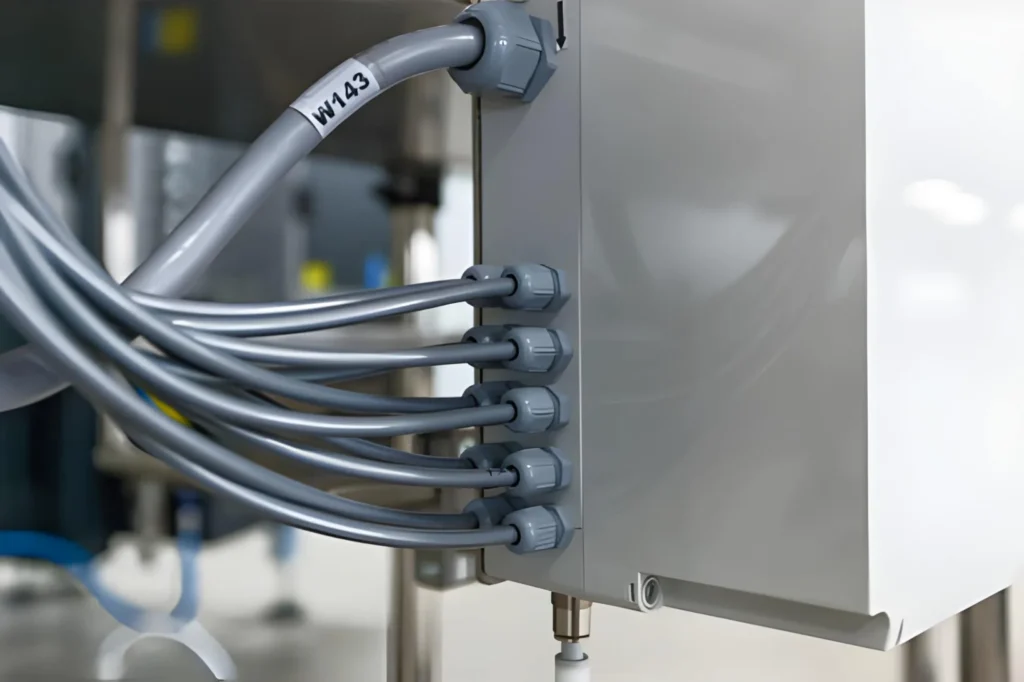
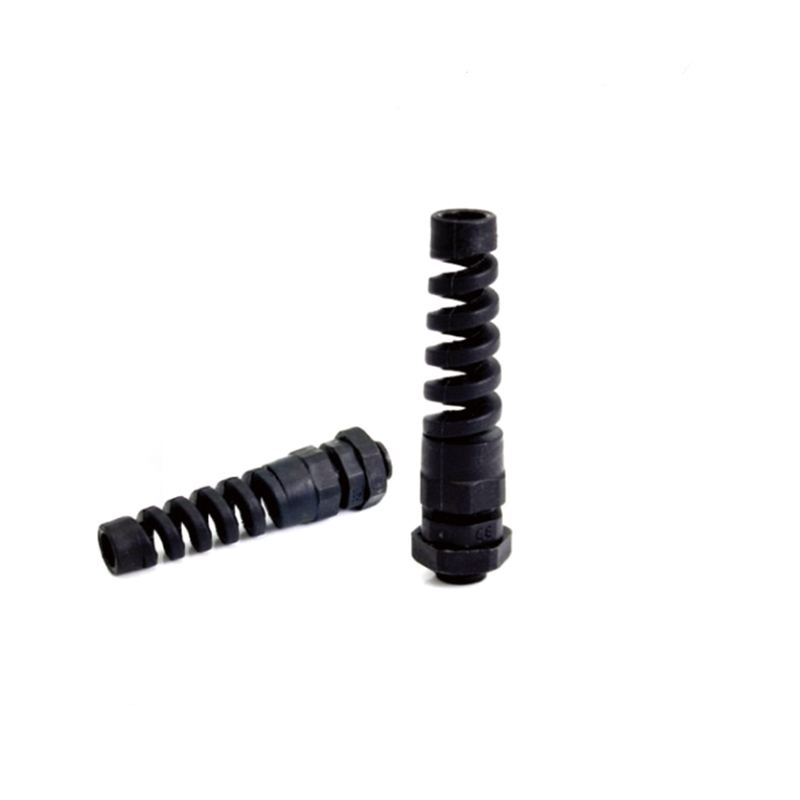
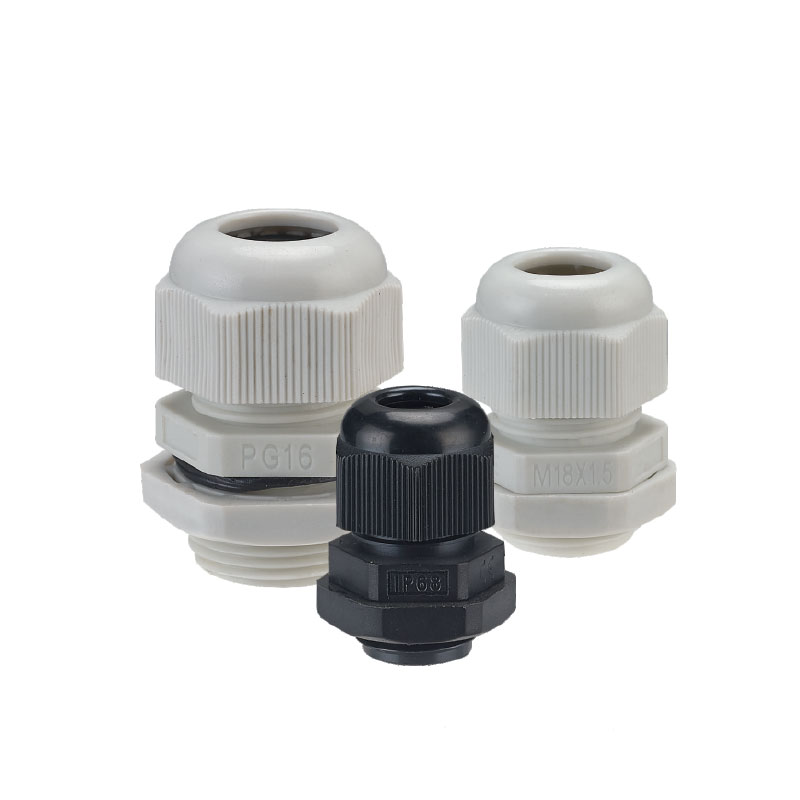
Have you ever wondered how those electrical cables passing through panels or junction boxes stay so secure and watertight? That’s exactly where nylon cable glands come into play. Though small, these components are vital for ensuring safety, stability, and durability in cable management systems. Whether used in automation, lighting, or solar PV applications, a nylon cable gland helps connect, seal, and protect cables under different conditions.
In this article, you’ll dive deeper into how nylon cable glands work, their structure, materials, and how they compare to alternatives like metal glands. By the end, you’ll know how to select the right one for your needs — and why they’re such a popular choice in modern electrical installations.
What Exactly is a Nylon Cable Gland?
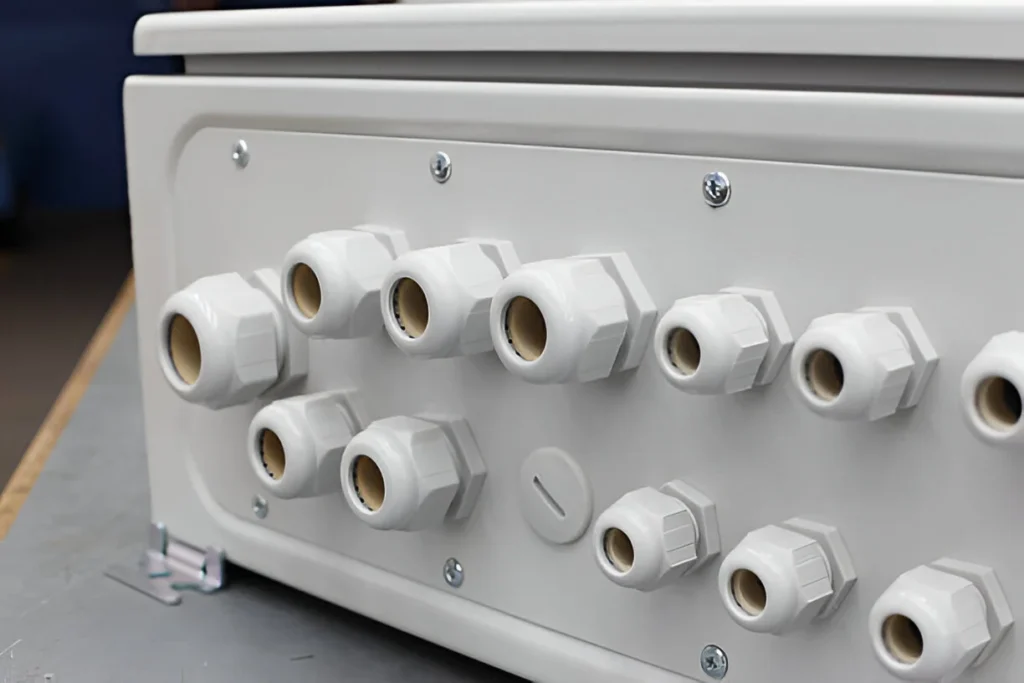
A nylon cable gland, also known as a plastic cable gland, is a mechanical connector used to secure electrical cables to equipment. It provides strain relief, sealing, and insulation, ensuring cables remain firmly in place while blocking dust, dirt, and liquid ingress. Most models are made from polyamide (PA6 or PA66), prized for its resilience, lightweight build, and resistance to corrosion.
Here’s a quick look at what makes nylon cable glands practical for many industries:
Feature
Description
Material
High-quality PA66 nylon polymer
Temperature Range
-40°C to +100°C (short-term up to +120°C)
Ingress Protection
IP68 waterproof sealing standard
Thread Type
Metric, PG, or NPT thread sizes
Clamping Range
Fits cables from 3mm to 44mm diameter
Applications
Switchboards, control panels, outdoor lighting, solar power, sensors
Unlike metal cable glands, nylon types don’t rust or conduct electricity. This makes them ideal for non-metallic enclosures, plastic control boxes, and electronics that require electrical insulation. Plus, their flexibility and ease of installation appeal to both electrical installers and OEM manufacturers.
How Does a Nylon Cable Gland Work?
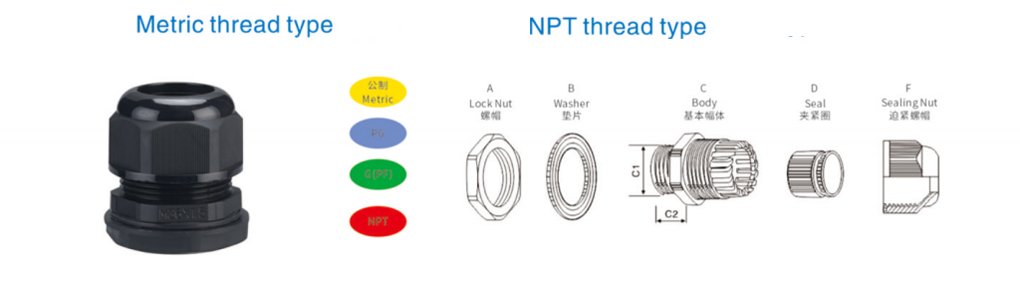
Understanding how a nylon cable gland functions is simple once you know its key parts. It typically includes a sealing nut, a clamping insert, an O-ring, a body, and a lock nut. When you tighten the cap, the inner sealing insert compresses around the cable sheath, forming a firm seal.
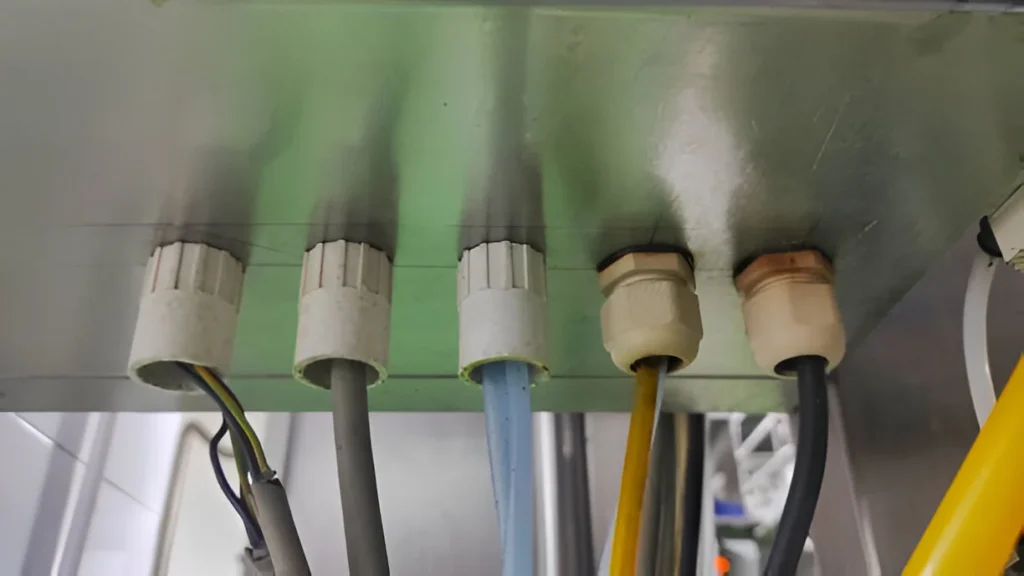
This compression not only prevents pull-out force (strain relief) but also blocks ingress of dust and moisture. That means it’s essential for achieving IP68-level waterproof performance — often required in marine, outdoor, or industrial setups.
Here’s a simplified breakdown of the working process:
Insert the cable through the gland body.
Tighten the sealing nut, which compresses the internal rubber seal.
The O-ring ensures a waterproof fit between the gland and panel.
Once locked, the gland holds the cable firmly while allowing safe tension.
This design ensures long-term reliability even in environments exposed to vibration, heat, oil, or chemicals. That’s why nylon glands have become the default choice in LED lighting systems, industrial automation, and solar junction boxes.
Nylon Cable Gland Types and Sizes
Nylon cable glands come in various thread standards and clamping ranges. Choosing the correct type ensures compatibility and sealing performance.
Type
Thread Standard
Typical Use
Metric (M Type)
ISO standard sizes M12–M63
Global industrial and enclosure applications
PG Type
German DIN standard (PG7–PG48)
Electronic components, sensors, lighting
NPT Type
American tapered thread sizes (1/4″–2″)
North American electrical assemblies
Multi-Hole Nylon Gland
Multiple cable entries
Control panels and telecoms
IP68 Waterproof Nylon Gland
Enhanced sealing
Outdoor LED lighting, marine, and solar systems
Selecting the right nylon cable gland size depends on your cable’s outer diameter and the required sealing standard (IP67 or IP68). Most manufacturers offer size charts for quick selection, ensuring a snug fit that maintains both strain relief and waterproofing.
Pro Tip: Don’t overtighten during installation — moderate torque ensures proper compression without damaging the insert or threads.
Nylon Cable Gland vs. Metal Cable Gland
When selecting glands, users often compare nylon and metal (brass or stainless steel) options. While both serve the same sealing purpose, their performance and ideal environments differ significantly.
Feature
Nylon Cable Gland
Metal Cable Gland
Material
PA66 Polyamide
Brass, Stainless Steel
Corrosion Resistance
Excellent
Excellent (but may oxidize)
Electrical Conductivity
Non-conductive
Conductive
Weight
Light
Heavy
Temperature Range
-40°C to +100°C
-60°C to +250°C
Cost
Lower
Higher
Common Applications
Indoor, plastic enclosures, electronics
Industrial, high-temp, grounding systems
If your installation requires electrical insulation, weight reduction, or cost efficiency, a nylon gland is the right call. However, in environments where mechanical strength, grounding, or high heat are priorities, metal glands perform better.
A smart solution is to mix and match both types across your system. For example, use nylon cable glands for signal or control wiring, and metal ones for power or bulkhead entries.
How to Install a Nylon Cable Gland
Installing a nylon cable gland doesn’t require special tools — just accuracy and attention.
Select the appropriate gland size.
Drill a hole to match the gland thread.
Insert the gland body into the enclosure and secure it with the lock nut.
Pass the cable through the sealing insert.
Tighten the cap to compress the seal, ensuring water and dust protection.
Before finishing, always check that the cable can’t rotate or pull out. Over-tightening may cause the inner seal to distort, leading to potential leaks.
For best results, choose glands certified to IP68 or UL94V-2 flame-retardant standards, especially in outdoor or marine installations.
Would you like to source high-quality nylon cable glands in bulk? Reach out to our sales team today for a free quote or sample!
Advantages of Using Nylon Cable Glands
Nylon cable glands are engineered for performance and practicality. Let’s explore their biggest benefits:
Excellent UV and weather resistance, perfect for outdoor use.
Non-conductive material improves safety in electronic and control equipment.
Wide variety of thread sizes and IP ratings (IP68, IP69K, etc.).
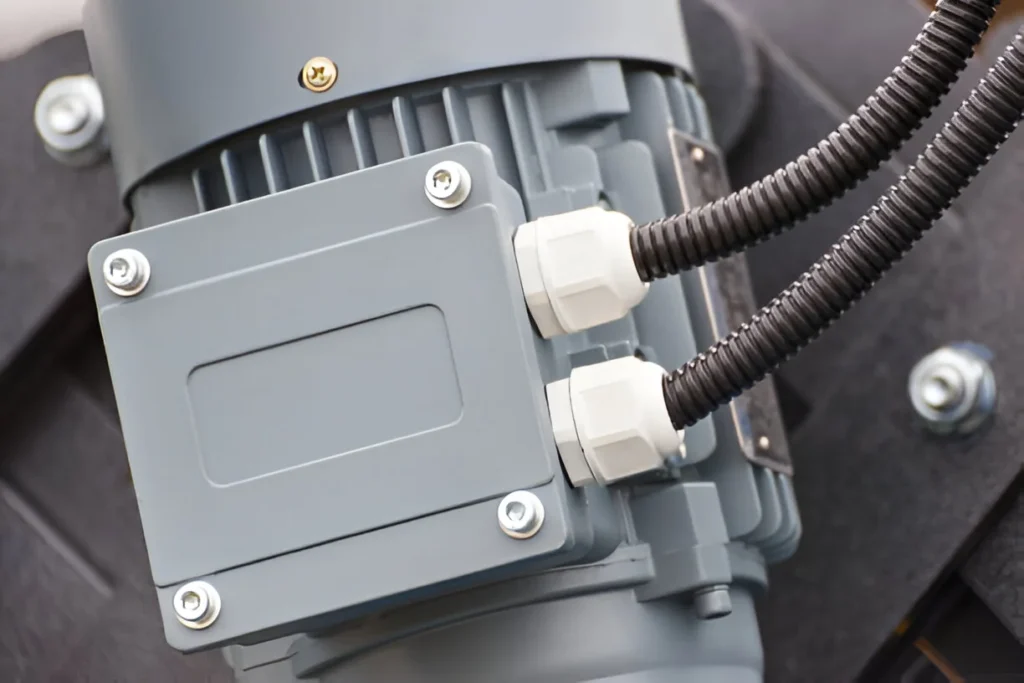
Their versatility also extends to industrial sensors, automation machinery, robotics, and solar PV junction boxes — where flexible and durable cable entry protection is essential.
Beyond their technical appeal, nylon cable glands also support a tidy cable management aesthetic — a crucial element in modern engineering design where neatness conveys professionalism.
A nylon cable gland may look small, but its role in electrical safety and cable protection is significant. From waterproof sealing to strain relief and insulation, it’s a must-have component across industries. Compared to metal alternatives, nylon offers an unbeatable mix of strength, cost efficiency, and versatility — ideal for both indoor and outdoor setups.
If your project demands reliable cable sealing at an affordable price, cable glands are the smart choice.
Contact our team today for product specifications, datasheets, or a custom quote — we’re here to help you find the right solution for every application.
FAQ
Are nylon cable glands waterproof?
Yes! Most high-quality nylon cable glands meet IP68 or even IP69K ratings, offering complete protection against dust and temporary immersion in water.
Can I reuse a nylon cable gland?
Technically yes, but only if the sealing insert and threads are undamaged. For critical applications, replacement is always recommended.
Are nylon cable glands suitable for outdoor applications?
Definitely. Their UV resistance, temperature stability, and corrosion-proof nature make them ideal for LED street lighting and solar projects.
How do I choose the correct size?
Measure your cable’s outer diameter and match it with the gland’s clamping range. Always verify the thread type — Metric, PG, or NPT — for compatibility.
What’s the difference between Nylon and Plastic Cable Gland?
Essentially, they refer to the same product. However, not all plastics have the same performance; genuine nylon (PA6/PA66) provides superior strength and resistance compared to cheaper plastics.
When it comes to managing cables in industrial settings, cost is always a major concern. Choosing between nylon cable glands and plastic cable glands is often the first decision to make for procurement teams looking to balance quality and budget. Both materials offer distinct advantages, but which one is the smarter choice for price-sensitive projects? Let’s take a close look at […]
Product Overview: High-Performance PA66 Cable Fittings At GHX, we manufacture premium nylon cable glands designed to meet the toughest industrial demands. Our high-performance PA66 cable fittings are crafted from UL-approved Nylon PA66 material, ensuring outstanding durability and strength. These plastic cable glands are IP68-rated for waterproof protection, making them ideal for harsh outdoor and industrial […]
We use cookies to enhance your browsing experience, serve personalised ads or content, and analyse our traffic. By clicking "Accept All", you consent to our use of cookies.