
Cable Glands for Electrical Enclosures
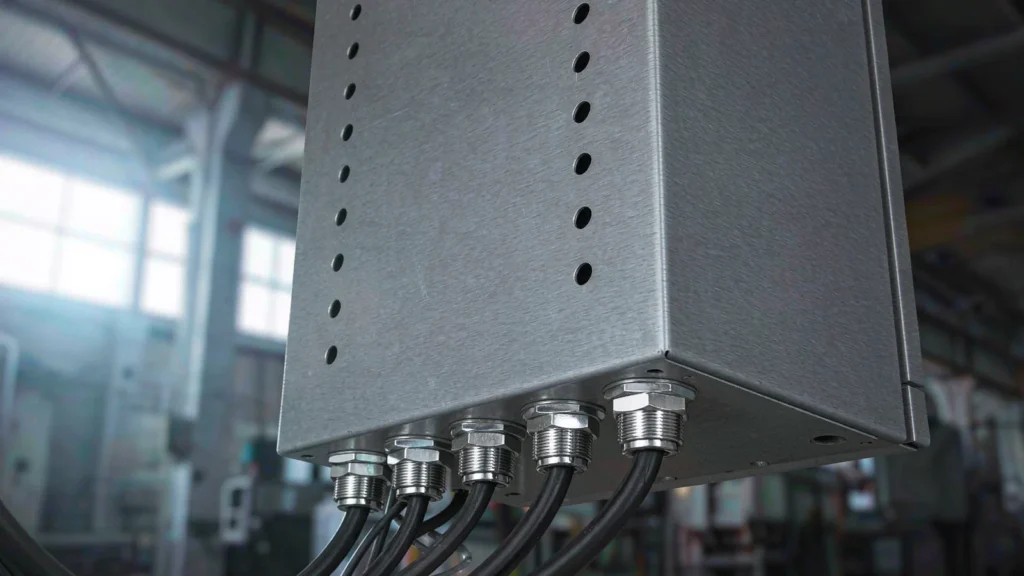
The gland is only as good as the hole it sits in. How wall material, thread length, locknuts, knockouts and gland plates decide whether an enclosure stays at its stated IP rating.


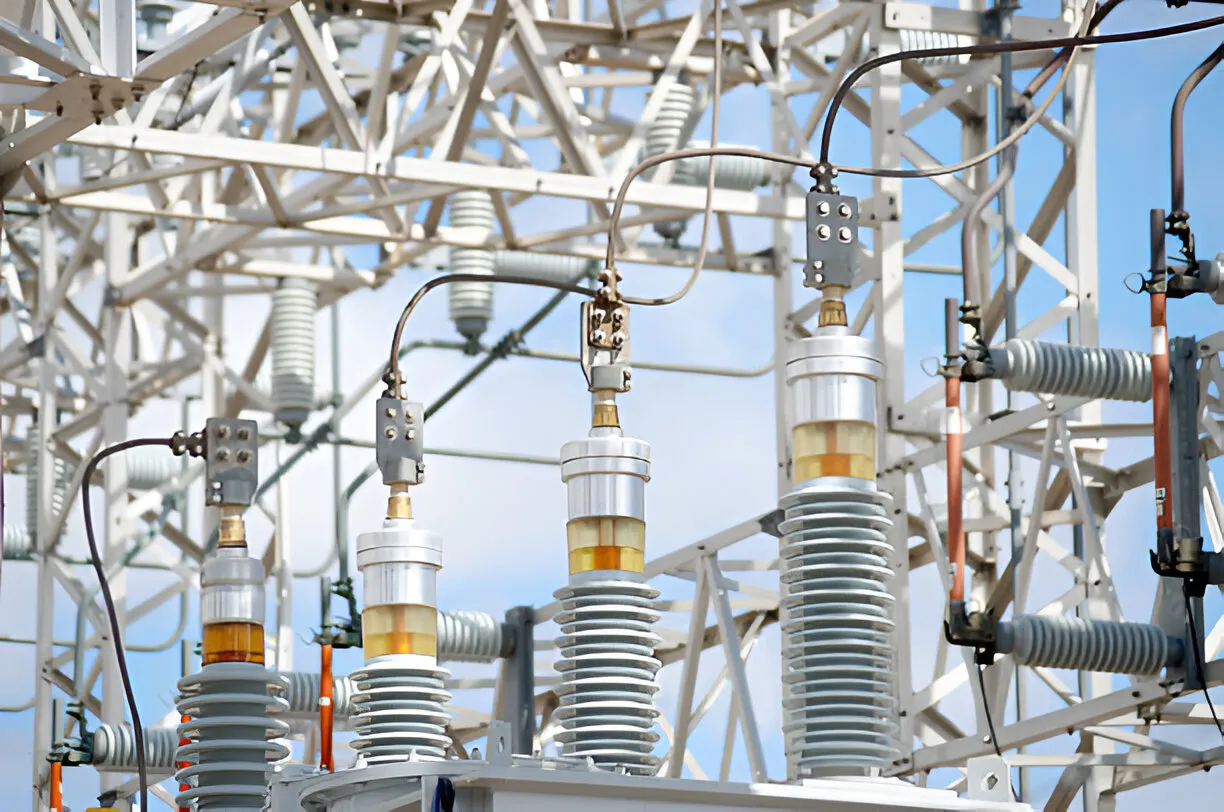
Used in distribution boards and control panels, cable glands organize, secure, and protect wiring, preventing cable pullout, short circuits, and ingress of dust or water in both residential and commercial buildings

In railway infrastructure, cable glands provide strain relief and environmental protection for signaling, control, and power cables along tracks and within train systems, ensuring safety and operational reliability
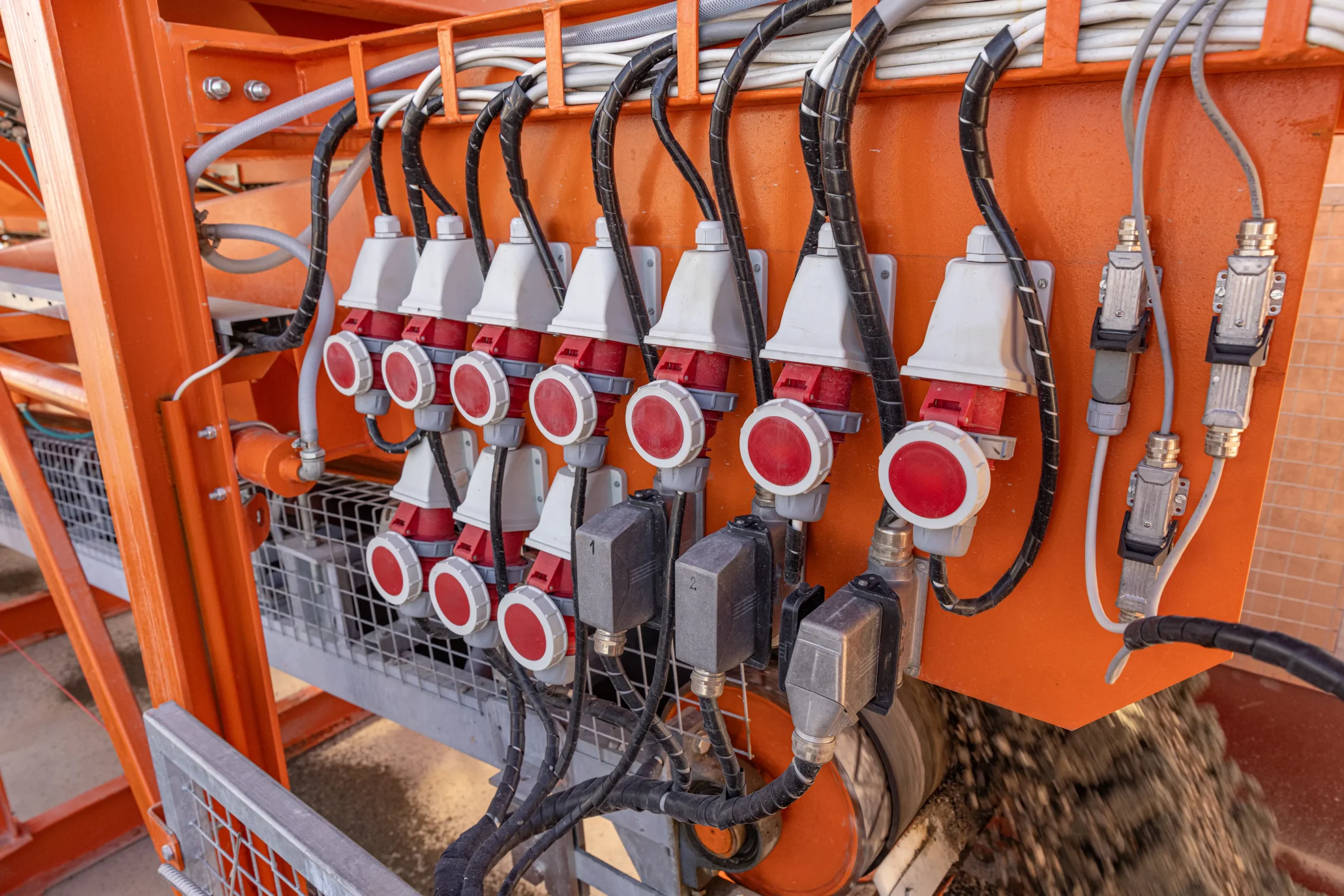
Cable glands are widely used in control cabinets and machinery to manage cables for automation equipment, robotics, and production lines, providing strain relief, environmental sealing, and compliance with safety standards



Lorem ipsum dolor sit amet, consectetur adipiscing elit. Ut elit tellus, luctus nec ullamcorper mattis, pulvinar dapibus leo.
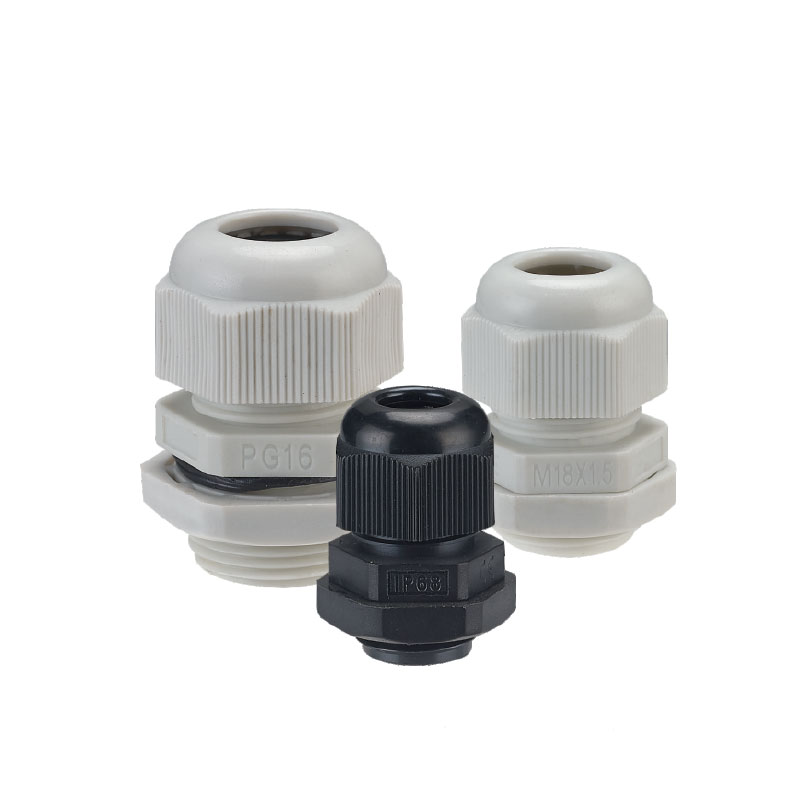
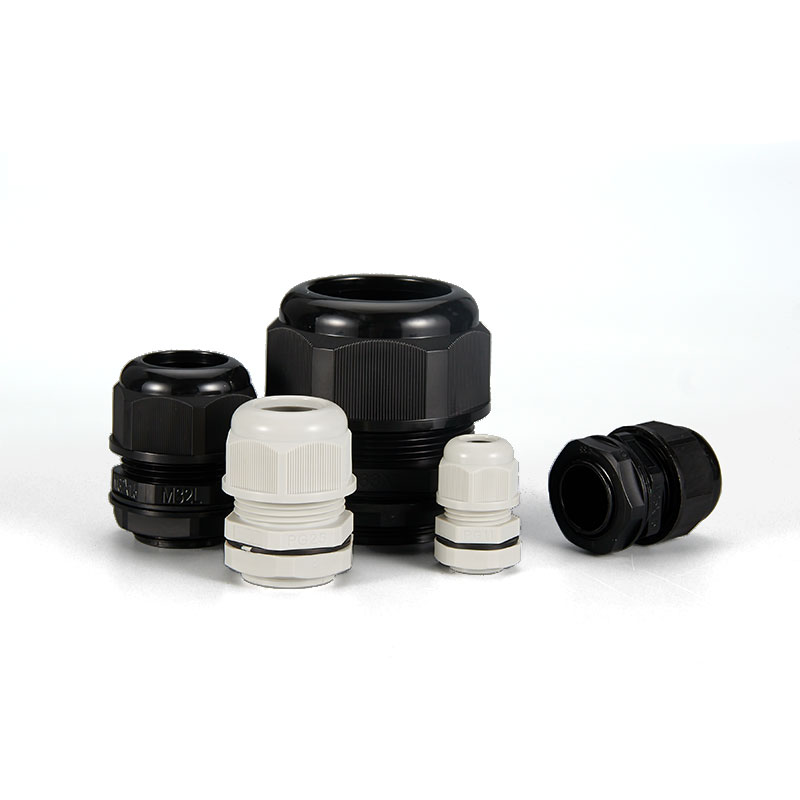
These cable glands are made from high-quality nylon PA and durable NBR rubber seals, ensuring excellent flame-retardant safety and environmentally friendly performance.
The products have an IP68 rating and are designed to withstand pressure up to 10 Bar, ensuring excellent sealing and long-lasting protection, even in harsh environments.
There are several types available including: United Structure Nylon Cable Gland, Standard Nylon Cable Gland, Nylon Watertight Fitting Gland, and 90 Degree Elbow Nylon Cable Gland.
Yes, with their IP68-10 Bar rating, the cable glands offer excellent sealing and protection, making them suitable for use in harsh and demanding environments.
NBR rubber seals provide durability, effective sealing against water and dust ingress, and flame-retardant safety, helping maintain reliable performance over time.

Lorem ipsum dolor sit amet, consectetur adipiscing elit. Ut elit tellus, luctus nec ullamcorper mattis, pulvinar dapibus leo.

The gland is only as good as the hole it sits in. How wall material, thread length, locknuts, knockouts and gland plates decide whether an enclosure stays at its stated IP rating.
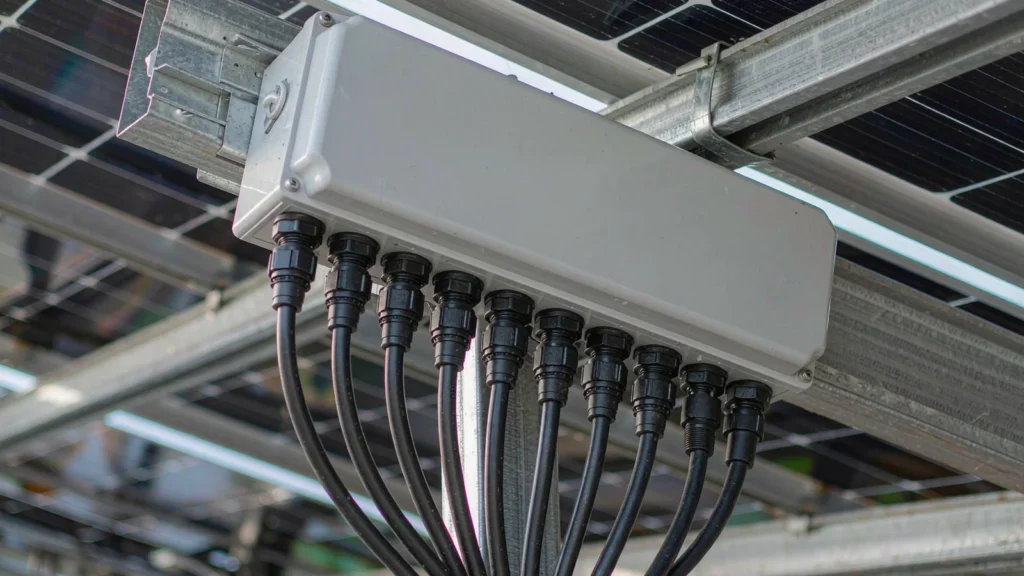
A combiner box is a density problem: too many entries, too little spanner room, and a thin moulded wall. How to schedule, space and seal the entries before anything is drilled.
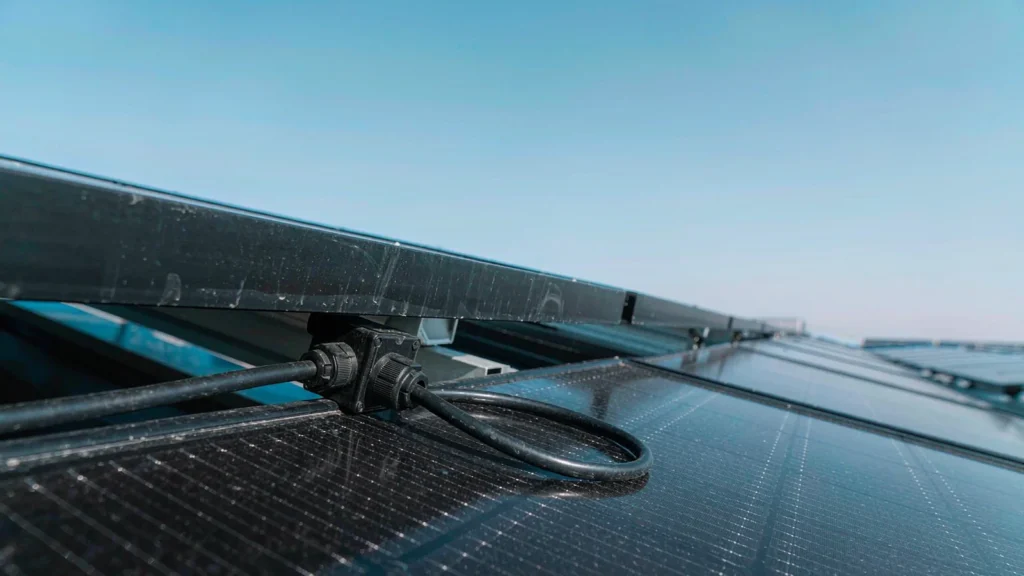
A PV cable entry has to survive twenty-five years of sun and thermal cycling with no maintenance access. What that changes about cable sizing, UV stability, material choice and entry geometry.
We will respond to your inquiry within 24 hours
We value your privacy
We use cookies to enhance your browsing experience, serve personalised ads or content, and analyse our traffic. By clicking "Accept All", you consent to our use of cookies.