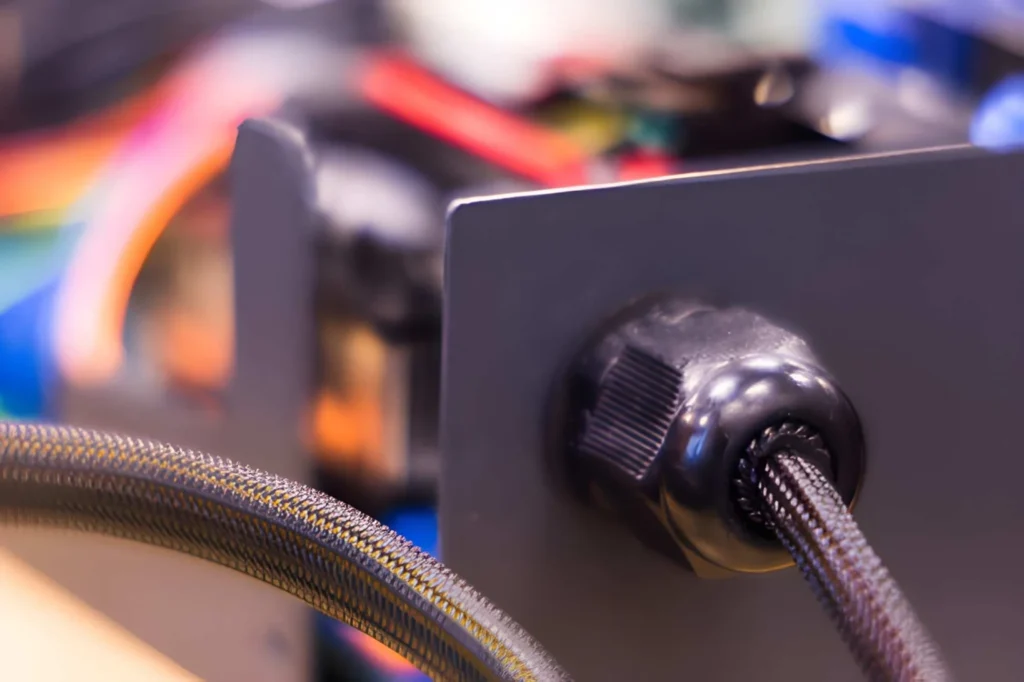
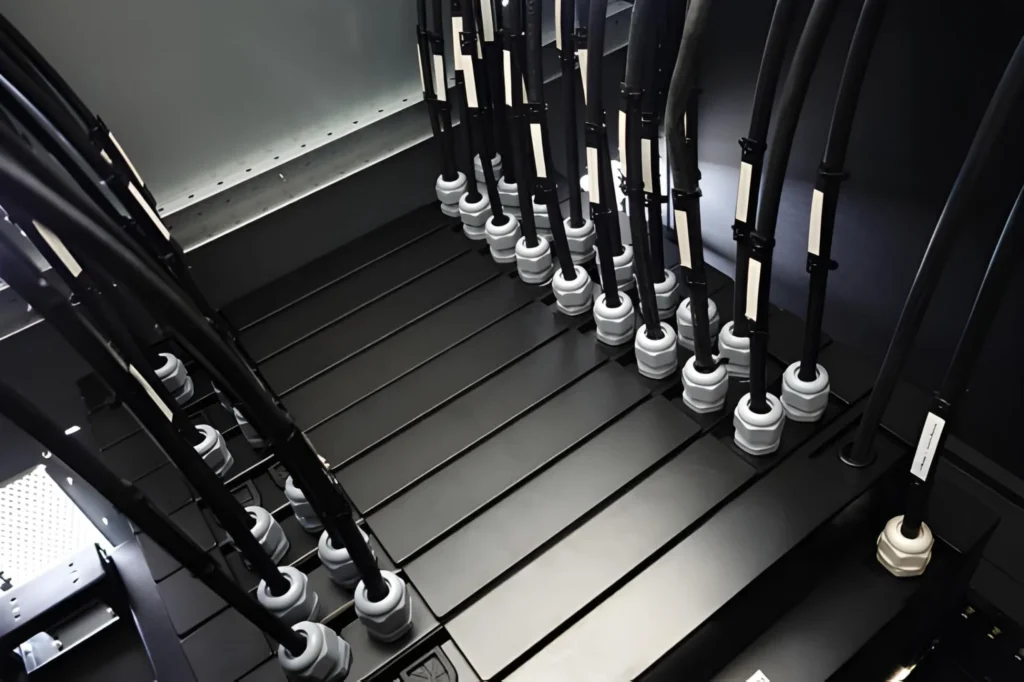
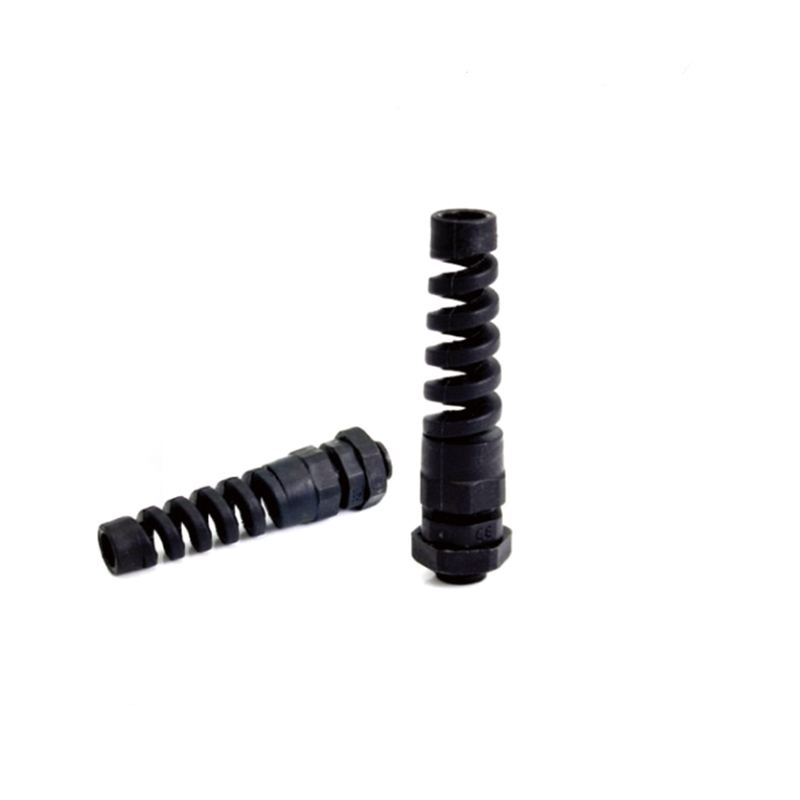
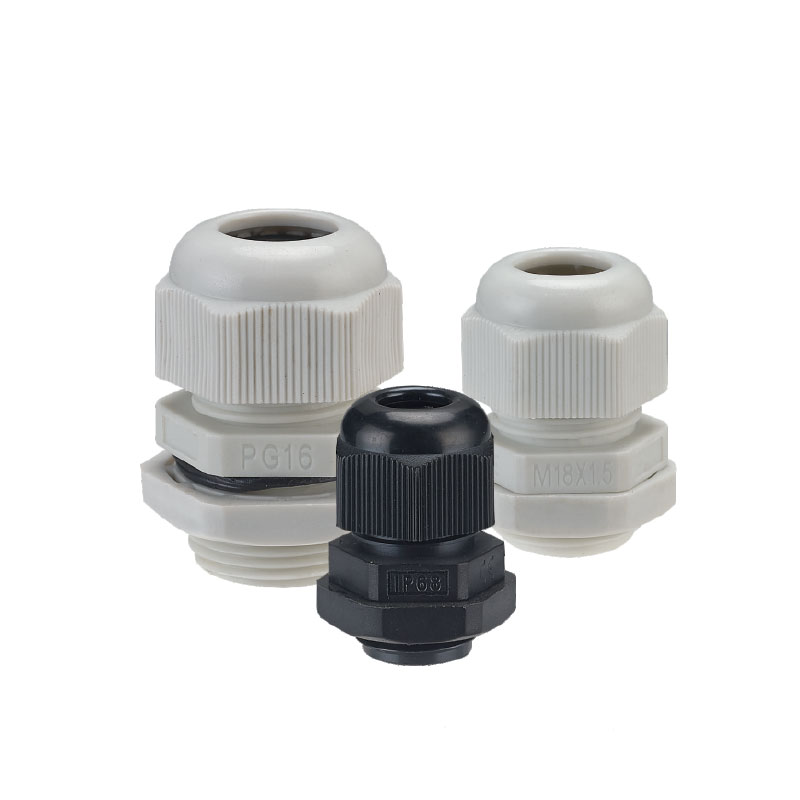
A waterproof cable entry gland is a specialized fitting designed to secure cables as they pass through panels, roofs, decks, or enclosures. Its main job is to create a watertight seal, preventing moisture, dust, and debris from entering sensitive electrical components. This ensures cables remain protected while maintaining the enclosure’s integrity.
How It Differs from Standard Cable Glands
Unlike regular cable glands, waterproof versions feature enhanced sealing elements such as:
Gaskets
O-rings
Compression nuts
These additions provide superior weather resistance, making them ideal for harsh outdoor, marine, and industrial environments. This means your cables and equipment stay safe from water ingress, even in heavy rain or immersion.
Key Standards and Ratings
When choosing a waterproof cable entry gland, look for compliance with leading industry standards:
Fonctionnalité
Typical Standard
What It Means
Protection contre les infiltrations
IP67 / IP68
Dust-tight and waterproof, IP68 suitable for submersion
UV Stability
UV-resistant materials
Prevents cracking and degradation under sunlight
Résistance à la corrosion
Marine-grade brass or stainless steel
Protects against rust and salt spray in marine or coastal setups
These standards guarantee your cable gland will perform reliably over time, resisting harsh weather, saltwater exposure, and temperature extremes.
With a waterproof cable gland, you get more than just a fitting—you get peace of mind that your cables are safe, sealed, and ready to withstand tough environmental challenges.
Why Waterproof Cable Entry Glands Are Essential
Waterproof cable entry glands play a crucial role in protecting electrical systems from moisture, dust, salt spray, and temperature extremes—especially in outdoor and marine environments. When cables pass through panels or enclosures, these glands maintain the enclosure’s integrity, helping to uphold important NEMA and IP ratings, such as IP67 or IP68. Without a proper seal, water and dirt can sneak in, leading to short circuits, corrosion, equipment failure, and serious safety risks.
For example, solar panel roof cable entries on RVs and vans rely heavily on waterproof cable glands to prevent leaks and damage from weather exposure. Boats benefit from marine deck cable seals that withstand saltwater spray and rough conditions. Outdoor lighting fixtures and security camera housings also require dependable waterproof cable entry glands to ensure continuous operation. Even industrial panels exposed to harsh environments depend on these fittings to protect sensitive wiring and maintain long-term performance.
To explore reliable options designed specifically for such tough conditions, consider checking out quality marine waterproof cable glands that are built to take on these challenges with ease.
Types of Waterproof Cable Entry Glands
Waterproof cable entry glands come in various types to meet different needs and installation environments. The most common distinction is between single cable glands designed for one cable and multi-cable glands, such as double or triple entry glands, which allow multiple cables to pass through a single point while maintaining a watertight seal.
There are also straight-through glands, which run cables directly through a panel or enclosure, and angled or side-entry glands that help route cables at a 90-degree angle or other directions where space is limited.
You’ll find standard threaded glands that screw securely into bulkheads, offering reliable sealing, versus low-profile deck seals et cable clams that sit flush or clamp around cables for a neat finish, especially on boat decks or RV roofs.
For easier installation without drilling, no-drill adhesive-mounted boxes provide a waterproof seal for cable entry on surfaces where drilling might weaken the structure or isn’t possible. Traditional bulkhead mounts, on the other hand, offer heavy-duty, durable sealing for thicker panels.
Material-wise, options vary from lightweight ABS or nylon glands, which are UV-resistant and corrosion-proof, suitable for solar panel cable entry glands and outdoor lighting, to brass or stainless steel glands built for marine-grade durability and harsh environments.
For detailed insights on gland threads and types, check out this comprehensive guide on cable gland thread types to pick the right fit for your application.
Key Features to Look for in a Quality Waterproof Cable Entry Gland
When choosing a waterproof cable entry gland, there are several key features to keep in mind to ensure reliable sealing and long-term performance:
Fonctionnalité
What to Look For
Indice IP
Preferably IP68 for full submersion protection. IP67 is good for splash and dust resistance. Check detailed ratings before purchase.
Gamme de diamètres de câbles
Matches your cable size—common ranges are 3-15mm for general use, and 6-12mm for solar panel cables. Proper fit ensures a tight seal.
Sealing Mechanisms
Look for tapered rubber seals, durable O-rings, and reliable compression fittings that prevent water ingress.
Strain Relief & Anti-Twist
Built-in strain relief prevents cable damage from pulling. Anti-twist features keep cables secure and stable.
Durabilité des matériaux
UV resistant and chemical-resistant materials like UV-stabilized ABS, nylon, or corrosion-proof metals extend lifespan outdoors.
Ease of Installation
Simple to install, with reusable components for maintenance or adjustments. Low-profile options help in tight spaces.
These features ensure your waterproof cable gland not only keeps water out but also withstands harsh conditions like sun exposure and chemical sprays. Proper sealing with components like O-rings and compression nuts is critical to maintain IP68 waterproof cable gland standards. For more detailed guidance on selecting the right material and protection level, check out this waterproof cable gland protection and material guide.
How to Choose the Right Size and Type of Waterproof Cable Entry Gland
Picking the right waterproof cable entry gland starts with knowing your cable size and application. Here’s a simple, step-by-step guide to get it right every time:
Step 1: Measure Your Cable Diameter
Use a caliper to measure the diamètre extérieur of your cable (including insulation).
For multiple cables or solar panel setups, measure each cable separately if needed.
Step 2: Match Your Cable Diameter to Gland Specs
Look for glands that support your cable size. Typical size ranges: | Cable Diameter (mm) | Common Gland Size | Example Uses | |———————|—————————–|———————–| | 3 – 9 | Small single cable glands | CCTV, lighting cables | | 6 – 12 | Solar cable entry glands | Solar PV system cables | | 10 – 15 | Marine deck multi-cable glands | Boat power cables | | 12 – 18 | RV/van conversion glands | Thicker or armored cables |
Step 3: Choose Based on Application
Solar dual entry glands are perfect for roof or flat panel passes where two solar cables run side-by-side.
Marine multi-cable deck glands handle several cables while ensuring a watertight seal against saltwater exposure.
RV/van conversions often need low-profile or adhesive-mounted glands for easy roof installation without drilling.
Step 4: Consider Cable Type
For armored cables, select glands specifically rated for armored protection to ensure strain relief and a secure grip.
For pre-terminated wires with connectors, consider low-profile or adhesive-mounted glands to avoid bulk and maintain waterproofing.
Helpful Tips
Always check the gland’s Indice de protection IP – go for IP68 if full submersion is possible.
By following these steps and matching your cable size with the correct waterproof cable gland type, you ensure a secure, durable, and weatherproof connection every time.
Installation Guide: Step-by-Step for Optimal Waterproofing
Getting your waterproof cable entry gland installed right the first time is key to keeping cables dry and secure. Here’s a simple step-by-step guide to help you achieve a tight, lasting seal.
Preparation: Tools and Surface Ready
Gather tools: You’ll need a drill or hole saw sized to your gland, a wrench or spanner for tightening, cleaning cloth, and optionally silicone sealant.
Clean the surface: Remove dirt, dust, and oils from the panel or deck area where the gland will go. A clean surface ensures proper sealing.
Hole sizing: Check your gland’s specs and cut a hole just right for it—too big and the seal won’t hold, too small and the gland won’t fit.
Threaded Gland Installation
Panel cutout: Drill or punch the hole according to the cable gland size chart, ensuring smooth edges to avoid damage to seals or cables.
Insert the gland: Push the gland through the hole from outside, making sure any rubber seals or gaskets are seated correctly.
Nut tightening: Fit the locking nut on the inside and tighten securely, but don’t overtighten—you want firm compression without crushing the seals.
Seal compression: The gland’s compression nut should clamp down on the cable’s outer jacket, squeezing the rubber seal to form a waterproof barrier.
Adhesive/Deck Seal Method for No-Drill Applications
Surface prep: Clean the roof or deck area thoroughly to ensure strong adhesion.
Position the box or gland: Peel the adhesive backing and firmly press the gland or entry box onto the surface.
Seal edges: Use additional waterproof sealant around edges if recommended for extra protection.
Cable insertion: Pass cables through, then tighten compression fittings to complete the seal.
Best Practices for Cable Routing and Waterproofing
Avoid sharp bends: Route cables with smooth curves to prevent stress and damage to the gland seal.
Apply proper torque: Use a torque wrench if specified to avoid under-tightening (leaks) or over-tightening (seal damage).
Use sealants wisely: Silicone or similar sealants can boost waterproofing but don’t rely on them instead of proper gland compression.
Common Mistakes and Troubleshooting
Loose nuts: Can cause leaks; check and tighten regularly.
Damaged seals: Replace if cracked or flattened.
Incorrect hole size: Either too large or too tight will compromise the seal—redo hole if necessary.
Cable damage: Avoid cutting through insulation or jacket during installation.
Following these steps ensures your IP68 waterproof cable gland creates a durable, weatherproof seal that protects your cables and equipment. For detailed advice on material choices and application, check out the waterproof cable gland materials and application guide.
GHX Waterproof Cable Entry Glands: Features and Benefits
GHX offers a solid range of waterproof cable entry glands, designed to meet tough outdoor and industrial needs. Their lineup includes IP68-rated models that ensure submersion protection and double cable entry glands for neat multi-cable routing. These glands stand out for their reliable sealing and weatherproof performance.
Key Features of GHX Waterproof Cable Entry Glands
Fonctionnalité
Description
Indice IP
IP68 for full waterproof and dustproof sealing
Matériau
UV-stabilized ABS and tough nylon for durability
Compatibilité des câbles
Wide cable diameter range (e.g., 3-15mm)
Entry Options
Single and double cable entry options
Scellement
Compression nuts with O-rings and rubber seals
Installation
Easy to install with reusable glands
Resistance
UV, chemical, impact, and corrosion resistant
Why Choose GHX Over Generic Glands?
Superior sealing: GHX glands feature premium gaskets and compression nuts that create a watertight barrier better than many off-brand alternatives.
Easy installation: Their user-friendly design speeds up cable routing and reduces the risk of leaks.
Longévité : UV-stabilized ABS material withstands prolonged sun exposure without cracking or fading.
Versatility: Designed for solar cable entry gland use, marine deck cable seal needs, and RV roof cable pass throughs.
Durabilité : Suitable for harsh environments including salt spray and extreme temperatures.
For heavy-duty applications, check GHX’s brass cable glands that combine mechanical strength with waterproof sealing.
Overall, GHX waterproof cable entry glands deliver value and reliability when you need a robust cable gland size that guarantees lasting protection.
Applications and Case Studies of Waterproof Cable Entry Glands
Waterproof cable entry glands are essential in a variety of real-world settings where moisture, dust, and harsh weather can damage electrical systems. One of the most common uses is in solar PV systems on vehicles and flat roofs. Whether on RVs, vans, or residential solar panels, these glands ensure a secure, watertight seal when routing solar cables through panels or roof structures, protecting against rain and UV exposure.
In marine environments, reliable marine bulkhead and deck penetrations depend heavily on high-quality waterproof cable glands like stainless steel or UV resistant nylon models. These fittings maintain the integrity of decks and hulls, preventing salt spray and water ingress that could cause corrosion or electrical failure. You can find specialized options for marine use, such as stainless steel cable glands designed for marine environments.
Off-grid cabins, sheds, and outdoor enclosures also benefit from waterproof cable entry glands, especially in remote locations where weatherproofing is critical for maintaining electrical safety. Here, these glands help keep outdoor lighting, security camera systems, and industrial electronics fully operational despite exposure to rain, wind, and temperature changes.
Additionally, industrial and commercial panels installed in wet or dusty environments require durable, high-IP-rated glands to protect sensitive wiring from moisture and contaminants. In factories, warehouses, and outdoor control panels, applying the right waterproof cable gland IP67 or IP68 ensures longer equipment life and reduced maintenance.
These applications prove why investing in quality waterproof cable glands tailored for specific needs—whether solar panel cable routing, marine deck cable seals, or industrial bulkhead cable fittings—is vital to safeguard cables and maintain system reliability. For more details on nylon cable gland uses, check out this nylon cable gland applications guide.
Maintenance and Longevity Tips for Waterproof Cable Entry Glands
To keep your waterproof cable entry gland working long-term, regular maintenance is key. Here’s what to do:
Inspect regularly for signs of wear, UV damage, or if the gland has loosened over time—especially important for outdoor or marine environments where exposure is intense.
Clean the gland and surrounding area periodically to remove dirt, salt spray, or debris that can affect the seal.
Re-tighten nuts and compression fittings if you notice any looseness to maintain a proper waterproof seal.
Watch for cracks, brittle rubber seals, or deformed O-rings—these are signs it’s time to replace the gland or its sealing components.
If you spot water ingress, corrosion, or unusual cable movement, act quickly to avoid equipment damage or safety hazards.
Properly maintained waterproof cable glands help your systems stay sealed against moisture, dust, and other harsh elements, extending their service life and reliability. For replacement or upgrades, consider glands with UV-resistant materials and IP68 ratings for the best protection.
Les presse-étoupes étanches jouent un rôle essentiel dans les industries modernes, en particulier dans le secteur B2B. Ils assurent non seulement l'étanchéité des connexions de câbles, empêchant la pénétration de l'eau et de la poussière, mais améliorent également la sécurité et la stabilité globales des systèmes électriques. Saviez-vous qu'une mauvaise installation des presse-étoupes peut non seulement réduire la durée de vie des équipements [...]
Découvrez les presse-étoupes doubles étanches et durables avec un indice de protection IP68, idéaux pour les panneaux solaires des véhicules de plaisance, les bateaux et les solutions d'étanchéité des câbles en extérieur.
Vous êtes-vous déjà demandé comment les câbles électriques restaient en sécurité et au sec, même dans les conditions les plus difficiles ? La réponse réside dans un composant souvent négligé et pourtant crucial : le presse-étoupe étanche. Ces raccords, petits mais puissants, protègent les câbles de l'eau, de la poussière et d'autres éléments extérieurs, garantissant ainsi la fiabilité et la sécurité des systèmes électriques dans de nombreux secteurs d'activité. Que vous soyez [...]
Nous répondrons à votre demande dans les 24 heures
Nous accordons de l'importance à votre vie privée
Nous utilisons des cookies pour améliorer votre expérience de navigation, vous proposer des publicités ou des contenus personnalisés et analyser notre trafic. En cliquant sur "Tout accepter", vous consentez à notre utilisation des cookies.