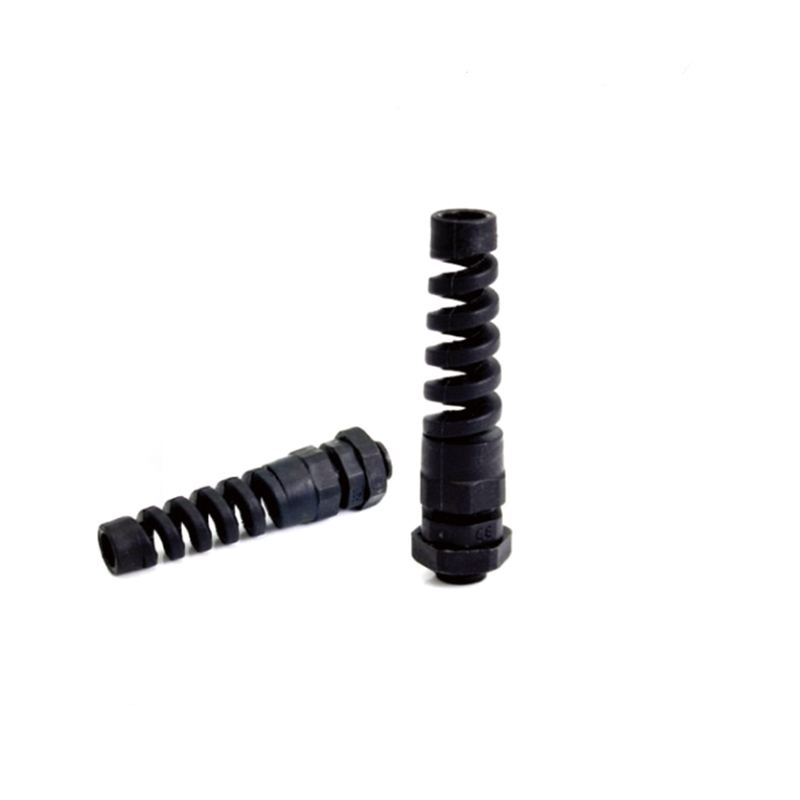
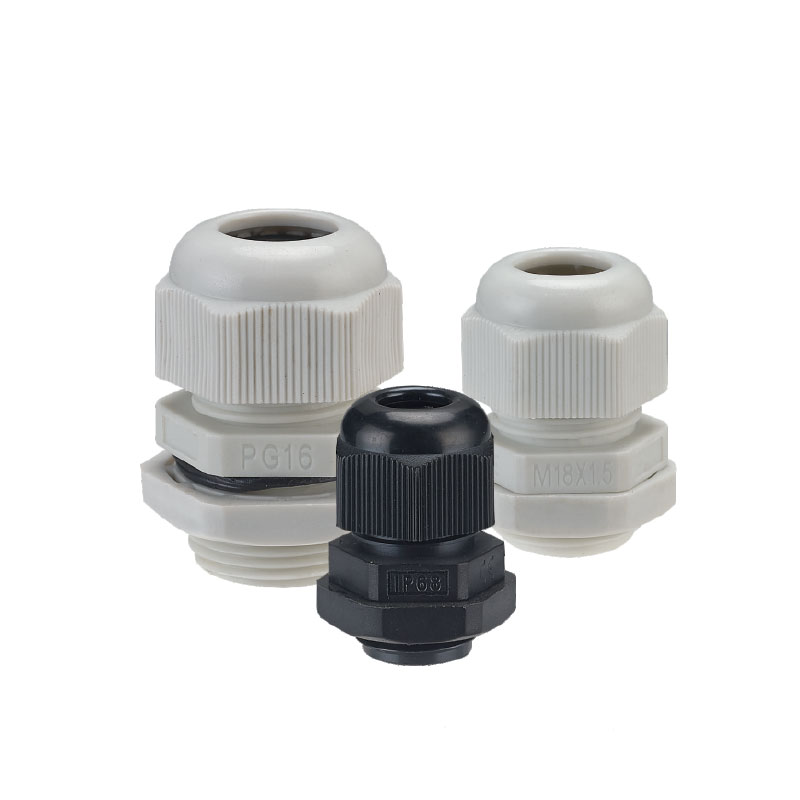
What Are Marine Waterproof Cable Glands and Why Are They Essential?
Marinha prensa-cabos à prova d'água are specially designed fittings that secure cables entering or exiting equipment on boats and ships. Their main role is to seal cables against water, dust, and other harsh elements while providing reliable strain relief to prevent cable damage from pulling or bending.
Unlike standard cable glands, marine versions offer:
Enhanced corrosion resistance to withstand saltwater exposure
Higher IP ratings (IP67 or IP68) for superior waterproofing, including immersion protection
Materials built for marine environments, such as marine-grade stainless steel and nickel-plated brass
Key Functions of Marine Cable Glands
Função
Explicação
Watertight Seal
Prevents water ingress on decks, bulkheads, and engine rooms
Alívio de tensão
Protects cable connections from mechanical stress
Resistência à corrosão
Ensures durability in salty, humid marine atmospheres
Aplicativos comuns
Marine waterproof cable glands are vital for:
Deck pass-throughs – safe cable routing through hulls and decks
Bulkheads – secure entry points within internal walls
Engine rooms – resistant to heat and vibration
Navigation equipment and lighting – protecting sensitive electronics
Solar installations on vessels – ensuring weatherproof cable entry
Using the right marine cable gland guarantees your vessel’s wiring stays protected, reliable, and maintenance-free in tough offshore conditions.
Key Features to Look for in Quality Marine Waterproof Cable Glands
When selecting marine waterproof cable glands, pay close attention to these essential features to ensure durability and safe performance in harsh marine environments.
IP Ratings: IP67 vs. IP68
IP67: Dust-tight and protects against temporary immersion up to 1m for 30 minutes. Ideal for general deck and bulkhead applications where brief water exposure is expected.
IP68: Provides continuous immersion protection, usually beyond 1m depth. Best for underwater cables and critical areas like engine rooms or submerged fittings.
Material Options
Material
Benefits
Ideal Use
Brass (nickel-plated)
Good corrosion resistance, cost-effective, durable
General marine use, lighting, solar deck seals
Aço inoxidável 316
Superior saltwater resistance, strong, long-lasting
Single vs. Multi-cable: Single glands fit one cable while multi-cable glands save space by sealing several cables together—perfect for complex wiring runs.
Split-seal glands: Allow installation without disconnecting connectors, great for retrofits or difficult-to-reach spots.
Side-entry vs. Top-entry: Choose based on cable routing needs to minimize bending strain and fit installation space.
Additional Features
Alívio de tensão: Prevents cable damage from pulls and vibrations common on boats and offshore platforms.
Flame Retardancy: Critical where fire safety is a concern, especially near engines or electrical panels.
Explosion-proof Options: For use in hazardous zones containing flammable gases or vapors.
Choosing the right combination of these features ensures reliable cable sealing, safety, and long service life in marine environments. For example, a high-quality stainless steel cable gland with IP68 rating offers both corrosion resistance and deep immersion protection, ideal for marine professionals. Check out options like the 316 stainless steel cable gland for tough applications.
How to Choose the Right Marine Waterproof Cable Gland
Choosing the right marine waterproof cable gland means matching the gland to your cable and environment. Here’s a quick guide to get it right:
Step-by-Step Buying Guide
Measure Cable Diameter & TypeKnow if your cable is armored ou unarmored—this affects the gland design and sealing method. Accurate cable diameter is key to a tight fit.
Determine Thread and Gland SizeCheck if you need PG, NPTou metric threads based on your installation. Using the correct gland size prevents leaks and mechanical strain. For detailed sizing help, see our Tabela de tamanhos de prensa-cabos de náilon.
Evaluate Environmental FactorsConsider exposure to saltwater, temperature ranges, vibration, and UV light. These affect material choice and IP rating. High vibration zones might need glands with better strain relief.
Check CertificationsLook for CE, RoHSe IEC certifications to ensure safety and compliance, especially for commercial vessels.
Common Mistakes to Avoid
Undersizing Glands: Leads to poor sealing, water ingress, and cable damage.
Ignoring Material Compatibility: Brass may corrode in salty water; nylon may degrade under UV if not rated; always match gland material to environment.
Comparison Table: Brass vs. Stainless Steel vs. Nylon Cable Glands
With this approach, you’ll secure your cables properly and keep your marine systems safe from water and corrosion.
Top Recommendations and GHX Product Highlights
When it comes to marine waterproof cable glands, several leading options stand out for their reliability and durability in tough marine environments. The best choices offer a mix of high IP ratings, corrosion resistance, and easy installation to ensure cables stay protected against water ingress and mechanical strain.
GHX Marine Waterproof Cable Glands are a top pick for professionals and boat owners alike. They come in brass, stainless steel (316 marine grade), and UV-resistant nylon variants, covering a wide range of needs from heavy-duty engine rooms to lightweight deck pass-throughs. Their glands feature a high IP68 sealing level, meaning they provide excellent protection even under continuous water immersion.
One key advantage of GHX cable glands is precise sizing options that accommodate various cable diameters, including armored and unarmored types. This ensures a perfect fit that secures cables and prevents leaks. Plus, their superior corrosion resistance helps them withstand harsh saltwater conditions, extending the lifespan of your installations.
For those needing brass options with excellent conductivity and durable seals, GHX offers premium choices like their high-strength sealed corrosion-resistant brass cable gland, ideal for demanding marine environments. Their stainless steel range is perfect for critical applications requiring maximum saltwater durability, while nylon cable glands provide a cost-effective solution without compromising on UV resistance.
Overall, GHX marine waterproof cable glands bring together reliability, performance, and ease of use—making them a solid choice for anyone outfitting boats, offshore rigs, or sea vessels with secure, waterproof cable entries.
Installation Guide: Step-by-Step for Watertight Results
Getting your marine waterproof cable glands installed correctly is key to keeping cables secure and watertight. Here’s a simple step-by-step guide for a solid setup.
Tools and Preparation Needed
Drill with appropriate bits for your cable gland thread size
Screwdrivers or wrenches (depending on gland type)
Sealant (silicone or marine-grade recommended)
Cleaning cloth and solvent to prep surfaces
Measuring tape for accurate hole sizing
Installation Process
Measure and Drill: Use the cable gland size chart to mark the right hole size for your gland. Drill carefully through the bulkhead, deck, or panel where the gland will mount.
Clean and Prep: Wipe down the hole and surrounding area to remove dust or grease. This helps ensure a proper seal.
Apply Sealant: Spread a thin bead of sealant around the hole or gland threads if required to enhance waterproofing.
Insert and Tighten: Push the cable gland through the hole, feed the cable through, then tighten the gland nut securely. Avoid over-tightening, which can damage seals or threads.
Test the Seal: After installation, spray water or submerge briefly (if IP68 rated) to verify no leaks occur.
Tips for Deck, Bulkhead, and Multi-Cable Installations
Deck Pass-Throughs: Use corrosion-resistant options like stainless steel for exposure to direct seawater and weather.
Bulkhead Entries: Split cable glands make retrofitting easy without disconnecting cables, saving time on repairs or upgrades.
Multi-Cable Glands: Make sure gland size matches combined cable diameters and maintain strain relief on each cable for stability.
Safety and Troubleshooting
Never force a cable gland beyond its designed cable diameter—this risks seal failure.
Avoid over-tightening; tighten to manufacturer specs or until snug without stressing the seals.
If leaks appear, check the sealing surface cleanliness, gland orientation, and ensure cables aren’t deforming the seal.
Installing top-quality marine cable glands right the first time keeps your wiring safe and your vessel protected against harsh marine environments.
Maintenance, Troubleshooting, and Longevity Tips
To keep your marine waterproof cable glands working reliably, regular inspections are crucial—especially in salty, harsh marine environments. Check your cable glands for any signs of corrosion, seal wear, or cracking. Corrosion, particularly on brass or stainless steel cable glands, can compromise the watertight seal and lead to leaks. Seal degradation, like hardened or cracked rubber gaskets, signals it’s time for a replacement to maintain full protection.
Here are easy maintenance tips to extend the lifespan of your marine cable glands:
Inspect routinely: Make it a habit to examine glands every few months, especially after heavy weather or extended offshore use.
Clean gently: Remove salt buildup and dirt with fresh water and a soft brush—avoid harsh chemicals that damage seals or plastics.
Tighten carefully: Avoid over-tightening during installation or checks, as this can damage threads or crush seals.
Replace worn parts: If you spot corrosion or seal damage, swap out the gland immediately to prevent water ingress.
For longevity in tough marine conditions, consider these extra steps:
Use high-grade materials like 316 stainless steel or nickel-plated brass for superior corrosion resistance.
Opt for IP68 rated cable glands for reliable immersion protection.
Choose split cable glands if you need easy servicing without disconnecting cables.
Regular care ensures your marine cable glands keep your wiring safe and dry, saving you from costly repairs and downtime.
Explore os conectores de prensa-cabos à prova d'água duráveis com classificações IP67 e IP68 em nylon, latão e aço inoxidável para proteção segura do cabo e alívio de tensão.
Entre os muitos acessórios de conexão elétrica, o prensa-cabo à prova d'água desempenha um papel fundamental. Ele não apenas protege os cabos que penetram nas carcaças dos equipamentos contra a entrada de água e poeira, mas também aumenta a segurança e a confiabilidade gerais do sistema. A compreensão dos materiais e das aplicações dos prensa-cabos à prova d'água ajuda os engenheiros e compradores de setores como o industrial, o de comunicações, o [...]
Descubra os prensa-cabos bipartidos à prova d'água com classificações IP66 IP68, opções de latão de náilon e aço inoxidável, ideais para instalações de cabos pré-terminados e retrofit.
Usamos cookies para aprimorar sua experiência de navegação, veicular anúncios ou conteúdos personalizados e analisar nosso tráfego. Ao clicar em "Aceitar tudo", você concorda com o nosso uso de cookies.