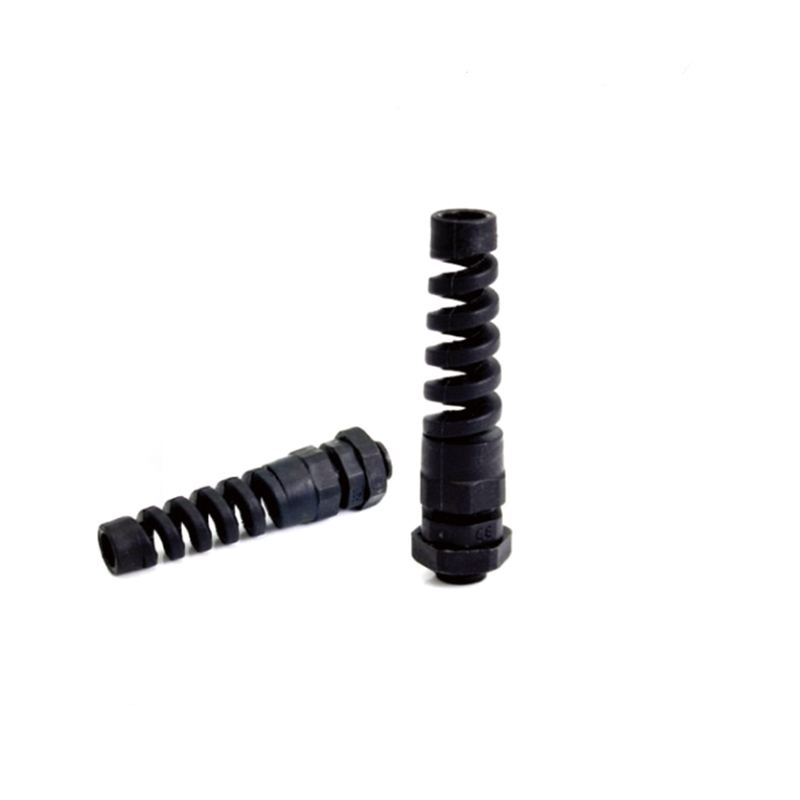
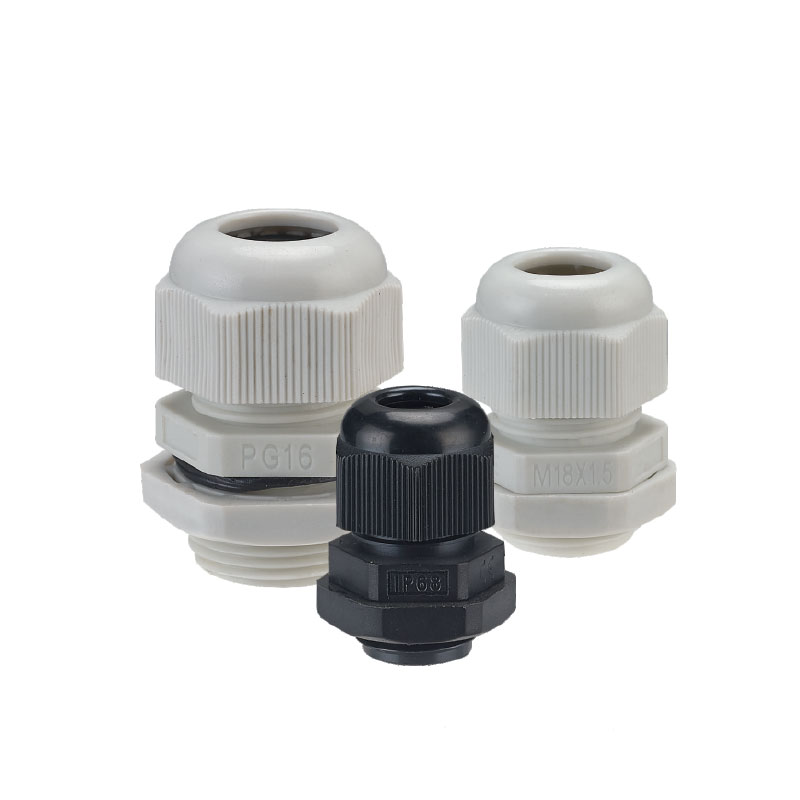
Prensa-cabos à prova d'água
Waterproof Nylon Cable Gland for Industrial Cable Entry
Learn how to choose a waterproof nylon cable gland by thread type, cable range, IP68 sealing, and application needs for OEM, export, and bulk buying.
Leia mais
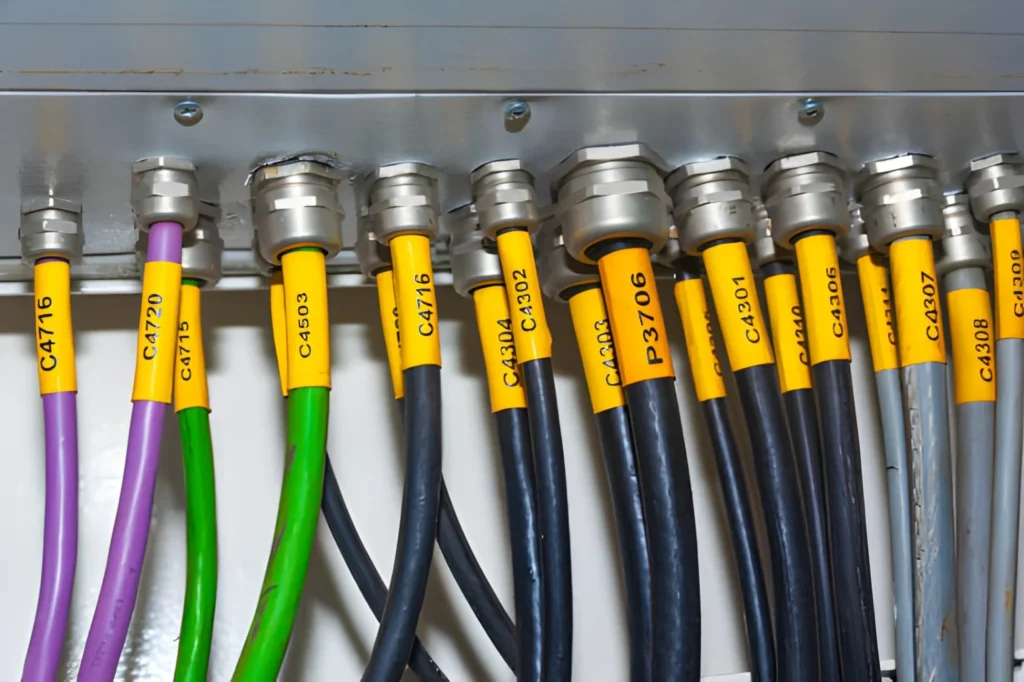
Prensa-cabos à prova d'água connectors are essential components designed to safely secure and seal the points where cables enter electrical enclosures. Their primary functions include:
| Componente | Função |
|---|---|
| Corpo | Houses the cable and connects to the enclosure. |
| Selo | Creates a watertight barrier around the cable. |
| Nut | Tightens the gland to secure the seal. |
| Clamping Mechanism | Holds the cable firmly in place to provide strain relief. |
Unlike standard cable glands, waterproof cable gland connectors feature enhanced sealing materials and designs that achieve higher IP ratings (IP67, IP68). This ensures resistance to water ingress and adds durability against weather, chemicals, and physical damage.
These qualities make waterproof cable gland connectors a reliable choice for secure, long-lasting cable entry solutions.

IP ratings are essential when choosing waterproof cable gland connectors because they tell you how well a product protects against dust and water. The code usually starts with “IP” followed by two numbers: the first digit shows protection against solids like dust, and the second digit indicates water resistance.
These ratings directly impact the enclosure’s integrity by ensuring no moisture or dust compromises the cable entry seals or strain relief cord grips. Using cable glands with the right IP rating keeps electrical connections safe and reliable, especially in harsh outdoor or industrial environments.
For an in-depth look at IP protection levels and how they affect waterproof cable gland connectors, you can check out this detailed guide on waterproof cable gland IP protection ratings.
Waterproof cable gland connectors come in various materials and designs to suit different applications and environments.
Nylon/Plastic Glands: These are cost-effective and corrosion-resistant, making them ideal for general-purpose and indoor use. Nylon cable glands waterproof well in moderate conditions and are lightweight.
Brass and Nickel-Plated Brass: Known for durability, brass cable gland connectors perform well in industrial setups and hazardous areas. The nickel plating adds extra corrosion resistance, suitable for tougher environments. Check out our range of brass cable gland connectors for sturdy options.
Stainless Steel Glands: These are a premium choice for marine applications or extreme corrosive environments where both strength and resistance to rust are critical.
Specialized Variants:
Thread Types: Popular options include PG thread cable glands, NPT waterproof connectors, and Metric threads. The choice depends on your equipment’s threading standards and sealing requirements.
Understanding these types helps you select the right waterproof cable gland for your exact needs, ensuring optimal protection and durability.
Choosing the right waterproof cable gland connector depends on several important factors to ensure a secure, durable connection. Here are the key points to consider:
Cable Diameter and Type: Always match the cable gland size to your cable’s outer diameter. Consider if the cable is armored or unarmored, as armored cable glands provide extra protection and strain relief for tougher cables. Also, single-core and multi-core cables may require different gland types or sealing methods.
Condições ambientais: Think about where the cable glands will be used. If you’re dealing with extreme temperatures, UV exposure, or chemical environments, choose materials that can resist these stresses — for example, stainless steel for corrosive settings or UV-resistant nylon for outdoor use.
Installation Requirements: Is the installation indoors or outdoors? Does it involve hazardous zones where explosion-proof glands are required? Make sure to select glands compliant with safety regulations based on the application environment.
Compliance Standards: Look for waterproof cable glands that meet recognized standards like IEC for electrical safety, ATEX for explosive atmospheres, and RoHS for hazardous material restrictions. Compliance ensures reliability and legal acceptance in many regions.
By carefully considering cable type, environmental factors, installation needs, and compliance, you can pick the perfect waterproof cable gland connectors to safeguard your cable entry points effectively. For a deeper dive into selecting the right protection levels and materials, check out our detailed guide on how to choose the right waterproof cable gland.
Choosing the right size waterproof cable gland connector is crucial for a secure fit and reliable sealing. Here’s a simple sizing process to follow:
For example, a PG16 gland typically fits cables between 8-12mm in diameter. Using the right size gland not only ensures effective strain relief cord grip but also maintains the waterproof cable entry seal, helping retain the enclosure’s IP rating.
To avoid common mistakes:
For detailed guidance on nylon cable glands sizing, you might find this Tabela de tamanhos de prensa-cabos de náilon helpful. It offers clear ranges and sizing tips to get the perfect fit every time.
Proper installation is key to ensuring your waterproof cable gland connectors deliver the best sealing and strain relief performance. Here’s a practical guide to get it right every time.
Before starting, inspect the cable for damage and clean the surface where the gland will be mounted. Confirm the gland size matches your cable using a reliable cable gland sizing chart.
For detailed precautions on installation and maintaining waterproof integrity, you can refer to a comprehensive waterproof cable gland installation guide.
Following these best practices ensures your waterproof cable glands stay reliable, protecting your cables against water, dust, and strain effectively.
Choosing high-quality waterproof cable gland connectors from GHX means investing in reliability and safety. GHX uses superior materials like premium nylon, brass, and stainless steel combined with precision engineering, ensuring your cable entry seals stay secure long-term—even in tough conditions.
| Benefício | Detalhes |
|---|---|
| Durability | Built to resist corrosion, UV, and chemicals |
| Wide IP68 Options | Excellent water and dust protection for harsh environments |
| Enhanced Safety | Reliable strain relief minimizes cable damage |
| Low Maintenance | Long-lasting seals reduce the need for frequent replacements |
| Compliance | Meets global standards like IEC, ATEX, RoHS |
Whether you need IP68 cable glands for submersion, armored cable glands waterproof for heavy-duty use, or specialized types like EMC and explosion-proof connectors, GHX has solutions tailored to various industries and environments.
Investing in premium cable glands means fewer failures, safer installations, and peace of mind that your cable entry points remain watertight and secure.
For a deeper dive into how GHX materials and designs elevate performance, check out our detailed guide on waterproof cable gland materials and applications.
Keeping your waterproof cable gland connectors in good shape ensures reliable performance and safety. Here are some easy tips to maintain and troubleshoot your cable glands:
Regular maintenance extends the life of your gland and avoids costly equipment failures. For long-term reliability, choosing high-quality, easy-to-maintain options like nylon cable glands waterproof can also reduce upkeep needs and improve sealing durability.
For outdoor applications, an IP67 or IP68 rating is typically required. IP67 protects against dust and temporary immersion in water, while IP68 is suited for continuous submersion. For reliable performance in harsh outdoor environments, look for cable glands with an IP68 rating.
Nylon cable glands are lightweight, corrosion-resistant, and cost-effective, ideal for general use. Metal glands such as brass or stainless steel offer superior durability and are better for industrial, marine, or hazardous environments thanks to their toughness and resistance to extreme conditions.
Measure the cable’s outer diameter carefully, including armor and any shielding. Use a cable gland sizing chart that corresponds to armored cables to select the right size. Many suppliers provide guides specifically for armored and unarmored cable sizing to avoid improper fits.
It’s generally best to replace cable glands rather than reuse them. The sealing components may deform during installation, which can compromise waterproofing and strain relief on re-use.
PG, NPT, and Metric threads are the most widely used. Your choice depends on the enclosure and equipment you are working with. For example, NPT waterproof connectors are popular in North America, while PG and Metric threads are common in Europe and Asia.
Yes, explosion-proof cable glands are designed to meet strict safety standards like ATEX. These glands offer added protection against sparks and flames in hazardous zones.
The clamping or strain relief mechanism is critical. It secures the cable firmly, prevents pulling stress on the connection, and helps maintain the waterproof seal.
Yes, but it depends on the material. Nylon glands resist UV radiation and many chemicals, while stainless steel offers extreme corrosion resistance for harsh chemical or marine environments.
Ensure that the gland is properly tightened but not over-tightened. Regular inspection and timely replacement of damaged seals can maintain the enclosure’s IP rating.
You can find sturdy options like SS cable glands for outdoor applications that meet IP68 standards, perfect for marine and industrial environments.
If you want help choosing the right product, this guide to picking the correct IP rating is a great resource.
Learn how to choose a waterproof nylon cable gland by thread type, cable range, IP68 sealing, and application needs for OEM, export, and bulk buying.
Leia mais
If you ever typed “are cable glands waterproof” into Google, you not alone. It one of those procurement-and-engineering questions that sounds simple, but it hides a bigger issue: “waterproof” is not a precise engineering specification. In real projects—outdoor telecom cabinets, marine sensors, washdown food lines, rooftop PV combiner boxes—what you really need is a cable […]
Leia mais
Quando se trata de proteger as conexões elétricas, é fundamental escolher o prensa-cabo à prova d'água correto. Esses componentes pequenos, porém poderosos, garantem que os cabos permaneçam seguros e secos, mesmo em ambientes desafiadores. Mas com tantos materiais disponíveis, especialmente plástico e metal, como você decide? Quais são as diferenças e qual deles atende às suas necessidades específicas? Este [...]
Leia mais