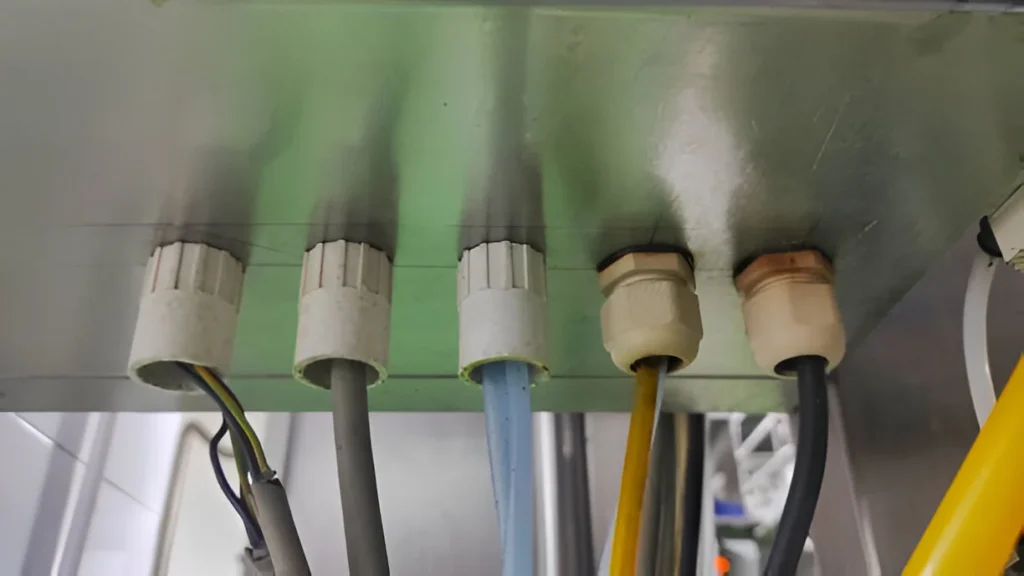
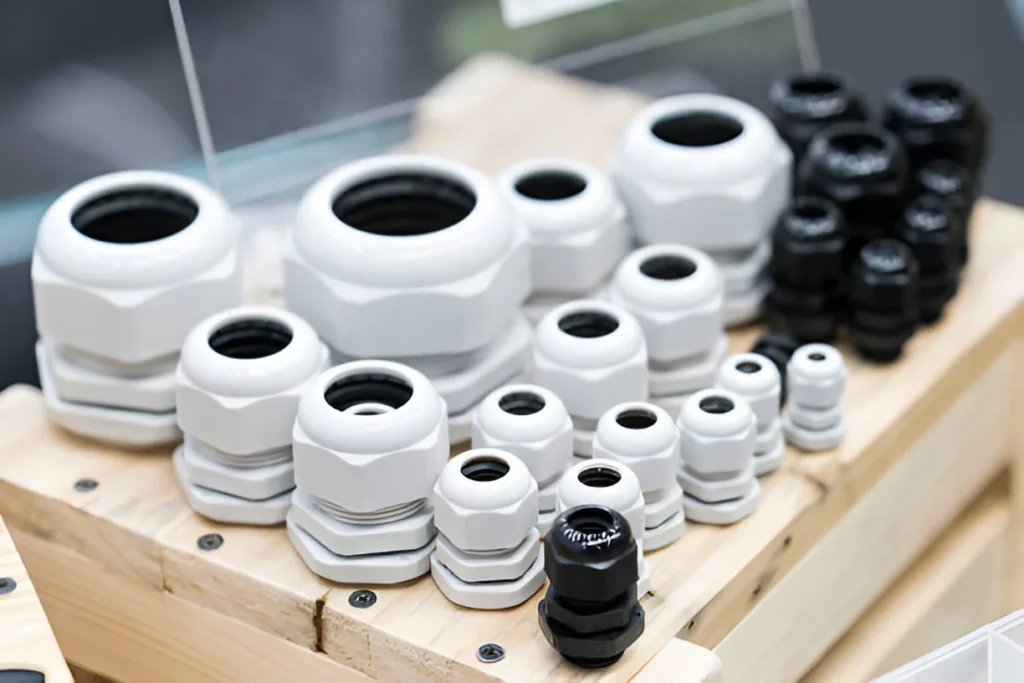
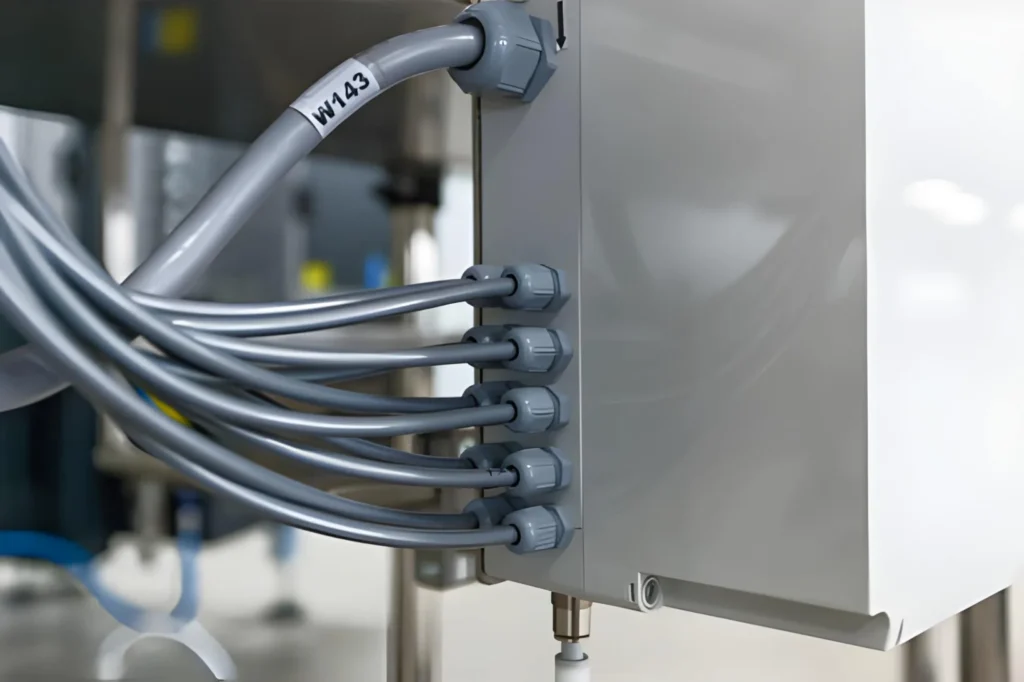
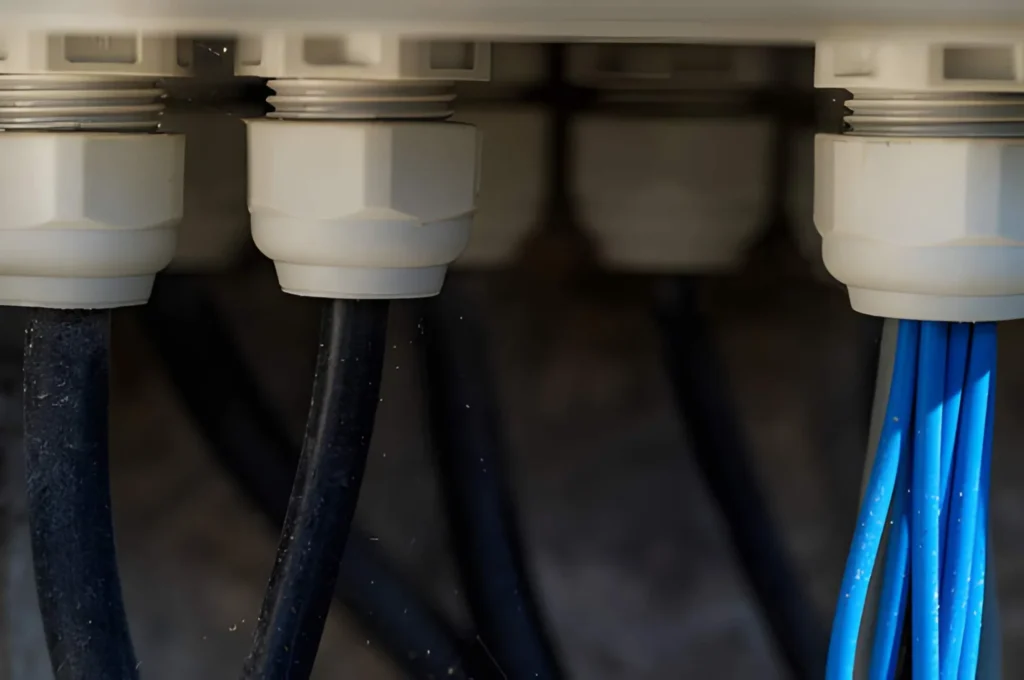
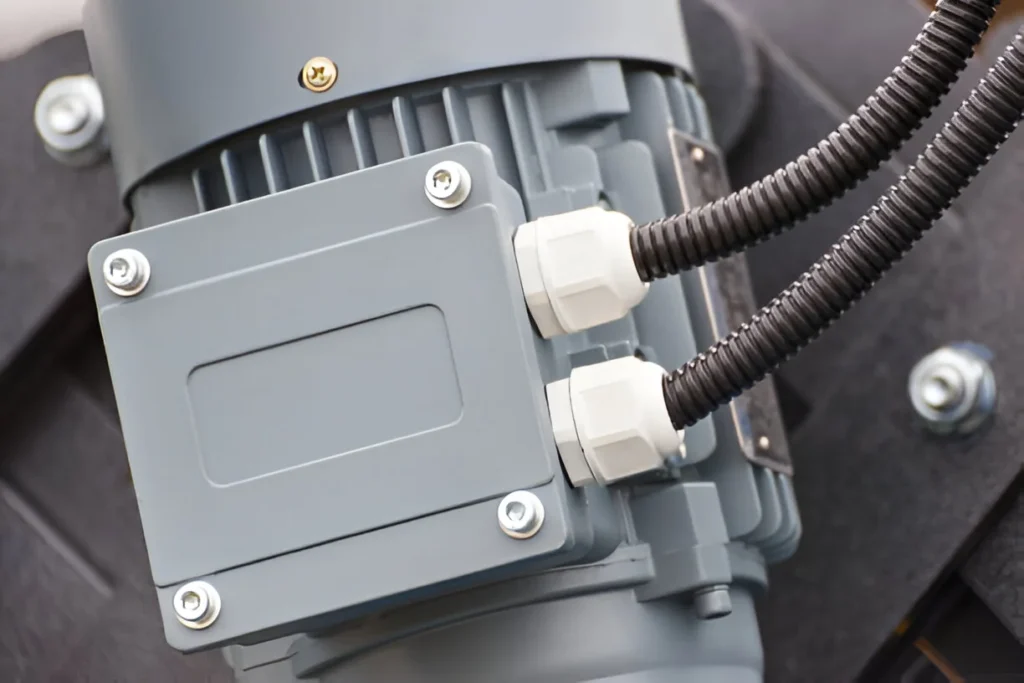
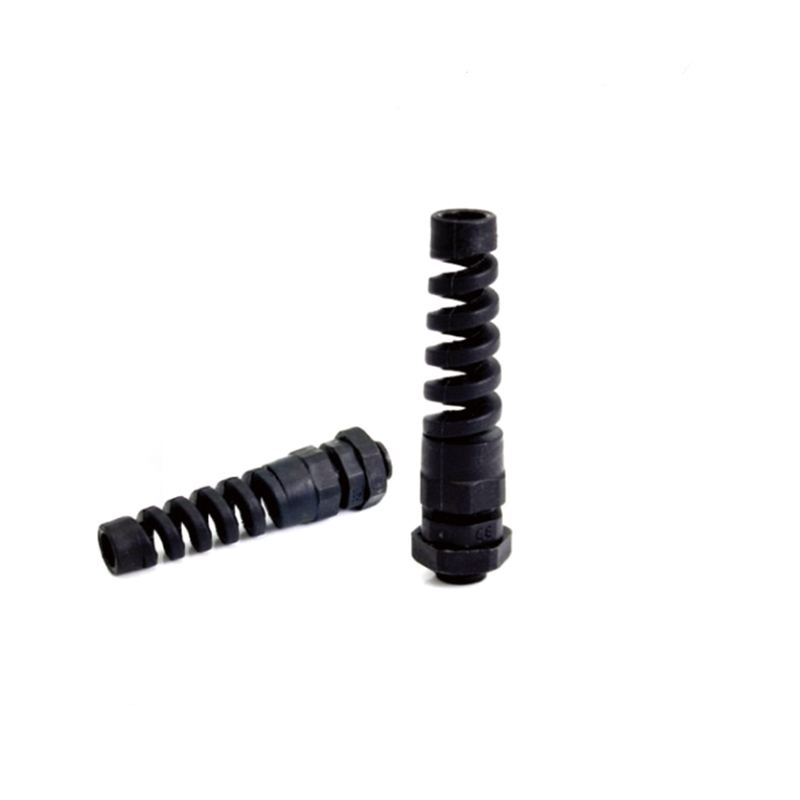
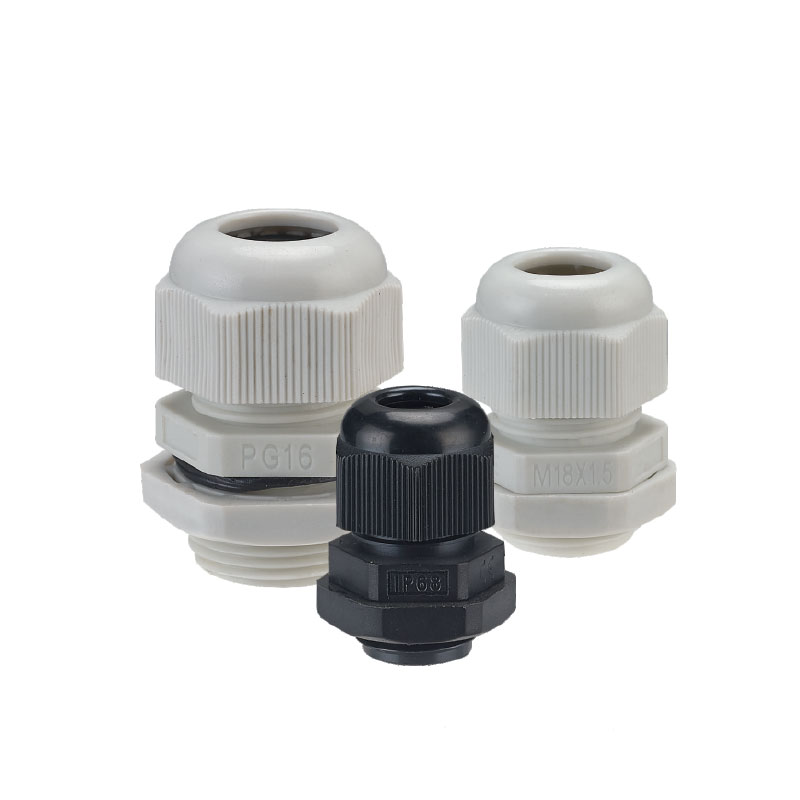
When searching for prensa-cabos de nylon, users typically seek reliable, durable, and cost-effective solutions for securing and protecting electrical cables. These searchers range from industrial electricians and engineers to procurement managers looking for specifications like PA66 cable gland materials, IP ratings, or thread compatibility. Many want quick answers on sizing, installation ease, and how these glands compare to alternatives like stainless steel or rubber.
Most inquiries focus on:
Waterproof ratings such as IP68 waterproof glands for harsh outdoor or industrial environments.
Compatibility with different cable sizes using cable gland size charts ou NPT cable gland charts.
Thread options like PG thread nylon connectors ou metric thread cord grips for specific applications.
The need for strong strain relief cord connectors that prevent cable wear and failure.
Understanding these needs helps tailor content that’s practical, precise, and action-driven—saving professionals time while ensuring safety and compliance with standards like UL94 V-2 plastic gland flame retardancy. This insight lays the groundwork for detailed specs, comparisons, and guides that follow.
Key Features and Specifications of Nylon Cable Glands
Nylon cable glands, also known as nylon cord grips ou polyamide cable fittings, come with a range of features designed to protect cables and ensure secure connections. Here’s what you need to know before choosing the right size and type:
Sizing and Thread Types
Choosing the correct size is critical for a perfect fit and reliable seal. Nylon cable glands are available in various thread standards:
Tipo de rosca
Descrição
Common Use
Tópico PG
Popular in Europe and Asia
Standard nylon connectors
Rosca métrica
Widely used globally
Easy to find and install
Rosca NPT
Tapered thread, mainly US
Provides a tight seal
Refer to an NPT cable gland chart or a comprehensive thread guide, like the one on cable gland thread types, to pick the exact match for your application. You can find detailed sizing and thread info in our guide on cable gland thread types.
IP Ratings and Waterproofing
Nylon cable glands often come with an IP68 waterproof rating, meaning they can withstand dust and long-term water immersion—ideal for outdoor or harsh environments. This protection level ensures your cable entry seals remain intact through heavy use.
Strain Relief and Material Properties
One of the biggest advantages of nylon cable glands is their built-in strain relief cord connectors. They minimize stress on cables, preventing damage from pulling or bending. Additionally, most nylon glands meet UL94 V-2 plastic gland standards, giving them decent flame retardancy for indoor and outdoor use.
Quick Reference Table
Recurso
Detalhes
Material
PA66 Nylon (Polyamide)
Thread Types
PG, Metric, NPT
Size Range
M12 to M63 (varies by model)
Classificação IP
Up to IP68 waterproof
Flame Retardant
UL94 V-2 standard
Colour Options
Usually black or natural nylon
Aplicativo
Indoor/outdoor, strain relief
Using the right size and type means your nylon cable gland will deliver reliable protection and a tight seal every time. For longer thread options and specific fitting guides, check out our nylon cable gland longer thread type products.
Nylon vs Alternatives: Stainless Steel and Rubber Glands
Choosing the right cable gland means weighing nylon against stainless steel and rubber options. Here’s a quick comparison to help you decide which suits your needs best.
Recurso
Prensa-cabos de nylon
Prensa-cabos de aço inoxidável
Rubber Cable Gland
Material
Polyamide (PA66), lightweight
Heavy-duty metal, often marine-grade
Flexible rubber or elastomer
Peso
Muito leve
Pesado
Médio
Durability
Good, with UV & chemical resistance
Extremely tough, corrosion-resistant
Fair, prone to wear and cracking
Custo
Budget-friendly
Higher price, longer lifespan
Low-cost but less durable
Classificações de IP
Often IP68 waterproof seals
Can reach IP68+, ideal for harsh environments
Generally waterproof but less rated
Thread Types Available
PG thread, Metric, NPT options
Wide variety including PG and metric
Limited thread compatibility
Alívio de tensão
Good, flexible cord grip
Excellent, over heavy cables
Moderate, depends on design
Chemical Resistance
High resistance to oils and solvents
Very high, especially in corrosive environments
Moderate, may degrade with chemicals
Faixa de temperatura
-40°C to 100°C approx.
Wide temperature tolerance including extreme heat
Limited temperature range
Aplicativos
Indoor/outdoor, general use
Marine, industrial, hazardous locations
Temporary or soft cables
Nylon cable glands are versatile, cost-effective, and ideal for most common installations needing good chemical and UV resistance. They fit well for general-purpose and outdoor use.
Stainless steel glands excel where extreme durability, corrosion resistance, and harsh conditions matter—perfect for marine and heavy industrial jobs. For example, check out our range of stainless steel cable glands with locknut PG19 for reliable performance.
Rubber glands are flexible and seal well in softer applications but can wear faster and lack the toughness nylon and steel provide.
This table should help you balance what you need—whether lightweight, budget-friendly nylon or the rugged strength of stainless steel with premium sealing.
Advantages of Nylon Cable Glands Over Stainless Steel and Rubber Alternatives
Nylon cable glands bring several benefits compared to stainless steel and rubber options. First off, they are much lighter, making installation easier and reducing overall weight in wiring setups. This is great for applications where weight matters, like in automotive or aerial installations.
Cost-wise, nylon glands are generally more budget-friendly than stainless steel, providing a durable solution without blowing your budget. While stainless steel offers strength, nylon’s chemical and UV resistance shines in environments exposed to sunlight, oils, and many industrial chemicals. This makes nylon a popular choice for outdoor strain relief connectors and other demanding uses.
Plus, nylon is non-corrosive, unlike steel, which can rust over time if the protective coating is compromised. Compared with waterproof rubber cable glands, nylon offers better structural stability and flame retardant properties (think UL94 V-2 plastic gland ratings), making it safer around electrical setups.
In real-world cases, nylon cable glands excel in industries like telecommunications, automation, and renewable energy, where reliable sealing (like with IP68 waterproof glands) and lightweight flexibility are key. For bulk orders or custom fittings, nylon also provides a versatile solution that balances performance and price.
If you need a strong but affordable alternative to stainless steel, or something tougher than rubber, nylon cable glands are hard to beat. For those curious about steel options, comparing these benefits to corrosion-resistant stainless steel cable glands can be seen in our detailed stainless steel cable gland guide.
Step-by-Step Installation Guide for Nylon Cable Glands
Installing a nylon cable gland properly is key to ensuring a secure, waterproof connection with good strain relief. Here’s a simple step-by-step guide to get it right:
Tools You’ll Need
Adjustable wrench or spanner
Screwdriver (if applicable)
Cable stripper or knife
Measuring tape or caliper
Thread sealant or PTFE tape (optional for extra waterproofing)
Measuring and Preparing
Measure your cable diameter carefully to select the right size nylon cable gland. Use a cable gland size chart, such as the Tabela de tamanhos de prensa-cabos de náilon for reference.
Strip the cable jacket to the appropriate length, exposing the conductors without damaging them.
Fitting Steps
Disassemble the gland into its parts—usually the locknut, sealing insert, and gland body.
Slide the gland parts onto the cable in the correct order.
Insert the cable through the entry hole carefully.
Fit the gland body into the enclosure’s threaded hole, tightening it by hand first.
Use a wrench to tighten securely, but avoid over-tightening to prevent damage to the threads or sealing parts.
Tighten the sealing nut around the cable to compress the nylon cord grip and ensure strain relief.
Check that the gland firmly grips the cable and the seal is tight.
Safety Tips
Wear gloves to avoid cable cuts.
Ensure the gland’s thread type matches your enclosure (e.g., PG, NPT, or metric thread).
Verify the gland meets your environmental needs like IP68 waterproof rating if required.
Avoid over-tightening as nylon parts can crack.
Test your installation for water tightness with a moisture test if possible.
For extra durability and waterproof protection, using a high-quality, flame retardant nylon cable gland like the nylon watertight fitting gland ensures you get reliable performance in tough conditions.
Proper installation not only extends the life of your PA66 cable gland but also keeps cables secure and safe from dust, moisture, and strain damage.
Common Applications and Real-World Use Cases for GHX Nylon Cable Glands
GHX nylon cable glands are widely used across various industries due to their versatility and reliability. They work well in electrical panels, automation systems, telecommunications, and outdoor equipment where a secure, waterproof seal is essential. Thanks to their strong strain relief and flame retardant properties, these PA66 cable glands are ideal for demanding environments like manufacturing plants, renewable energy installations, and marine applications.
Because nylon is lightweight yet durable, GHX nylon cable glands are popular for bulk buying among contractors and OEMs who need consistent quality and fast delivery. Custom fittings, including metric thread cord grips and adjustable nylon wire glands, are also available to meet specialized project requirements.
For businesses looking for dependable, cost-effective cable entry solutions, GHX offers a broad range of standard and divided structure nylon cable glands, ensuring seamless integration across different setups. You can explore detailed options in GHX’s standard nylon cable gland selection to find the perfect fit.
Whether you need black nylon cable glands for outdoor strain relief or flame retardant cable glands for indoor protection, GHX provides products that deliver excellent performance in real-world settings—including bulk packs tailored for industrial scale use.
Maintenance, Troubleshooting, and Longevity Tips for Nylon Cable Glands
Keeping your nylon cable gland in top shape helps avoid costly replacements and downtime. Here are some easy maintenance and troubleshooting tips to extend the life of your PA66 cable gland and prevent common issues like leaks or UV damage.
Regular Seal Inspection
Check the cable entry seal IP68 regularly for cracks or wear, especially if used outdoors or in harsh environments.
Inspect the strain relief cord connector to ensure cables remain firmly gripped and there’s no slipping.
Look for discoloration or brittleness in the black nylon cable gland material, which could signal UV degradation.
Fixing Leaks and Damage
If a leak appears, first ensure the gland is tightened correctly using the right tools, avoiding over-tightening that can damage threads or seals.
Replace worn-out rubber or silicone sealing rings rather than ignoring small leaks—this keeps the flame retardant cable gland waterproof and reliable.
For UV damage on outdoor connectors, cleaning with mild detergent and applying protective sprays can temporarily slow deterioration.
Life-Extension Tips
Avoid exposing your nylon cable gland to harsh chemicals unnecessarily; nylon is resistant but prolonged exposure can weaken it over time.
Choose glands with appropriate IP and thread ratings, such as following the NPT cable gland chart ou PG thread nylon connector sizing, to ensure a proper fit prevents strain on the fitting.
Store spare bulk nylon cable glands pack in a cool, dry place away from direct sunlight to keep them ready for future use.
By following these simple steps, you maximize the durability and performance of your nylon cable glands, keeping your cable installations safe and secure longer.
For more help choosing the right gland and maintenance best practices, check out the detailed guides on our nylon cable gland category.
Why Choose GHX Nylon Cable Glands: Quality, Availability, and US Support
When it comes to reliable nylon cable glands, GHX stands out for quality, stock availability, and strong US-based support. If you need PA66 cable glands or any black nylon cable gland in bulk or individual units, GHX ensures you get certified, top-grade products fast.
Key Benefits of GHX Nylon Cable Glands
Recurso
Detalhes
Quality Certifications
UL94 V-2 flame retardant, IP68 waterproof seal, ISO compliance
Diverse Stock
Wide range including metric thread cord grips, NPT cable gland chart sizes, and adjustable nylon wire glands ready to ship
Customer Testimonials
Positive feedback on durability, chemical resistance, and UV protection in outdoor strain relief connector use
Purchase Options
Bulk nylon cable glands pack deals and custom fittings tailored to your needs
US Support Team
Responsive local customer service for order help, installation tips, and troubleshooting
Choosing GHX means opting for reliable polyamide cable fittings that suit global industrial, commercial, and outdoor applications perfectly. You also gain peace of mind with steady availability and expert support when working with tough environments.
Product Overview: High-Performance PA66 Cable Fittings At GHX, we manufacture premium nylon cable glands designed to meet the toughest industrial demands. Our high-performance PA66 cable fittings are crafted from UL-approved Nylon PA66 material, ensuring outstanding durability and strength. These plastic cable glands are IP68-rated for waterproof protection, making them ideal for harsh outdoor and industrial […]
Product Overview Introduction GHX black nylon cable glands are engineered to provide reliable and durable cable entry solutions for demanding industrial and outdoor applications. Manufactured from high-grade PA66 polyamide, these cable glands deliver exceptional strength, flame retardancy (UL94 V-2), and resistance to environmental factors. Core Value Proposition Our black nylon cable glands offer superior strain […]
Quando se trata de gerenciar cabos em ambientes industriais, o custo é sempre uma grande preocupação. Escolher entre prensa-cabos de náilon e prensa-cabos de plástico costuma ser a primeira decisão a ser tomada pelas equipes de compras que buscam equilibrar qualidade e orçamento. Ambos os materiais oferecem vantagens distintas, mas qual deles é a escolha mais inteligente para projetos sensíveis ao preço? Vamos dar uma olhada em [...]
Usamos cookies para aprimorar sua experiência de navegação, veicular anúncios ou conteúdos personalizados e analisar nosso tráfego. Ao clicar em "Aceitar tudo", você concorda com o nosso uso de cookies.