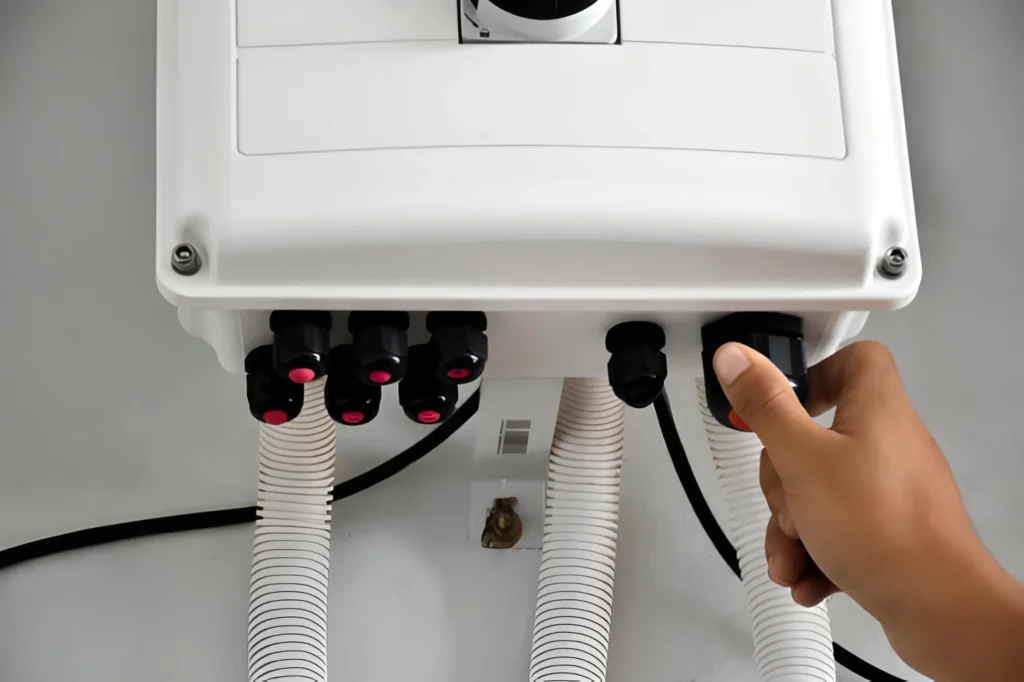
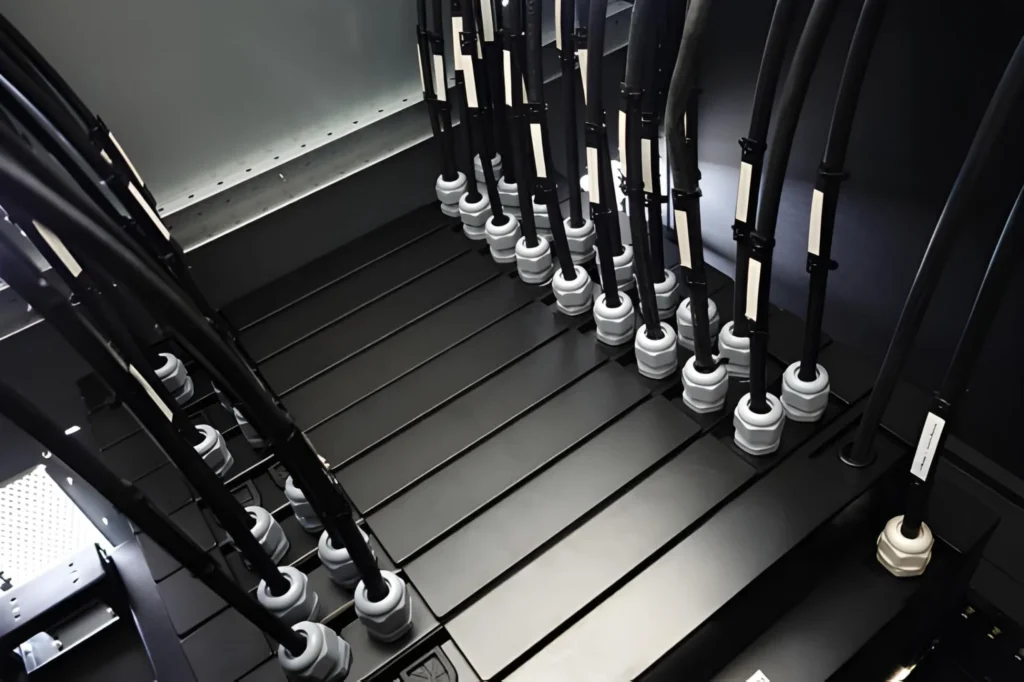
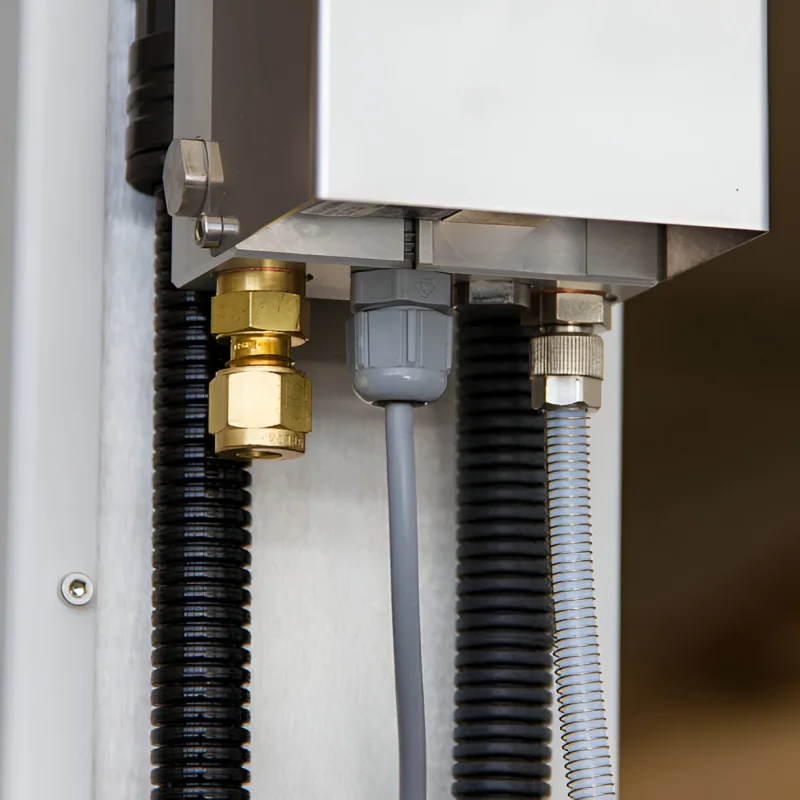
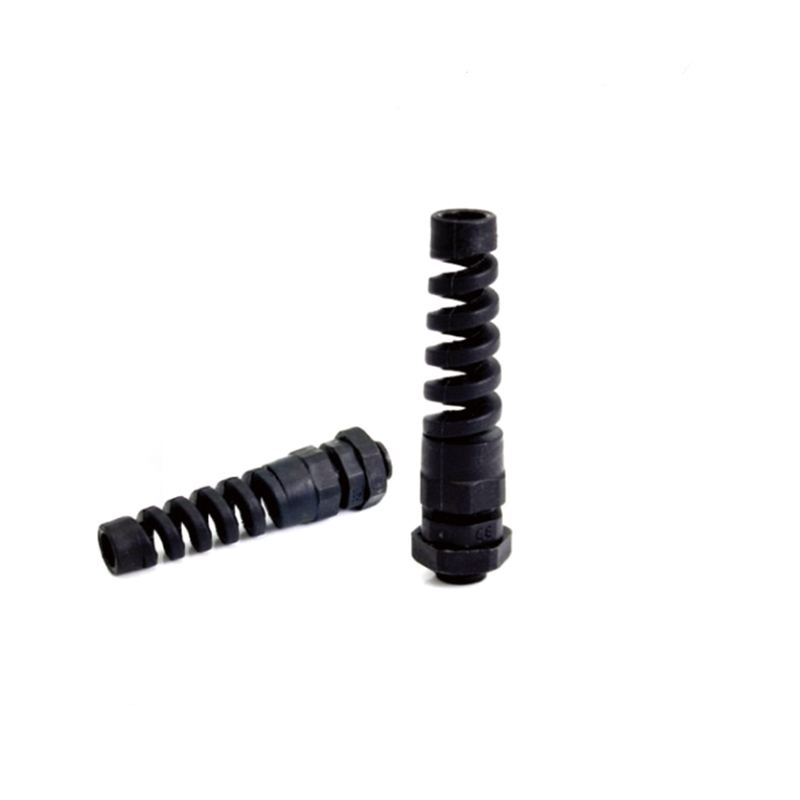
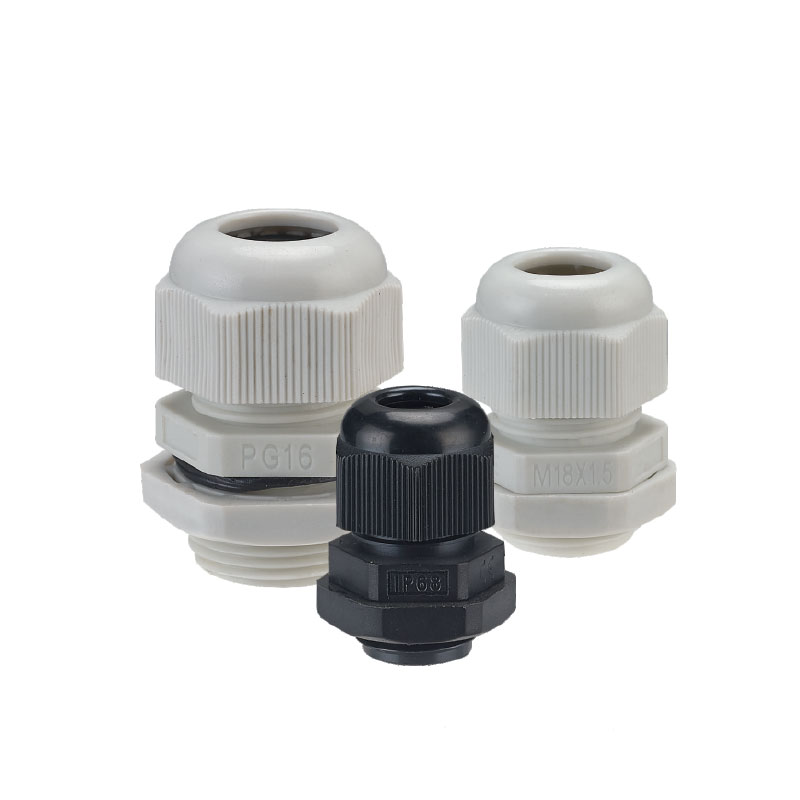
A prensa-cabos à prova d'água connector is a vital device designed to securely attach and seal cables entering enclosures or equipment, protecting them from water, dust, and environmental hazards. Unlike standard cable connectors, waterproof cable glands offer reliable sealing and strain relief, ensuring safety and durability in harsh conditions.
Componentes principais
Componente
Função
Corpo
The main frame, usually threaded, securing the gland to the enclosure.
Selo
Typically made of rubber or elastomer, it seals around the cable to prevent water and dust entry.
Nut
Tightens the gland, compressing the seal for a watertight fit.
Clamping Mechanism
Holds the cable firmly to provide strain relief and prevent slipping or damage.
How It Works
Strain relief: Prevents cable movement where it meets the enclosure, reducing stress on internal connections.
Sealing: The seal and tightened nut block water, dust, and contaminants.
Environmental protection: Keeps electrical components safe from weather, chemicals, and physical damage.
Differences from Standard Cable Connectors
Recurso
Waterproof Cable Gland Connector
Standard Cable Connector
Water and dust protection
IP67 or IP68 rated seals provide full protection.
Often lacks comprehensive sealing.
Strain relief
Built-in clamping protects cables.
Limited or no strain relief.
Material options
Resistant materials like brass, stainless steel, nylon.
Often plastic or basic metal, less durable.
Use environments
Designed for outdoor, marine, industrial use.
Typically indoor or protected areas only.
In short, a waterproof cable gland connector is a robust solution to safeguard cables in challenging environments, making it essential for outdoor lighting, renewable energy, marine, and industrial installations.
What the four parts of the connector do
Componente
Função
What goes wrong when it is not right
Corpo
Houses the cable and threads into the enclosure
Wrong thread form or length: it bottoms out without sealing
Sealing ring or insert
Compresses onto the jacket to form the watertight barrier
Cable outside the clamping range, or a hardened ring, gives a slow drip
Compression nut
Tightens the ring onto the cable and the body at the same time
Hand-tight leaves the ring uncompressed
Clamping claw and strain relief
Holds the cable against pull and vibration
Without grip, the cable load is carried by the seal itself
Key Features and IP Ratings Explained
Waterproof cable gland connectors come with essential features to protect cables in tough environments. The most important is their Classificação IP, which tells you how well they resist dust and water.
Understanding IP67 vs. IP68
Recurso
IP67
IP68
Proteção contra poeira
Complete protection
Complete protection
Proteção da água
Temporary immersion (up to 1m for 30 min)
Continuous immersion (often 1.5m+ for hours)
Uso típico
Outdoor, rain, splash
Submersion, marine, industrial
Both ratings ensure the connector seals out dust perfectly. IP68 is preferred for harsher conditions like underwater cables or constant exposure to moisture.
Seals and Clamping Mechanisms
Seals, such as O-rings e gaskets, create a tight barrier around the cable, blocking water and dust ingress. The clamping mechanism holds the cable firmly to prevent movement or strain, maintaining that waterproof seal under stress.
Additional Key Features
UV resistance: Protects nylon glands and seals from sun damage during outdoor use.
Chemical and corrosion resistance: Brass and stainless steel glands handle harsh chemicals and salty environments well.
EMC shielding: Some models include metal shielding to reduce electromagnetic interference, important for sensitive industrial or telecom setups.
For reliable IP68 performance, consider high-quality cable glands like the nickel plated brass cable gland with IP68, which combine durability and advanced sealing features.
Understanding these key features helps you pick the right waterproof cable gland connector to keep your systems safe and running smoothly.
Types of Waterproof Cable Glands
Waterproof cable gland connectors come in various types to suit different needs and environments. Choosing the right type depends largely on material, thread type, and any special features required.
By Material:
Nylon/Plastic: These are lightweight and cost-effective options ideal for general-purpose indoor or light-duty outdoor use. Nylon cable glands offer good resistance to UV and chemicals but may not hold up well in extreme conditions.
Brass: Brass cable glands are conductive and sturdy, offering better durability and grounding capabilities. They handle tougher environments and are widely used in industrial settings. For example, the brass cable gland metric series M14 offers a balance of sealing and mechanical strength.
Aço inoxidável: Perfect for harsh and corrosive conditions, stainless steel cable glands resist rust and chemical damage, making them ideal for marine or offshore applications. Check out robust options like the PG21 stainless steel cable gland with metric thread for heavy-duty protection.
By Thread Type:
Metric (M): The most common thread type worldwide, metric cable glands offer standardized sizes and easy compatibility with most enclosures.
PG (Panzer-Gewinde): Popular in European markets, PG threads provide reliable sealing with a slightly different sizing system.
NPT (National Pipe Thread): Common in North America, NPT threads have a tapered design for a tight seal and are often used in industrial or commercial installations.
Specialized Variants:
Armored vs. Unarmored: Armored cable glands are built to connect armored cables, offering extra protection and strain relief. Unarmored glands suit regular cables without external protection.
Explosion-Proof: Designed for hazardous environments where sparks could cause explosions, these glands meet strict industry safety standards.
Multi-Cable and Split Glands: Useful for managing several cables in one gland or for pre-terminated cables that need installation without cutting the cable sheath.
Selecting the right type of waterproof cable gland depends on where and how the installation will be used, balancing durability, resistance, and compatibility.
Como escolher o prensa-cabo à prova d'água correto
Picking the right waterproof cable gland connector means focusing on a few key points to ensure a perfect fit and reliable protection.
1. Assess Cable Diameter and Type
Measure your cable’s outer diameter accurately.
Consider the cable construction: single core, multi-core, armored, or unarmored.
Check if the gland supports your cable’s flexibility and insulation material.
2. Match Thread Size and Enclosure Requirements
Verify the thread type: Metric (M), PG, or NPT to fit your enclosure or panel.
Choose the correct thread size to avoid loose fittings or damage.
Tipo de rosca
Tamanhos comuns
Typical Cable Diameter Range
PG7
3 – 6.5 mm
Small cables, flexible cords
M16
5 – 10 mm
Medium cables, control wires
NPT 1/2″
8 – 12 mm
Industrial equipment, conduit entry
3. Consider Environmental Factors
Indoor or outdoor use: outdoor glands need UV and weather resistance.
Water exposure: submersion level will determine IP rating required (IP67 or IP68).
Temperature range: extreme heat or cold affects gland material choice.
4. Confirm Compliance With Standards
Look for IEC or RoHS certification to ensure safety and environmental compliance.
Explosion-proof glands are necessary for hazardous locations.
Quick Sizing Tip
For example, a PG7 waterproof cable gland is ideal for cables with 3-6.5mm diameter, making it popular for small, weatherproof cord grips.
Installing a waterproof cable gland connector correctly is crucial to ensure its sealing and strain relief functions work as intended. Here’s a simple step-by-step guide to help you get it right:
Tools Needed and Preparation
Adjustable wrench or spanner -driver (if needed for your gland type)
Cable stripper or knife to prepare the cable
Clean cloth to wipe threads and surfaces
Thread sealant or tape (if recommended)
Before starting, check the cable diameter and match it with the gland size according to the cable gland sizing chart. Also, inspect the gland parts—body, seal, and nut—to ensure they’re clean and free from damage.
Proper Threading, Sealing, and Tightening Techniques
Insert the cable through the gland body carefully without damaging the seal.
For threaded connections, screw the gland into the enclosure by hand first, making sure it’s aligned. Use a wrench to tighten securely but avoid over-tightening, which can damage threads or seals.
Push the seal and clamping ring firmly around the cable and tighten the gland nut until you feel resistance – this provides both a secure grip and a water-tight seal.
If your gland requires washers or O-rings, place them as specified to maintain the IP rating.
Use washers or sealing rings as recommended to secure waterproof performance.
Avoid overtightening nuts as it can deform seals and reduce the IP rating (commonly IP67 or IP68).
Regularly inspect the gland and cable for wear or looseness, especially in outdoor or harsh environments.
When reinstalling cables, clean threads and replace worn seals to maintain integrity.
Following these steps ensures your waterproof cable gland performs well, offering reliable strain relief, sealing, and environmental protection for your cables.
Applications and Industry Uses
Waterproof cable gland connectors are essential across many industries where cables face harsh conditions. In outdoor lighting and solar installations, these glands ensure cables stay dry and protected against rain, dust, and UV exposure, maintaining electrical safety and performance. In marine and offshore environments, where saltwater, humidity, and constant motion are challenges, corrosion-resistant and waterproof cable glands prevent cable damage and electrical faults.
For industrial automation, control panels, and junction boxes, these connectors provide reliable strain relief and environmental sealing, crucial for keeping sensitive equipment safe from dust, oil, and moisture. In telecommunications and renewable energy systems, waterproof cable glands safeguard network cables and power lines, supporting uninterrupted service even in extreme weather.
If you’re looking for durable options, consider checking out the brass cable gland metric series used frequently in industrial automation for their conductivity and toughness, or stainless steel cable glands for outdoor applications that excel in corrosion resistance for marine and outdoor setups. These choices help ensure your cables stay secure and protected wherever they’re installed.
Maintenance and Troubleshooting
A waterproof connector does not stay waterproof on its own. These are the checks we recommend for panels, outdoor enclosures and marine equipment, together with the faults they prevent.
Check the body and thread for corrosion — the first sign on plated brass in coastal air is a white or green film at the thread.
Verify tightness — vibration loosens the nut over time, which quietly removes both the seal and the strain relief.
Inspect the sealing ring — look for hardening, cracking or permanent flattening; replace it rather than re-torquing it.
Look for moisture inside the enclosure — water that appears after heavy rain usually means the ring has aged, not that the gland has failed.
Symptom
Usual cause
What to do
Gland loosens in service
Vibration and no re-torque since commissioning
Re-torque to the datasheet value and confirm the clamp still grips the jacket
Water appears inside the enclosure
Aged ring, or a cable outside the clamping range
Replace the ring and check the jacket OD against the size chart
Cable damaged at the entry
Seal over-tightened, or no strain relief
Loosen to the specified torque, or move up one size
Ring pushed out of position
Insert fitted off-axis, or excess grease
Re-seat the ring centrally and refit without lubricant on the ring face
Thread cross-threaded or stripped
Nut started at an angle, or two different thread forms mated
Start by hand, clean the thread, and replace the gland if the thread is stripped
For glands in continuous outdoor or marine service, inspect the sealing ring every six months and replace it at every re-termination — the ring, not the body, is the part that wears.
Benefits of High-Quality Waterproof Cable Glands
Using high-quality waterproof cable gland connectors brings several clear advantages to any electrical setup, especially in demanding environments.
Key Benefits:
Benefício
Descrição
Enhanced system reliability
Prevents water and dust ingress, reducing failures and downtime.
Longer equipment lifespan
Protects cables and connections from damage and corrosion.
Improved safety
Minimizes risk of shorts, sparks, and fires by sealing cables properly.
Cost savings
Lowers maintenance needs and replacement costs due to fewer faults.
A reliable waterproof cable gland acts as a strong barrier against moisture and contaminants, ensuring your cables stay secure and functional for longer. This is especially vital for outdoor or industrial applications where exposure to harsh conditions is common.
For consistent performance and peace of mind, investing in a robust cable gland reduces costly repairs and safety hazards significantly. If you want to explore options suited for marine or industrial setups, products like the marine waterproof cable glands offer excellent protection and durability.
GHX Waterproof Cable Glands: Quality and Options
GHX offers a wide range of waterproof cable gland connectors designed to fit various needs. Their products come in different materials such as nylon, brasse aço inoxidável, covering multiple sizes and thread types. Whether you need a lightweight solution or a corrosion-resistant gland for harsh environments, GHX provides flexible options, including customization services to match specific cable diameters or special applications.
Material
Recursos
Uso típico
Nylon
Cost-effective, lightweight
Indoor, general-purpose
Latão
Durable, conductive
Industrial, outdoor applications
Aço inoxidável
Corrosion resistant, robust
Marine, chemical environments
Why Choose GHX Waterproof Cable Glands?
Reliable IP68 protection ensures excellent resistance to dust and long-term water immersion.
Competitive pricing makes high-grade cable glands affordable without sacrificing quality.
Strong supplier support helps with technical advice, quick customization, and bulk orders.
Wide availability of thread options, including metric thread cable glands and more.
Choosing GHX means you get consistent performance, durable construction, and options suited for many industries—from industrial automation to outdoor solar projects.
Frequently Asked Questions about Waterproof Cable Gland Connectors
Question
Answer
What IP rating do I need for outdoor use?
For most outdoor applications, an IP67 rating is sufficient: dust-tight and protects against temporary water immersion. For more demanding conditions like prolonged submersion, opt for IP68 waterproof cable glands.
Can I use nylon glands in corrosive environments?
Nylon cable glands are lightweight and cost-effective but less resistant to harsh chemicals and UV. For corrosive or marine environments, choose brass or stainless steel glands for better durability and corrosion resistance. Learn more about the differences in this nylon vs. brass cable gland comparison.
How to customize for specific cable sizes?
Use a detailed cable gland sizing chart to match your cable diameter with the correct gland size (like PG7 for 3-6.5mm cables). Many suppliers offer customization to fit unusual or multi-cable setups. For standard options and specs, check our guide on reading a nylon cable gland specification.
Differences between armored and unarmored glands?
Armored cable glands include extra protection to grip and protect armored cables, ideal for industrial or harsh environments. Unarmored glands suit flexible or non-armored cables and are generally simpler and lighter. Choose based on cable construction and protection needs.
These FAQs should help you pick and use the right waterproof cable gland connector for your project!
Os prensa-cabos à prova d'água desempenham um papel fundamental nas indústrias modernas, especialmente no setor B2B. Eles não apenas garantem a vedação das conexões de cabos, evitando a entrada de água e poeira, mas também aumentam a segurança e a estabilidade gerais dos sistemas elétricos. Você sabia que a instalação incorreta de prensa-cabos pode não apenas reduzir a vida útil do equipamento [...]
Descubra os prensa-cabos bipartidos à prova d'água com classificações IP66 IP68, opções de latão de náilon e aço inoxidável, ideais para instalações de cabos pré-terminados e retrofit.
Usamos cookies para aprimorar sua experiência de navegação, veicular anúncios ou conteúdos personalizados e analisar nosso tráfego. Ao clicar em "Aceitar tudo", você concorda com o nosso uso de cookies.