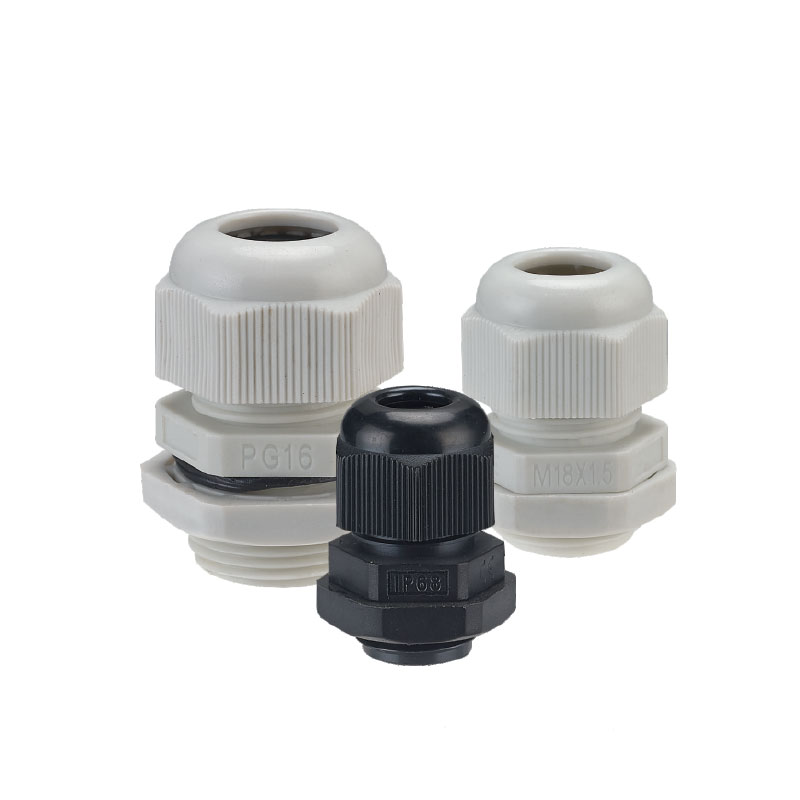
A brass waterproof cable gland is not just a cable entry part; it is a practical sealing decision that affects enclosure protection, cable retention, and long-term reliability in real projects. If the wrong gland is chosen, the result is often water ingress, loose cables, premature maintenance, or avoidable rework.
What a Brass Waterproof Cable Gland Does
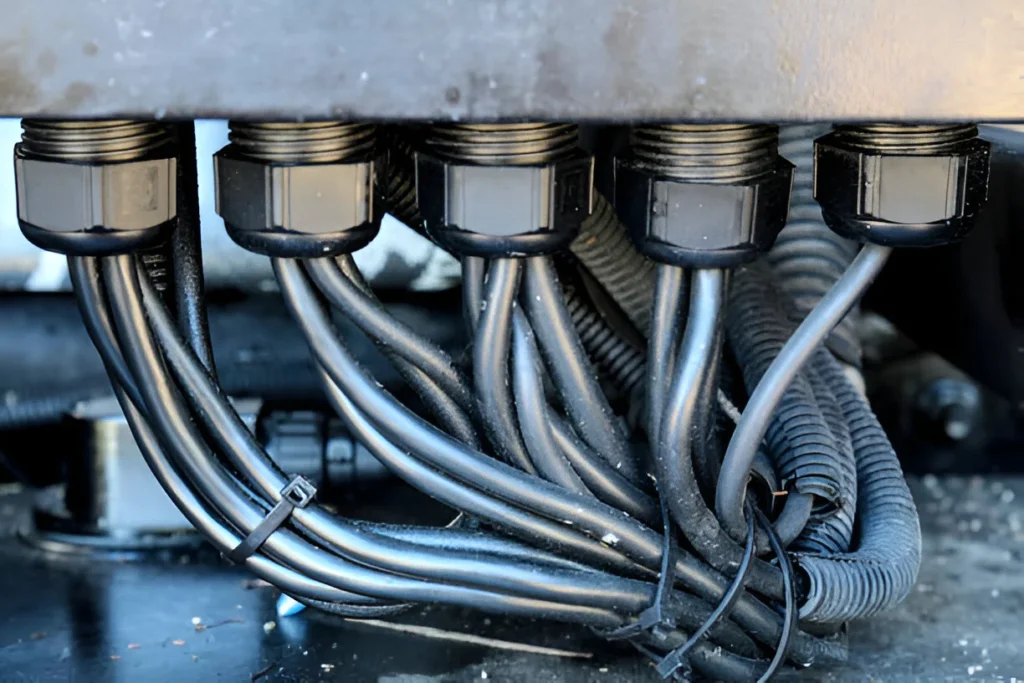
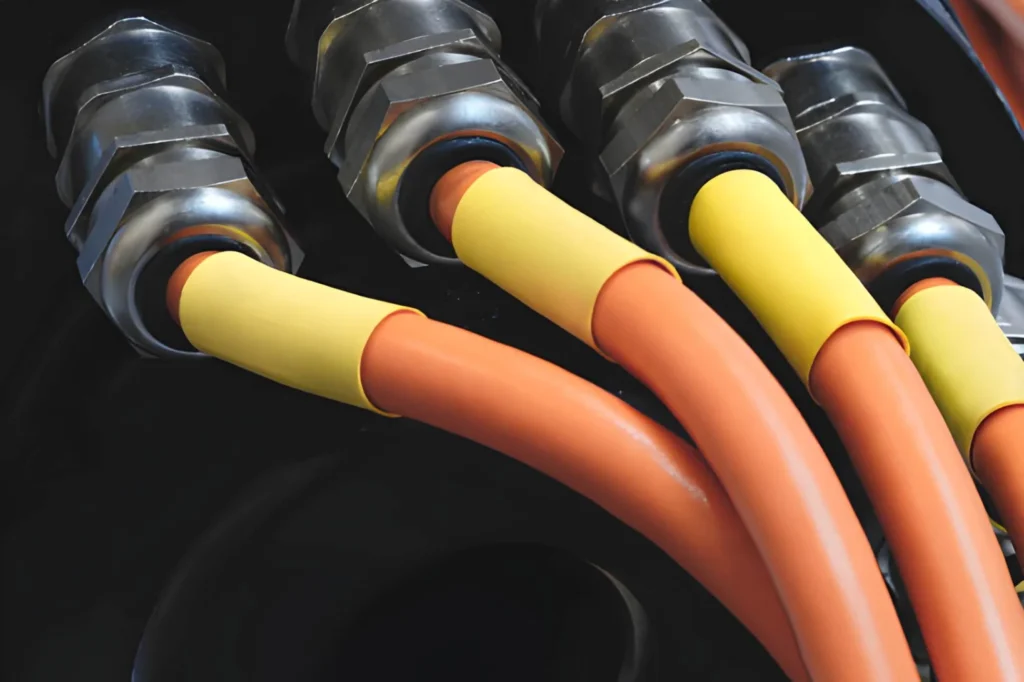
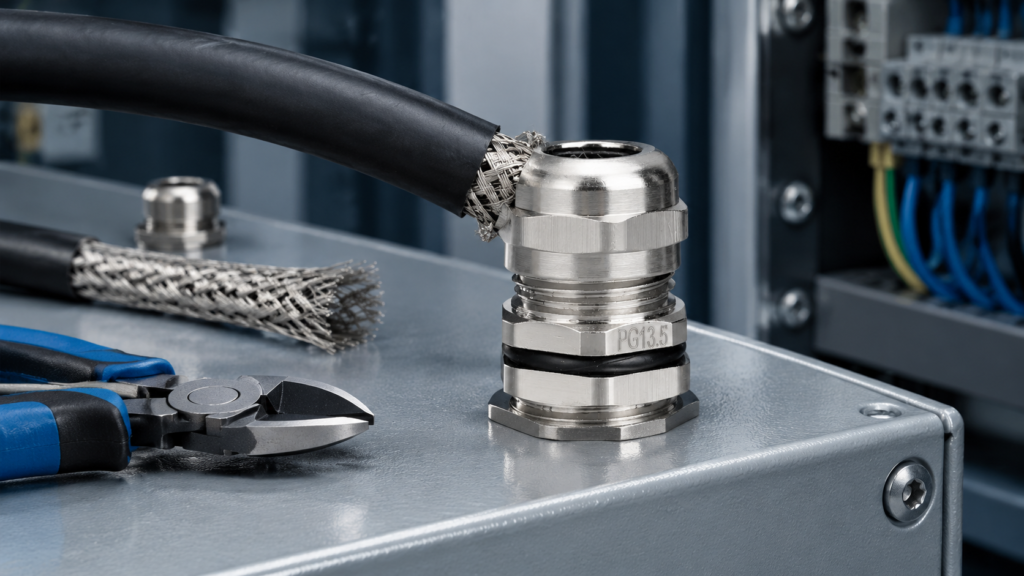
In field use, a brass waterproof cable gland has three jobs at the same time: it seals the cable entry, provides strain relief, and helps the enclosure keep its protection level. That matters in outdoor panels, machine cabinets, and junction boxes where cable movement and moisture are common.
In practice, buyers do not ask for a gland because they want a definition. They ask because they need a cable entry that keeps water out while still holding the cable firmly after installation.
A simple way to think about it is this: if the enclosure is the body, the gland is the sealed exit point for the wiring. If that point fails, the whole enclosure becomes less dependable.
Brass vs Nylon vs Stainless Steel
For B2B buyers, the real choice is usually not “which gland is best,” but “which gland fits the environment and budget.” Brass is often chosen because it gives a strong balance between mechanical strength, sealing performance, and cost.
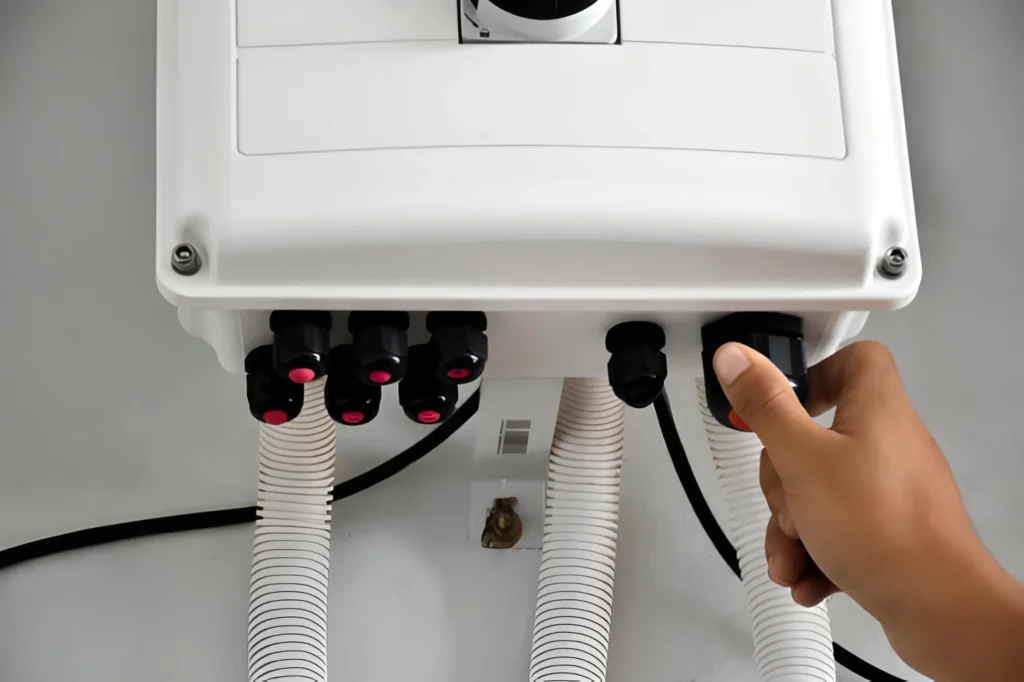
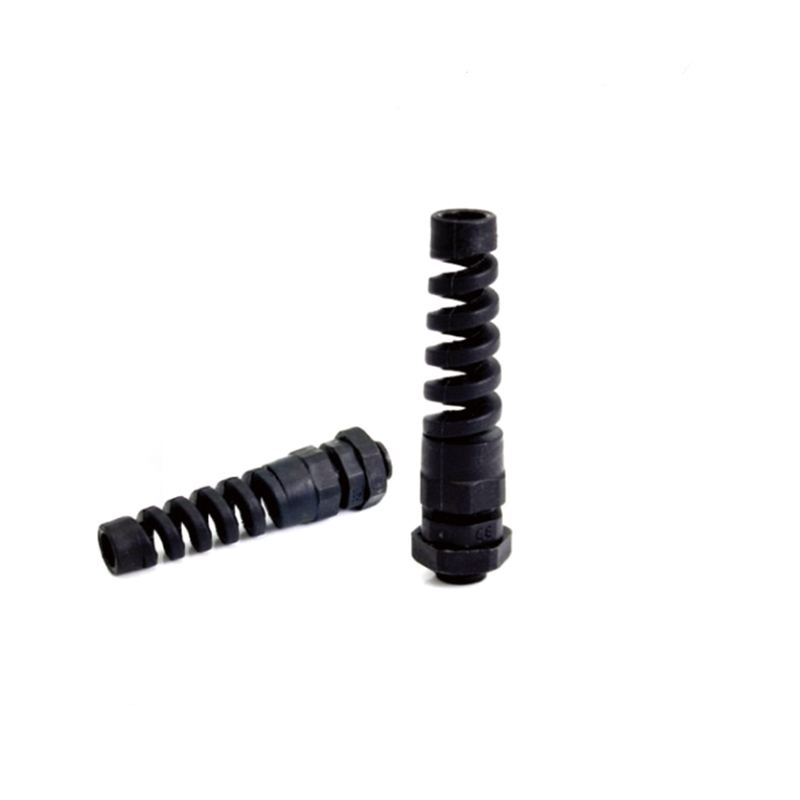
Nylon is common in lighter-duty or cost-sensitive jobs, especially where the project uses smaller cable sizes such as a black nylon waterproof cable gland 3-6.5mm dia. Stainless steel is more suitable when corrosion resistance is the top priority, especially in harsher marine or chemical exposure.
Marine, coastal, and aggressive outdoor environments
For many buyers, brass is the middle ground. It is often the practical choice when the project needs a metal gland without moving all the way to stainless steel pricing.
Real Project Scenarios
A brass cable gland becomes most valuable when the environment is not controlled. For example, a panel builder installing an outdoor control box may choose brass because the panel will face rain, vibration, and repeated cable handling during commissioning.
A marine equipment supplier may also use brass for internal compartments that need stable sealing, especially when the exposure is moderate and the focus is on dependable cable entry rather than maximum corrosion resistance. In another case, an OEM machine manufacturer may standardize brass glands across multiple cabinet models to simplify procurement and reduce installation variation.
These are the kinds of decisions that happen in real projects: not “what is waterproof,” but “what keeps working after installation, transport, vibration, and maintenance.”
Scenario-to-requirement match
Scenario
Main concern
Why brass fits
Outdoor electrical cabinet
Rain and dust sealing
Good balance of sealing and strength
Industrial machinery
Cable movement and vibration
Better mechanical support than light plastic options
OEM control box
Consistent assembly
Easy to standardize across builds
Distributor catalog planning
Broad customer demand
Covers many mid-range industrial applications
If you are comparing models for a specific project, you can start from a category page like prensaestopas estanco and then narrow the material, thread, and cable range by application.
The best model is not the one with the strongest marketing claim. It is the one that matches the cable outer diameter, thread size, enclosure thickness, and real working environment.
For wholesale buyers, distributors, and procurement teams, the key question is often whether the gland will fit both the cable and the panel specification without forcing rework. For engineers, the bigger concern is whether the chosen sealing range will remain stable after installation and during operation.
Many sealing failures are not caused by the product itself. They happen because the gland was installed with the wrong hole size, the wrong cable diameter, or poor tightening practice.
A proper installation usually starts with checking the enclosure opening, then matching the thread, inserting the cable, and tightening until the seal is firm but not damaged. If the cable is outside the recommended range, the final result may look installed, but the sealing performance will be weak.
Practical installation steps
Confirm the cable OD and gland size before assembly.
Prepare the panel hole or threaded entry correctly.
Introduzca el cable a través del cuerpo del prensaestopas.
Tighten the compression parts until the seal is secure.
Check that the cable cannot move freely after installation.
For buyers searching for how to install waterproof cable glands, the key point is simple: sealing depends on the match between cable, gland, and panel, not just on the label on the box.
Common Mistakes in Projects
One common mistake is assuming that every cable gland is equally waterproof. In reality, waterproof performance depends on the material, sealing design, cable fit, and installation quality.
Another frequent issue is choosing the wrong thread or the wrong sealing range just because the price is lower. That can create hidden costs later, especially when a project requires field repair, rework, or customer complaints.
Mistake and result
Mistake
Likely result
Better approach
Wrong cable diameter
Poor sealing or cable damage
Confirm the OD before ordering
Wrong thread size
Installation delay
Match the panel hole and thread standard
Apriete excesivo
Seal deformation
Tighten only to the required compression
Choosing only by price
Shorter service life
Balance cost with environment and use case
This is where many B2B buyers save money in the long run: by checking the application first instead of buying only on unit price.
Supplier Selection for Wholesale Buyers
For OEM, ODM, private label, and bulk procurement, the supplier question matters as much as the product question. A good manufacturer should be able to support stable quality, batch consistency, and export-oriented documentation.
That is especially important for distributors and wholesalers who need repeatable supply across multiple customer projects. It also matters for companies that want branded packaging, custom specifications, or large-volume sourcing from China.
When you compare suppliers, do not stop at the catalog photo. Check whether the factory can handle technical confirmation, sample support, customization, and stable production across different thread series and materials.
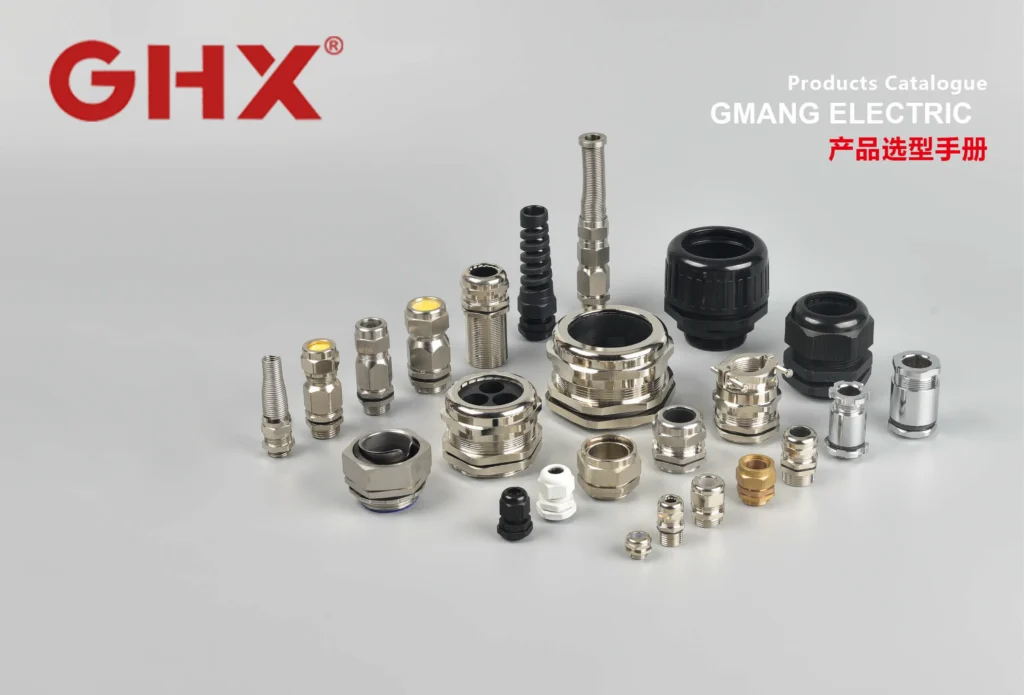
GHX focuses on the professional manufacturing of cable glands, waterproof cable glands and other products, including R&D, production and sales. It has passed ISO9001 quality management system certification and IATF 16949 certification, and has reached international standards in Cable Gland quality control and production management.
Product Range for Different Use Cases
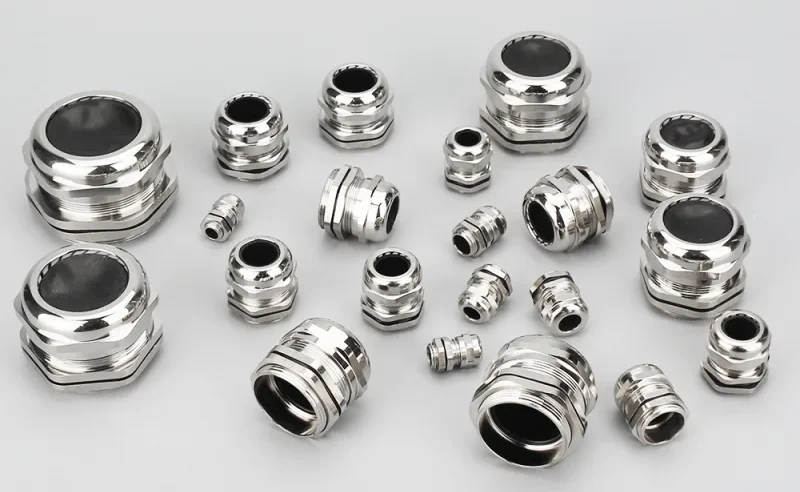
In real sourcing work, buyers often need more than one gland type in the same project family. A plant may use brass for standard industrial enclosures, stainless steel for harsher exposure, and nickel-plated brass for better surface protection and appearance.
A practical procurement strategy is to match each gland family to a real use case instead of trying to force one model into every project.
For buyers evaluating a brass waterproof cable gland, the best decision usually comes from three checks: fit, environment, and sourcing reliability. If those three points are clear, the rest of the purchase becomes much easier to confirm.
For project teams and distributors, the most practical next step is to compare the application requirement with the correct gland series, then verify whether the supplier can support batch supply, customization, and export needs.
PREGUNTAS FRECUENTES
Are cable glands waterproof?
Not all of them perform the same way. Waterproof performance depends on the gland design, material, cable size match, and how well it is installed.
What is the difference between a brass waterproof cable gland and a nylon one?
Brass usually offers better mechanical strength and is often preferred in industrial installations. Nylon is lighter and more cost-sensitive, which can work well in less demanding projects.
How do I choose the correct thread size?
Start from the enclosure hole and the panel specification, then confirm that the gland thread matches the installation opening. The wrong thread size can cause delays even if the cable itself is correct.
Can brass waterproof cable glands be used in marine applications?
Yes, but the exact suitability depends on the exposure level and the corrosion requirement. For harsher marine or coastal conditions, stainless steel may be the better choice.
How do I install waterproof cable glands correctly?
Use the correct cable diameter, match the thread, and tighten the sealing parts to the proper compression. A correct fit matters more than force.
What should wholesale buyers check before ordering?
Check cable range, thread standard, material, IP expectation, and whether the supplier can support OEM, ODM, private label, or bulk ordering. That reduces rework and sourcing risk.
GHX Cable Gland Overview: Robust, Certified Solutions for Hazardous Areas GHX cable glands deliver superior performance as explosion proof cable glands designed for secure, reliable cable entry in demanding hazardous and industrial environments. Engineered to meet the highest standards, these armoured cable glands ensure exceptional sealing with IP66/IP68 ingress protection ratings, robust armour clamping, and […]
Eight-step field procedure for EMC cable gland installation: screen exposure, braid fold-over, torque, enclosure bonding and the continuity check that proves the shield is bonded.
Explore los duraderos conectores prensaestopas impermeables con clasificación IP67 e IP68 de nailon, latón y acero inoxidable para una protección segura de los cables y alivio de tensiones.
Utilizamos cookies para mejorar su experiencia de navegación, publicar anuncios o contenidos personalizados y analizar nuestro tráfico. Al hacer clic en "Aceptar todo", aceptas el uso que hacemos de las cookies.