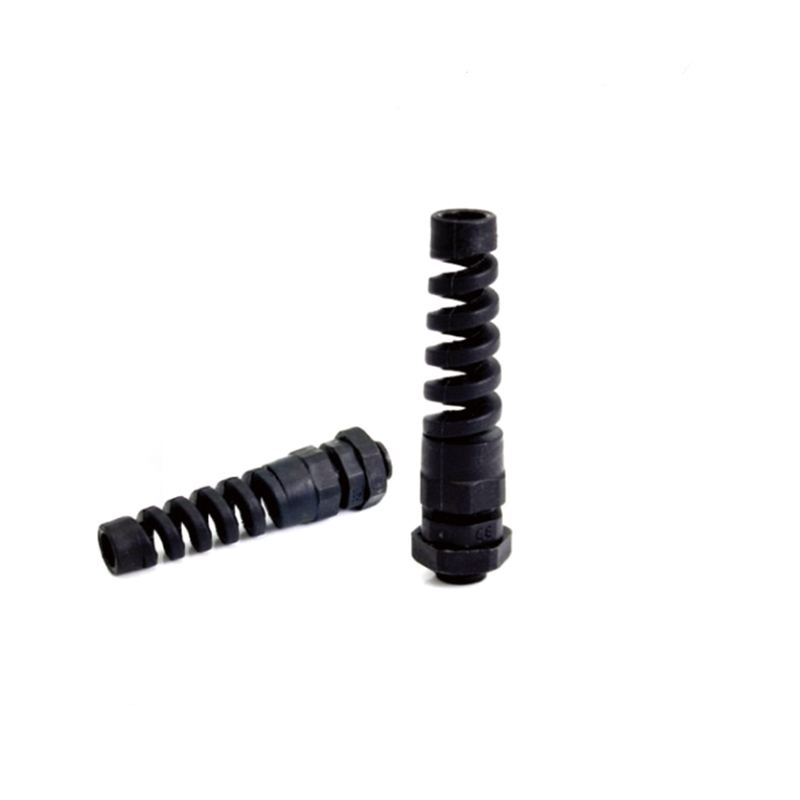
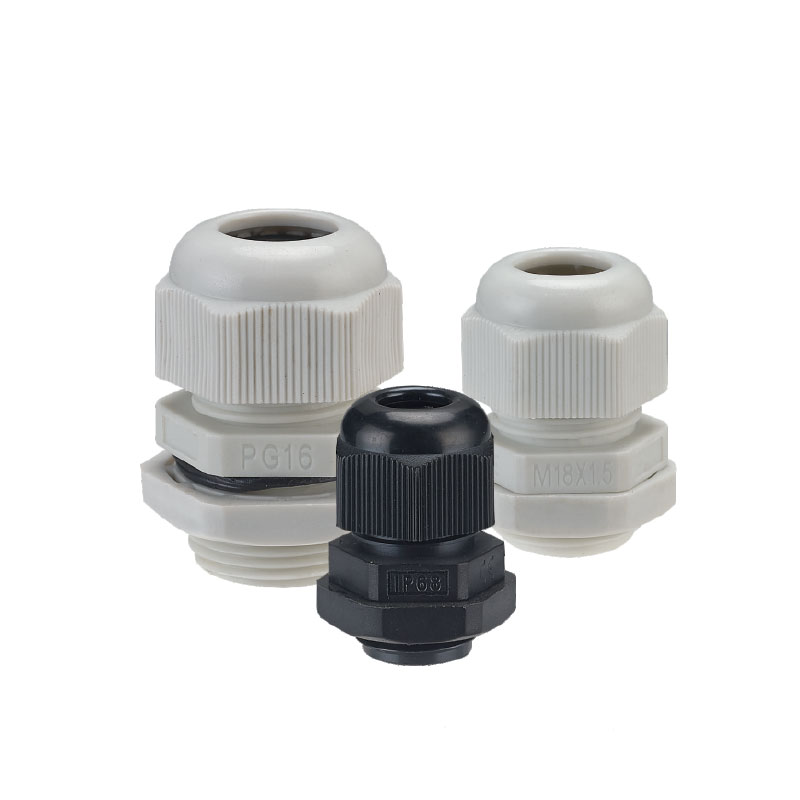
Waterproof cable glands are essential components designed to secure and seal cables entering electrical enclosures, providing reliable protection from moisture, dust, corrosion, and mechanical stress. Installing the right gland ensures your cables remain safe and your system functions smoothly, especially in outdoor or harsh environments.
الميزات الرئيسية لموصلات الكابلات المقاومة للماء
الميزة
الوصف
الأهمية
تصنيفات IP
Defines protection level against water and dust ingress, commonly IP65, IP67, or IP68
Ensures the gland can withstand the environmental conditions
تخفيف الضغط
Clamps around the cable to prevent tension or movement from pulling on internal wiring
Protects cable connection integrity and longevity
Sealing Mechanisms
Rubber or elastomer seals compress tightly around the cable and gland body
Creates a watertight and dust-tight barrier
Benefits of Using Waterproof Cable Glands
Moisture Protection: Prevents water from entering enclosures, reducing risk of short circuits and damage.
Dust and Dirt Resistance: Maintains clean internal components for reliable operation.
Understanding these key points is crucial before moving on to choosing and installing the right غدة كابل مقاومة للماء for your project. GHX offers a range of quality options tailored to meet these standards, ensuring safety and durability in every installation.
Types of Waterproof Cable Glands
When choosing waterproof cable glands, understanding the different types helps ensure the right fit for your project.
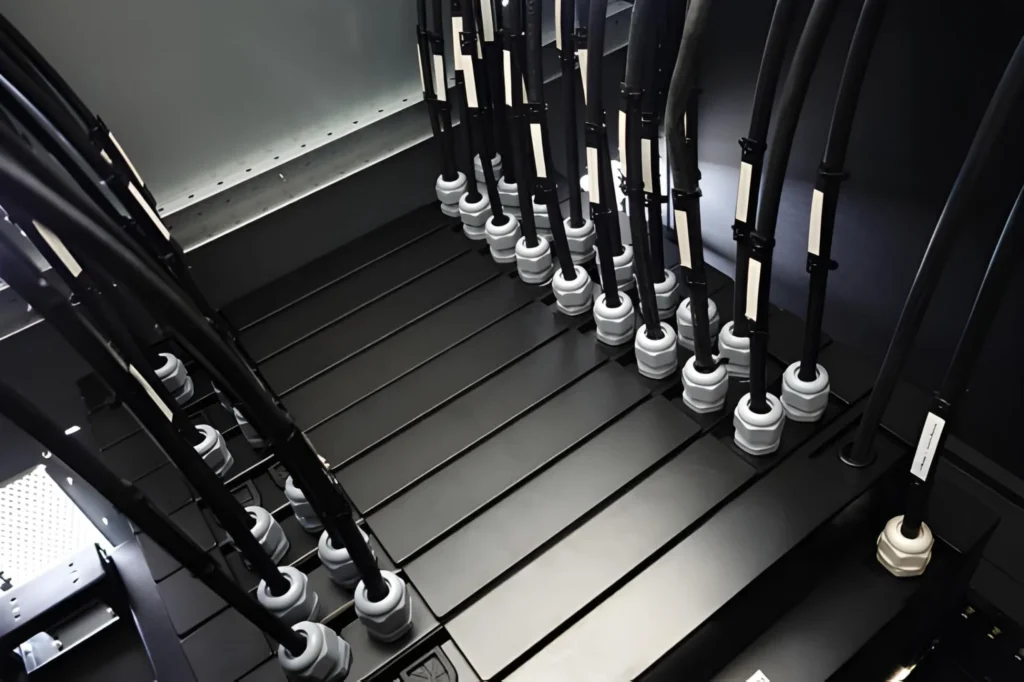
Nylon/Plastic Cable Glands: These are lightweight and budget-friendly, ideal for general indoor and outdoor use where extreme conditions aren a concern. They offer good protection against moisture and dust and are easy to install.
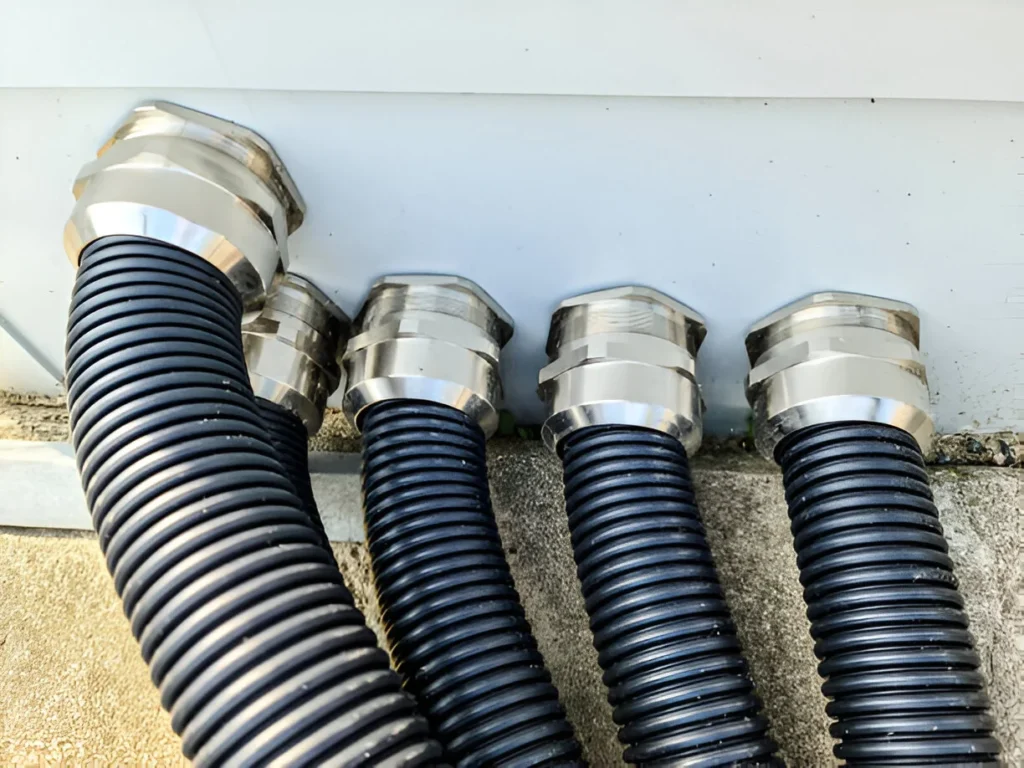
Brass Cable Glands: Known for their durability and corrosion resistance, brass glands are a solid choice for tougher environments. They handle mechanical stress well and perform reliably in industrial settings or marine applications.
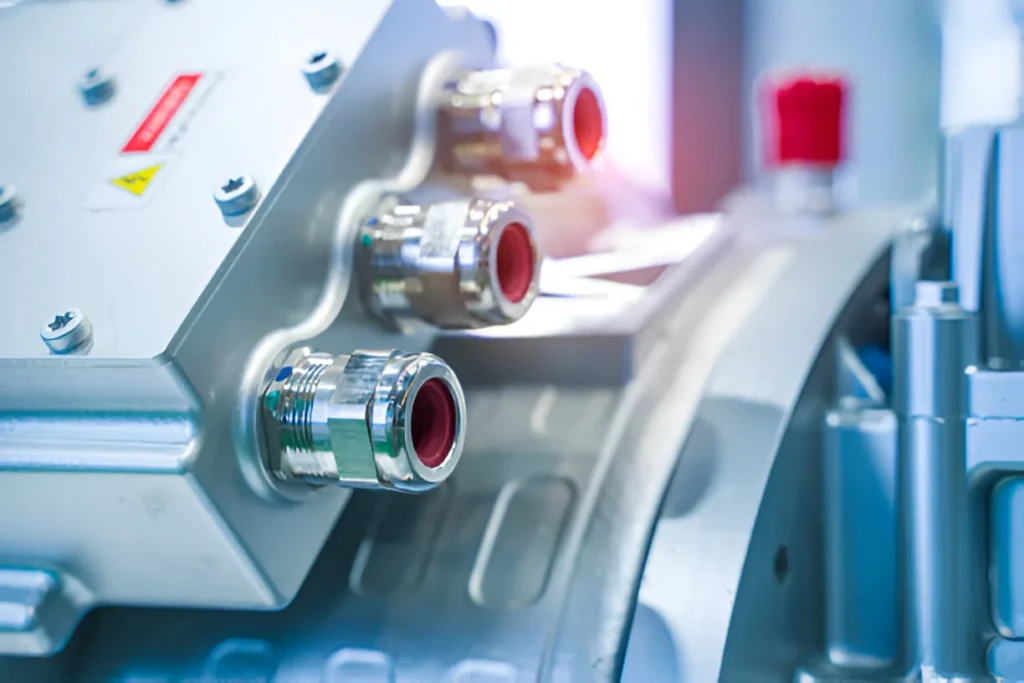
Stainless Steel Cable Glands: For extreme conditions, stainless steel glands are the premium option. They resist rust and harsh chemicals, making them perfect for outdoor enclosures in aggressive environments. Check out reliable stainless steel cable gland options with IP68 ratings for top-tier protection.
Other Variants: Beyond basic types, there are split cable glands for retrofitting existing cables without disconnecting them, EMC-shielded glands for electromagnetic interference protection, and explosion-proof cable glands designed for hazardous zones.
Matching the Gland to Your Cable: It’s crucial to pick the right gland for your cable type—armoured cables require glands with specific sealing and earthing provisions, while unarmoured cables need simpler gland types. Knowing this distinction prevents sealing issues and enhances safety.
Choosing the appropriate cable gland type ensures effective waterproofing and long-term reliability for your cable installations.
Selecting the Right Waterproof Cable Gland
Choosing the right waterproof cable gland depends on several key factors to ensure a perfect fit and reliable protection. First, know your cable diameter because the gland must grip the cable tightly without damaging it. Next, check the thread size and type—common standards include metric, PG, and NPT threads—to match the enclosure holes correctly.
Material is another important consideration. Nylon glands are lightweight and cost-effective, great for general use, while brass and stainless steel offer better durability and corrosion resistance for tougher environments. Don’t forget the IP rating—look for at least IP68 to guarantee water and dust tightness, especially for outdoor or marine applications.
Environmental conditions matter too. If your setup faces extreme weather, corrosion, or potential mechanical stress, pick glands designed for those challenges. For detailed sizing guidance, you can refer to a reliable جدول مقاسات غدة الكابلات النايلون that covers GHX nylon varieties along with brass and stainless steel options.
For premium solutions, GHX nylon, brass, and stainless steel cable glands are excellent choices, offering a balance of sealing performance and mechanical strength. For more in-depth details on stainless steel options suitable for harsh environments, check out this stainless steel cable gland with metric thread. Choosing the right gland ensures a watertight cord grip that lasts.
Tools and Materials Needed
To install waterproof cable glands correctly, you’ll need a few essential tools and materials to ensure a secure, watertight fit.
Essential Tools:
Wrenches: Adjustable or fixed-size wrenches to tighten the gland body and locknuts.
Cable stripper: For safely stripping the cable sheath without damaging the inner conductors.
Screwdriver: Useful for securing gland components or locknuts in tight spaces.
Torque wrench: Crucial for tightening glands to the manufacturer-recommended torque, preventing over-tightening or leaks.
المواد:
Sealant (if required): Some installations need additional sealant to enhance waterproof protection, especially for outdoor enclosure cable entry points.
Locknuts and washers: These help secure the cable gland on the enclosure panel and provide extra sealing strength.
Waterproof cable glands: Choose the right type (nylon, brass, stainless steel) based on your application to ensure optimal sealing and strain relief.
Having these tools and materials on hand simplifies your waterproof cable gland installation and guarantees a durable, reliable connection every time. For more on choosing the best gland for your needs, check out our detailed guide on waterproof cable gland materials and application.
Preparation Before Installation
Before starting your waterproof cable gland installation, make sure the power is completely switched off to avoid any electrical hazards. Always wear appropriate protective gear such as gloves and safety glasses for added safety.
Next, carefully inspect all gland components for any damage or defects. Using damaged parts can compromise the watertight seal and strain relief, leading to potential failures.
When preparing the cable, strip the outer sheath carefully without nicking or damaging the inner conductors. Proper cable preparation is crucial for ensuring a secure fit inside the gland’s sealing mechanisms.
Finally, drill or thread the enclosure hole according to the specific gland specifications. Check the cable gland size chart and thread type—whether metric, PG, or NPT—to match the gland perfectly to your enclosure. Proper hole preparation guarantees a snug, waterproof entry point.
Step-by-Step Installation Guide for Waterproof Cable Glands
Installing waterproof cable glands properly is key to ensuring a secure, watertight seal. Follow these steps:
Disassemble the Gland ComponentsStart by unscrewing and separating all parts of the cable gland — the locknut, sealing ring, gland body, and any washers. This lets you work easily during the installation.
Insert Cable Through Gland PartsFeed the cable first through the gland’s locknut and the sealing ring. Make sure the cable sheath is stripped carefully as per specs, leaving the conductor intact.
Position and Secure Gland Body in EnclosureInsert the gland body through the hole in your enclosure or panel. From inside, screw on the locknut firmly. Use a wrench to tighten it securely without overdoing it to avoid damage.
Compress Seal Around Cable for Watertight FitSlide the sealing ring around the cable and tighten the gland’s cap nut. This compresses the seal and grips the cable’s outer sheath, creating a watertight, dustproof barrier.
Tighten to Manufacturer TorqueUse a torque wrench to tighten the gland nut to the manufacturer’s recommended torque setting. Over-tightening can crush or damage the cable, while under-tightening compromises the seal.
Armoured Cables: Proper Earthing & TerminationIf you’re installing an armoured cable gland, ensure the armour is properly connected to the gland and earthed. This prevents electrical faults and guarantees safe strain relief.
Visual Tips: Correct vs Incorrect Sealing
Correct: Seal is compressed evenly, no gaps, cable cannot move.
Following these steps ensures a reliable waterproof cable gland installation that protects against moisture, dust, and mechanical stress for long-lasting performance.
When installing waterproof cable glands, a few common mistakes can compromise the seal and protection. Here’s what to watch out for:
Over- or under-tightening: Too much torque can damage the cable or the gland, causing cracks or crushing. Too little tightness means water and dust can sneak in. Always follow the manufacturer’s recommended torque settings, often listed in the cable gland size chart.
Wrong size gland: Using a gland that’s too big or too small won’t seal properly. Make sure to match your cable diameter and thread size precisely. Check detailed sizing guides like those for nylon cable gland fitting or brass options to avoid sealing issues.
Installing in wet conditions or skipping sealant: Cable gland sealing can fail if installed while wet or if you skip using sealants where recommended. Always work in dry conditions or protect your gear to maintain a watertight cord grip and use sealant if the situation calls for it.
Ignoring thread compatibility: Metric, PG, and NPT threads are not interchangeable. Using the wrong thread type can lead to cross-threading or loose fitting. Review thread compatibility details to ensure you’re using the right type for your enclosure and gland — a critical step for effective waterproofing.
By avoiding these mistakes, you’ll get a reliable, durable seal that protects your cables and equipment from moisture, dust, and mechanical stress.
Testing and Verification
After installing your waterproof cable gland, it’s crucial to verify the seal and electrical continuity to ensure everything is working as intended. Start with a visual inspection: check for proper seal compression, no gaps around the cable, and correct positioning of all gland parts. Look out for signs of damage or misalignment that could compromise the watertight cord grip.
Next, perform a continuity check on the cable to confirm there are no breaks or shorts caused during installation, especially important for armoured cable gland setups or EMC cable gland installations.
For the waterproof test, a simple but effective method is to submerge the enclosure with the installed gland in water for a few minutes, ideally simulating conditions close to its rated IP68 protection level. Monitor for any water ingress. Alternatively, use a controlled spray or pressure test to confirm the seal without risking full immersion.
If you notice leaks, damaged seals, or any installation issues you can’t fix, or if the enclosure protects critical or hazardous electrical equipment (like an explosion-proof cable gland system), it’s best to seek professional help. Certified technicians can perform detailed testing and ensure compliance with safety standards, preventing costly faults or dangers down the line.
For more on selecting and installing high-quality options, including brass and IP68-rated cable glands, check out our detailed guides on brass cable glands و IP68 waterproof cable glands.
Maintenance and Troubleshooting
To keep your waterproof cable glands working perfectly, regular inspections are a must. Check for any signs of wear, loosening, or damage around the gland and cable entry points. Over time, seals can degrade, and threads might loosen due to vibration or temperature changes, which compromises the watertight cord grip.
Look out for common failure signs such as:
Leaks or moisture inside the enclosure – an immediate red flag indicating the seal has failed.
Corrosion on metal glands, especially in harsh environments, which can weaken the gland’s integrity.
Physical damage to the gland body or cable sheath.
Fix problems quickly by re-tightening glands to the recommended torque or replacing faulty components. For metal glands like brass or stainless steel, clean corrosion with appropriate non-abrasive methods and apply protective coatings if needed.
Long-term care tips:
Schedule periodic checks every 6–12 months, depending on environmental exposure.
Avoid overtightening during maintenance to prevent damaging the gland or cable.
Keep the gland threads clean and apply compatible sealants only if specified by the manufacturer.
Replace glands showing persistent wear or damage to maintain IP ratings.
Proper maintenance extends the life of your waterproof cable gland and prevents costly downtime due to water ingress or electrical faults. For best results, follow manufacturer guidance aligned with your gland type—whether it’s nylon, brass, or stainless steel—as maintenance needs can vary.
عندما يتعلق الأمر بالتركيبات الكهربائية الصناعية، فإن غدة الكابلات ليست مجرد موصل فاخر؛ إنها البطل المجهول الذي يحافظ على الكابلات الخاصة بك آمنة ومغلقة ومأمونة من المخاطر البيئية. إذا كنت قد تساءلت يومًا عن سبب وجود العديد من أنواع الخيوط على غدد الكابلات هذه وكيفية اختيار النوع المناسب لمشروعك، فهذا [...]
تلعب غدة الكابلات المقاومة للماء دورًا لا غنى عنه في المعدات الكهربائية الصناعية والتجارية الحديثة. فهي لا تحمي مداخل الكابلات من الغبار والرطوبة فحسب، بل تضمن أيضًا سلامة المعدات وإطالة عمر الخدمة. إن اختيار تصنيف IP المناسب لغدة الكابلات المقاومة للماء يمكن أن يمنع بشكل فعال الأعطال الكهربائية أو حوادث السلامة الناجمة عن البيئات القاسية. [...]
نحن نستخدم ملفات تعريف الارتباط لتحسين تجربة التصفح الخاصة بك، وعرض إعلانات أو محتوى مخصص، وتحليل حركة المرور لدينا. بالنقر على "قبول الكل"، فإنك توافق على استخدامنا لملفات تعريف الارتباط.