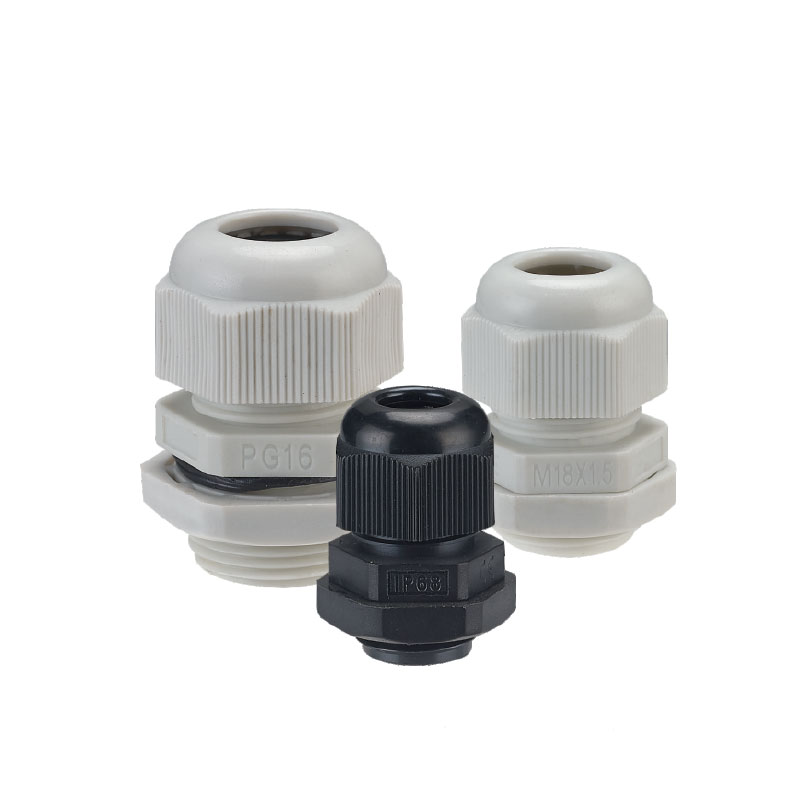
Prensaestopas estanco
Cable Gland Strain Relief Explained
Strain relief keeps load off the terminals, not off the cable. The three mechanisms, what determines pull-out resistance, and when a gland is not enough.
Seguir leyendo
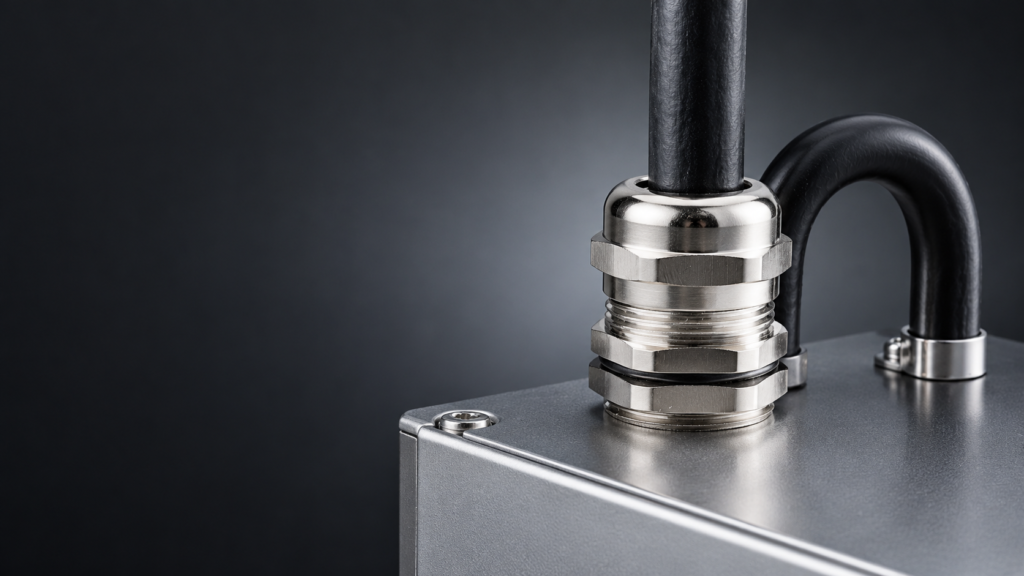
Strain relief keeps load off the terminals, not off the cable. The three mechanisms, what determines pull-out resistance, and when a gland is not enough.
Seguir leyendo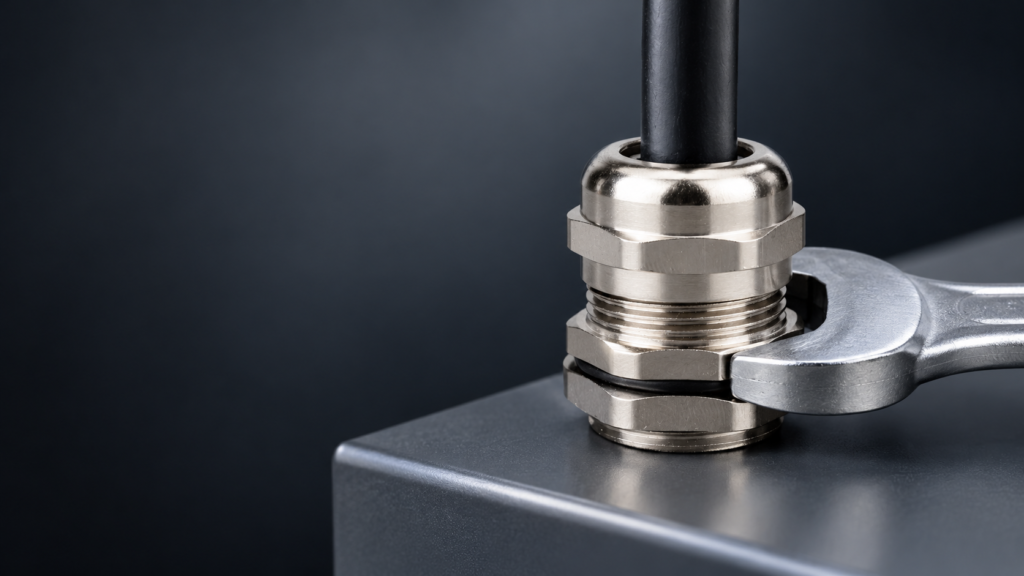
Why no universal torque table exists, what tightening has to achieve, how to read a torque figure, and how to judge a gland tightened by hand.
Seguir leyendo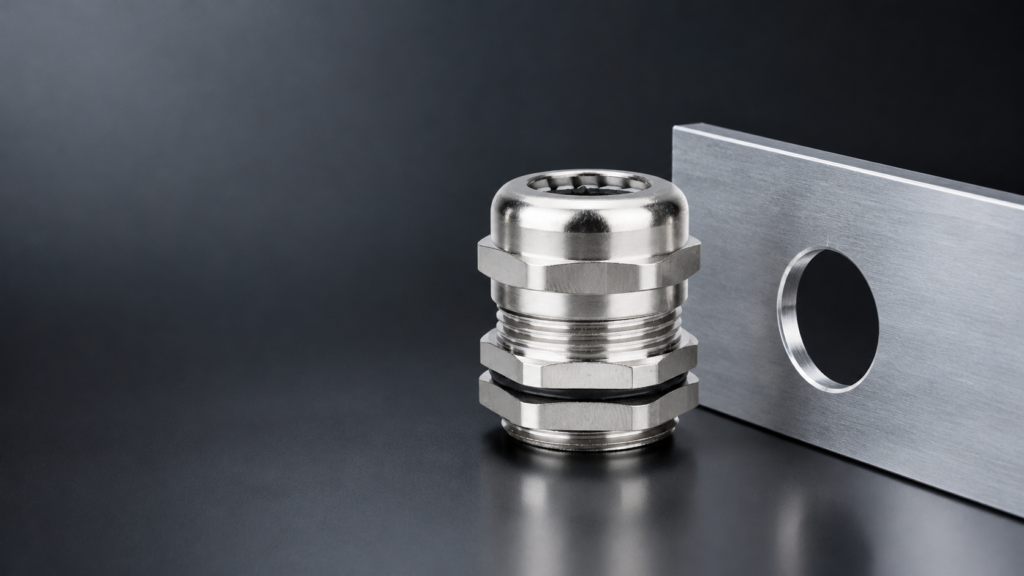
Hole sizes for every metric and PG thread, plus the four things that make a correctly sized hole leak: burrs, wall thickness, sealing face and layout.
Seguir leyendo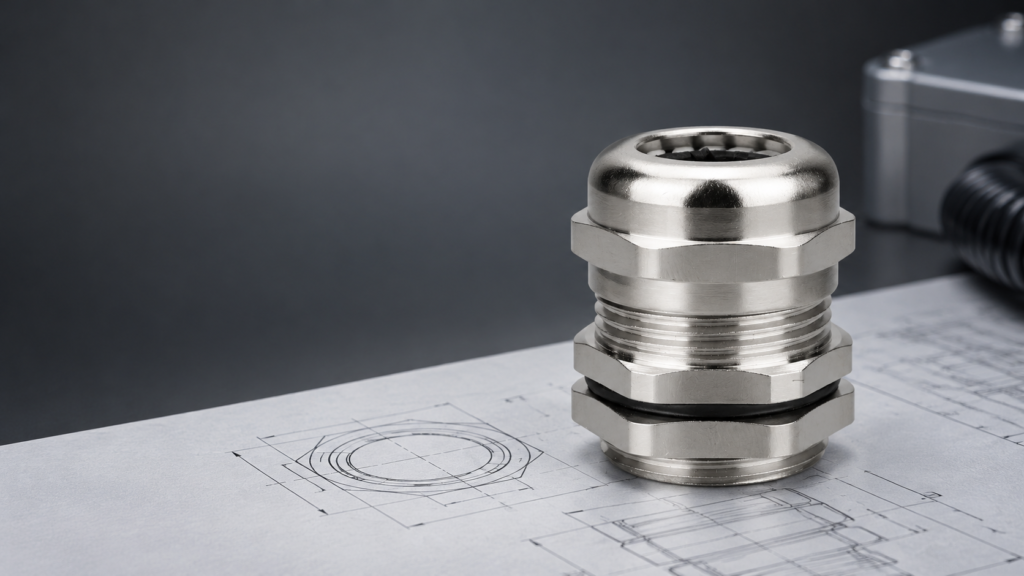
Metric, PG, NPT and G thread size charts in one place, with the reading method that turns a chart row into a correct purchase order.
Seguir leyendo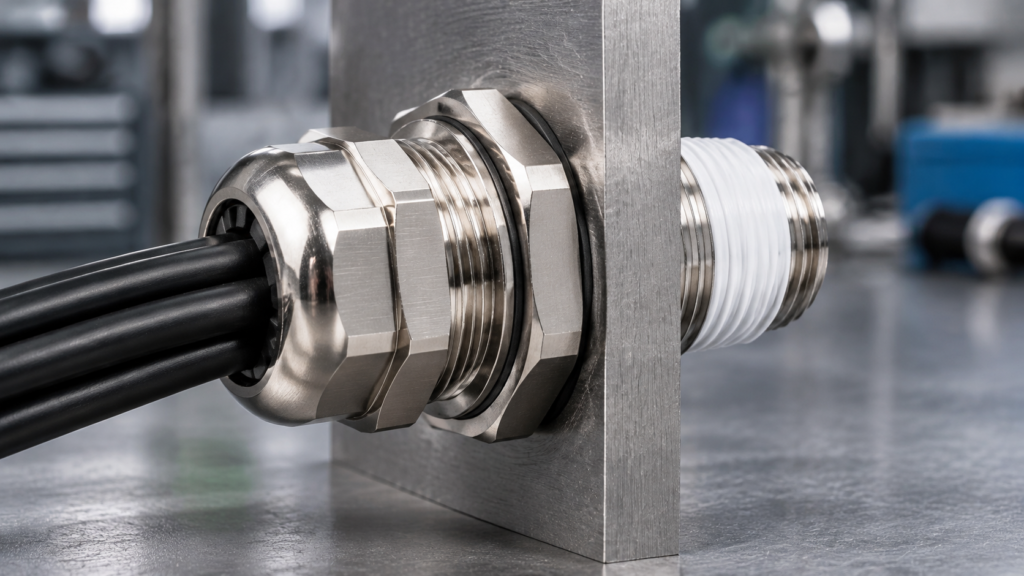
NPT and metric cable glands seal in different places. Tapered versus parallel threads, hole preparation, the locknut problem, sealant rules and North American hazardous area entries.
Seguir leyendo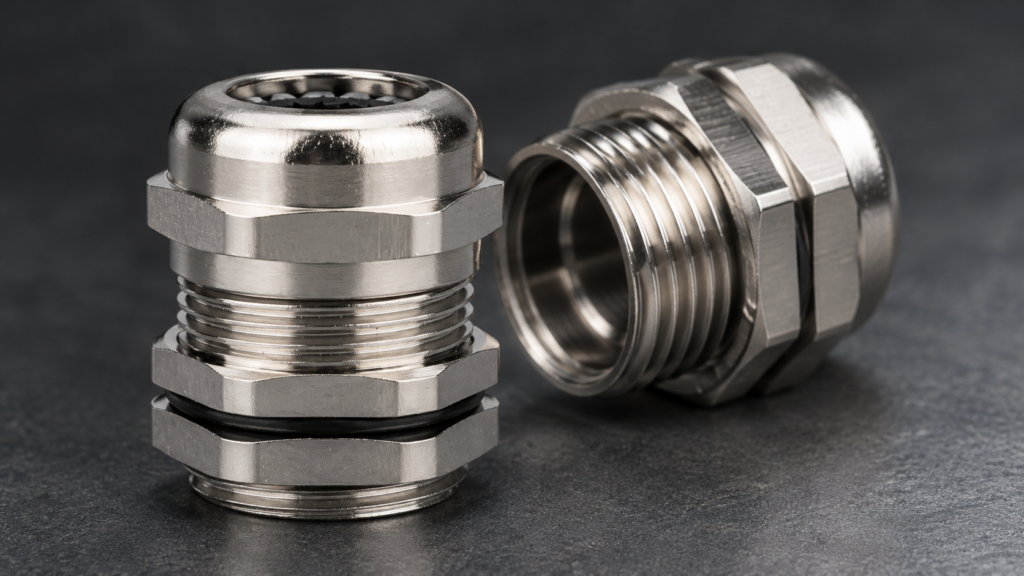
PG and metric cable glands are separate thread systems, not two names for one fitting. Flank angles, the nearest-size table, why PG13.5 will not enter an M20 hole, and when an adapter is the right answer.
Seguir leyendo