If you’re dealing with outdoor or industrial wiring, you already know how critical a waterproof cable entry gland is to protect your connections from water, dust, and strain. But with so many options for materials, sizes, and IP ratings, picking the right gland can feel overwhelming. Whether you’re outfitting an RV solar setup, marine vessel, or control panel, getting the perfect غدة كابل مقاومة للماء ensures reliable sealing and long-lasting performance. In this guide, we’ll cut through the noise and help you make sense of it all—so you get the ideal cable entry solution tailored to your needs.
Understanding Waterproof Cable Entry Glands
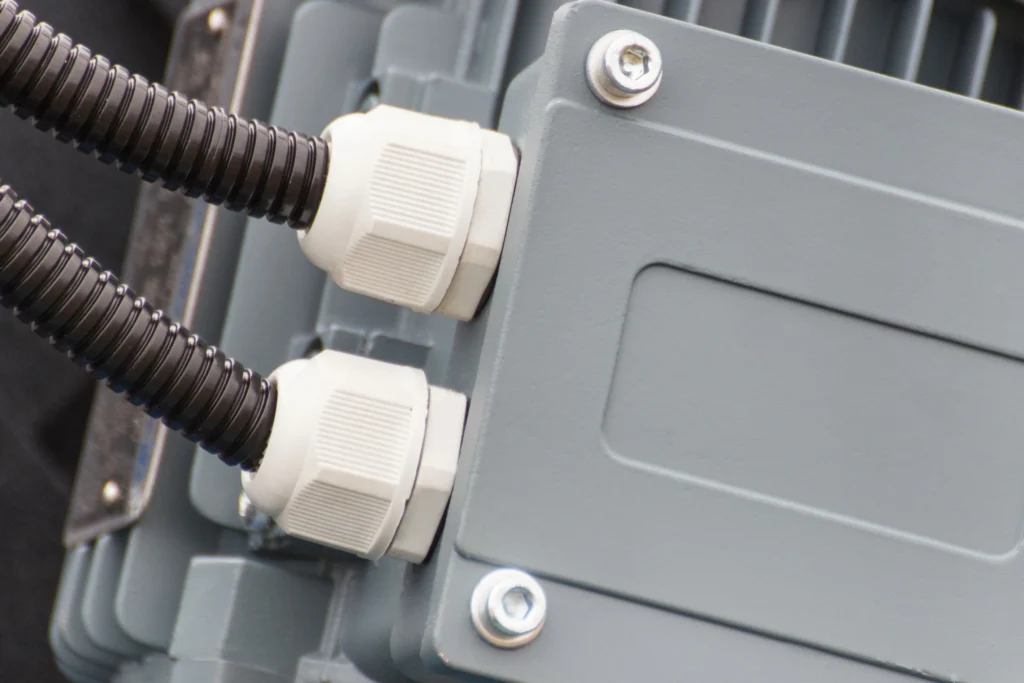
Waterproof cable entry glands are essential components designed to protect cables where they enter electrical enclosures, ensuring a secure and watertight seal. These glands prevent water, dust, and other environmental elements from entering, safeguarding sensitive connections and maintaining system integrity.
Core Components of Waterproof Cable Entry Glands
Body: The main structure that houses the cable and fits into the enclosure.
Seal: Typically made of rubber or elastomer, this compresses around the cable to create a waterproof barrier.
Nut: Used to tighten the gland either from inside or outside the enclosure, securing the gland in place.
Clamping Mechanism: This grips the cable firmly, preventing movement while maintaining the seal.
How Waterproof Cable Glands Work
When the gland’s nut is tightened, the seal compresses and clamps down onto the cable’s outer jacket. This pressure creates a reliable watertight barrier at the cable entry point. The clamping mechanism also provides strain relief, protecting the cable from pulling or twisting forces that could break the seal.
Key Differences from Standard Cable Glands
Unlike standard cable glands, waterproof cable entry glands feature enhanced sealing materials and tighter tolerances to meet strict waterproof standards, such as IP65 to IP68 ratings. These glands are built to withstand moisture, rain, and even submersion depending on the rating, making them ideal for outdoor and harsh environments where reliable protection is critical.
By understanding these basics, you can appreciate how waterproof cable glands like nylon, brass, or stainless steel variants from GHX ensure long-lasting, leak-free cable connections in any application.
IP Ratings Explained: Choosing the Right Protection Level
When picking a waterproof cable entry gland, understanding IP ratings is key to ensuring your cables stay safe from dust and water. IP ratings like IP65, IP66, IP67, and IP68 tell you how well the gland protects against different levels of ingress.
IP65 means the gland is dust-tight and can resist water jets from any angle — ideal for general outdoor use where heavy rain or splashes happen.
IP66 steps it up with protection against more powerful water jets and still full dust protection, great for harsher weather or dusty environments.
IP67 glands can handle temporary immersion in water up to 1 meter deep, so they’re perfect for areas prone to flooding or heavy rain.
IP68 takes it further, designed for continuous submersion beyond 1 meter. This makes IP68 cable glands the go-to for marine applications, underwater cabling, or any setting where cables might be submerged for longer periods.
Choosing the right IP rating depends on your environment. For example, a solar cable entry gland on a rooftop might only need IP65 or IP66, while a marine waterproof gland on a boat demands IP68 due to constant water exposure. For a detailed guide on picking the right level of protection, check out this in-depth resource on waterproof cable gland IP protection rating.
Understanding these IP ratings ensures you get reliable, weatherproof cable seals that last — no matter where your project is.
Types of Waterproof Cable Entry Glands
When selecting a waterproof cable entry gland, it’s important to know the different types available to match your application needs.
Single vs. Double/Dual Entry Glands: Single entry glands are designed for one cable, while double or dual entry glands allow two cables to enter through a single enclosure opening. Dual entry glands are great for saving space and simplifying installations.
Standard Threaded vs. Split/Separable Designs: Standard threaded glands require threading the cable through the gland body, suitable for fixed installations. Split or separable cable glands can be installed around existing cables without disconnecting them, ideal for retrofit applications.
Armored vs. Unarmored Cable Compatibility: Armored cable glands are built to securely hold cables with metal armor or braiding, providing extra mechanical protection and grounding. Unarmored glands work well with standard plastic or rubber cables without metal armor.
Specialized Variants:
EMC-Shielded Cable Glands: These provide electromagnetic compatibility, reducing interference in sensitive electronics.
Explosion-Proof Glands: Designed to meet safety standards in hazardous zones where explosive gases may be present.
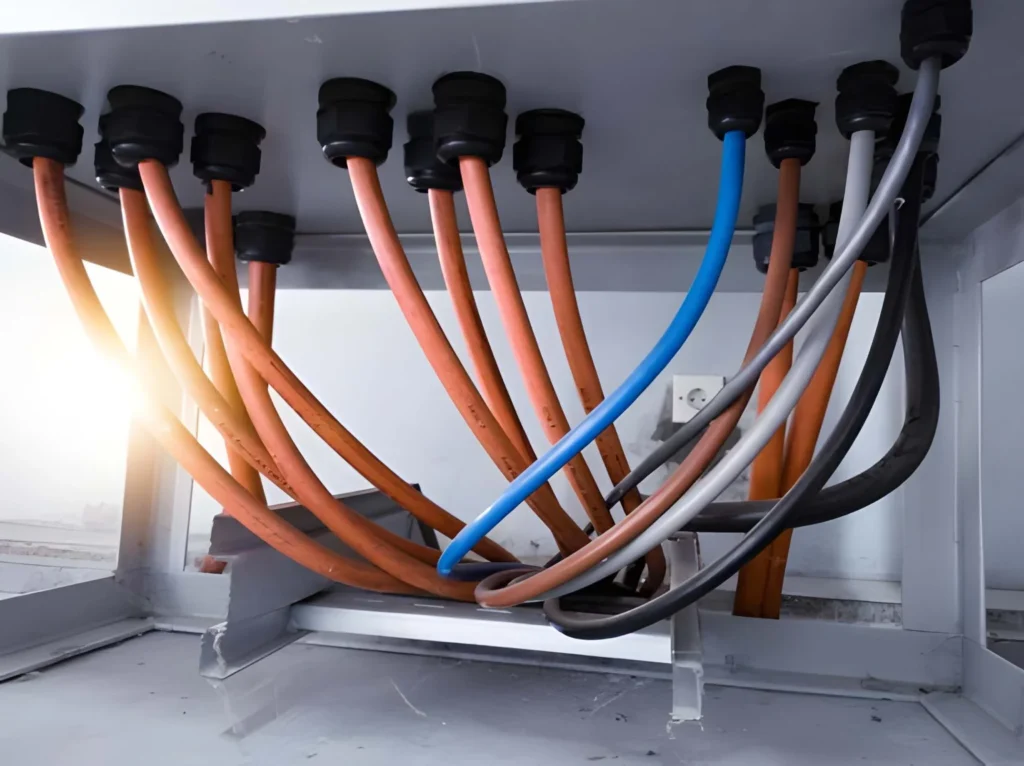
Multi-Cable Options: Multi-entry glands allow several cables to pass through one sealed entry point, saving space and maintaining waterproofing.
Choosing the right type depends on your cable type, environment, and installation needs. For a detailed rundown of thread types in waterproof cable glands that might influence your choice, check out our comprehensive guide on cable gland thread types.
Materials for Waterproof Cable Glands
Choosing the right material for your waterproof cable entry gland is key to ensuring durability and performance in your environment. GHX offers three main options, each suited to different needs:
المواد
الإيجابيات
السلبيات
Ideal Applications
Nylon/Plastic
Lightweight, cost-effective, UV-resistant
Less durable in harsh chemicals, lower mechanical strength
General outdoor use, solar panels, RV roof cables
Brass (Nickel-plated)
Strong, corrosion-resistant, good for marine and industrial
Heavier than nylon, can tarnish over time
Marine environments, industrial control panels
الفولاذ المقاوم للصدأ
Premium strength, excellent corrosion resistance, very durable
More expensive, heavier
Harsh, corrosive settings, chemical plants, marine submersion
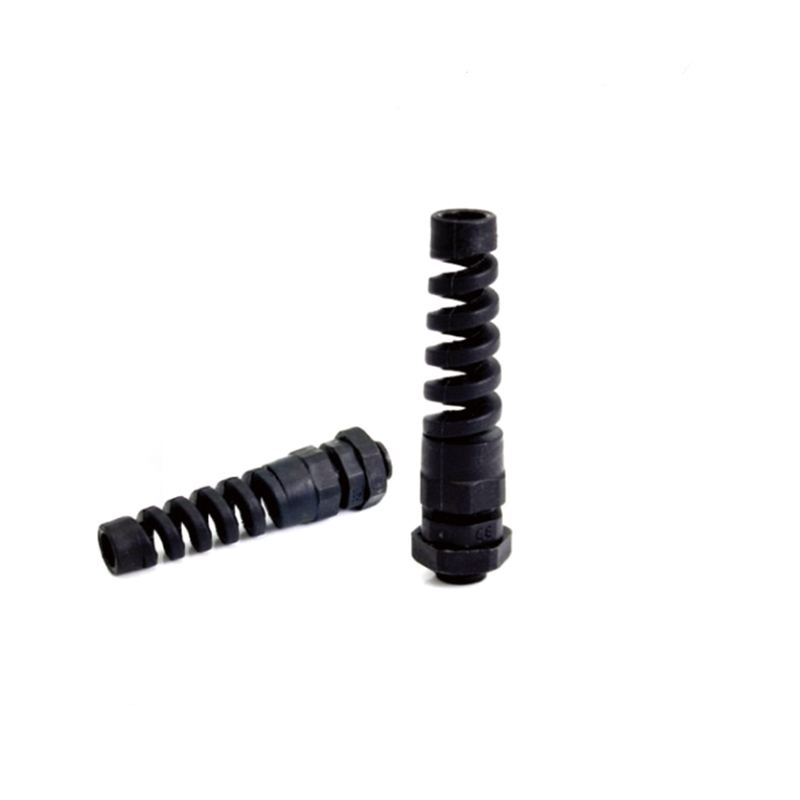
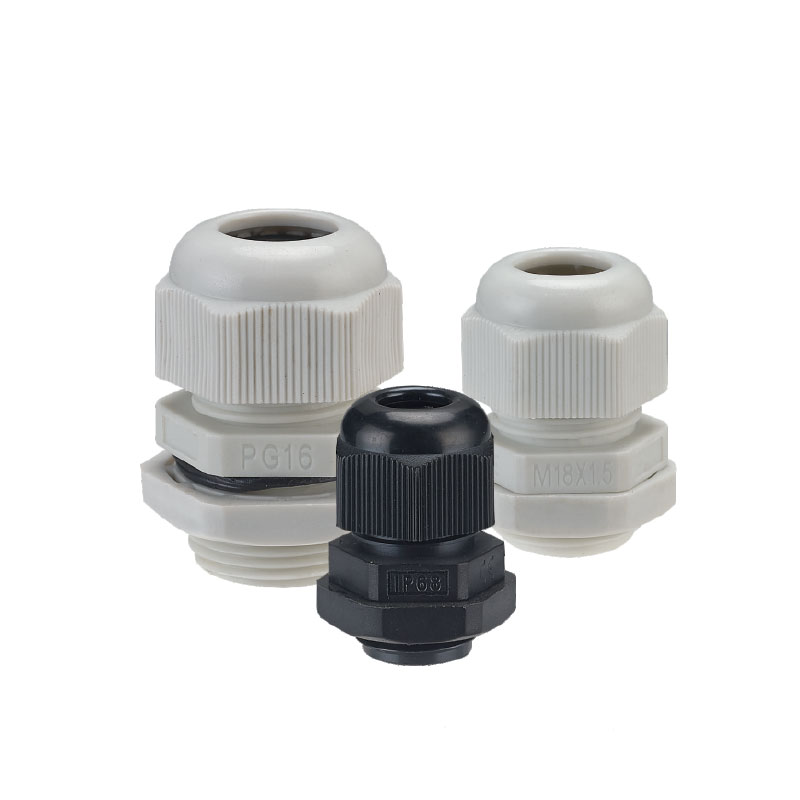
غدد الكابلات النايلون are great for everyday outdoor exposure where UV resistance and light weight matter.
Brass Cable Glands are perfect where you need robust protection against corrosion with stronger mechanical needs.
Stainless Steel Cable Glands deliver the best lifespan and strength when facing aggressive elements or harsh industrial conditions.
GHX’s selection covers these materials to meet all kinds of projects and environments, giving you reliable waterproof sealing no matter the challenge. For tough marine settings, explore our stainless steel cable gland PG63 designed for marine environments to ensure maximum protection.
This variety makes GHX a solid choice whether you want budget-friendly nylon glands or premium-grade stainless steel options.
Key Factors in Selecting the Right Waterproof Cable Entry Gland
Choosing the right waterproof cable entry gland means matching several important factors to your specific needs. Start by checking cable diameter and type compatibility—the gland must fit snugly around your cable to ensure a reliable waterproof seal. Using the wrong size leads to leaks or damage, so always measure carefully.
Next, consider thread sizes like metric, PG, or NPT to ensure the gland fits your enclosure properly. Different gear uses different threading standards, so picking the right one prevents installation headaches and keeps your setup secure.
Don’t overlook environmental factors—think about temperature range, UV exposure, and chemical resistance based on where the gland will be used. For outdoor or marine applications, UV-resistant nylon or corrosion-proof brass and stainless steel glands are often better choices.
Installation ease and strain relief matter too. A gland that clamps tightly without damaging the cable extends service life and reduces maintenance needs. Some glands offer built-in strain relief to protect against tension and movement.
Finally, check compliance with relevant standards such as RoHS for safety and UL for quality assurance. These certifications ensure you’re getting a reliable, tested product suited for professional use.
Getting the right cable gland size is key to a waterproof, secure fit. Here’s how to measure and pick the best waterproof cable entry gland without going wrong.
How to Measure Cable Outer Diameter
Strip the cable jacket but keep the outer sheath intact where the gland will seal.
Use a caliper or tape measure to find the القطر الخارجي at this point.
Measure in millimeters or inches, depending on your gland’s sizing standard.
Common Size Ranges and Chart
Cable Outer Diameter (mm)
Typical Gland Size (Metric Thread)
Thread Type Example
4 – 6
M12
Metric thread
6 – 10
M16
Metric thread
10 - 14
M20
Metric thread
14 – 20
M25
Metric thread
20 – 29
M32
Metric thread
For detailed nylon cable gland sizing charts, you can check out our complete guide to match cable sizes and gland threads efficiently.
Avoid These Common Sizing Mistakes
Oversizing: Choosing a gland too large reduces seal effectiveness and can let water or dust in.
Undersizing: A gland that’s too small won’t fit the cable or may damage the outer sheath during installation.
Make sure to pick a gland that fits snugly around the cable, allowing the sealing ring to compress properly for lasting waterproof protection.
Following this sizing method will ensure your غدة كابل مقاومة للماء performs well, keeping your cables secure and protected from moisture and dirt.
Installation Best Practices for Waterproof Cable Entry Glands
Installing waterproof cable entry glands correctly is key to maintaining their watertight integrity and achieving the rated IP protection. Here’s what you need to know to get it right.
Tools Needed
Adjustable wrench or spanner
Screwdriver (for gland locknuts if applicable)
Cable stripper or cutter
Torque wrench (recommended for precise tightening)
Sealing washers or gaskets (if provided)
Step-by-Step Installation
Prepare the cable Strip the cable outer sheath carefully without damaging internal wires. Measure the cable diameter to select the correct gland size.
Insert the gland parts Slide the gland’s sealing components (seal, clamping ring) onto the cable.
Fit the gland body to the enclosure Thread the gland body into the enclosure hole. Use sealing washers if required to ensure no water ingress.
Insert the cable Push the cable through the gland body until the seal sits snugly around the cable.
Tighten the clamping nut Gradually tighten the gland nut to compress the seal around the cable firmly. Use a torque wrench to reach the manufacturer’s recommended torque for maximum sealing.
Check sealing and strain relief Ensure the cable cannot move freely inside the gland — proper strain relief prevents future leaks or damage.
Tips to Maximize IP Rating
Always use sealing washers or gaskets if specified; they boost waterproofing.
Follow manufacturer torque specs carefully to avoid under-tightening (leaks) or over-tightening (seal damage).
Inspect the gland seal for damage before installation.
Choose the right cable gland size to avoid oversize gaps or crushing the cable.
Double-check enclosure threads for compatibility, especially metric or NPT types.
Common Errors to Avoid
Using wrong or damaged seals — even a small nick can compromise waterproofing.
Over-tightening nuts leads to cracked or pinched seals.
Ignoring cable diameter changes from outer sheath damage or swelling.
Skipping sealing washers on enclosure threads.
Not verifying strain relief after installation.
Troubleshooting Leaks
Recheck gland torque and tighten as needed.
Replace damaged seals immediately.
Ensure no cracks or damage in the enclosure where the gland fits.
Confirm the cable diameter matches gland specs; retry with the correct size if not.
Proper installation guarantees your waterproof cable gland performs as intended, protecting your cables and electronics in any environment.
Waterproof cable entry glands are essential in a variety of settings where reliable protection against dust and moisture is critical. For solar panel and RV roof installations, these glands ensure cables stay secure and dry despite exposure to harsh weather. GHX’s RV roof cable gland options offer excellent UV resistance and strain relief to withstand long-term sun and wind exposure.
In marine and boating cable routing, waterproof glands prevent water ingress that could short-circuit wiring or cause corrosion. GHX provides durable marine waterproof gland solutions—especially in materials like brass and stainless steel—that stand up to saltwater and harsh conditions, such as the seaworthy stainless steel glands designed for demanding outdoor applications.
For industrial enclosures and control panels, waterproof cable glands protect sensitive electronics and maintain safe operation even in dusty or wet factory environments. Their robust sealing mechanisms are vital for applications involving chemical exposure or temperature variations.
Outdoor lighting, automation systems, and hazardous areas also benefit from waterproof glands. GHX offers specialized products, including explosion-proof and EMC-shielded options, to meet these tough requirements.
These use cases highlight how GHX waterproof cable entry glands deliver dependable sealing and strain relief, ensuring cables perform safely and efficiently across diverse industries.
Maintenance and Longevity Tips for Waterproof Cable Entry Glands
Keeping your waterproof cable entry glands in top shape is essential to ensure long-lasting protection against water and dust. Here are some straightforward tips to maintain and extend the life of your cable glands:
Regular Inspection: Check seals, clamps, and the gland body periodically for cracks, deformation, or hardening of rubber seals. Look for any signs of water ingress or corrosion, especially in harsh outdoor or marine environments.
Signs of Wear: Replace glands if you notice frayed cables, damaged sealing rings, loose nuts, or if the gland no longer tightens securely. Any reduction in the gland’s grip or waterproof sealing ability means it’s time to swap it out.
Cleaning: Remove dirt, salt deposits, or chemical residues around the gland to prevent seal degradation and corrosion, especially for brass or stainless steel glands used in marine or industrial sites.
Avoid Over-tightening: While a firm fit is required for waterproofing, excessive torque may crack seals or damage threads, shortening gland life.
حماية البيئة: Use UV-resistant materials like nylon for sunny outdoor applications and corrosion-resistant options like brass or stainless steel in chemically harsh or salty environments.
Extra Sealing: In extreme conditions, consider adding sealing washers or protective covers to improve the waterproof barrier.
Following these maintenance habits will help your waterproof cable entry glands deliver reliable, long-term performance—even in challenging settings. This ensures your cables remain well protected and your systems run smoothly without costly downtime.
Why Choose GHX Waterproof Cable Entry Glands
When it comes to waterproof cable entry glands, GHX stands out for a few key reasons. Our products offer superior sealing to ensure reliable, watertight cable entry even in tough outdoor and industrial environments. Whether you need a غدة الكابل النايلون for lightweight use, a corrosion-resistant brass cable gland, or a heavy-duty غدة كابل من الفولاذ المقاوم للصدأ, GHX has you covered with a wide range of materials and sizes.
الميزة
المزايا
ما أهمية ذلك
Superior sealing
Maintains watertight integrity
Protects cables from water, dust, and harsh conditions
Wide material options
نايلون، نحاس، فولاذ مقاوم للصدأ
Suitable for different environments, from marine to industrial
Competitive sizing
Fits various cable diameters and thread types
Easy to find the right fit, avoiding leaks and damage
Fast delivery
Quick order processing
Minimizes project delays
Expert support
Technical guidance available
Helps you choose the best gland for your needs
Customer Benefits:
Reliability: GHX glands meet high IP ratings to hold up in demanding conditions.
Versatility: Options for standard, EMC-shielded, explosion-proof, and split cable glands.
Ease of Use: Designed for simple installation with great strain relief and sealing performance.
Choosing GHX means trust in quality products that meet global standards and keep your cables safe. For heavy-duty and industrial needs, check out GHX’s waterproof brass cable glands for robust performance that lasts.
GHX’s commitment to innovation and customer service makes us the go-to choice for waterproof cable glands worldwide.
الأسئلة الشائعة
Q: What does an IP rating like IP68 mean for a waterproof cable gland?
A: IP68 means the cable gland provides total dust protection and can handle continuous immersion in water. It’s ideal for harsh environments like marine, outdoor, or flooded areas where maximum waterproofing is needed.
Q: Which material should I choose for my waterproof cable entry gland?
A: It depends on your environment. Nylon glands are lightweight and UV-resistant for general outdoor use. Brass (often nickel-plated) works well in industrial and marine settings due to corrosion resistance. Stainless steel is best for extreme conditions needing extra strength and longevity. GHX offers all these material options to meet different needs.
Q: How do I know what size cable gland I need?
A: Measure the outer diameter of your cable carefully using calipers or a ruler, then refer to a reliable cable gland sizing chart. Avoid oversizing or undersizing to ensure a proper watertight seal and strain relief.
Q: Are waterproof cable glands compatible with armored cables?
A: Yes. There are specific armored cable glands designed to securely clamp armored cable sheaths while maintaining a waterproof seal. Be sure to select glands marked for armored cable compatibility.
Q: Can I use a split or separable cable gland for waterproof entry?
A: Absolutely. Split or separable waterproof cable glands are great for retrofits and installations where cables are already laid and cannot be disconnected. They still maintain excellent sealing performance.
Q: What thread types do waterproof cable glands come in?
A: Common thread types include metric, PG, and NPT. Choose a gland with a thread size that matches your enclosure or panel for a secure fit.
Q: How do I maintain waterproof cable glands to last longer?
A: Regularly inspect seals and clamps for wear or damage. Clean dirt buildup and replace glands immediately if seals crack or leaks appear, especially in harsh conditions.
هل تساءلت يومًا كيف تضمن تلك الأجهزة الصغيرة التي تبدو غير مهمة أن تظل الكابلات آمنة وموثوقة في البيئات الرطبة أو القاسية؟ هذا هو السر وراء غدة الكابلات المقاومة للماء. فهي تعمل "كحارس بوابة" للكابلات التي تدخل وتخرج من المعدات، فهي لا تحقق اتصالاً آمنًا فحسب، بل تحمي الكابلات من الرطوبة والغبار و [...].
هل تساءلت يوماً كيف تبقى الكابلات الكهربائية آمنة وجافة حتى في أقسى الظروف؟ تكمن الإجابة في مكوِّن غالبًا ما يتم تجاهله ولكنه حاسم - غدة الكابلات المقاومة للماء. تحمي هذه التركيبات الصغيرة ولكن القوية الكابلات من الماء والغبار والعناصر الخارجية الأخرى، مما يضمن موثوقية وسلامة الأنظمة الكهربائية في مختلف الصناعات. سواء كنت [...]
نحن نستخدم ملفات تعريف الارتباط لتحسين تجربة التصفح الخاصة بك، وعرض إعلانات أو محتوى مخصص، وتحليل حركة المرور لدينا. بالنقر على "قبول الكل"، فإنك توافق على استخدامنا لملفات تعريف الارتباط.